An autumn festival featuring two-wheeled floats parading through town, the neri, and the Maiko-gaeshi
Mori Festival
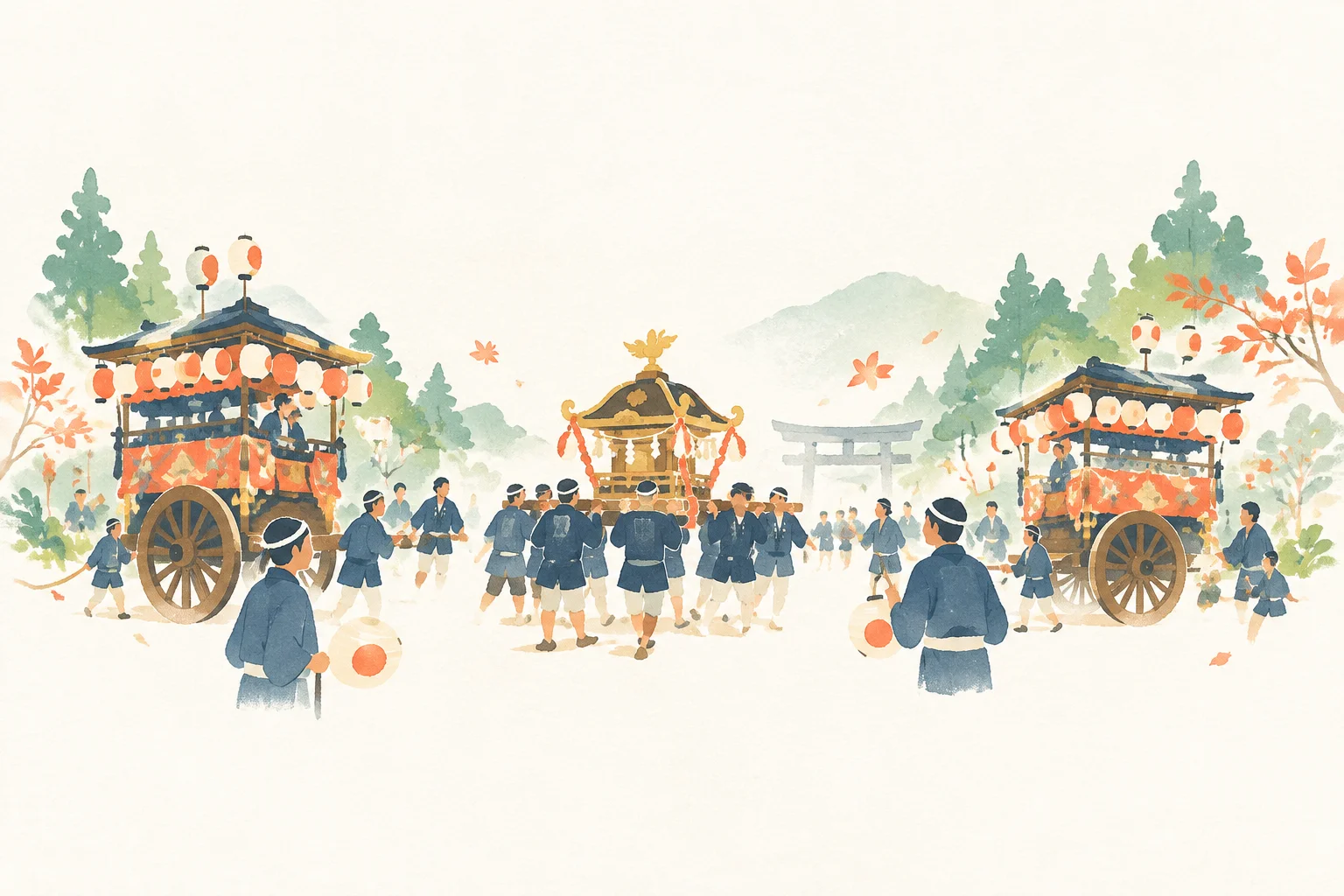
Festival information
EVENT INFORMATION- Season / frequency
- From Friday to Sunday of the first week of November / Every year
- Area
- Shizuoka Prefecture・Mori Town(From Tokyo: approx. 1 h–1 h 30 min · bullet train)Prefecture-level estimate to a main station or airport, not the venue. Airport access, check-in and onward travel are extra; remote areas and islands can take much longer.
- Features
- Highlights and activities
- Last updated
- 2026/10/19
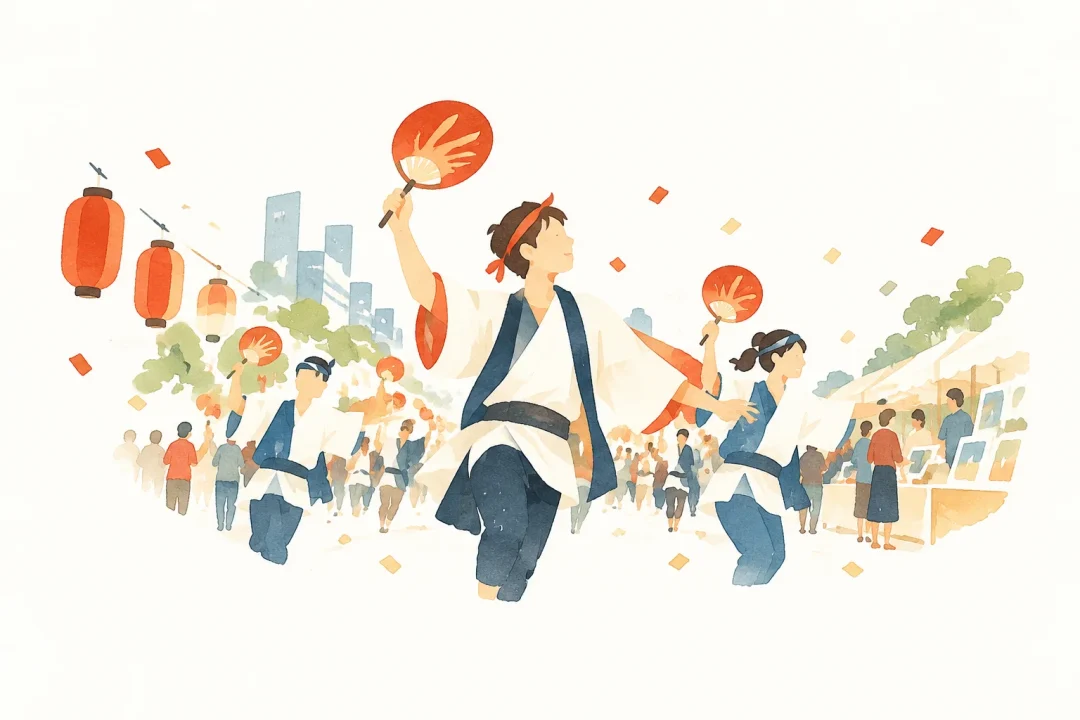
The Mori Festival brings autumn to life in Mori Town with two-wheeled floats parading through the streets, a procession, and floats facing one another in the neri. The festival continues through the final day’s Maiko-gaeshi, taking place at the town’s shrines and in each neighborhood.
About Mori Festival
The Mori Festival is an autumn celebration held mainly at Mishima Shrine and other locations in Mori Town, Shizuoka Prefecture.
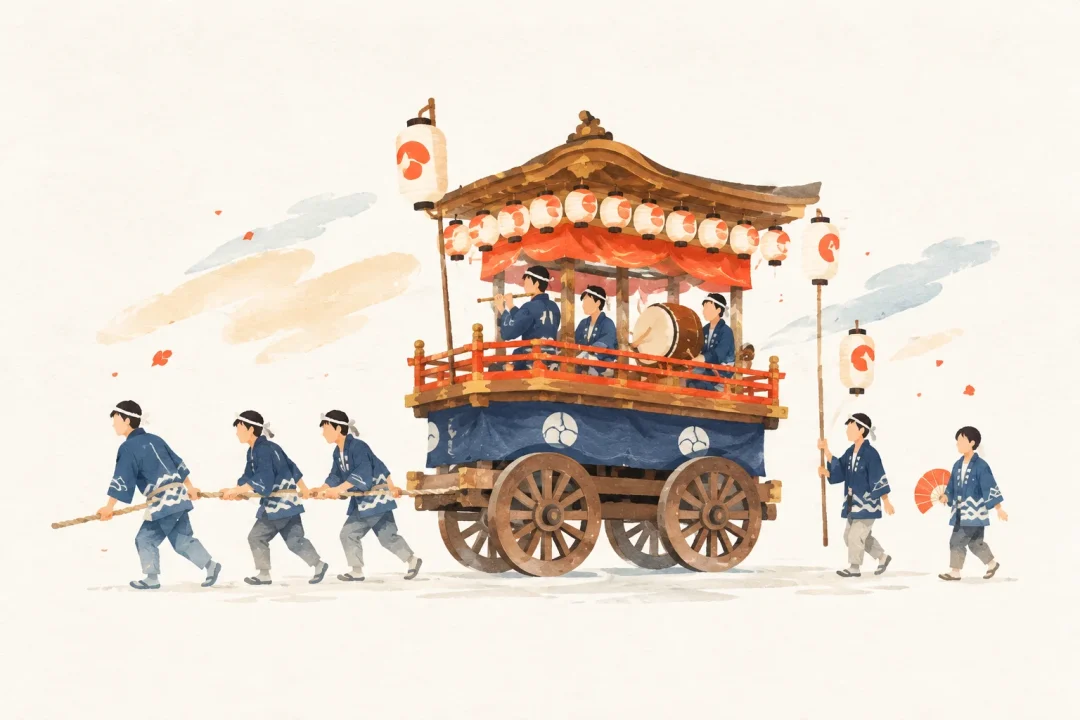
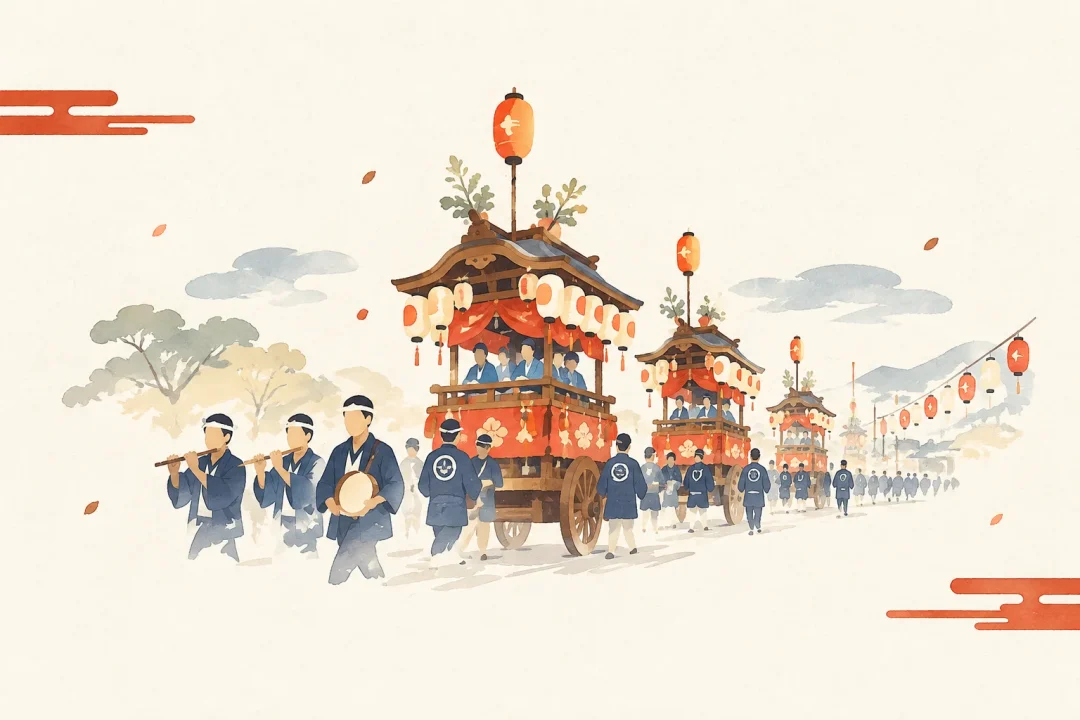
Two-wheeled floats gather from neighborhoods throughout the town, and the streets come alive with mikoshi processions, , and floats being pulled through town.
At night, the floats face one another in the “neri.” The festival continues as a celebration of the town through the final day’s “Maiko-gaeshi.”
Source: 森の祭り - Wikipedia / 祭・イベント詳細: 森のまつり|(一財)都市農山漁村交流活性化機構(まちむら交流きこう)
Festival highlights
Highlights include the distinctive two-wheeled floats of Enshu parading through town and the “neri,” where floats from several neighborhoods face one another.
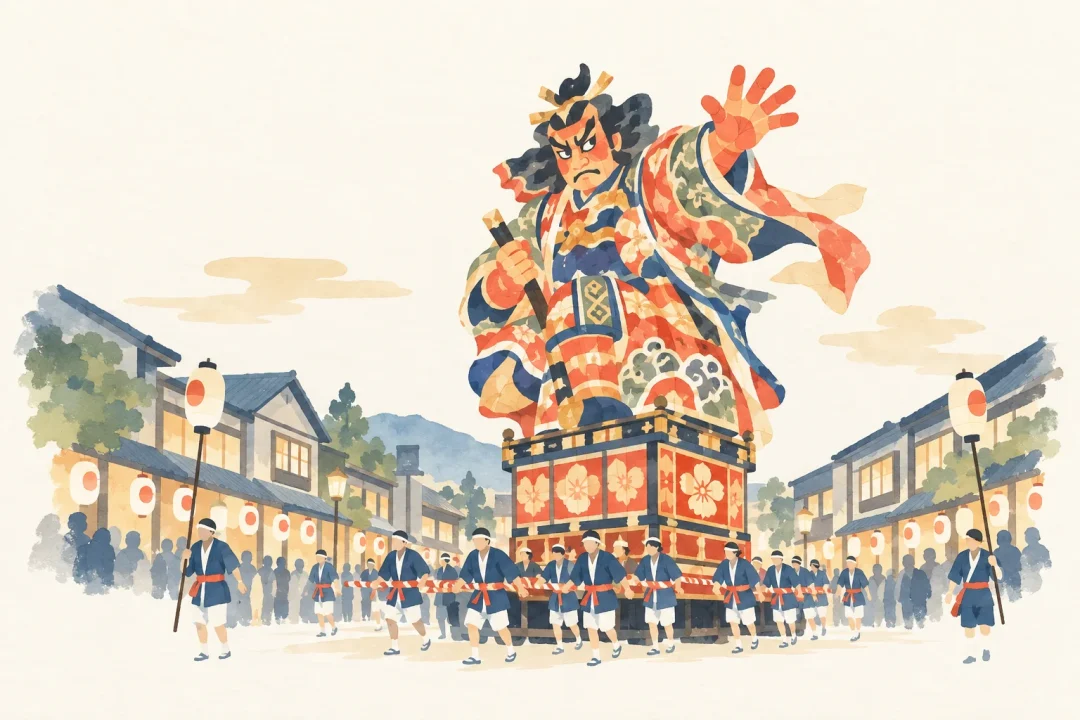
As the floats’ hand poles are brought to within a hair’s breadth of touching and participants raise their voices in a chant, the scene reveals both the festival’s raw energy and its discipline.
On the final day, during the Maiko-gaeshi, children who have performed are carried back to their neighborhoods on a float.
Source: 39 森の祭・かさんぼこ/静岡県森町
An autumn festival featuring two-wheeled floats parading through town, the neri, and the Maiko-gaeshi
What to expect
The festival begins with the gathering of the floats, an opening declaration, and the main festivals at each shrine. The floats accompany the mikoshi procession.
At night, the floats are pulled through the town center and take part in the neri. On the final day, events proceed with the mikoshi’s return, the Maiko-gaeshi, and the final neri.
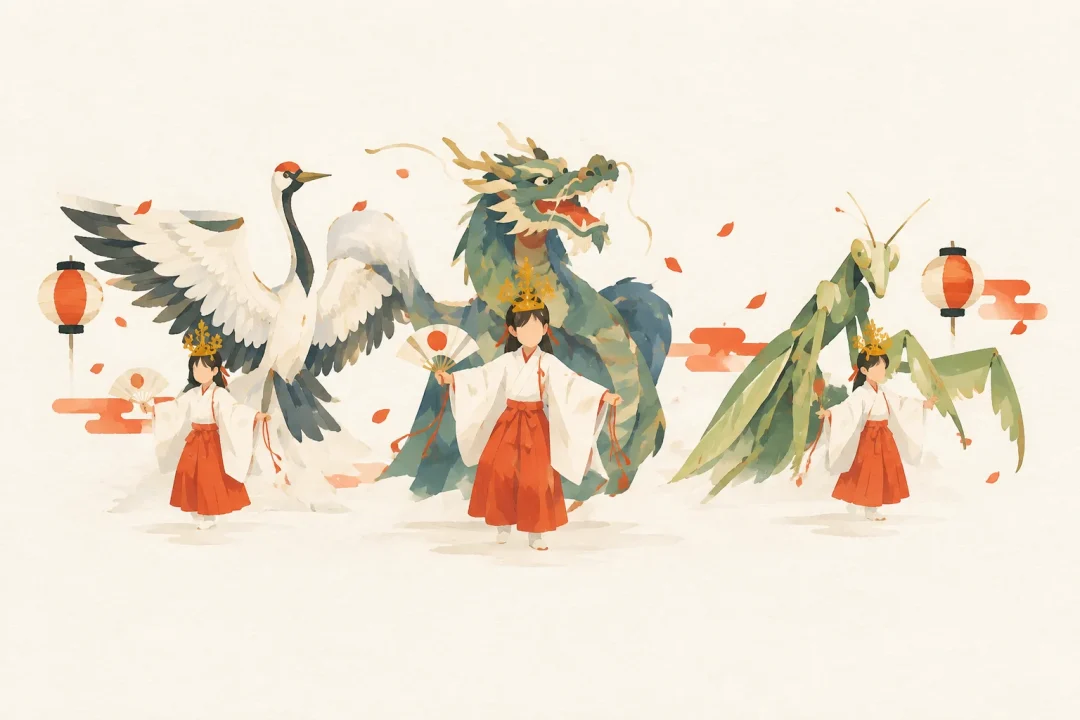
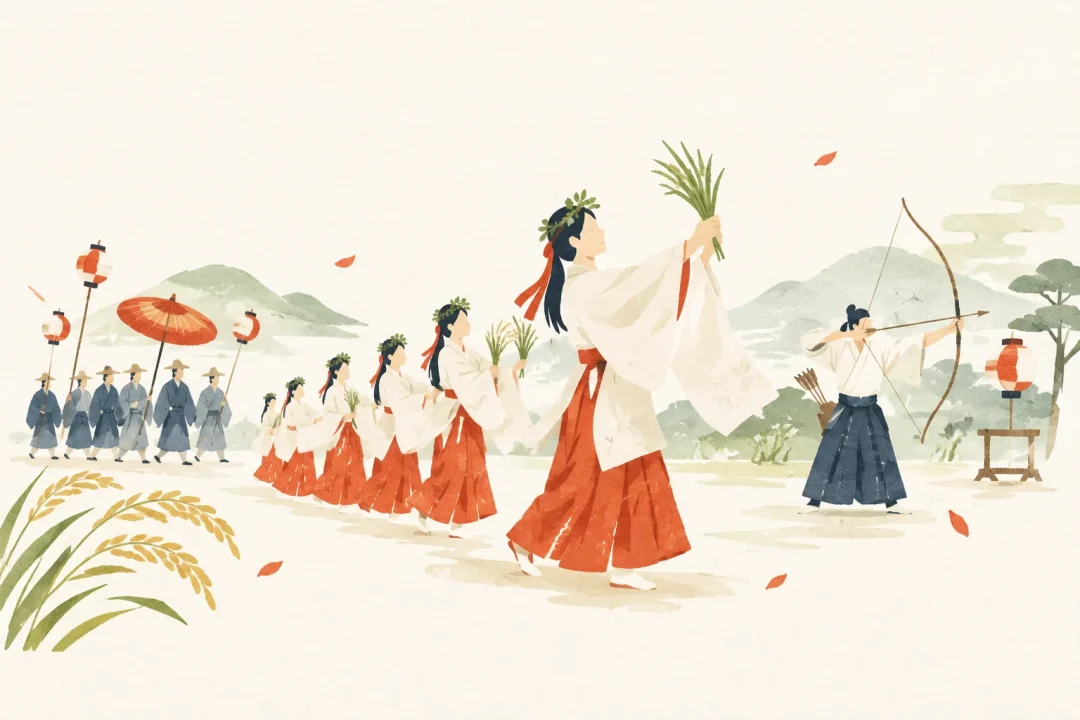
Maiko are chosen from each neighborhood and perform bugaku at Mishima Shrine.
How to take part
The dashi processions, reni, and bugaku performances offered in are events carried out by festival participants from each neighborhood and selected dance children.
General visitors can watch the dashi processions and night festival taking place around town.
No general participation requirements, such as pulling a dashi or joining the reni, have been announced.
Source: 森の祭り - 常磐会・公式ホームページ
Location and access
- Venue and address
The festival takes place at Mishima Shrine and other locations in central Mori Town.
- By car
20 minutes by car from the Tomei Expressway Fukuroi IC.
Event venue 静岡県森町 三島神社
This map uses the venue name. Check the official guide for the event area and entrances.
Dates and season
It is held for 3 days, from Friday to Sunday in the first week of November each year.
Day 1 centers on the gathering of the dashi and the night festival; Day 2 on the main festival and the mikoshi procession; and Day 3 on the mikoshi return procession and the return of the dance children.
Source: 四季のイベント / 静岡県森町 観光協会 遠州の小京都
Accommodation and hotels PR
Showing nearby accommodation.
Prices and availability are current at the time of retrieval. For multi-night stays, only the first night’s price is shown. Confirm the final price and directions to the venue with the booking provider. Select your dates again when using the area search link. Search area: within 3 km of Central Shizuoka Prefecture / Mori Town (the search is not centered on the festival venue)
Tips for your visit
The floats are pulled through the town center and narrow streets, and the neri takes place there as well.
The floats may draw close to one another, and participants may climb onto the hand poles, so be sure not to get too close to the route or the floats when watching.
Some events take place at night, so follow the directions of staff nearby and the on-site safety guidance.
Nearby attractions

小国神社
静岡県周智郡森町一宮にある神社
Origins and History of Mori Festival
It is unclear when the Mishima Shrine festival took on its current form, but two-wheeled floats are said to have existed at the time of the Bunkyū Great Brawl, and the festival is believed to date back to the mid-to-late Edo period.
The number of participating neighborhoods grew from the end of the Edo period through the Taisho period, with more neighborhoods joining after 1978.
The Maiko-gaeshi is said to have begun in 1924.
Official information
Information about the Mori Festival dates and events in town is available from the Mori Town Tourism Association.
The official page of the Ishimatsu-bayashi Preservation Society and Tokiwakai also features the floats, festival music, and events on each day.
Mori Festival at a Glance
The Mori Festival is an autumn celebration in which two-wheeled floats travel through Mori Town, accompanied by mikoshi processions, the neri, and bugaku performances.
Its major highlights are the neri, where floats face one another, and the Maiko-gaeshi, when maiko are carried back to their neighborhoods on a float.
It is usually held from Friday to Sunday of the first week of November.
Japanese Festivals.jp Editorial Team
Celebrating local culture and helping you discover a side of Japan you never knew.
Article updated: 2026/10/19
Submit information or a correction Submit photos of this festival