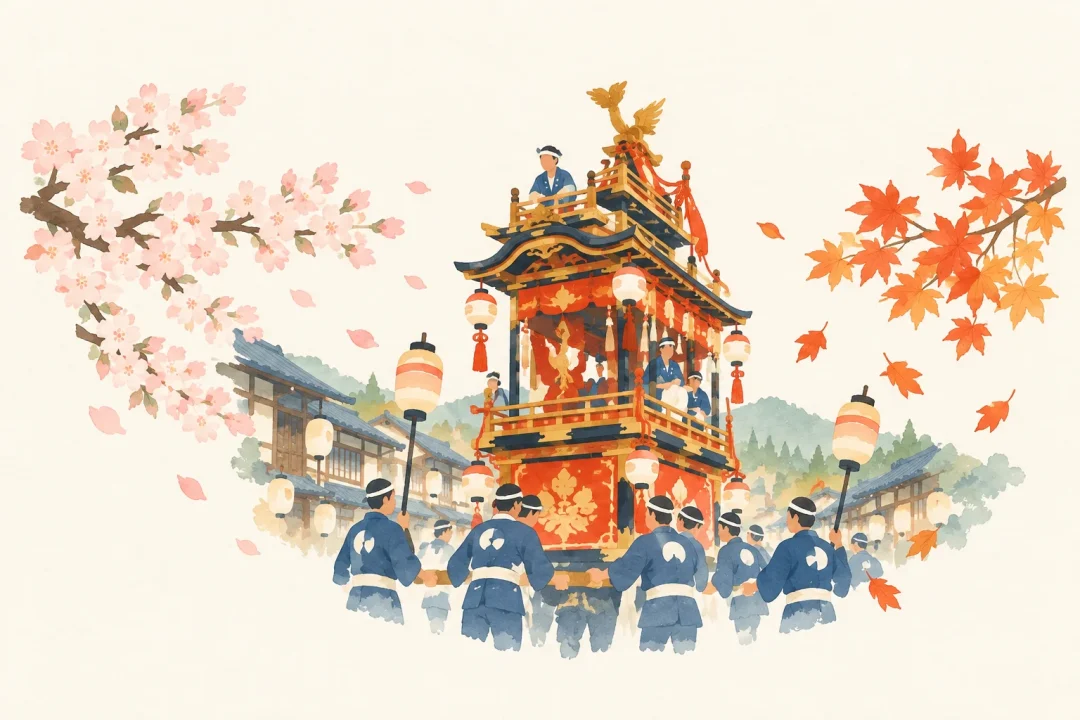
The Gion Festival is about more than dashi: Mikoshi and the prayers of the community that sustain a month-long festival
Look beyond the pageantry of the procession. Explore the Gion Festival as a festival of Yasaka Shrine.
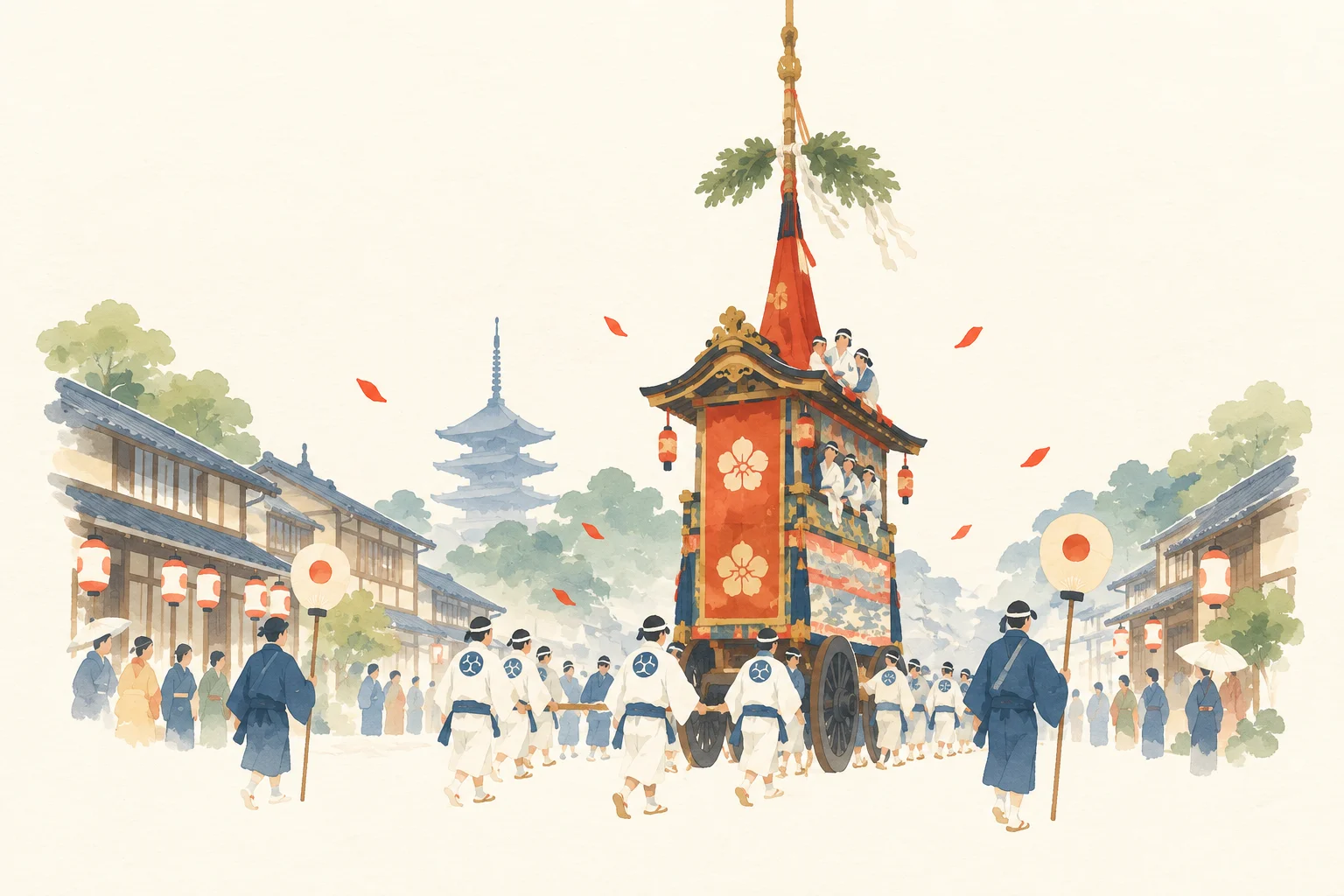
When people hear about Kyoto’s Gion Festival, many picture rolling on large wheels or the tsuji-mawashi corner-turning maneuver. However, the Gion Festival is not an event contained in just one scene. As a festival of Yasaka Shrine, various sacred rites take place throughout the month of July. Learning about the relationship between the dashi and , and the community that welcomes them, can make Kyoto in summer look different.
A wish to quell epidemics lies at its beginnings
Yasaka Shrine traces the origins of the Gion Festival to the Goryoe rites of Jogan 11 (869). The prayers to quell calamities amid the spread of epidemics offer a key to understanding the festival. Rather than focusing only on the elaborate decorations and crowds, consider the festival’s foundation as a rite praying for the community’s peace. (Yasaka Shrine: “History”)
Its present form was not all in place from the beginning. The shrine’s history also records an interruption caused by war and its subsequent revival. A festival that has continued for a long time is not simply something preserved without change; it is also a tradition that people of each era have worked to protect anew. As you walk through the community, you may want to look beyond the magnificent dashi to the preparations and work involved in passing them down. (Yasaka Shrine’s Gion Festival)
See the dashi procession and mikoshi procession separately
The dashi procession and the mikoshi procession are not two names for the same procession. According to Yasaka Shrine’s information, the Shinko-sai is held on July 17 and the Kanko-sai on the 24th; the mikoshi travel between the shrine and the . Even on a day when you go to see the dashi, knowing that mikoshi events are also taking place helps you understand the festival day in greater depth. (Yasaka Shrine: “Introduction to the Mikoshi and Dashi; Procession Map”)
| What to see | Things to look out for |
|---|---|
| Dashi | The decorative textiles and structure, the designs of each community, and the roles of those who move them |
| Mikoshi procession | The movement connecting the shrine, Otabisho, and community, and the rhythm of the bearers |
| Community preparations | How close the community is to the festival, as seen in its meeting halls, decorations, and use of the streets |
There is no need to compare which is authentic and which is an addition. Set aside time to admire the decorations, watch the procession, and quietly observe the sacred rites, and you can appreciate different facets of the same festival.
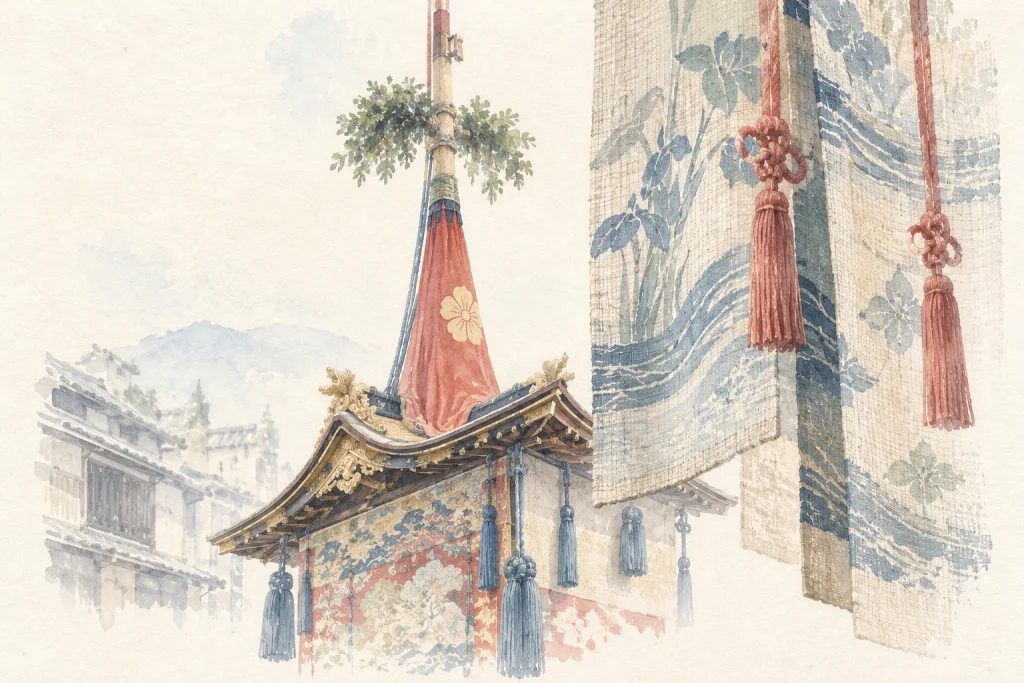
The Pre-Festival and Post-Festival are not days for seeing the same thing twice
The dashi taking part in the procession and the route differ between the Pre-Festival on July 17 and the Post-Festival on the 24th. If there is a particular dashi you want to see, first check its name and the day it takes part. If you assume that “going to Kyoto on a day of the Gion Festival means the dashi I want to see will be moving,” your dates may not line up. (Yasaka Shrine: “Introduction to the Mikoshi and Dashi; Procession Map”)
The experience differs on the day of the procession and during the preceding period, when you can see the dashi in the community. Do you want to feel the power of them in motion, or admire them at rest and notice their decorations? Choosing a single goal makes it easier to decide when to stay and when to explore the community. Please check each year’s and each dashi’s information for access and viewing conditions.
Walk with the awareness that you are a guest in the community
Festival streets are also places where people live and work. Even if a decoration catches your eye, don’t block building entrances or pedestrian routes. When a mikoshi or dashi approaches, follow the stewards’ directions rather than prioritizing your filming spot. At large festivals, this small consideration makes it easier for everyone to enjoy the event.
Rather than trying to follow everything in one day, focus on the design of one dashi or a single community, then learn about the sacred rites at another time. This way, your visit won’t be limited to collecting famous scenes amid the crowds. The Gion Festival is sustained by the connection between the community and its prayers over the course of a month.
Official sources consulted
- Yasaka Shrine’s Gion Festival
- Yasaka Shrine: “History”
- Yasaka Shrine: “Introduction to the Mikoshi and Dashi; Procession Map”
This article is based on publicly available information from official sources, local authorities, tourism associations, and others. Information checked: 2026/10/01. Please check the official information for the year you plan to visit for dates, venues, traffic restrictions, and participation requirements.
Festivals related to this article
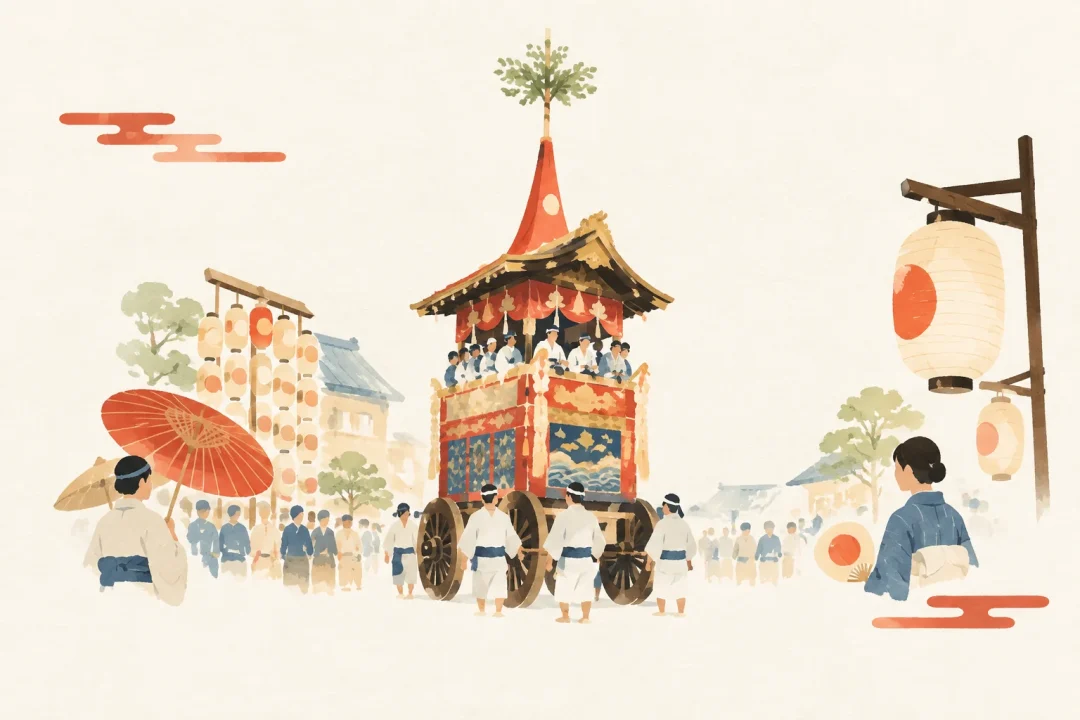
Gion Festival
A month of Kyoto summer brought to life by yamahoko floats and Gion music

Find one thing that catches your interest.
Find a little “first” beyond the familiar everyday. Why not start with a region or way of enjoying yourself that catches your interest, and see where it leads?
Find festivals