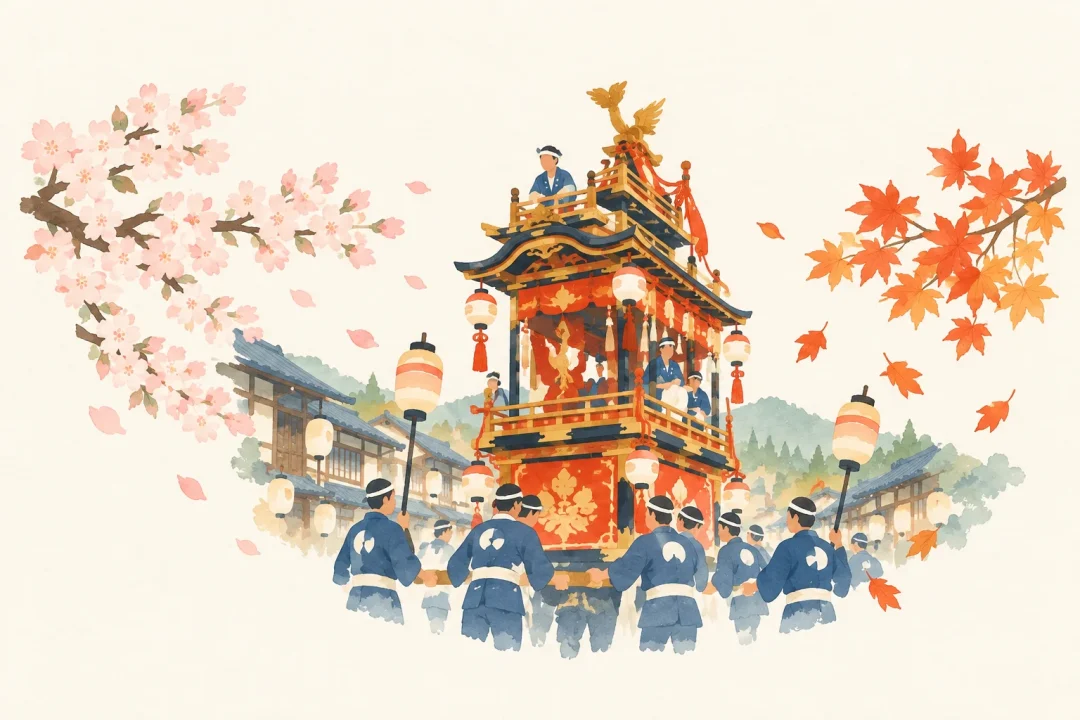
A Tanabata festival of castle-shaped lantern floats crossing Noshiro at night and shachi ornaments dancing down the river
Noshiro Yaku Tanabata

Festival information
EVENT INFORMATION- Season / frequency
- Every year on August 6 and 7 / Every year
- Location
- Noshiro city center, near the mouth of the Yoneshiro River
- Area
- Akita Prefecture・Noshiro City(From Tokyo: approx. 3 h 40 min–4 h 10 min · bullet train)Prefecture-level estimate to a main station or airport, not the venue. Airport access, check-in and onward travel are extra; remote areas and islands can take much longer.
- Features
- Highlights and activities
- Last updated
- 2026/10/19
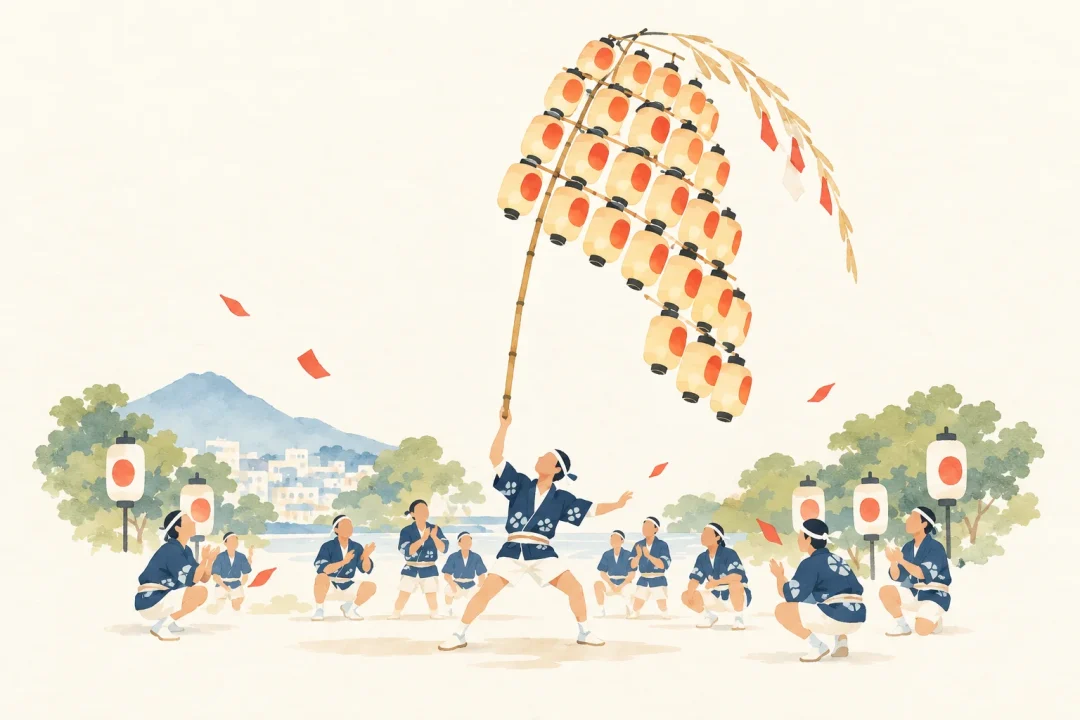
Noshiro Yaku is a traditional event in which castle-shaped Tanabata lantern floats are pulled through central Noshiro, with shachi ornaments sent down the Yoneshiro River the following day. The lantern floats proceed behind lanterns, flutes, and drums, lighting up the town at night. The event is based on the five-town association’s rotating annual system, with each town’s “waka” responsible for the procession.
About Noshiro Yaku Tanabata
Photo credits and terms of use
Photographer: 掬茶 File:Yakutanabata 2018 at Yanagimachi, Noshiro 002.jpg / Wikimedia Commons / CC BY-SA 4.0 Own work by the contributorDisplay size only adjusted.May differ from the event currently featured.Photo credits and terms of use
Photographer: 掬茶 File:Shachi-nagashi burning 002.jpg / Wikimedia Commons / CC BY-SA 4.0 Own work by the contributorDisplay size only adjusted.May differ from the event currently featured.Photo credits and terms of use
Photographer: 掬茶 File:Noshiro Yakutanabata-shachi nagashi 003.jpg / Wikimedia Commons / CC BY-SA 4.0 Own work by the contributorDisplay size only adjusted.May differ from the event currently featured.Noshiro Yaku Tanabata is an event in which castle-shaped Tanabata lantern floats are pulled through central Noshiro, with shachi ornaments sent down the Yoneshiro River the following day.
The festival has continued since the Edo period, based on the five-town association’s rotating annual system. The lead and supporting towns of the group on duty are responsible for the lantern procession.
Shachi ornaments sit atop the lantern floats and can be lowered during the procession to clear power lines.
The event also features dengaku lanterns, flutes, and drums, while the town’s organizations and customs are carefully passed down.
Festival highlights
Highlights include the sight of castle-shaped lantern floats against the night sky and their powerful procession through town.
On the first day, dengaku lanterns lead the way, followed by drums, flutes, and the people pulling the floats as they make their way through the city center.
On the second day, shachi ornaments removed from the lantern floats are taken to the Yoneshiro River, set alight, and sent downstream in the Shachi Nagashi.
A distinctive feature of the festival is the moment when a lantern’s shachi ornament is lowered so it can pass beneath power lines.
A Tanabata festival of castle-shaped lantern floats crossing Noshiro at night and shachi ornaments dancing down the river
What to expect
The event begins with prayers for the lantern procession, the opening of the meeting place, and requests for cooperation from the towns involved.
On the first day, after each town’s lantern float makes its own circuit, the floats gather and proceed together through the city center in the grand procession.
In the evening, festival chants are raised and drums are played, and the lantern floats make another circuit through town.
On the second day, the floats run without their shachi ornaments, and Shachi Nagashi takes place at the Yoneshiro River from dusk.
Location and access
- Venue and address
The event takes place in central Noshiro and near the mouth of the Yoneshiro River.
It does not have a single address; the venue area includes the parade through the city center and the shachi-floating event on the Yoneshiro River.
- Train and bus
Noshiro Station on the Gono Line is available for access.
From Tokyo Station, transfer between the Akita Shinkansen, Ou Main Line, and Gono Line; the journey takes about 5 hours.
From Akita Airport, take a limousine bus to Akita Station, then travel to Noshiro Station by JR train or highway bus.
- By car
Routes toward Noshiro are indicated from Noshiro-minami IC, Noshiro-higashi IC, Futatsui-Shirakami IC, and other interchanges on the Nihonkai Tohoku Expressway.
Source: アクセス | 秋田県能代市の伝統文化
Event venue 秋田県能代市 能代市街地
This map uses the venue name. Check the official guide for the event area and entrances.
Dates and season
Noshiro Yaku Tanabata is held every year on August 6 and 7.
On the first day, the lanterns are pulled through the streets. On the second day, after the lanterns—with their shachi removed—are paraded, the shachi are floated down the Yoneshiro River.
Related events, such as the opening of the festival meeting places and prayers, begin before the main festival.
Accommodation and hotels PR
Showing nearby accommodation.
Prices and availability are current at the time of retrieval. For multi-night stays, only the first night’s price is shown. Confirm the final price and directions to the venue with the booking provider. Select your dates again when using the area search link. Search area: within 3 km of Central Akita Prefecture / Noshiro City (the search is not centered on the festival venue)
Tips for your visit
The parade moves through the city, and the lantern locations and route change depending on the day, so you may not be able to watch from the same spot throughout.
The shachi-floating event takes place on the Yoneshiro River and involves fire, so please follow staff directions and observe restricted areas while there.
The shachi are sometimes lowered to pass beneath low-hanging power lines, so it is important to keep a safe distance from the lanterns along the parade route.
Nearby attractions
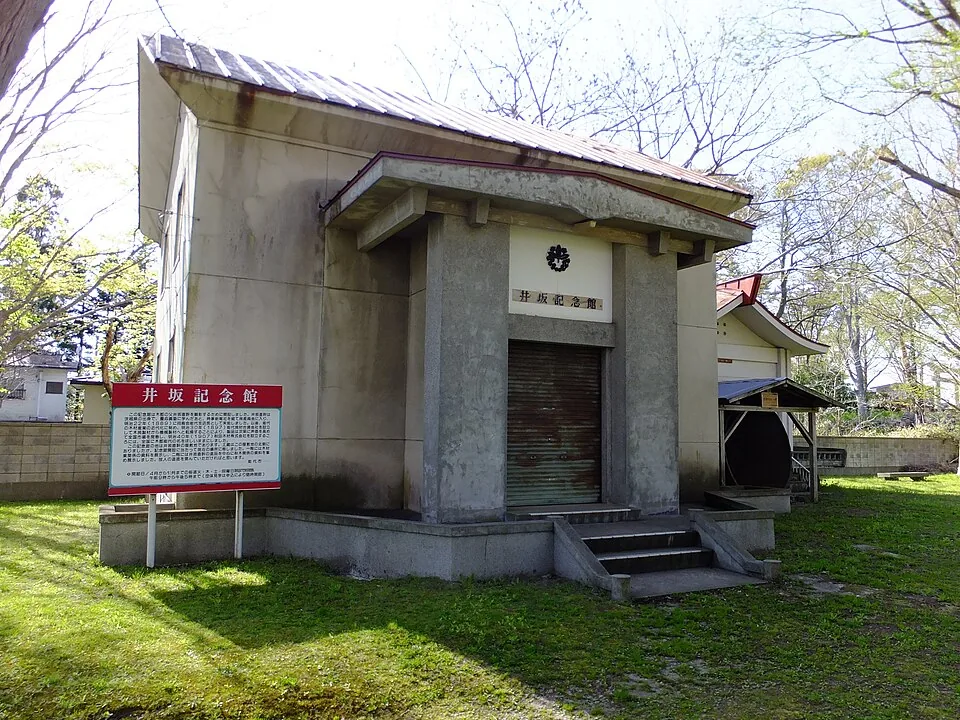
井坂記念館
秋田県の博物館・美術館のスポットです。
写真:掬茶 / CC BY-SA 4.0(resized and reformatted)
Photo source ·
能代市子ども館
秋田県能代市にある教育施設
写真:掬茶 / CC BY-SA 4.0(resized and reformatted)
Photo source ·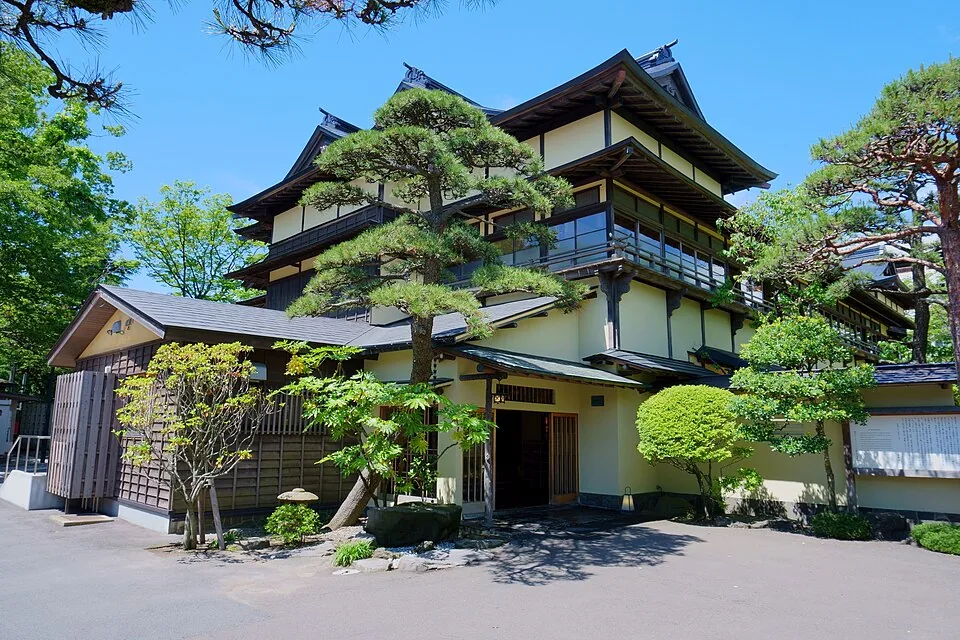
金勇
秋田県能代市にある観光交流施設
写真:掬茶 / CC BY-SA 4.0(resized and reformatted)
Photo source ·Origins and History of Noshiro Yaku Tanabata
Noshiro’s Tanabata festival has been organized since the Edo period by the townspeople’s groups of the five-town association, on a rotating annual basis.
A record from 1741 describes children carrying lanterns and making their way through town to the accompaniment of drums, flutes, and gongs.
The lantern floats later grew larger. During the Tenpo era, castle-shaped floats modeled on Nagoya Castle were made, and by the late Meiji period, the form that led to today’s had become the norm.
After being suspended during wartime, the festival resumed in 1946. In 2013, following the undergrounding of power lines, large lantern floats were also recreated.
Source: 能代の七夕行事 | 秋田県能代市の伝統文化
Official information
Noshiro City’s tourism information and official and local cultural websites introducing the city’s traditional culture provide information on the origins and progression of Noshiro Yaku Tanabata.
Noshiro Yaku Tanabata at a Glance
Noshiro Yaku Tanabata is a Tanabata festival in which castle-shaped lantern floats are pulled through central Noshiro, rooted in the five-town association’s rotating annual system.
On the first day, the floats proceed accompanied by dengaku lanterns, flutes, and drums. On the second day, the shachi ornaments are taken to the Yoneshiro River and set alight before being sent downstream in the Shachi Nagashi.
The festival brings together the town organizations and customs passed down since the Edo period, the lanterns’ distinctive designs, and the concluding ritual of sending them off down the river.
Japanese Festivals.jp Editorial Team
Celebrating local culture and helping you discover a side of Japan you never knew.
Article updated: 2026/10/19
Submit information or a correction Submit photos of this festival