What makes the Akita Kanto Festival interesting to watch? Discover the glowing rice ears and five techniques
Before counting the lanterns, look at where the pole is supported and how the bamboo bends.
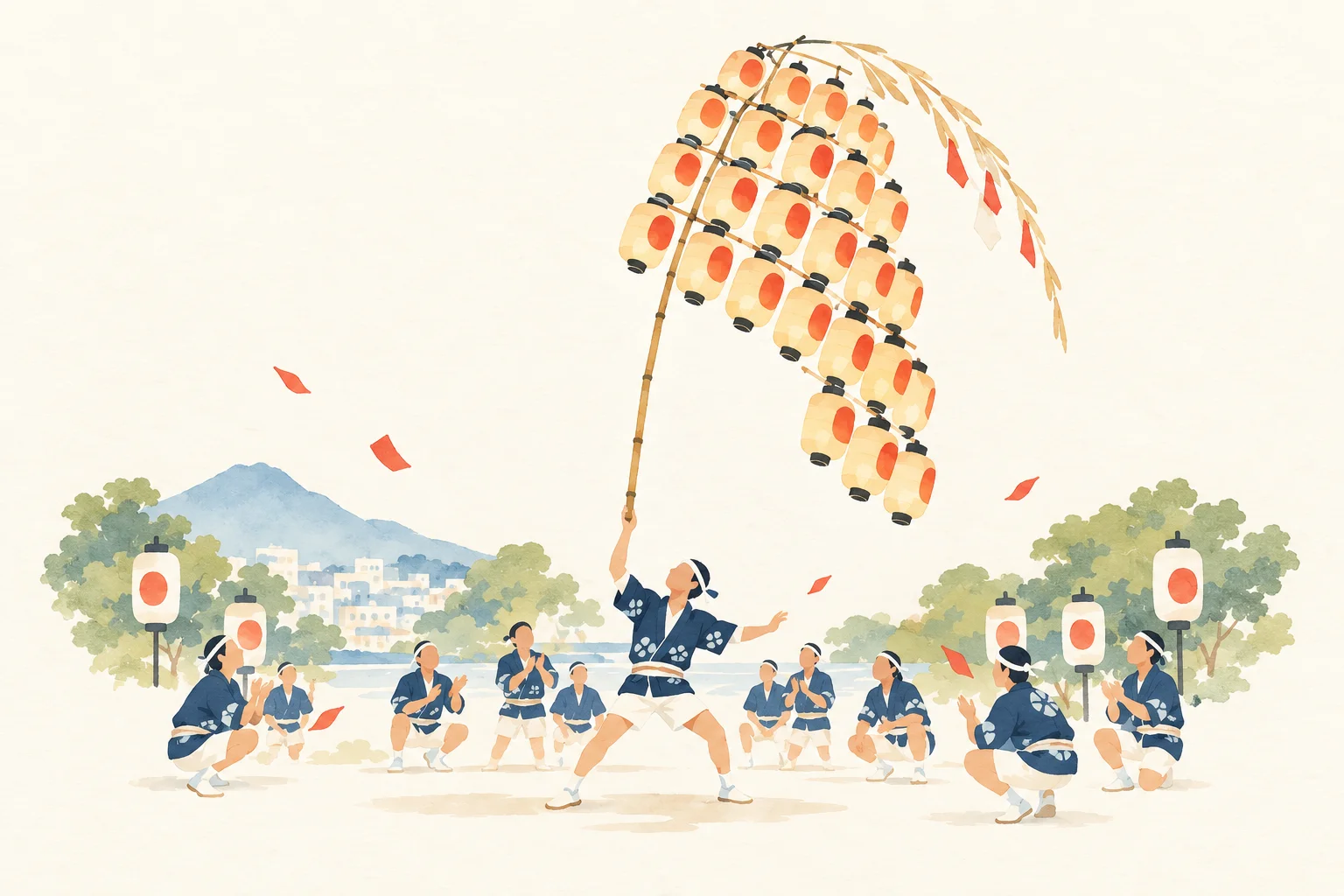
As you watch the lanterns rise high, the Akita Kanto Festival may look like a festival of rows of great lights. Below, however, the performer shifts the point of support and adjusts their posture in response to the bamboo’s swaying. The scene as a whole, and one person’s technique. Moving between those two perspectives helps first-time visitors discover what makes the festival worth watching.
See the rice ears in the shape of the lights
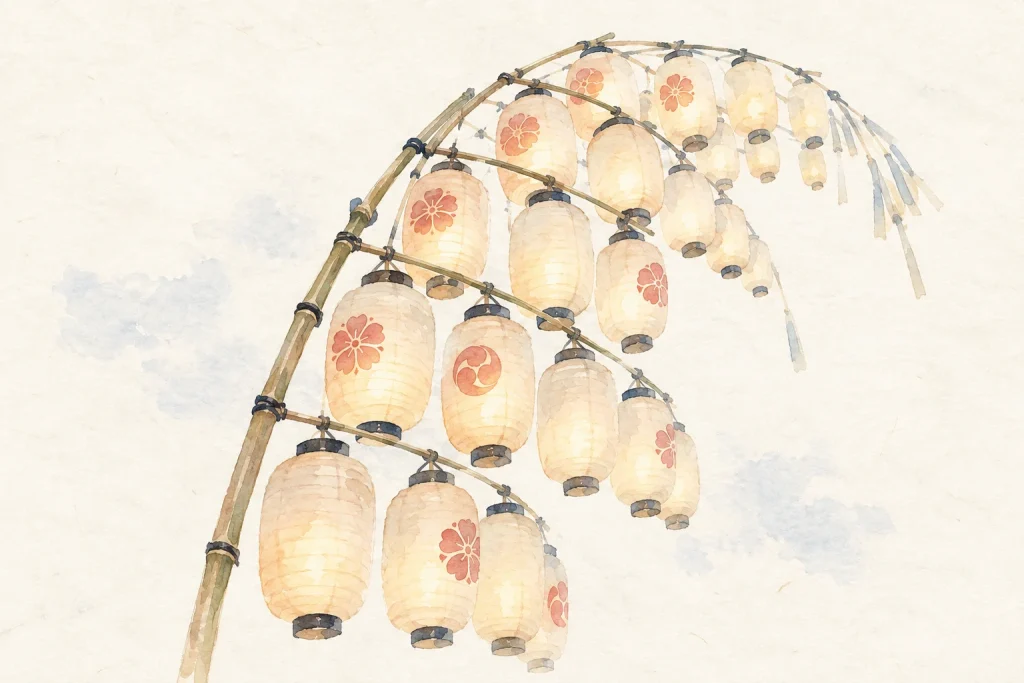
The official explanation says that Kanto developed against the background of customs such as Nemuri Nagashi. The shape formed by rows of lanterns and bending bamboo calls to mind rice ears heavy with grain. Look beyond the brightness and notice the outline, like ears bowing their heads; the lights then begin to feel connected to local life. (Akita Kanto Festival official “About the Kanto Festival”)
Photos tend to draw attention to the upper part of a Kanto lantern, but when you are there, broaden your view to include the area around its base. The person supporting the bamboo pole, those standing by nearby, and the surrounding festival musicians share the same space. Rather than viewing it as a solo performance by one performer, pay attention to those who share the roles to see how a group keeps the festival going.
Different sizes offer different ways of seeing
Kanto lanterns come in four sizes: Owaka, Nakawaka, Kowaka, and Oiwaka. The official standard for an Owaka is 12 meters long, weighs 50 kilograms, and has 46 lanterns. Rather than looking only for the largest Kanto lanterns, watching performances with different sizes can also offer a glimpse of how the techniques are passed on. (Akita Kanto Festival official “About the Kanto Festival”)
When comparing sizes, it is important not to judge them solely by weight. There are many things to enjoy as a spectator, such as watching performers steady their posture in time with the swaying bamboo or the pause before they move on to the next action. Try shifting your perspective: take in the overall arc from a distance, then watch the changes in the support point from a nearby viewing spot.
The five techniques, seen through the changing support points
The official FAQ describes five techniques: nagashi, hirate, hitai, kata, and koshi. For your first visit, there’s no need to memorize all the names; simply following where the pole is supported at each moment is enough. In particular, watching the performer shift support from their hands to another part of the body conveys a different kind of tension from simply photographing the finished pose. (Akita Kanto Festival official FAQ)
- From a distance, watch the height and bend of the Kanto lantern as a whole.
- Choose a single Kanto lantern and follow how its support point changes.
- Pay attention to the people around the performer who help prepare for the next movement.
- Set aside a specific amount of time for photography, and take in the sounds and movements with your own eyes.
The daytime skill competition and the nighttime main event offer different pleasures
The Kanto Waza Competition has divisions for groups, individuals, and festival musicians, among others, and the official website publishes the results. The daytime event is an introduction for those who want to follow the techniques, while the nighttime event is an introduction for those who want to enjoy a scene filled with lights. If you plan to watch the competition, check the venue, events, and schedule for that year. (Akita Kanto Festival official “Skill Competition Winners”)
If you want to see both the daytime and nighttime events, it helps to plan so the time in between isn’t just a wait. Make time for a meal, sorting your belongings, and a rest, then decide when to head back to the venue. Staying longer doesn’t necessarily make viewing easier, so choose how long to continue watching based on your companions’ stamina and your journey home.
Restrictions on viewing areas and instructions from event staff on the day take priority over getting the right photo composition. A Kanto lantern does not remain still in the same position throughout. Watching from a safe distance within the designated area is also essential to enjoying the techniques. If you can recall one performer’s hands after seeing a sea of lights, you’ll have gained a deeper appreciation of Kanto.
Official sources consulted
- Akita Kanto Festival official “About the Kanto Festival”
- Akita Kanto Festival official FAQ
- Akita Kanto Festival official “Skill Competition Winners”
This article is based on publicly available information from official sources, local governments, tourism associations, and others. Information checked: 2026/10/01. Please check the official information for the year of your visit for dates, venues, traffic restrictions, and participation requirements.
Festivals related to this article
Akita Kanto Festival
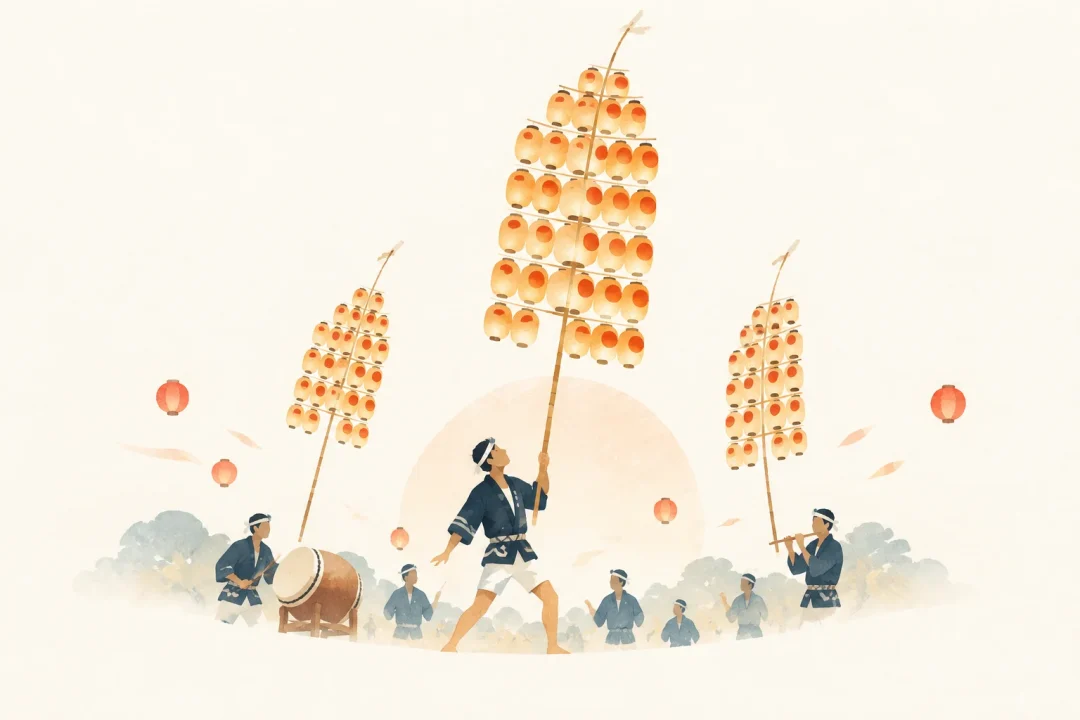
A festival that raises the light of rice ears into the night sky and carries on Akita’s wishes

Find one thing that catches your interest.
Find a little “first” beyond the familiar everyday. Why not start with a region or way of enjoying yourself that catches your interest, and see where it leads?
Find festivals