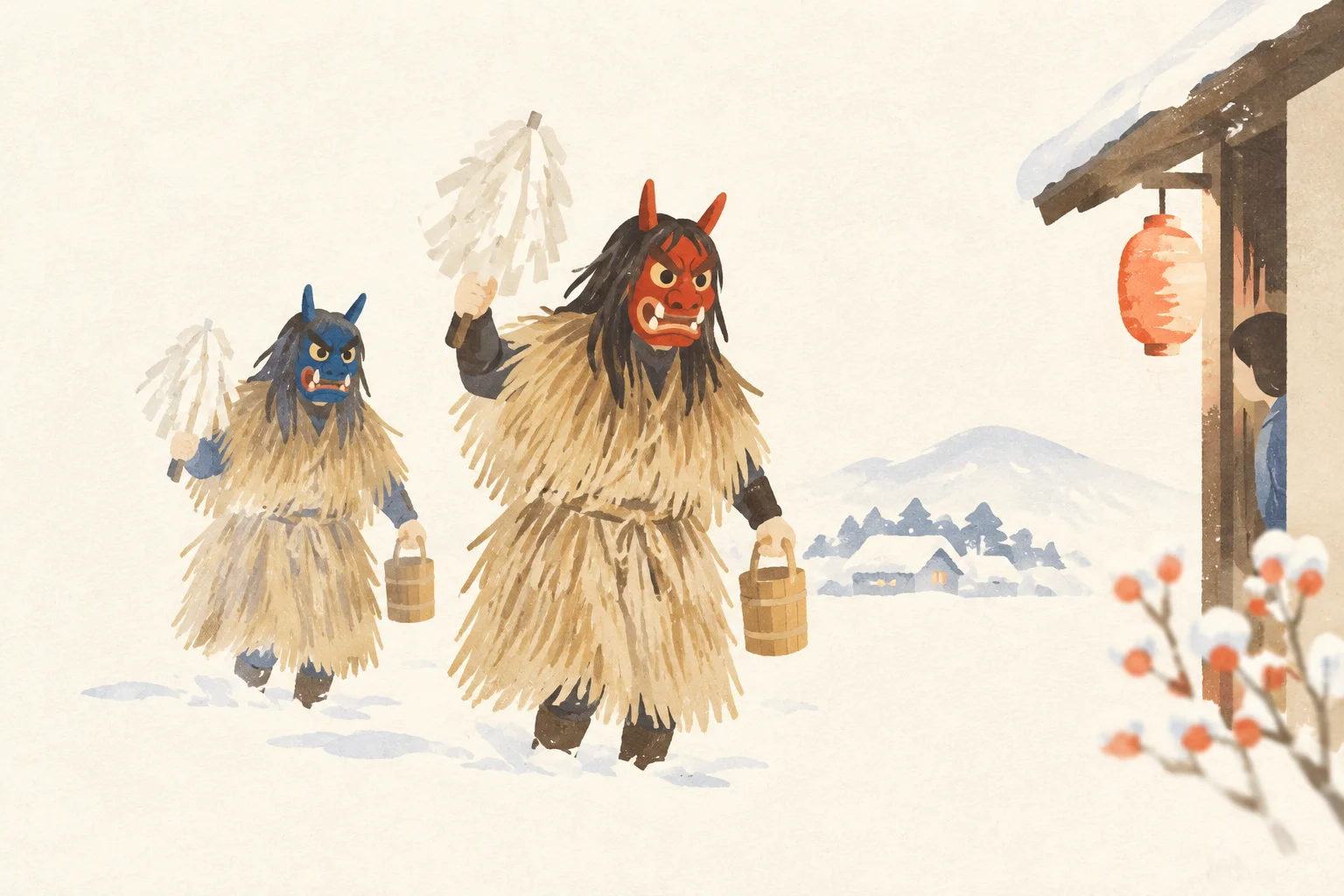
Oga’s New Year’s Eve visiting deities, embodied in masks and kede
Oga’s Namahage
Festival information
EVENT INFORMATION- Season / frequency
- Every year on December 31 (New Year’s Eve) / Every year
- Area
- Akita Prefecture・Oga City(From Tokyo: approx. 3 h 40 min–4 h 10 min · bullet train)Prefecture-level estimate to a main station or airport, not the venue. Airport access, check-in and onward travel are extra; remote areas and islands can take much longer.
- Features
- Highlights and activities
- Wishes behind the festival
- Last updated
- 2026/10/19
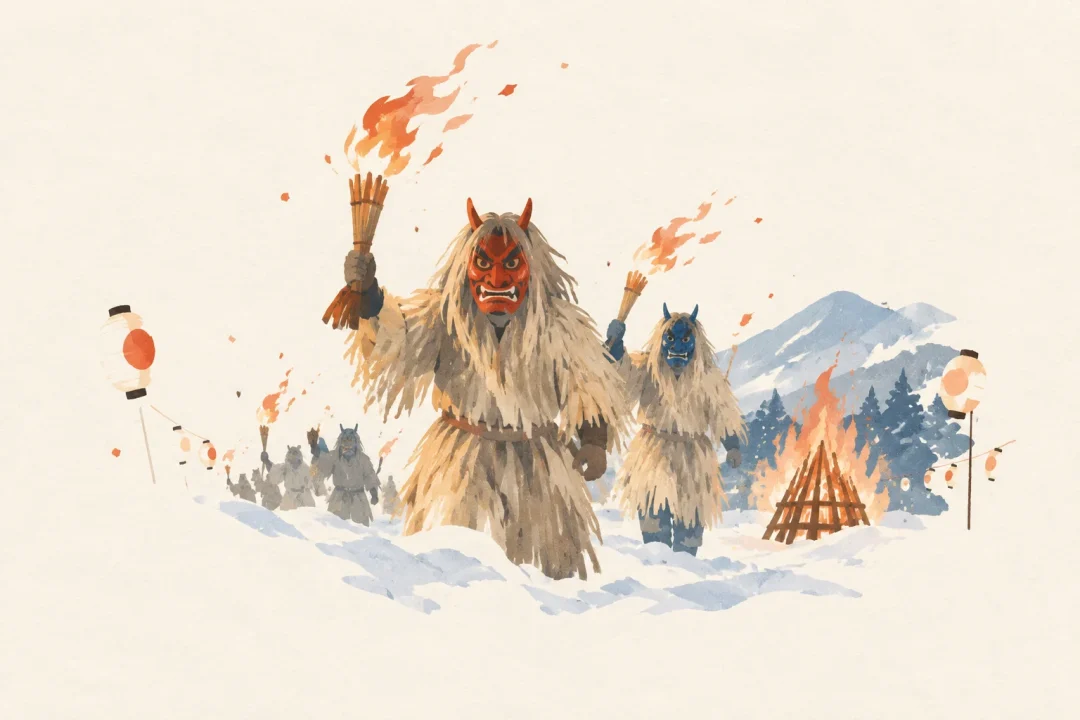
On New Year’s Eve, Namahage wearing masks and kede visit homes in Oga City. The visiting deities making their rounds offer a glimpse of a year-end custom passed down in the community.
About Oga’s Namahage
Oga’s Namahage is an annual visiting-de deity observance passed down in Oga City, Akita Prefecture.
Young people from the communities wear masks and kede as they visit homes, interacting with people through dignified gestures.
It is regarded as an observance in which deities visit at the turning point of the year and bestow blessings. Today, it takes place on New Year’s Eve in approximately 85 neighborhoods in Oga City.
Source: 国指定文化財等データベース / なまはげ柴灯まつりについて|なまはげ柴灯まつり
Festival highlights
Highlights include the distinctive sight of Namahage wearing masks and kede as they visit homes, and their dignified gestures.
The sight of Namahage making their rounds through the area while shouting admonitions reflects Oga’s custom of welcoming visiting deities.
Families prepare food and sake and treat the Namahage with great hospitality.
Oga’s New Year’s Eve visiting deities, embodied in masks and kede
What to expect
On New Year’s Eve, young men from the communities dress as Namahage and visit homes in the area.
Families welcome the Namahage, preparing food and sake as they listen to their admonitions.
Customs and details vary between communities, but the practice of young people visiting homes wearing masks and kede is common to all.
Location and access
- Address
Oga City
Host municipality 秋田県男鹿市
This map shows the surrounding area, not the exact venue location.
Dates and season
- Season
Every year on December 31 (New Year’s Eve)
- Frequency
Every year
Accommodation and hotels PR
Showing nearby accommodation.
Prices and availability are current at the time of retrieval. For multi-night stays, only the first night’s price is shown. Confirm the final price and directions to the venue with the booking provider. Select your dates again when using the area search link. Search area: within 3 km of Central Akita Prefecture / Oga City (the search is not centered on the festival venue)
Nearby attractions
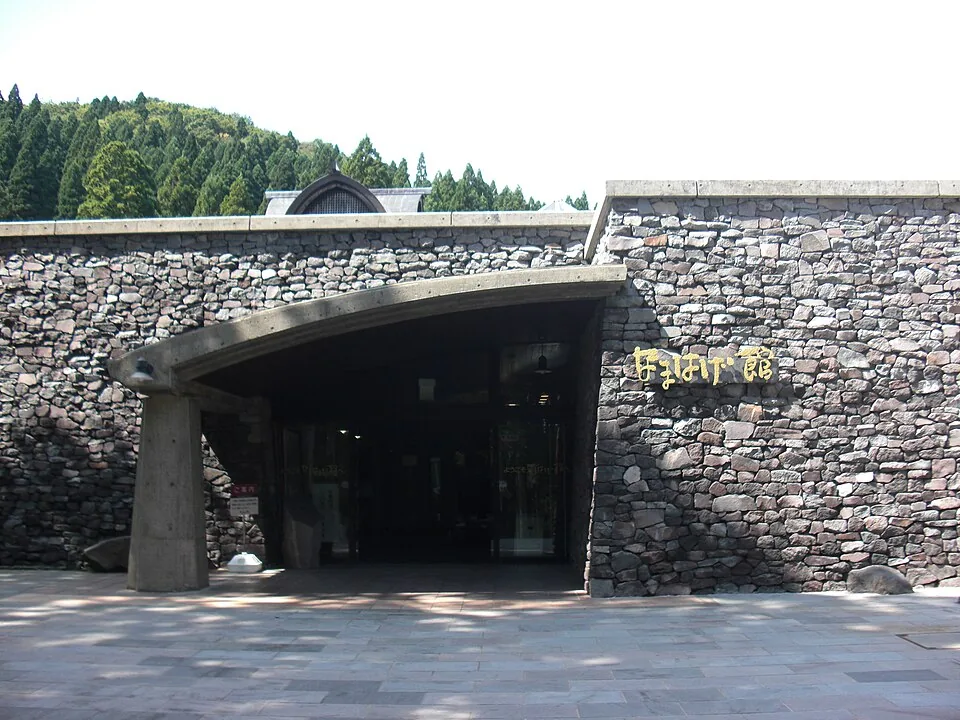
なまはげ館
秋田県男鹿市にある資料館
写真:Kumpei Shiraishi / CC BY 4.0(resized and reformatted)
Photo source ·
男鹿市若美ふるさと資料館
秋田県の博物館・美術館のスポットです。
写真:掬茶 / CC BY-SA 4.0(resized and reformatted)
Photo source ·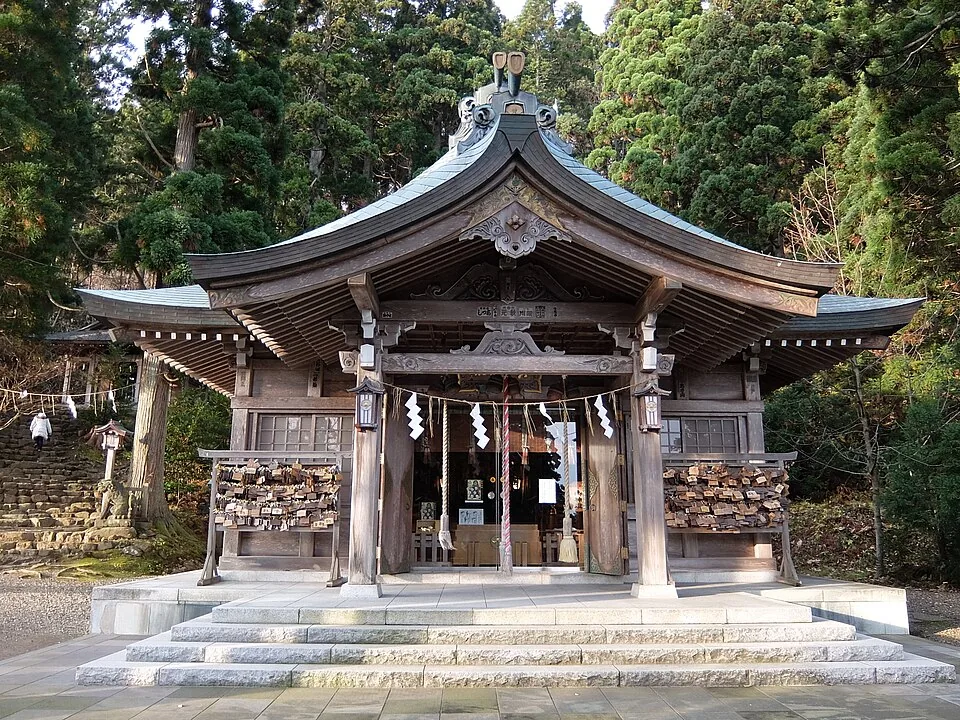
Mayama Shrine
秋田県男鹿市にある神社
写真:らんで / CC BY-SA 4.0(resized and reformatted)
Photo source ·
秋田県立男鹿水族館
秋田県男鹿市にある水族館
写真:掬茶 / CC BY-SA 4.0(resized and reformatted)
Photo source ·Origins and History of Oga’s Namahage
Oga’s Namahage is a visiting-deity observance that was held during the Little New Year until the 20s of the Showa era.
After that, the practice of holding it on New Year’s Eve on December 31, as it is today, spread throughout Oga City.
In 1978, it was designated a National Important Intangible Folk Cultural Property as “Oga no Namahage,” and in 2018 it was inscribed on UNESCO’s Intangible Cultural Heritage list.
Official information
For basic information about its cultural-property status, see the Agency for Cultural Affairs’ “Database of Nationally Designated Cultural Properties.”
The Oga tourism website Oga Navi provides information about the observance and how it is passed down in the community.
Oga’s Namahage at a Glance
Oga’s Namahage is a visiting-deity observance passed down in communities throughout Oga City.
On New Year’s Eve, young people wearing masks and kede visit homes to convey admonitions and blessings.
It continued over time as its date shifted from the Little New Year to New Year’s Eve, and it is designated a National Important Intangible Folk Cultural Property and inscribed on UNESCO’s Intangible Cultural Heritage list.
Japanese Festivals.jp Editorial Team
Celebrating local culture and helping you discover a side of Japan you never knew.
Article updated: 2026/10/19
Submit information or a correction Submit photos of this festival