Gion music echoes through Kakegawa as the sacred procession is passed down
Nakamura Yasaka Shrine Gion Festival
Festival information
EVENT INFORMATION- Season / frequency
- The first Saturday and Sunday of October
- Location
- Nakamura Yasaka Shrine
- Area
- Shizuoka Prefecture・Kakegawa City(From Tokyo: approx. 1 h–1 h 30 min · bullet train)Prefecture-level estimate to a main station or airport, not the venue. Airport access, check-in and onward travel are extra; remote areas and islands can take much longer.
- Features
- Highlights and activities
- Wishes behind the festival
- Participation / viewing
- Spectators welcome
- Last updated
- 2026/10/19
A Gion Festival passed down at Nakamura Yasaka Shrine in Naka, Kakegawa City. The festival features a variety of local traditions, including , , Gion music, , and horseback archery.
About Nakamura Yasaka Shrine Gion Festival
The Nakamura Yasaka Shrine Gion Festival is the annual festival of Nakamura Yasaka Shrine, located in Naka, Kakegawa City.
It is said to have been established in Ōtoku 2 (1086), and has long been cherished as “Nakamura’s Otenno-sama.”
As a festival that passes down the Gion Festival of Kyoto’s Yasaka Shrine, its sacred rites, Gion music, and sacred processions are carried on.
The Gion music and festival events are designated Intangible Folk Cultural Properties of Shizuoka Prefecture.
Source: 八坂神社祇園祭の紹介 - 観光サイト
Festival highlights
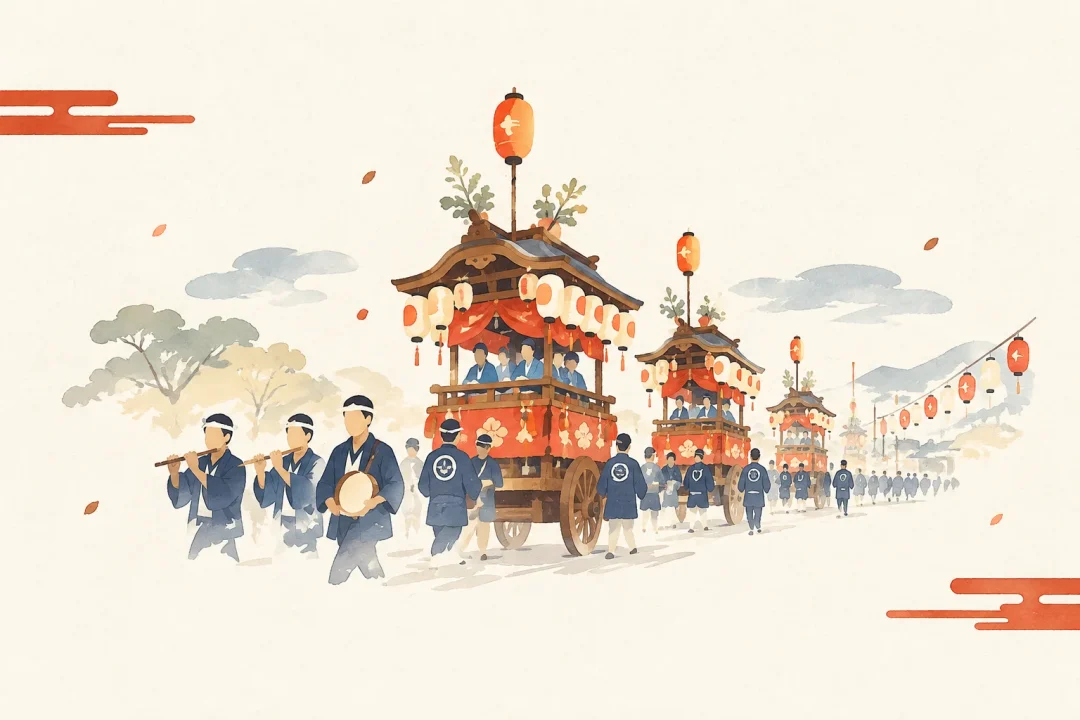
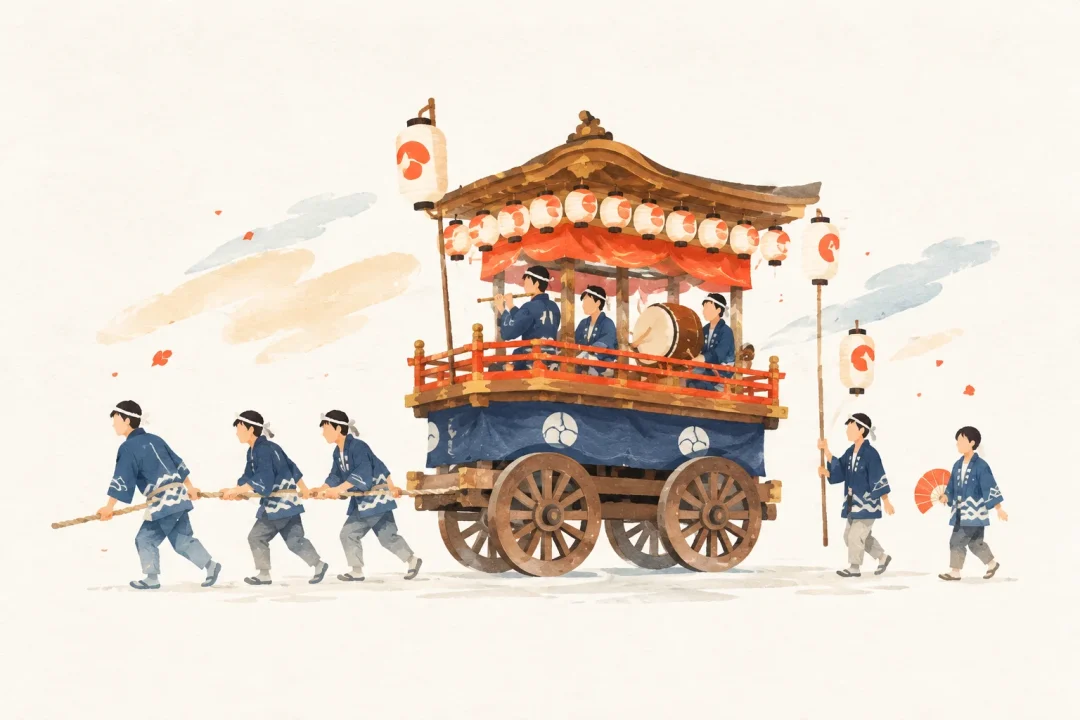
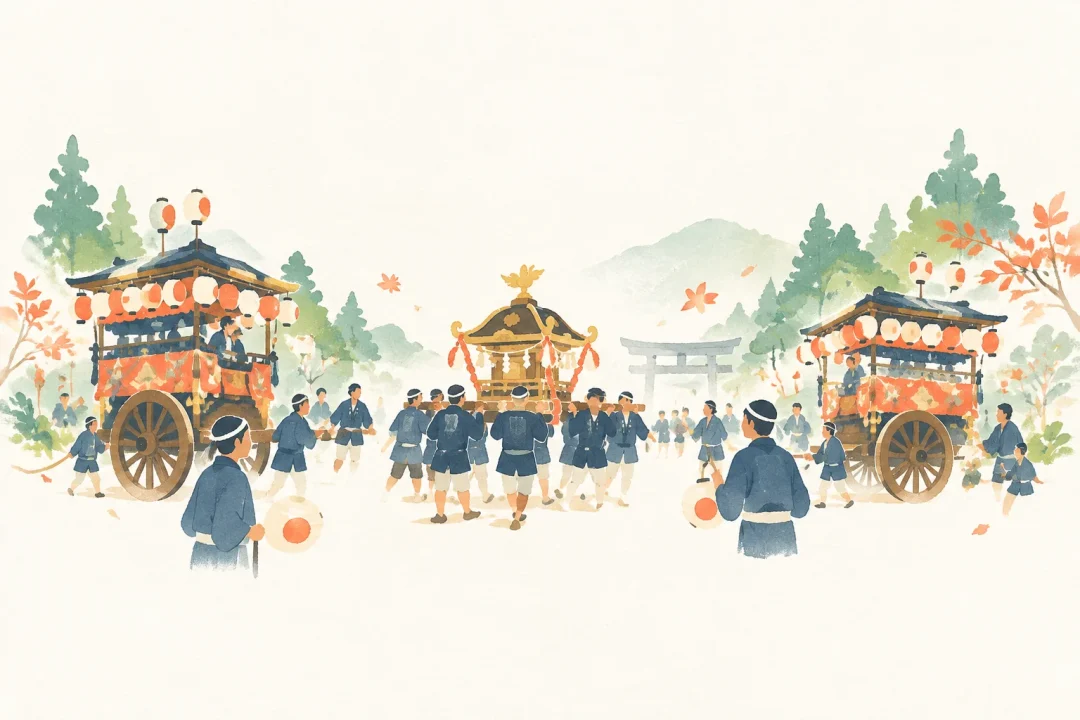
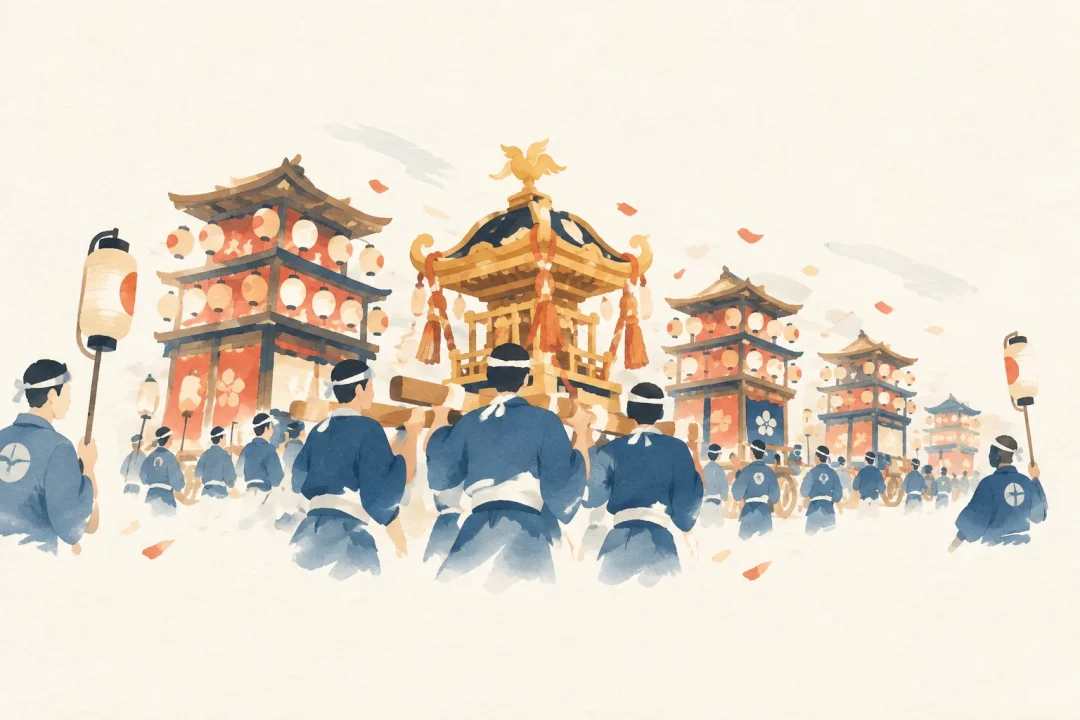
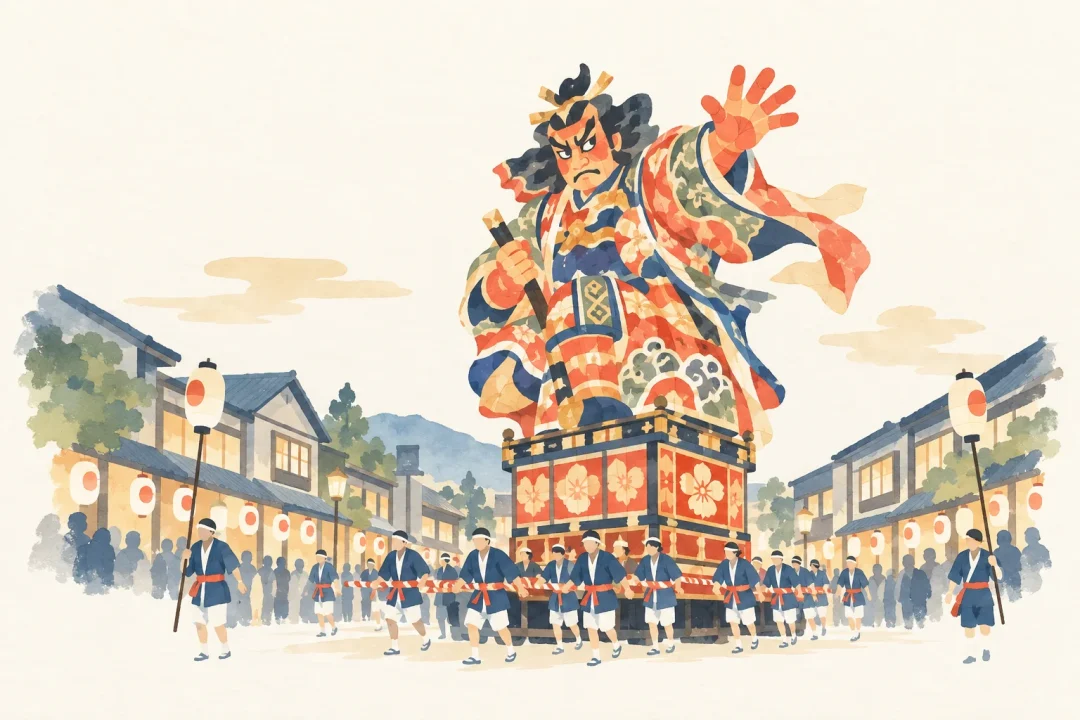
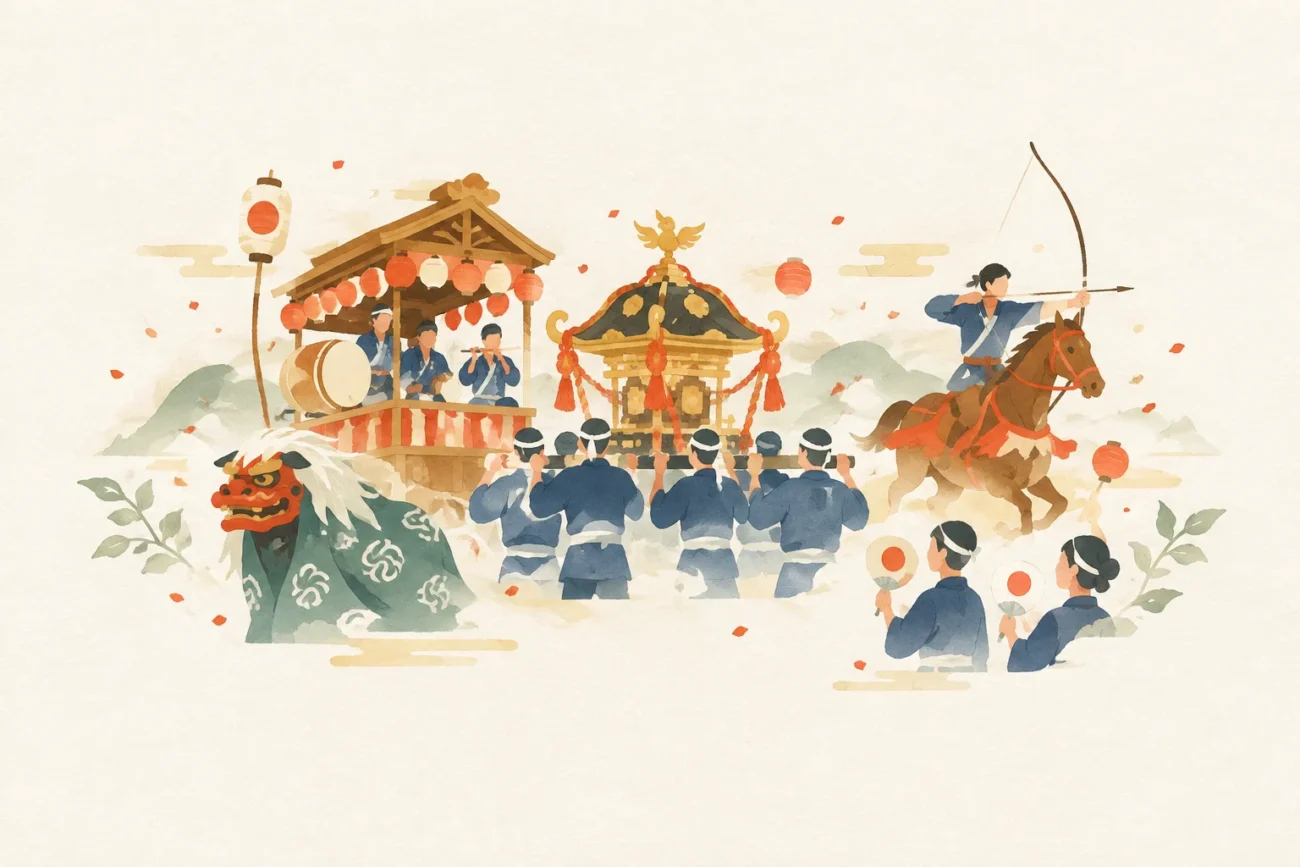
Highlights include dashi lit with lanterns, the mikoshi procession, and sacred processions featuring lion dances and tengu clearing the way.
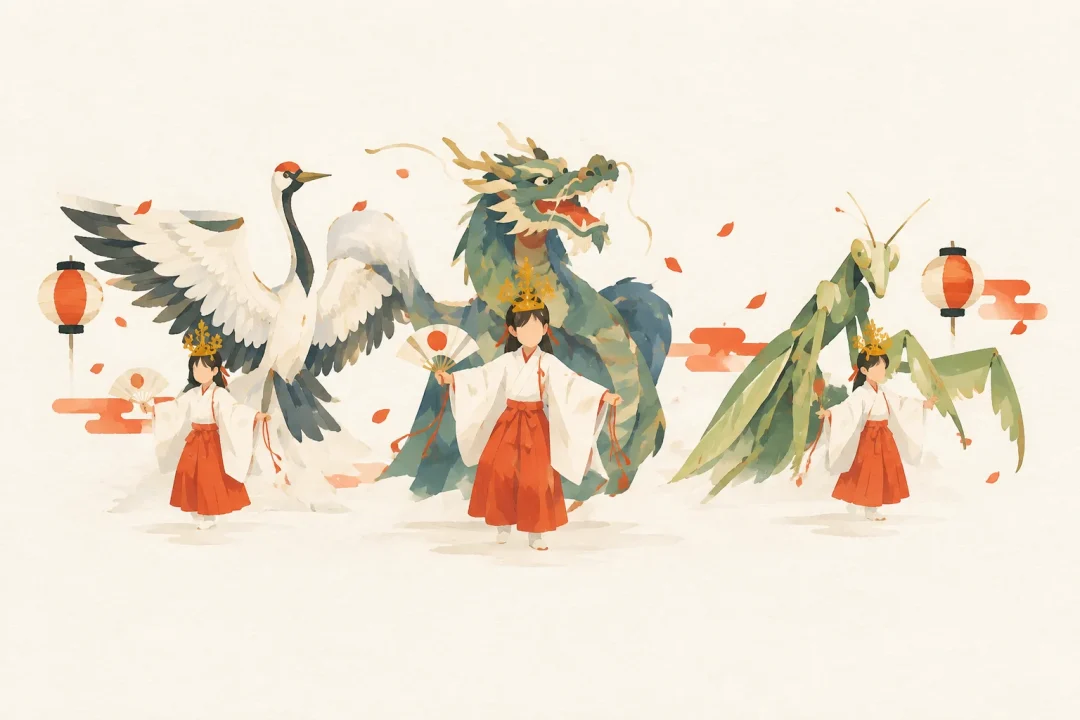
Gion music is played on large and small drums, flutes, and surigane gongs. Pieces such as Michibiki, Ōma, and Shōden have been passed down.
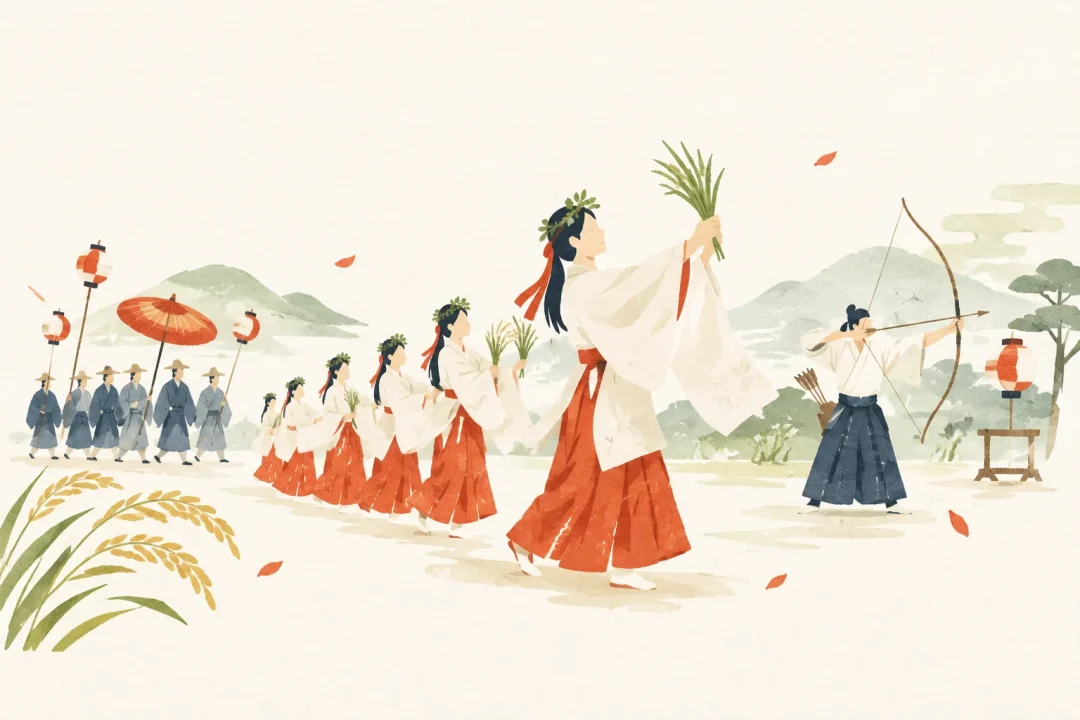
Horseback archery rites are also held in front of the former Aoya shrine and Yasaka Main Shrine to purify the festival route.
The festival’s ritual objects and designs have distinctive features, including dragons carved on the dashi and dragons on the gotan banners.
Gion music echoes through Kakegawa as the sacred procession is passed down
What to expect
The festival includes a sacred procession from Yasaka Main Shrine to the former Aoya shrine, the mikoshi procession, and rites at the former shrine.
The first day of the main festival includes visits to Man-shōji Temple, , assigning roles by drawing lots, preparing the ritual implements, ranking the keigo, and the eve-of-festival ceremonies.
On the second day, events include the grand festival, the dashi procession through Aoya, the horseback archery festival, the gotan banner festival, and sacred processions.
The festival concludes with the mikoshi arriving at the main shrine, the removal of pine branches from the dashi, and each district’s closing ceremonies.
How to take part
At the heart of the festival are sacred rites and processions in which priests, parishioner representatives, district heads, young men, and others each have a role.
Each district’s keigo representative takes up the role after completing the prescribed ceremony.
It has not been specified whether general visitors can take part in ritual roles, so check the participation requirements and methods for each event.
Visitors should follow the guidance of festival participants so as not to disrupt the proceedings.
Location and access
- Venue and address
Nakamura Yasaka Shrine (1-2311 Naka, Kakegawa City, Shizuoka Prefecture).
Events also take place at Yasaka Main Shrine, the former Aoya shrine, and the Aoya .
- Parking
Shizuoka Prefecture’s cultural property guide states that there is no parking.
Address 1-2311 Naka, Kakegawa, Shizuoka Prefecture
Dates and season
- Season
The first Saturday and Sunday of October
Accommodation and hotels PR
Showing nearby accommodation.
Prices and availability are current at the time of retrieval. For multi-night stays, only the first night’s price is shown. Confirm the final price and directions to the venue with the booking provider. Select your dates again when using the area search link. Search area: within 3 km of Central Shizuoka Prefecture / Kakegawa City (the search is not centered on the festival venue)
Tips for your visit
The festival includes the mikoshi procession, dashi parade, sacred processions, and horseback archery rites, so watch from a place that does not obstruct the route or the instructions of festival participants.
The atmosphere of the festival changes throughout the day, from the lighting of the lanterns to the eve-of-festival ceremonies.
At the shrine grounds and along the route, please be considerate about talking during rituals and whether photography is permitted.
The information lists no parking, so if you plan to drive, check local traffic conditions in advance.
Nearby attractions

事任八幡宮
静岡県掛川市にある神社

掛川城
静岡県掛川市にあった城

掛川市二の丸美術館
静岡県掛川市掛川1142-1にある公立の美術館

高天神城
静岡県掛川市の城
Origins and History of Nakamura Yasaka Shrine Gion Festival
Nakamura Yasaka Shrine is said to have been established in Nakamura, Tōtōmi Province, in Ōtoku 2 (1086).
The festival’s history is described in two periods: an early period from 1086 to 1446, and a later period from 1446 to the present.
Around 1446, it is thought that after Man-shōji Temple was founded, Aoya Yasaka Shrine was moved to its current location.
Since then, the Nakamura Gion Festival has passed down the Gion Festival of Kyoto’s Yasaka Shrine almost unchanged, preserving its old festival organization, sacred procession, and Gion music to this day.
Official information
Kakegawa City’s tourism website features an introduction to the Yasaka Shrine Gion Festival.
You can find information about the festival’s origins, sacred rites, Gion music, dashi, and sacred processions.
Shizuoka Prefecture’s cultural property information also provides details about the designation of the Gion music and festival events, their location, and public access.
Nakamura Yasaka Shrine Gion Festival at a Glance
The Nakamura Yasaka Shrine Gion Festival is a historic Gion Festival passed down in Naka, Kakegawa City.
The festival combines a range of sacred rites and events, including the mikoshi procession, dashi, lion dances, tengu, horseback archery, and Gion music.
While rooted in the traditions of Kyoto’s Gion Festival, it also preserves customs unique to Nakamura, such as those associated with the former Aoya shrine, local districts, and keigo.
This event is designated an Intangible Folk Cultural Property of Shizuoka Prefecture and offers a chance to experience the festival’s history and local culture.
Japanese Festivals.jp Editorial Team
Celebrating local culture and helping you discover a side of Japan you never knew.
Article updated: 2026/10/19
Submit information or a correction Submit photos of this festival