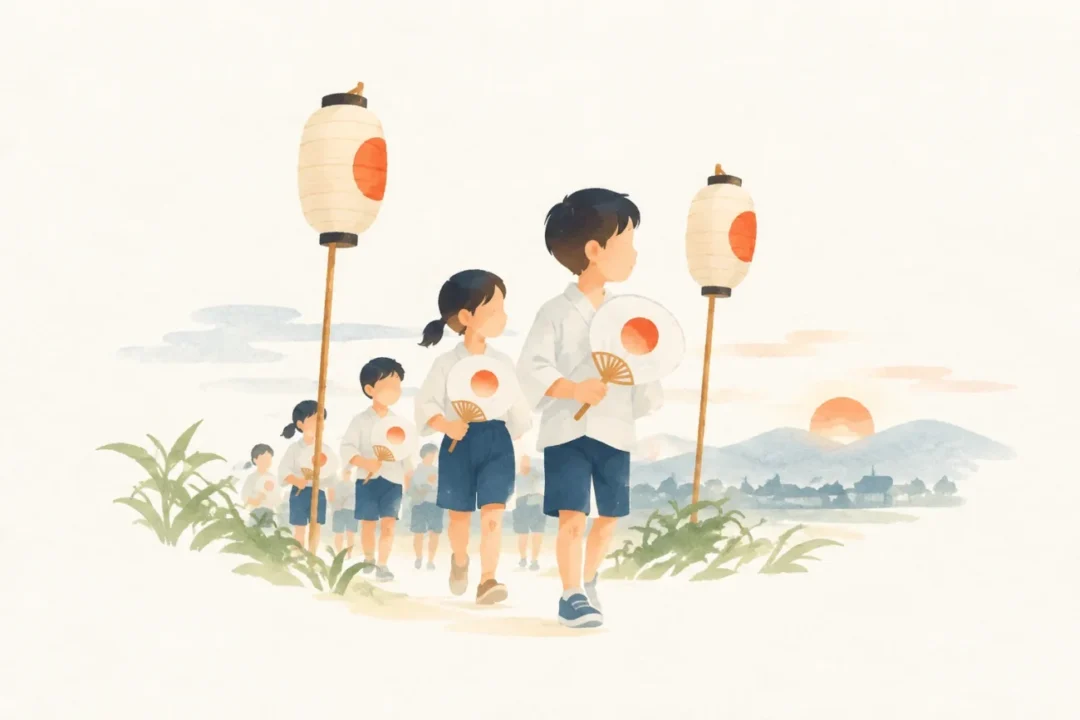
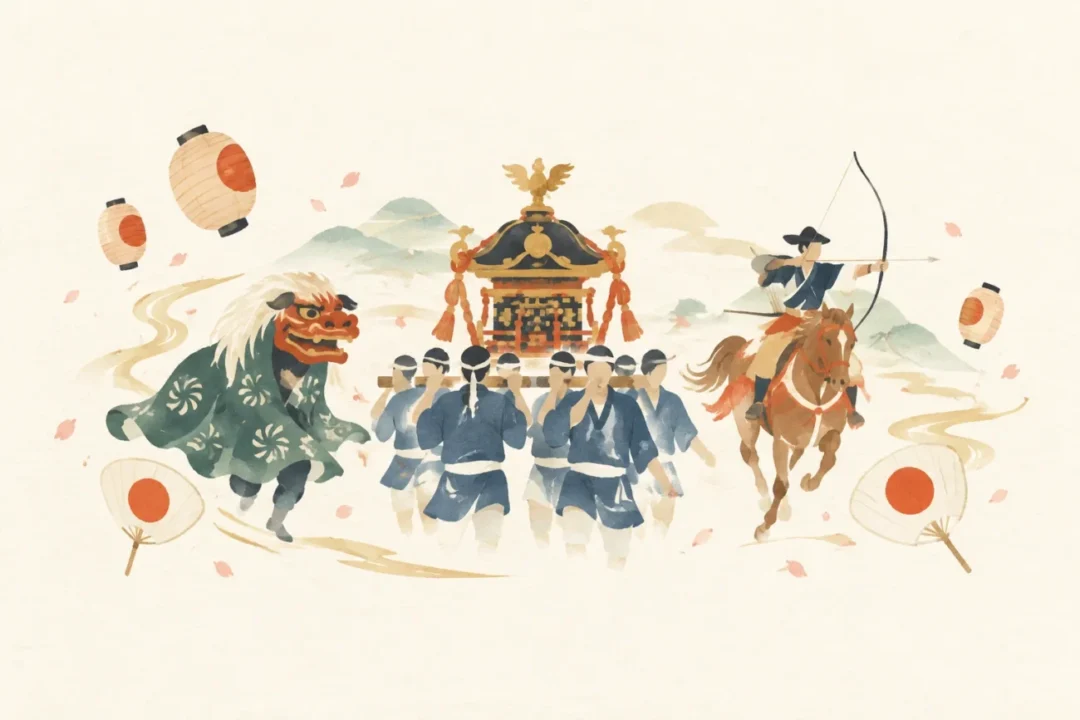
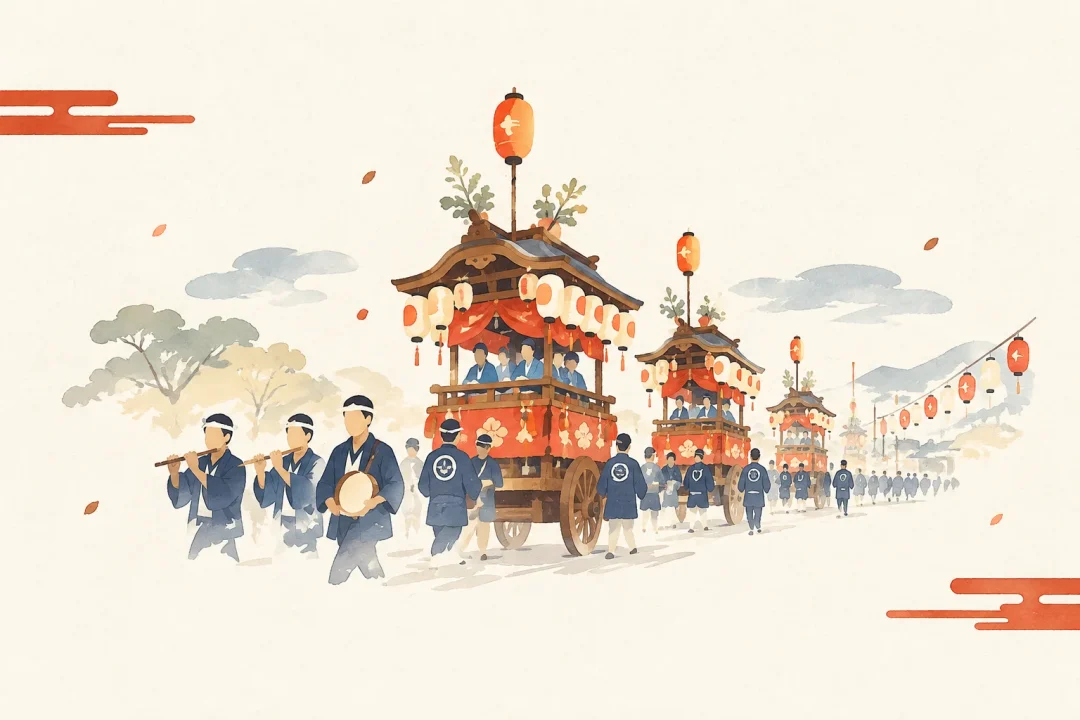
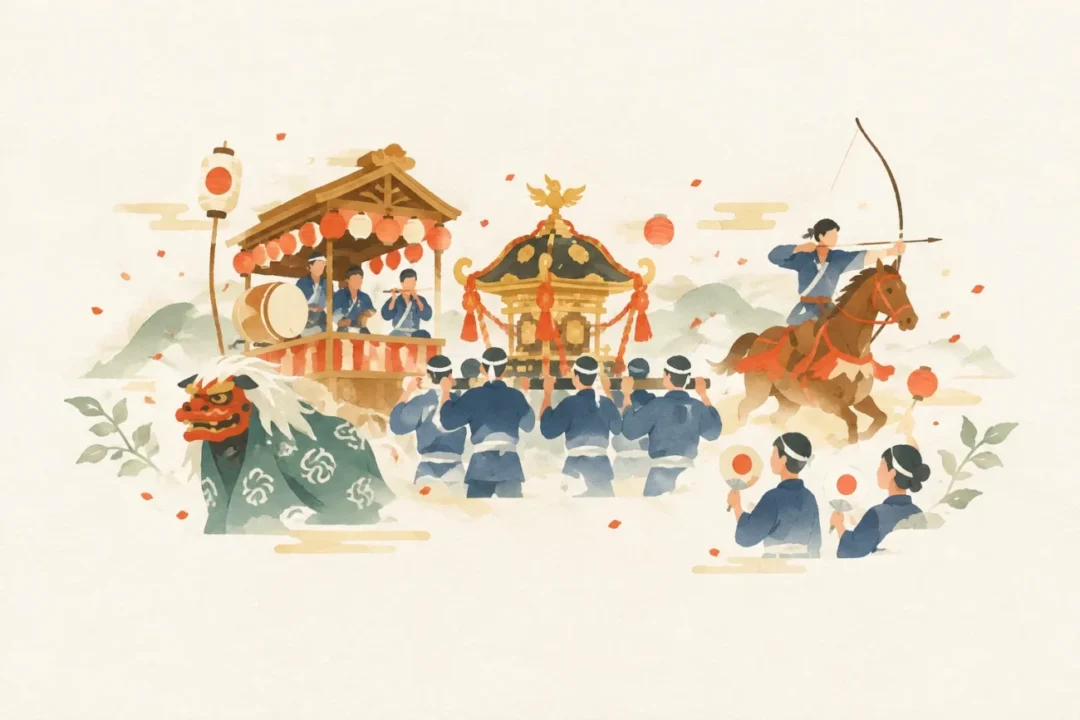
Ta-asobi from Kakegawa’s Nishioibuchi: green pine needles carry wishes for a good harvest
Mikumano Shrine’s Jizome-mai and Ta-asobi
Festival information
EVENT INFORMATION- Season / frequency
- Aprilfirst Sunday / Every year
- Location
- Mikumano
- Area
- Shizuoka Prefecture・Kakegawa City(From Tokyo: approx. 1 h–1 h 30 min · bullet train)Prefecture-level estimate to a main station or airport, not the venue. Airport access, check-in and onward travel are extra; remote areas and islands can take much longer.
- Highlights and activities
- Wishes behind the festival
- Participation / viewing
- Spectators welcome
- Last updated
- 2026/11/11
Mikumano Shrine’s Jizome-mai and Ta-asobi are folk performing arts from Nishioibuchi, in which farming work before rice planting is performed before the deity to pray for a good harvest.
About Mikumano Shrine’s Jizome-mai and Ta-asobi
Mikumano Shrine’s Jizome-mai and Ta-asobi are folk performing arts passed down in Nishioibuchi, Kakegawa City, Shizuoka Prefecture.
Before the season when rice cultivation begins, the work of farming is acted out in advance before the deity, and prayers are offered for that year’s abundant harvest.
Designated an Intangible Folk Cultural Property of Shizuoka Prefecture, it is presented at Mikumano Shrine’s spring grand festival.
Festival highlights
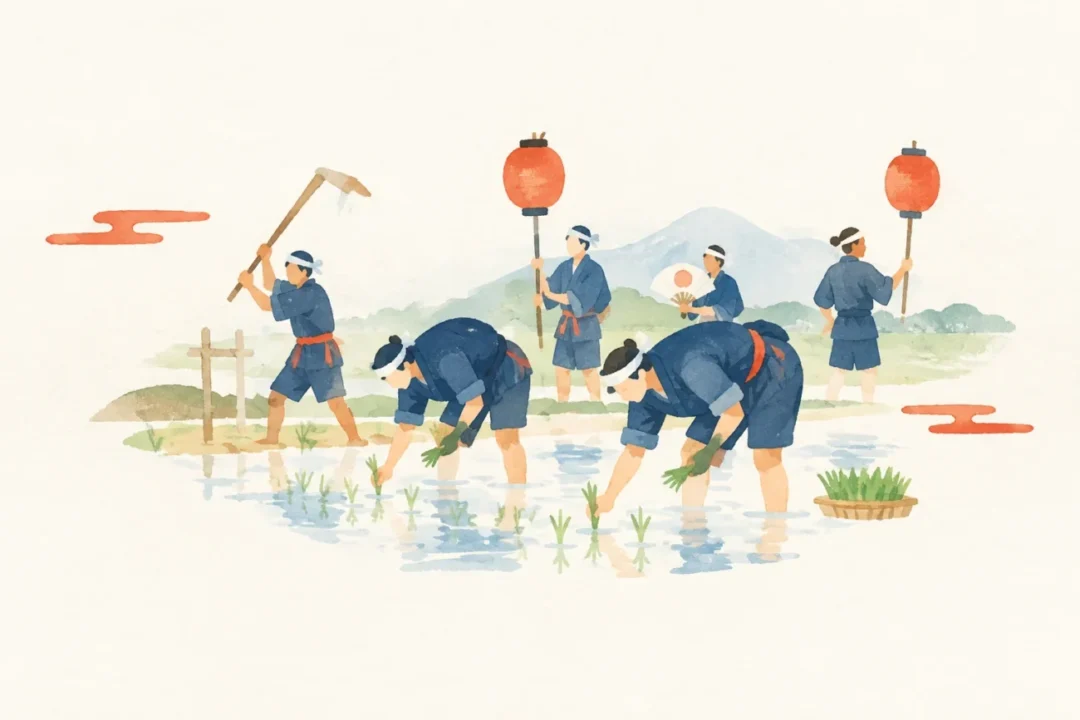
A highlight is the rice-planting movements expressed in Jizome-mai.
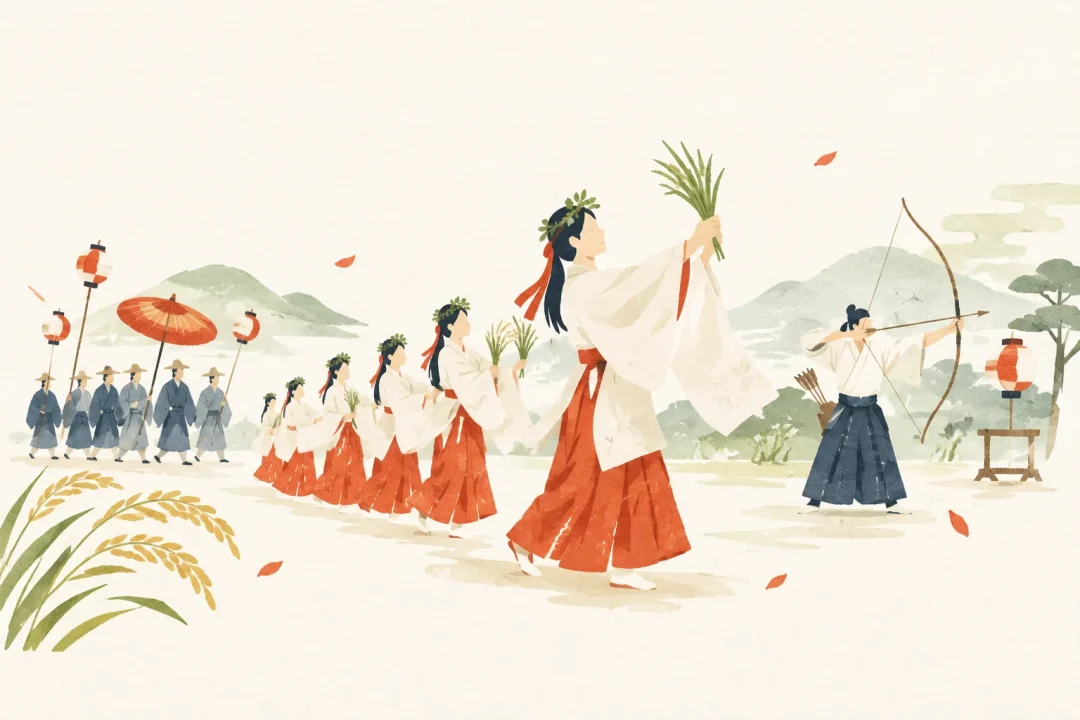
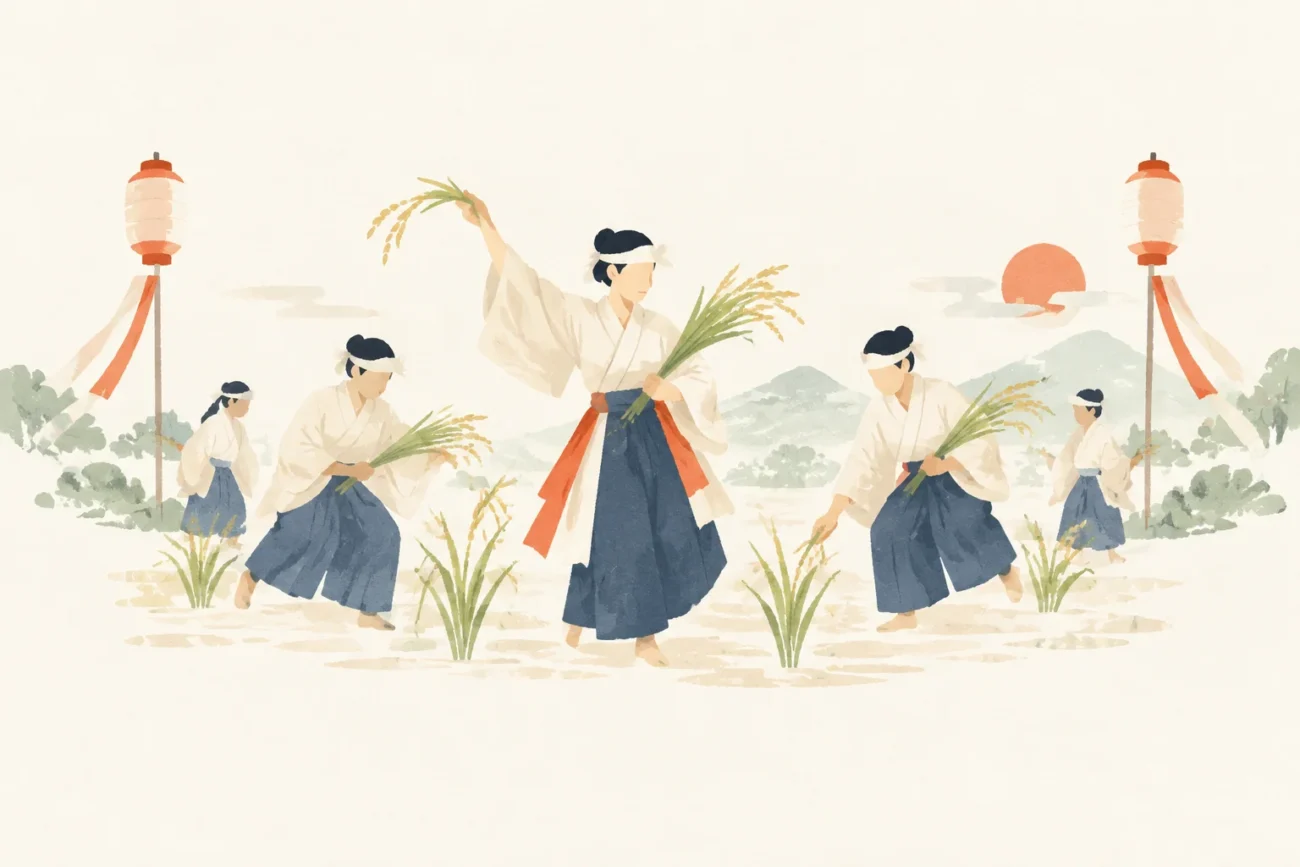
7 young men from the Nishioibuchi district dress as saotome and scatter green pine needles, representing rice seedlings, to the accompaniment of rice-planting songs.
Jizome-mai consists of 7 different performances, including Kintachi and Kidachi, and is notable for anticipating the rice-growing process to pray for a good harvest.
Ta-asobi from Kakegawa’s Nishioibuchi: green pine needles carry wishes for a good harvest
What to expect
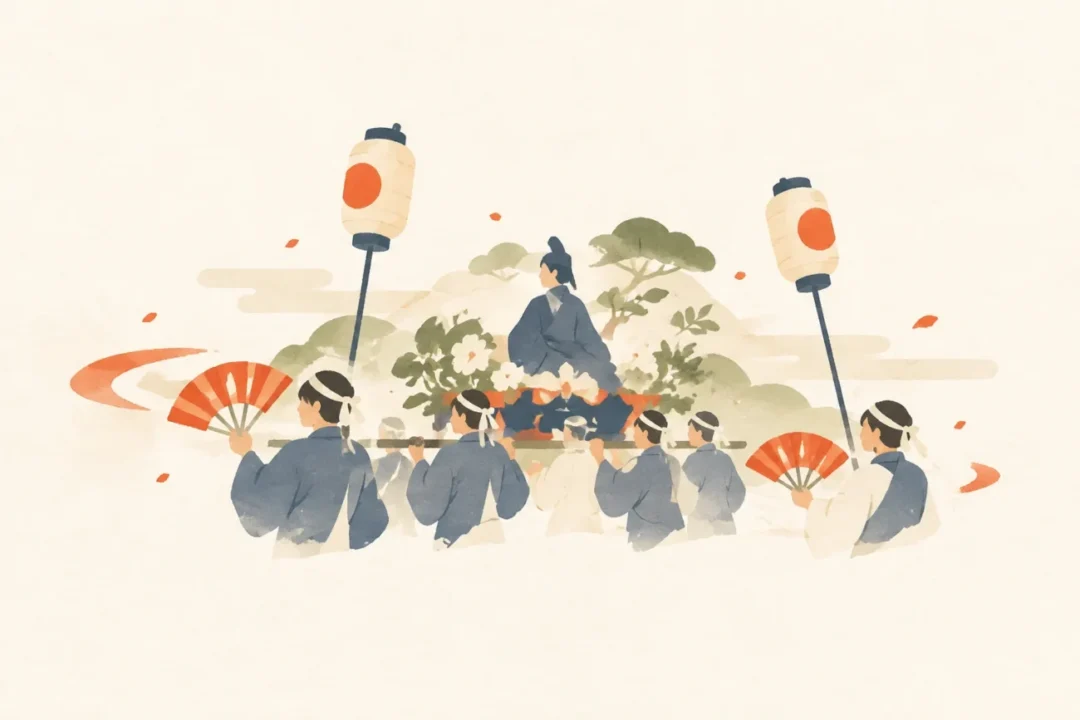
The event includes Ta-asobi, a performance before the deity that offers advance prayers for rice-farming activities and a good harvest.
Jizome-mai features 7 different performances, with young men scattering green pine needles dressed as saotome.
Movements performed to rice-planting songs express hopes for the rice cultivation about to begin and for a bountiful harvest.
How to take part
Visitors can watch the event.
Location and access
- Venue and address
Mikumano Shrine, 5631-1 Nishioibuchi, Kakegawa City, Shizuoka Prefecture
- Parking
None
Address 5631-1 Nishioibuchi, Kakegawa City, Shizuoka Prefecture
Dates and season
- Season
Aprilfirst Sunday
- Frequency
Every year
Accommodation and hotels PR
Showing nearby accommodation.
Prices and availability are current at the time of retrieval. For multi-night stays, only the first night’s price is shown. Confirm the final price and directions to the venue with the booking provider. Select your dates again when using the area search link. Search area: within 3 km of Central Shizuoka Prefecture / Kakegawa City (the search is not centered on the festival venue)
Nearby attractions

事任八幡宮
静岡県掛川市にある神社

掛川城
静岡県掛川市にあった城

掛川市二の丸美術館
静岡県掛川市掛川1142-1にある公立の美術館

高天神城
静岡県掛川市の城
Origins and History of Mikumano Shrine’s Jizome-mai and Ta-asobi
Its origins are unknown, but it is said to have been performed as early as the Kyoho era (1716–1736).
In earlier times, it was a ritual performed on the 9th day of the New Year to pray for a good rice harvest; today, it is performed at Mikumano Shrine’s spring grand festival.
March 22, 1989, it was designated an Intangible Folk Cultural Property of Shizuoka Prefecture.
Official information
Kakegawa City introduces Mikumano Shrine’s Jizome-mai and Ta-asobi as intangible folk cultural properties designated by the prefecture.
Shizuoka Prefecture’s cultural property information describes them as performances open to the public during the Mikumano Shrine Grand Festival.
Mikumano Shrine’s Jizome-mai and Ta-asobi at a Glance
Mikumano Shrine’s Jizome-mai and Ta-asobi are prefecture-designated intangible folk cultural properties passed down in Nishioibuchi, Kakegawa City.
Young men dressed as saotome use green pine needles to represent rice seedlings and scatter them to rice-planting songs, expressing advance prayers for a good rice harvest through dance.
Although its origins are unknown, it is said to have been performed as early as the Kyoho era, and it is performed at Mikumano Shrine’s spring grand festival.
Sources and references
Japanese Festivals.jp Editorial Team
Celebrating local culture and helping you discover a side of Japan you never knew.
Article updated: 2026/11/11