Kagura of Hanamaki and Towa, alive with Gongen-mai and a rich variety of dances
Ishihatooka Kagura and Tsuchizawa Kagura
The 2026 edition of Ishihatooka and Tsuchizawa Kagura has ended.
Festival information
EVENT INFORMATION- Dates
- 2026/02/08Ended
- Season / frequency
- Ishihatooka Kagura is active from January through December, with September 11 among its main public performance dates. Tsuchizawa Kagura is performed in mid-September, among other times. / Every year
- Location
- Ishihatooka Community Center
- Area
- Iwate Prefecture・Hanamaki City(From Tokyo: approx. 2 h 10 min–2 h 40 min · bullet train)Prefecture-level estimate to a main station or airport, not the venue. Airport access, check-in and onward travel are extra; remote areas and islands can take much longer.
- Highlights and activities
- Last updated
- 2026/10/19
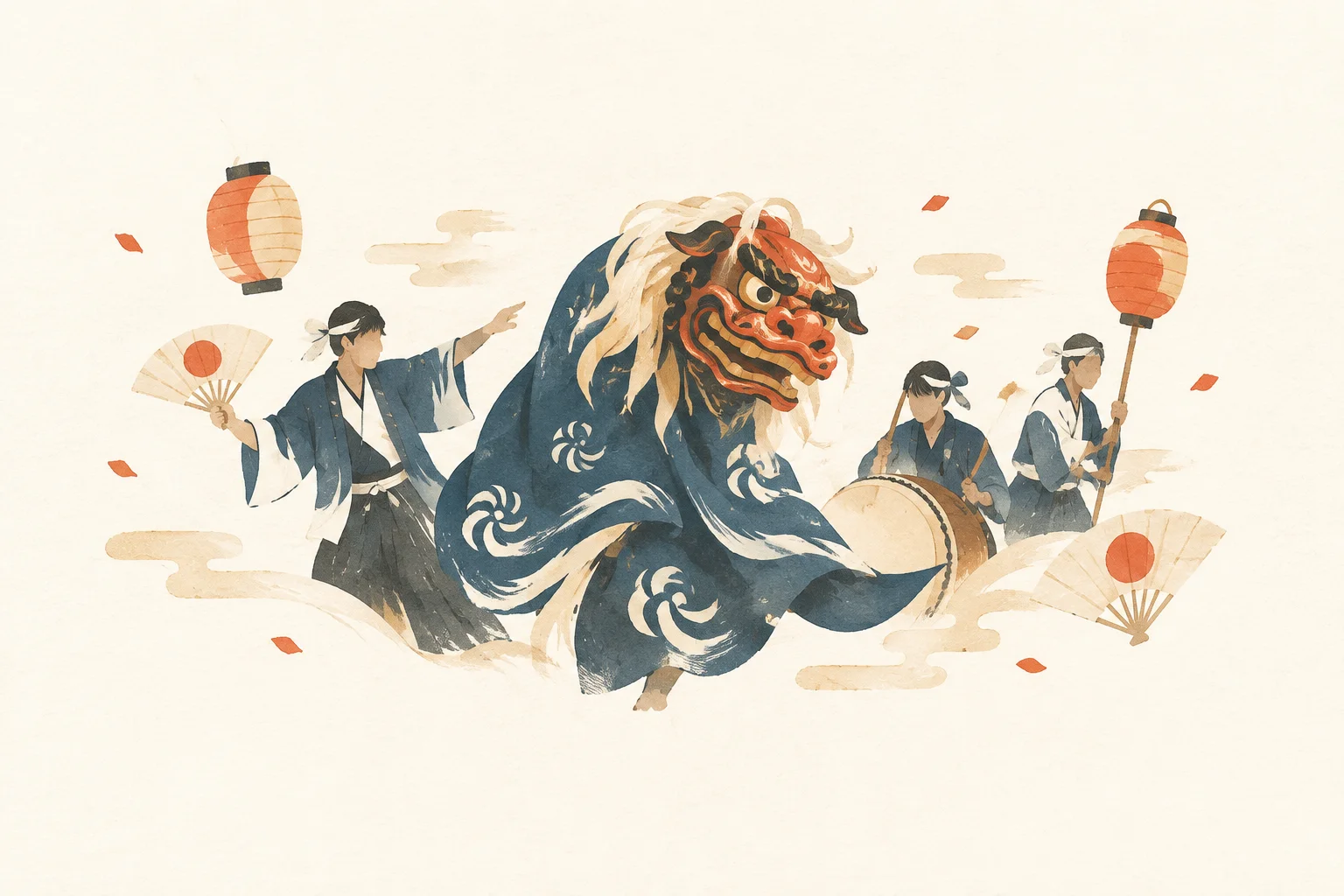
Ishihatooka Kagura and Tsuchizawa Kagura, handed down in Towa-cho, Hanamaki City, are traditional performing arts that present skills inherited from Hayachine Kagura at local shrine festivals and celebrations. The tradition includes about 40 pieces, beginning with Gongen-mai, a dance honoring Gongen-sama, represented by a lion's head.
About Ishihatooka Kagura and Tsuchizawa Kagura
Ishihatooka Kagura and Tsuchizawa Kagura are disciple traditions of Hayachine Kagura, handed down in Ishihatooka and Tsuchizawa in Towa-cho, Hanamaki City.
Ishihatooka Kagura received its performing arts tradition from Take Kagura, while Tsuchizawa Kagura received its tradition from Otsugunai Kagura.
Both traditions are performed mainly at shrine festivals and have also been part of local annual festivals and celebrations.
They are representative folk performing arts of Towa-cho, with a rich repertoire and distinctive traditions.
Source: 国指定文化財等データベース / 石鳩岡神楽・土沢神楽の普及用動画を作成しました|花巻市
Festival highlights
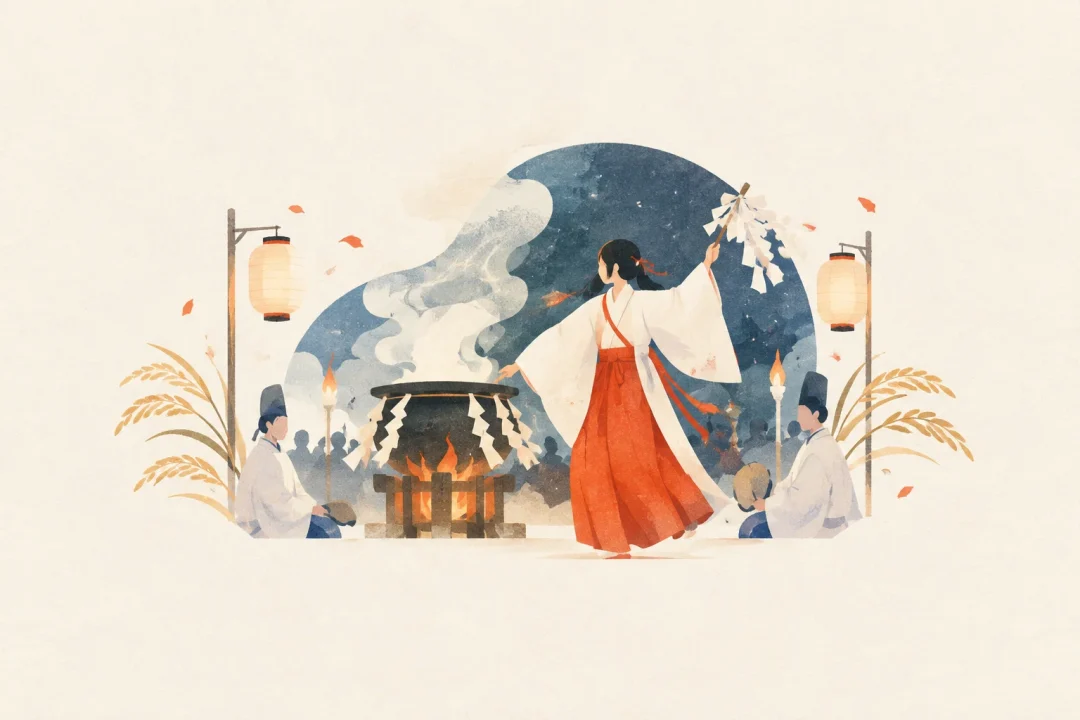
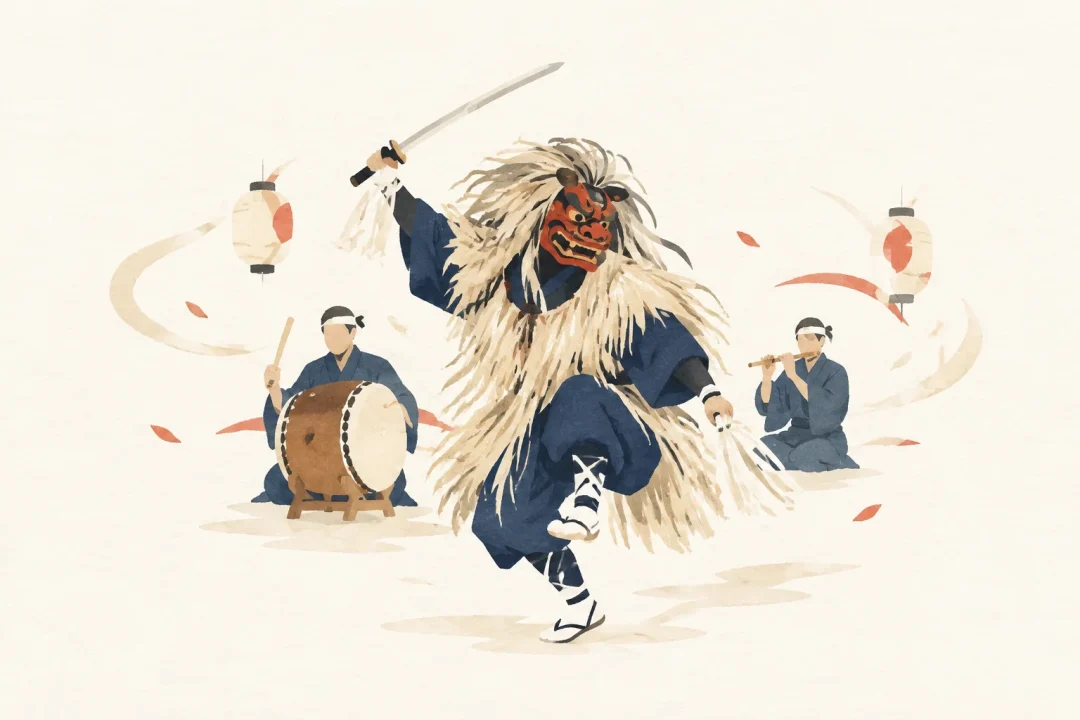
The central piece is Gongen-mai, a dance honoring Gongen-sama, represented by a lion's head regarded as a sacred object.
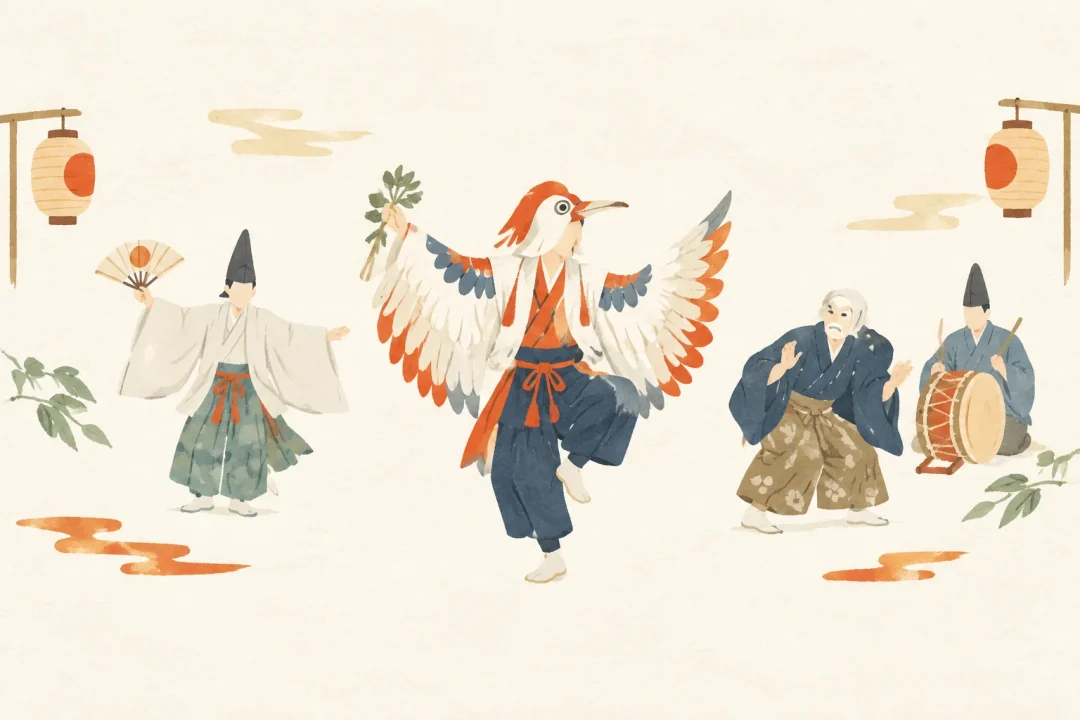
The repertoire includes a rich variety of dances, such as Tori-mai, Sanbaso, and Yamagami-mai, and each tradition has about 40 pieces passed down.
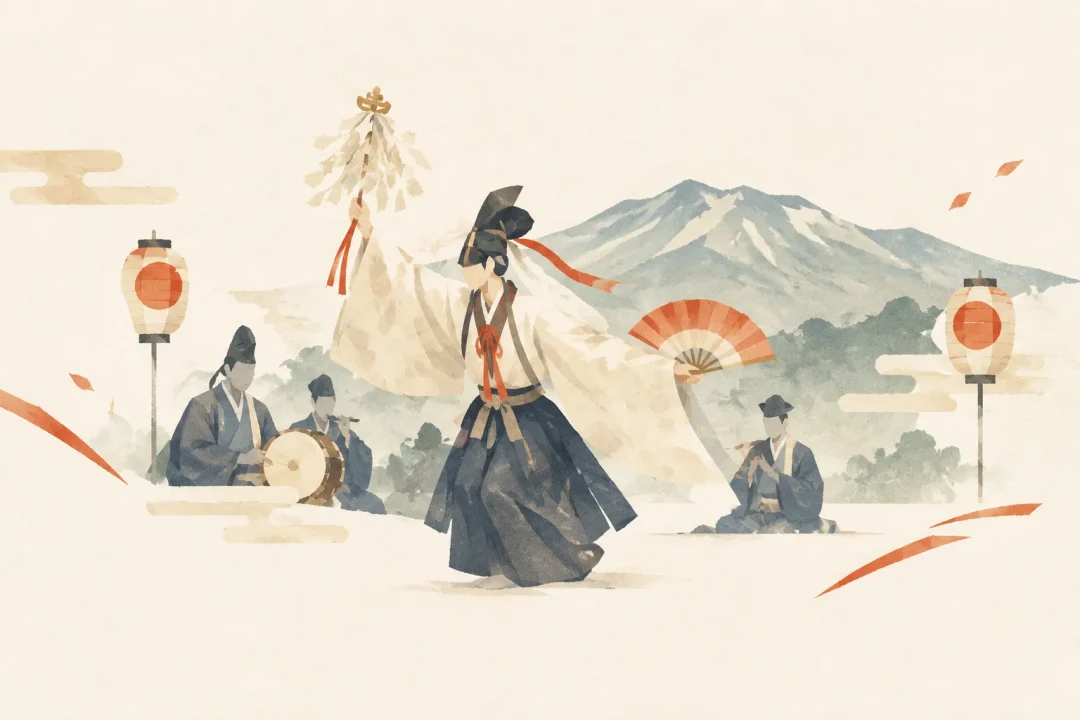
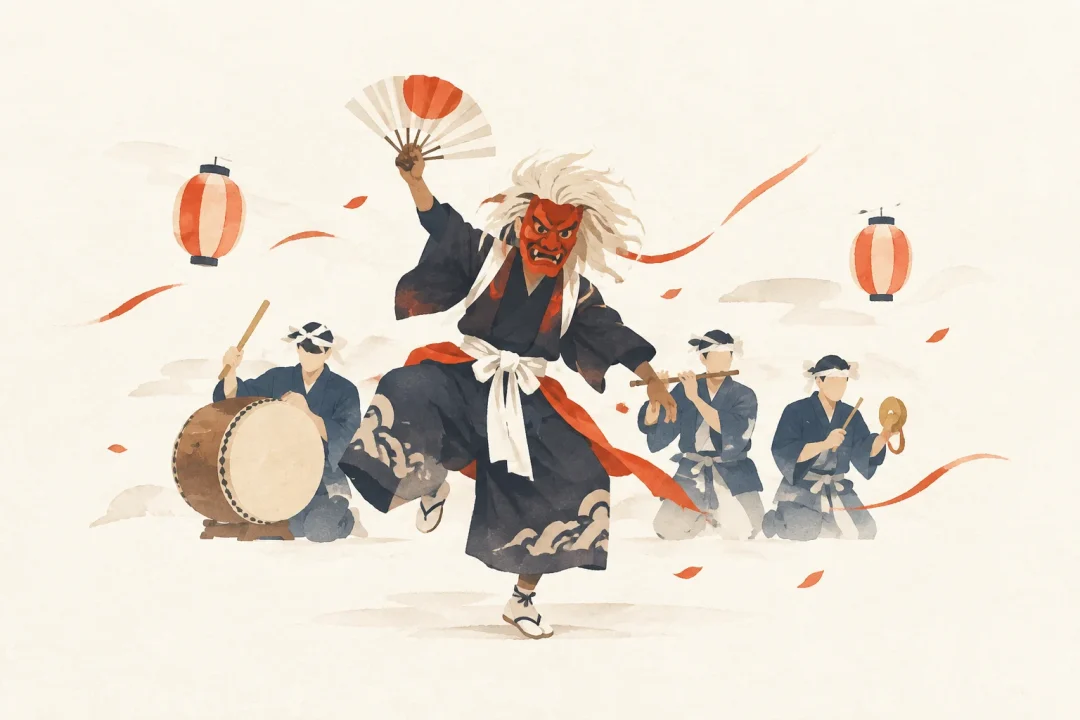
The musical accompaniment by the shime-daiko, dobyoshi, flute, and singer, as well as the stage arrangement featuring a kagura curtain, are also highlights.
The formal dances are performed in a prescribed order, with six pieces, followed by Gongen-mai.
Kagura of Hanamaki and Towa, alive with Gongen-mai and a rich variety of dances
What to expect
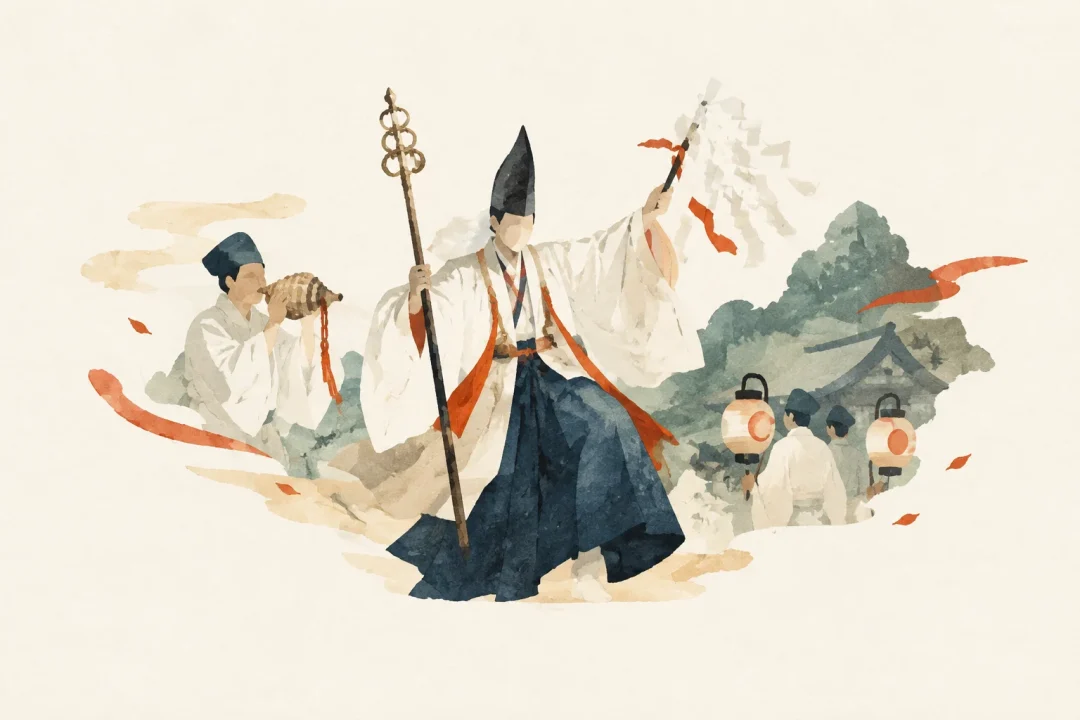
At dedication performances, a kagura curtain is hung behind the front of the performance area. Performers enter and exit through the space behind it, which serves as a backstage area.
The formal dances proceed in this order: Tori-mai, Okina-mai, Sanbaso, Hachiman-mai, Yamagami-mai, and Iwato-biraki. These are followed by dances such as Kami-mai, Onna-mai, Bangaku-mai, Ara-mai, and .
The accompaniment consists of one player on the shime-daiko, two players on the dobyoshi, one flutist, and one singer.
Gongen-mai is performed at the end of the program.
Location and access
- Venue and address
In 2026, the first dance of the year by Ishihatooka Kagura was held at the Ishihatooka Community Center (311 Ishihatooka 5-ku, Towa-cho, Hanamaki City).
- Train and bus
It is about 10 km east of JR Shin-Hanamaki Station.
- By car
Directions are provided from JR Shin-Hanamaki Station toward the venue.
- Parking
There is parking near the venue.
Please follow the instructions of staff.
Source: 岩手県 - 花北・遠野応援隊からのお知らせ
Address 311 Ishihatooka 5-ku, Towa-cho, Hanamaki City
Dates and season
2026 event information (the listed dates have passed)
Ishihatooka Kagura is performed from its first dance of the year on January 15 through its final dance on December 17, and is dedicated at the Komagata Shrine festival on September 11.
Tsuchizawa Kagura is performed mainly at the autumn annual festival of Kabura Hachiman Shrine, held in mid-September each year.
In 2026, the first dance of the year by Ishihatooka Kagura was held on February 8 (Sunday), and performances took place from 1 p.m. to 4 p.m. at the Ishihatooka Community Center.
Accommodation and hotels PR
Showing nearby accommodation.
Prices and availability are current at the time of retrieval. For multi-night stays, only the first night’s price is shown. Confirm the final price and directions to the venue with the booking provider. Select your dates again when using the area search link. Search area: within 3 km of Central Iwate Prefecture / Hanamaki City (the search is not centered on the festival venue)
Nearby attractions
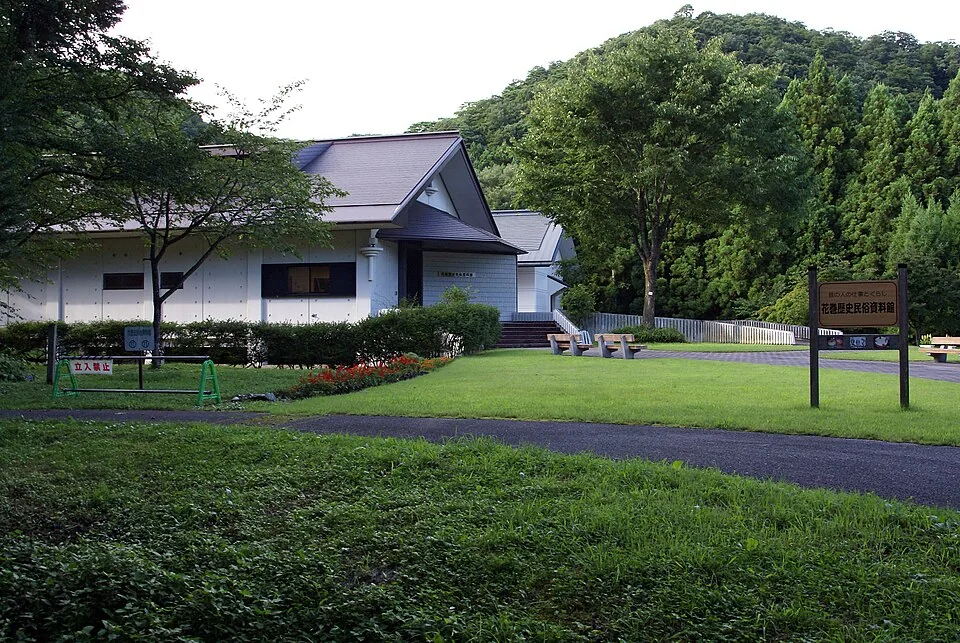
花巻歴史民俗資料館
岩手県花巻市にあった資料館
写真:663highland / CC BY 2.5(resized and reformatted)
Photo source ·Origins and History of Ishihatooka Kagura and Tsuchizawa Kagura
According to tradition, Ishihatooka Kagura received instruction from Take Kagura in Bunka 2 (1805) and was permitted to become independent in Tenpo 5 (1834).
The date when Tsuchizawa Kagura was established is uncertain, but a tool box bearing a date from the Tenpo era remains, and in the Meiji period, a teacher was invited from Otsugunai to pass on the tradition.
Through their teacher-student relationships, the two kagura traditions convey the spread of Hayachine Kagura and changes in its performance style.
In 2011, they were selected as Intangible Folk Cultural Properties for which the national government should take measures such as creating records.
Official information
Hanamaki City preserves video records of Ishihatooka Kagura and Tsuchizawa Kagura and has released introductory videos about both traditions.
Ishihatooka Kagura is presented as a dedication kagura of Komagata Shrine, and Tsuchizawa Kagura as a dedication kagura of Kabura Hachiman Shrine.
For the latest information on performance and festival dates and venues, check Hanamaki City's cultural property information.
Ishihatooka Kagura and Tsuchizawa Kagura at a Glance
Ishihatooka Kagura and Tsuchizawa Kagura are traditional performing arts of the Hayachine Kagura lineage, handed down in Towa-cho, Hanamaki City.
The tradition includes about 40 pieces centered on Gongen-mai, performed at shrine festivals, the first dance of the year, and local celebrations.
In 2026, the first dance of the year by Ishihatooka Kagura was held at the Ishihatooka Community Center.
The stage arrangement brings together the kagura curtain, masks, drums, and flute.
Japanese Festivals.jp Editorial Team
Celebrating local culture and helping you discover a side of Japan you never knew.
Article updated: 2026/10/19
Submit information or a correction Submit photos of this festival