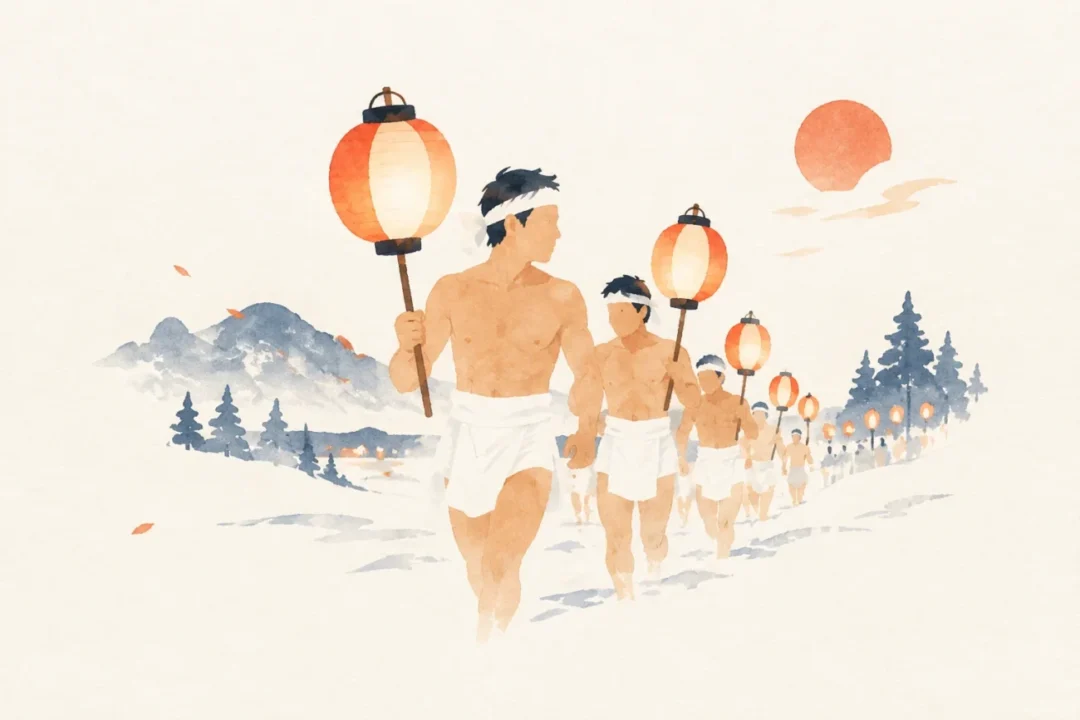
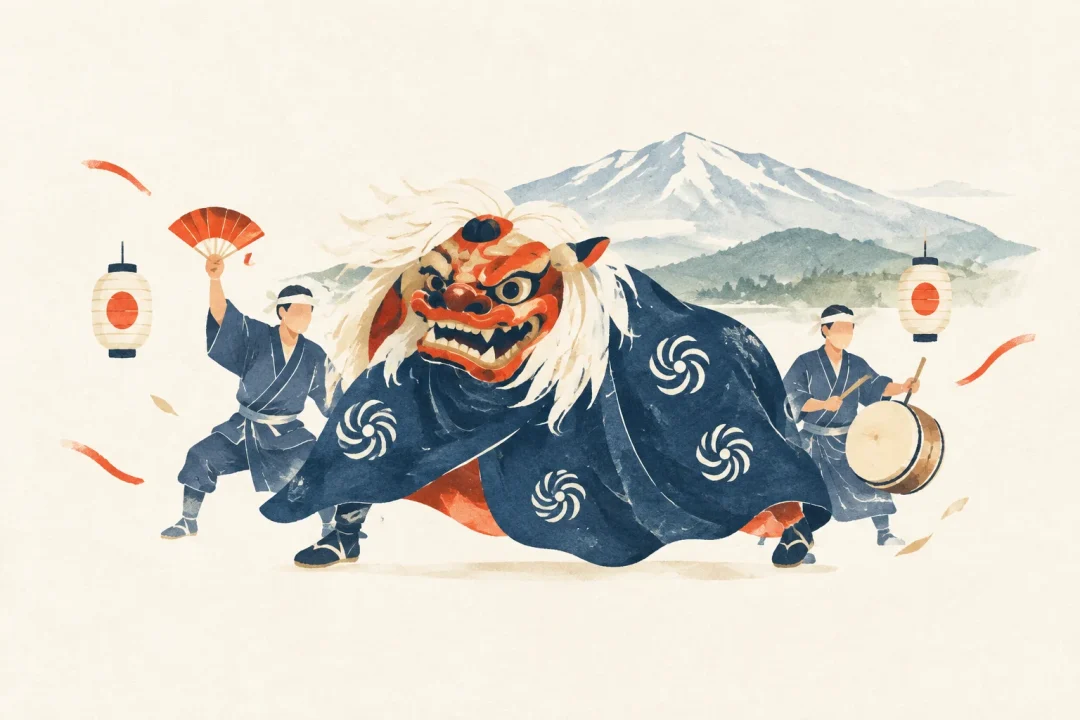
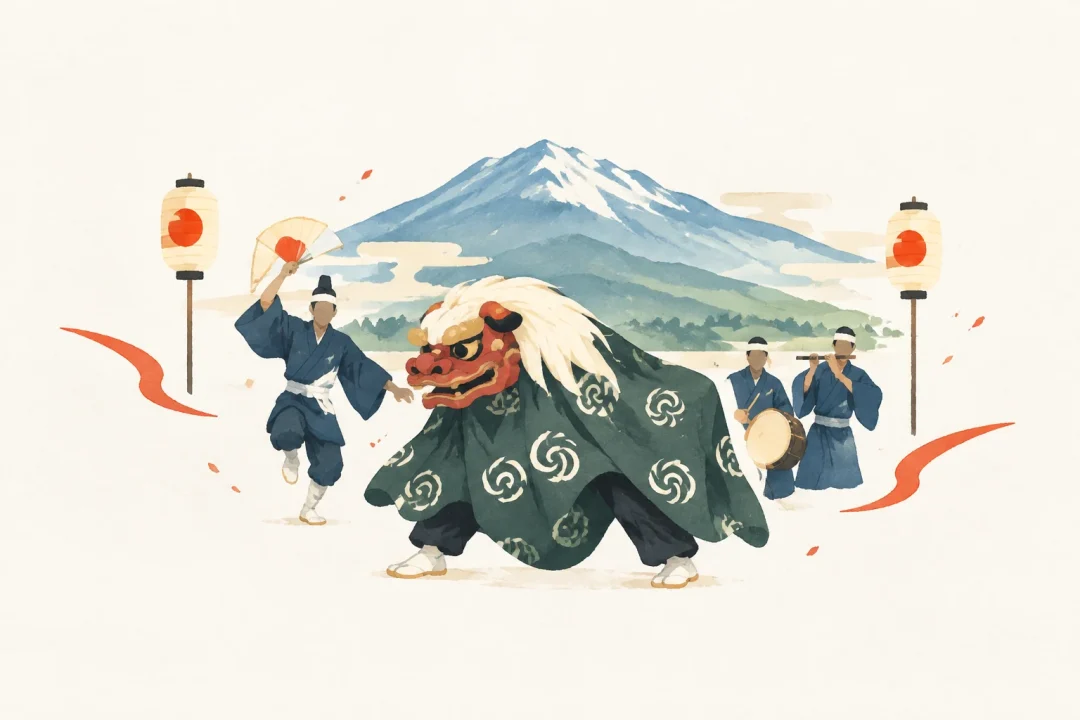
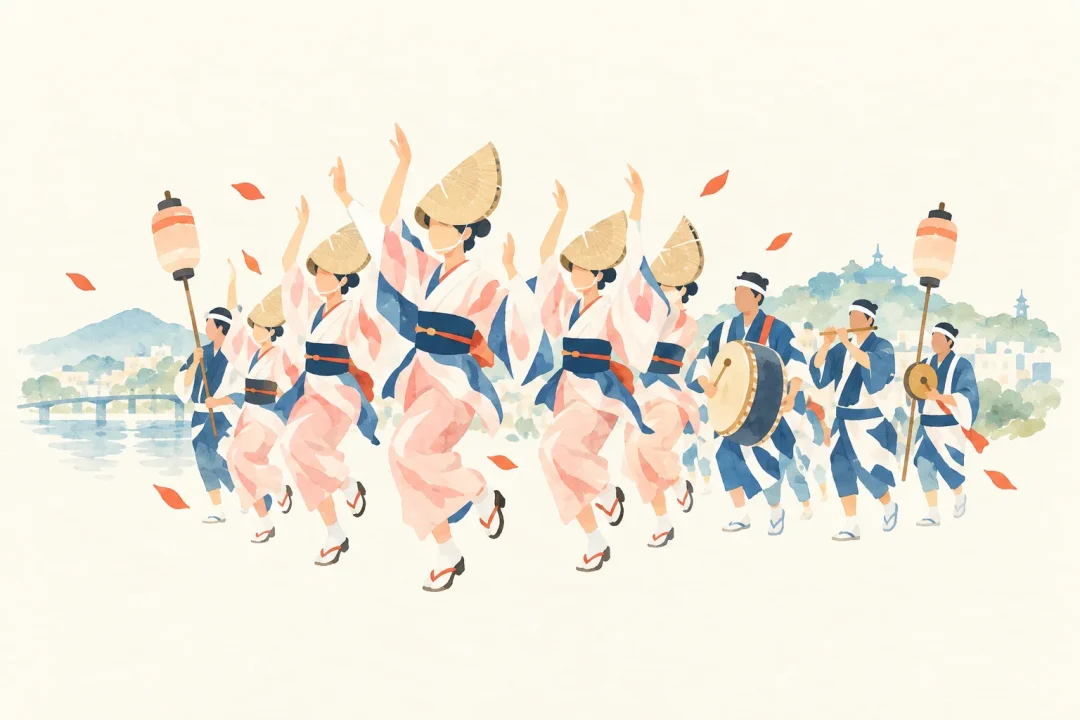
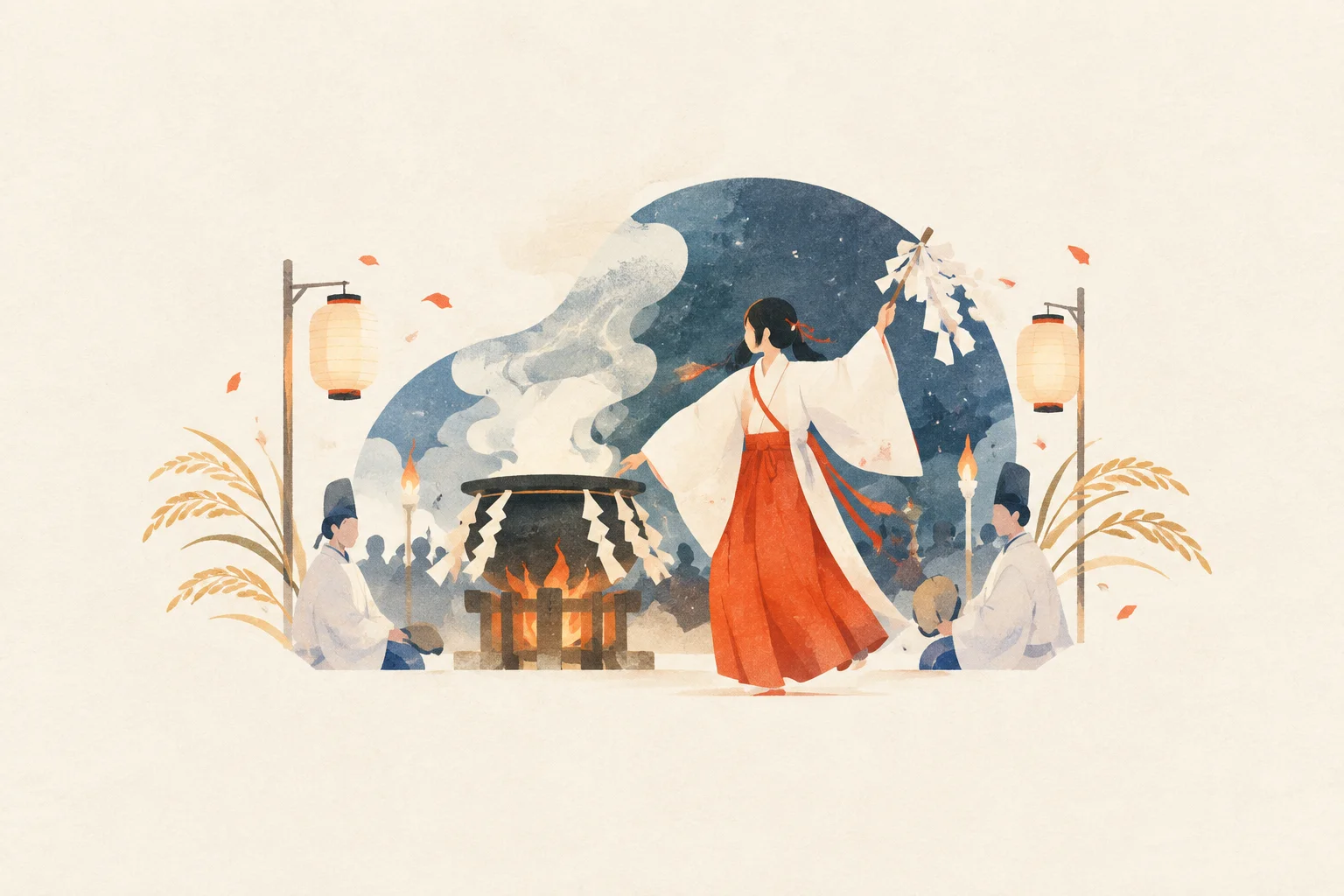
Traditional kagura where boiling cauldrons and miko dances carry through the night
Horoha-yama Shimotsuki Kagura
Festival information
EVENT INFORMATION- Dates
- 2026/11/07 〜 2026/11/08Scheduled
- Season / frequency
- From November 7 each year until around the morning of November 8 / Every year
- Location
- Shrine Hall of Horoha-yama Hauchibetsu Shrine’s Satomiya
- Area
- Akita Prefecture・Yokote City(From Tokyo: approx. 3 h 40 min–4 h 10 min · bullet train)Prefecture-level estimate to a main station or airport, not the venue. Airport access, check-in and onward travel are extra; remote areas and islands can take much longer.
- Highlights and activities
- Wishes behind the festival
- Participation / viewing
- Spectators welcome
- Participation fee
- Free. However, visitors are generally expected to make a hatsuho-ryo offering.
- Last updated
- 2026/10/19
This yudate is dedicated throughout the night in Omori-machi, Yokote, to give thanks for the harvest and pray for abundant crops in the coming year. Thirty-three ritual acts and miko dances continue at a site of worship passed down since ancient times.
About Horoha-yama Shimotsuki Kagura
Horoha-yama Shimotsuki Kagura is a yudate kagura passed down at Horoha-yama Hauchibetsu Shrine in Omori-machi, Yokote.
It is performed as a ritual to give thanks for that year’s harvest and pray for abundant crops in the coming year.
The spirits of the three mountains of Horoha-yama, Ontake, and Takaoka are invited, and ancient ritual performances are dedicated throughout the night at the kagura venue of the priestly family, in an event closely tied to local beliefs.
Source: (秋)霜月神楽|横手市公式サイト / 国指定文化財等データベース
Festival highlights
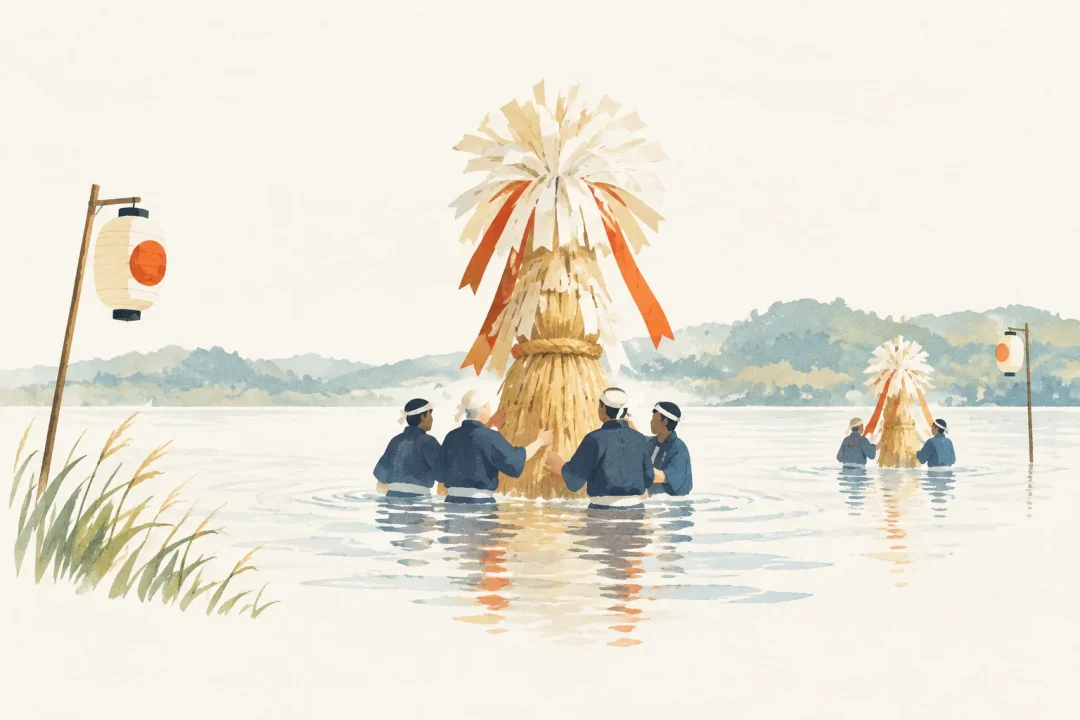
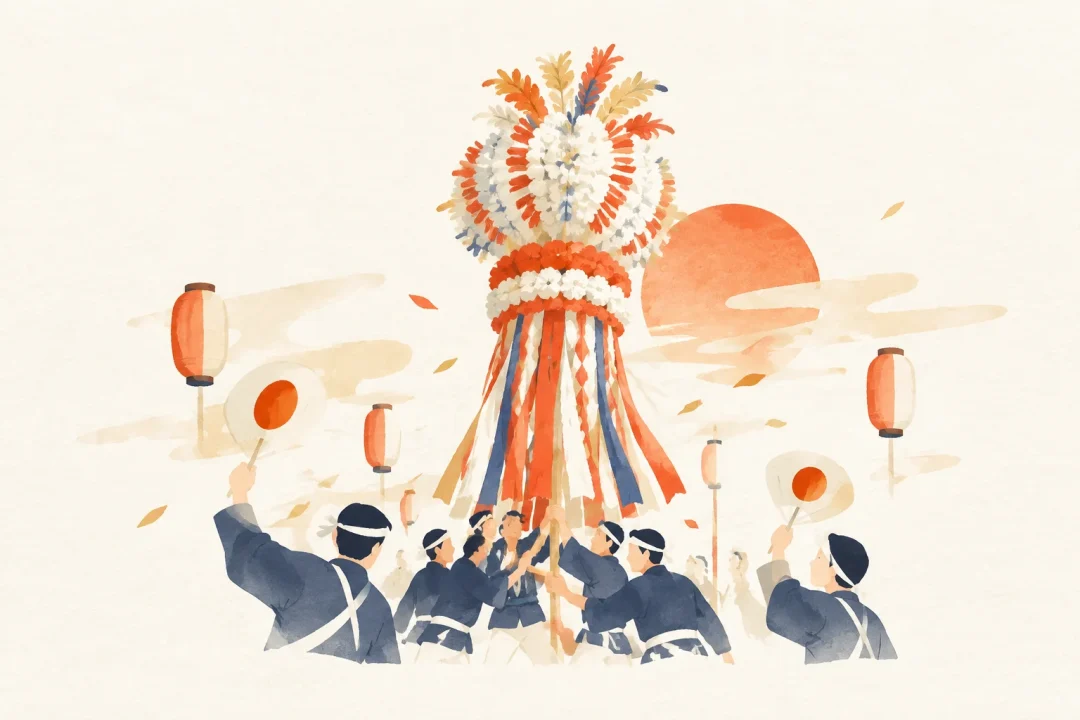
A highlight is the sacred space, with two boiling cauldrons set near the altar and and hung across the ceiling.
After preliminary rites such as summoning the gods, invoking the spirits, and reciting , dances including “Gochoshi,” “Yukaji,” “Tendo-mai,” and “Ise-mai” are performed one after another.
In the Horoha-yama dance, a miko delivers a divine oracle during the dance.
Traditional kagura where boiling cauldrons and miko dances carry through the night
What to expect
The kagura begins with preliminary rites such as summoning the gods, invoking the spirits, and reciting norito, followed by thirty-three ritual acts.
Priests from nearby areas gather at the shrine hall of the chief officiant and perform dances and rites classified as yudate kagura throughout the night.
Visitors watch the kagura offerings in turn in the shrine hall, arranged with boiling cauldrons, gohei, and shimenawa.
How to take part
No information is provided on whether members of the public can take part as ritual attendants.
However, attendance is open to everyone, who can visit to watch the kagura.
As this is a ritual setting, visitors are generally expected to make a hatsuho-ryo offering.
Location and access
- Venue and address
Shrine Hall of Horoha-yama Hauchibetsu Shrine’s Satomiya (not the kagura hall) / 200 Kinonezaka, Yasawagi, Omori-machi, Yokote, Akita
- Train and bus
There is no public transportation.
It is a 50-minute drive from JR Yokote Station.
- By car
It is a 50-minute drive from Yokote IC on the Akita Expressway, 40 minutes from Yokote-kita IC (ETC only), and about 40 minutes from Omagari IC.
- Parking
30 parking spaces; free of charge.
Address 200 Kinonezaka, Yasawagi, Omori-machi, Yokote, Akita
Dates and season
In 2026, it will be held from 7 p.m. on November 7 until around 8 a.m. on November 8.
It begins every year on November 7 and continues through the night until the following morning.
Since the rites take place from night into the early morning, it is a good idea to plan in advance when you will attend and how you will get back.
Accommodation and hotels PR
Showing nearby accommodation.
Prices and availability are current at the time of retrieval. For multi-night stays, only the first night’s price is shown. Confirm the final price and directions to the venue with the booking provider. Select your dates again when using the area search link. Search area: within 3 km of Central Akita Prefecture / Yokote City (the search is not centered on the festival venue)
Tips for your visit
As this is a ritual setting, visitors are generally expected to observe quietly and make a hatsuho-ryo offering.
If large crowds are expected, restrictions may be put in place, such as asking visitors to refrain from attending to avoid congestion.
The event runs from night until the following morning, and there is no public transportation, so arrange transportation for the return trip as well, such as by car or taxi.
Nearby attractions
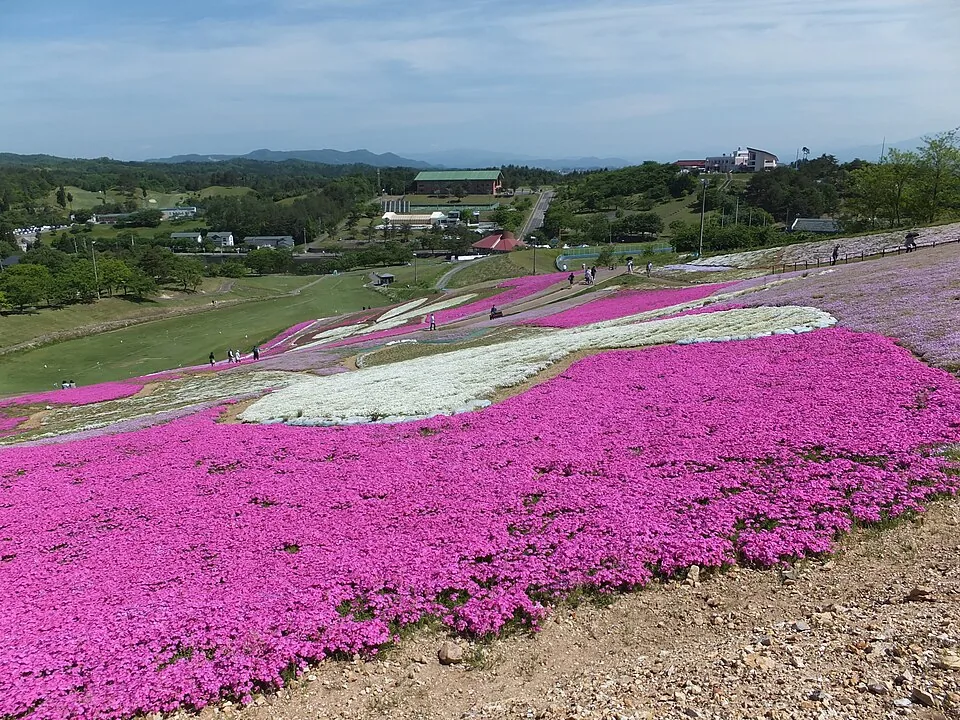
大森公園
秋田県横手市の公園
写真:8-Forest / CC BY-SA 3.0(resized and reformatted)
Photo source ·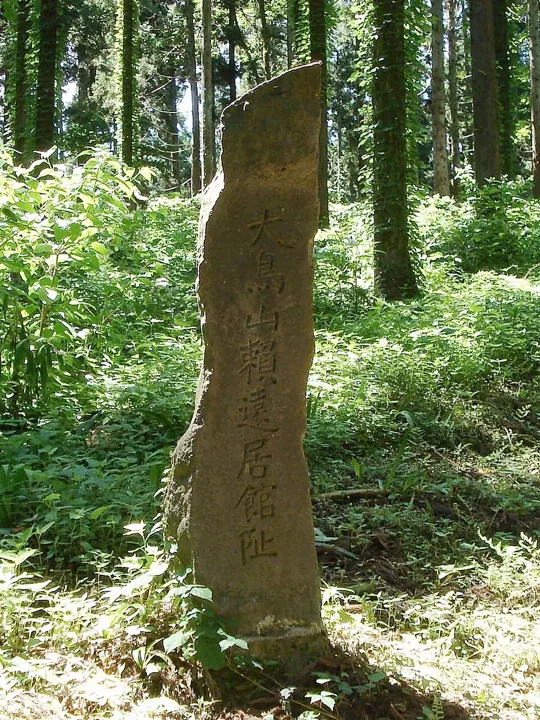
大鳥井山遺跡
日本の秋田県横手市にある平安時代の遺跡、国の史跡。
写真:MChew / CC BY-SA 4.0(resized and reformatted)
Photo source ·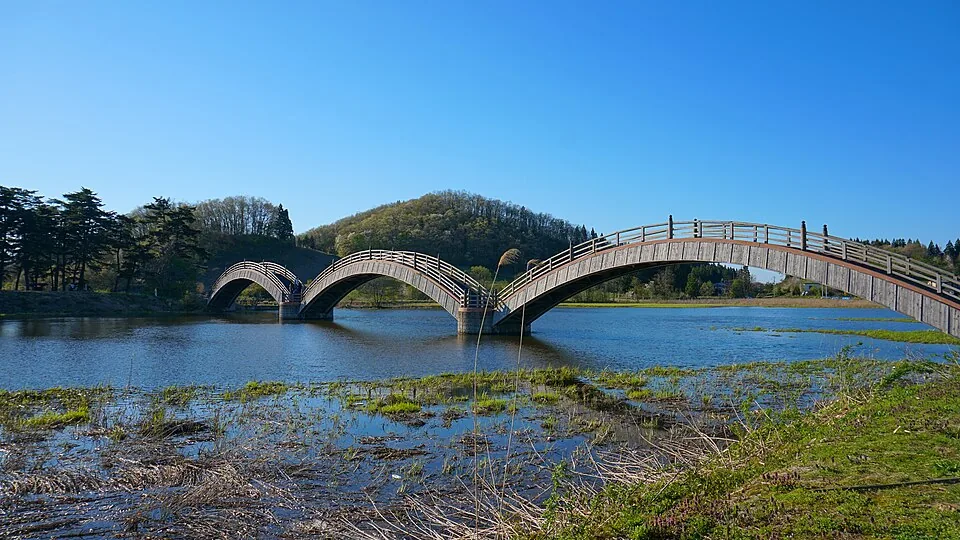
平安の風わたる公園
日本の秋田県横手市にある公園
写真:掬茶 / CC BY-SA 4.0(resized and reformatted)
Photo source ·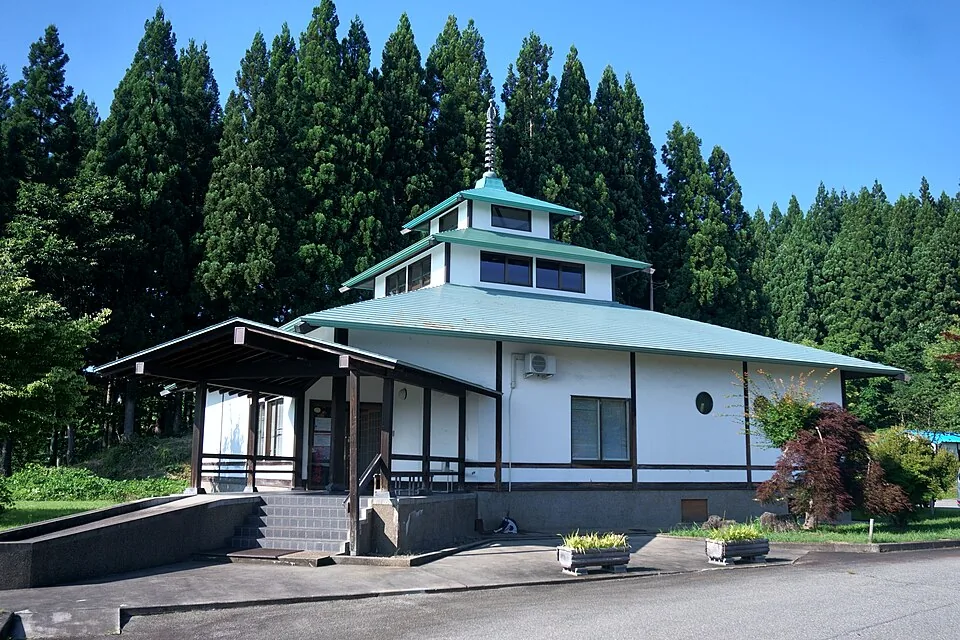
後三年合戦金沢資料館
日本の秋田県横手市にある歴史博物館
写真:掬茶 / CC BY-SA 4.0(resized and reformatted)
Photo source ·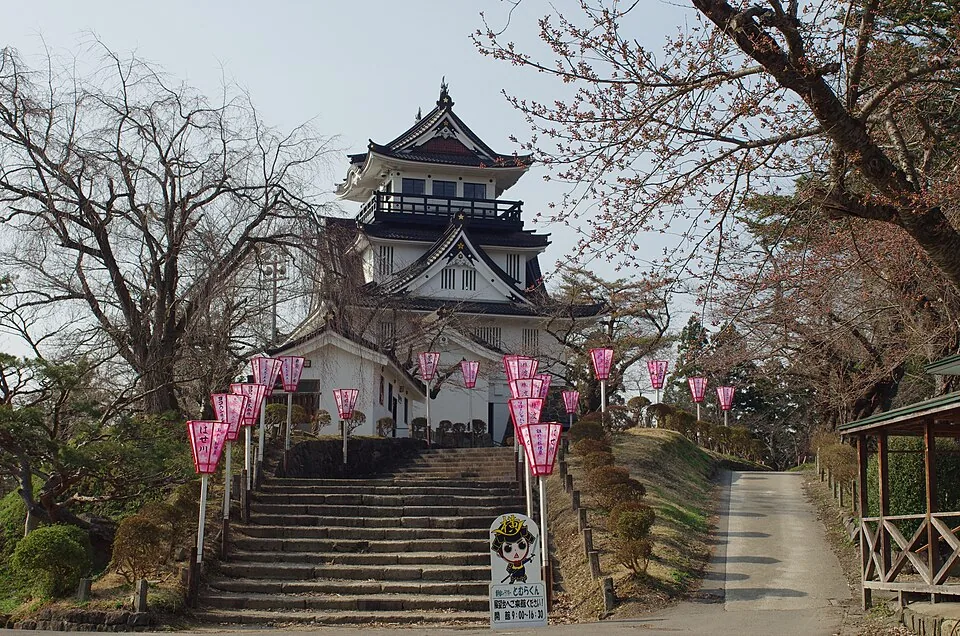
横手公園
秋田県横手市の公園
写真:Yuya Narita / CC BY-SA 3.0(resized and reformatted)
Photo source ·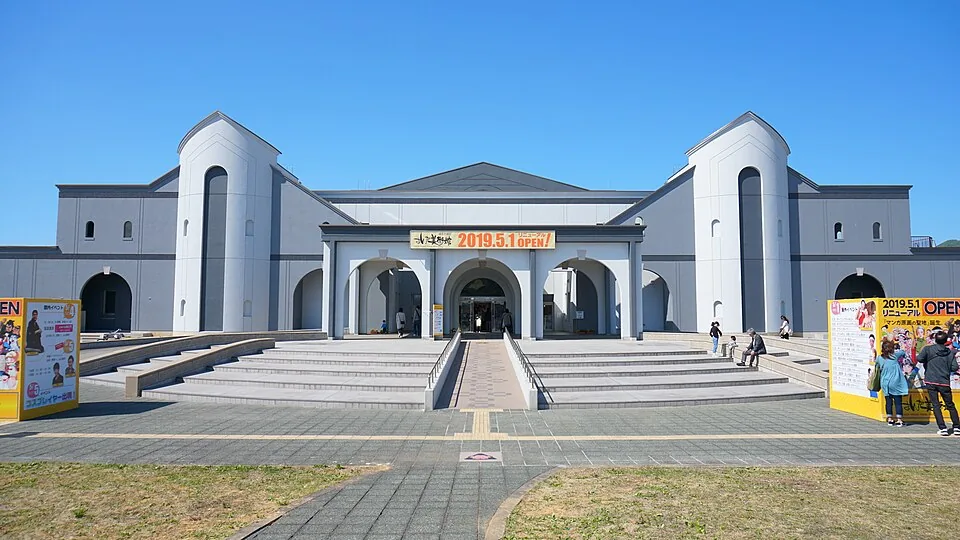
横手市増田まんが美術館
日本の秋田県横手市にある美術館
写真:掬茶 / CC BY-SA 4.0(resized and reformatted)
Photo source ·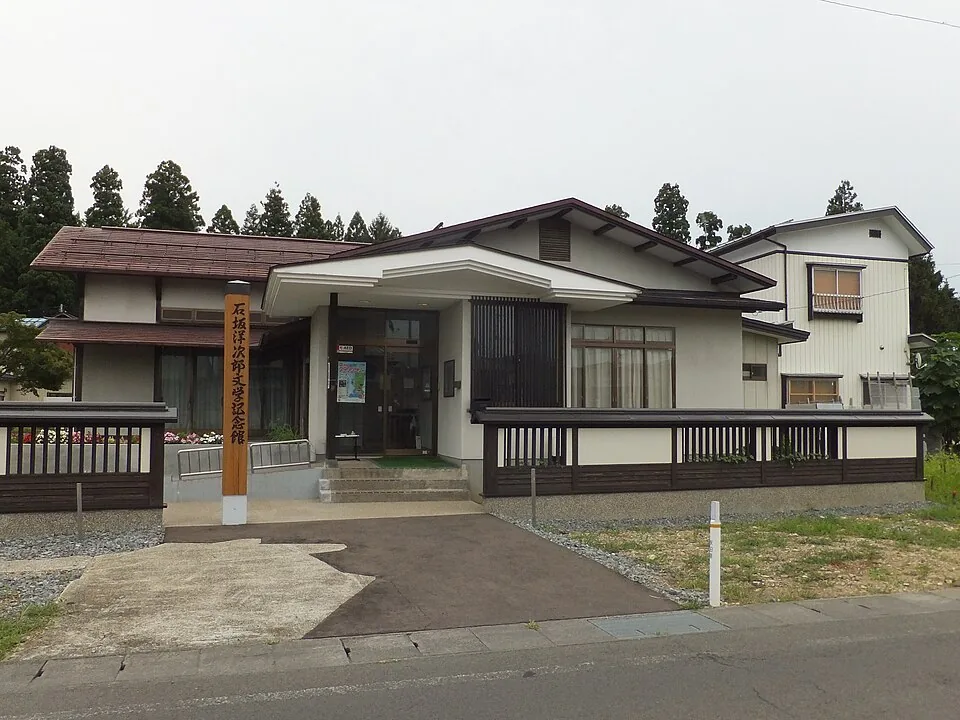
石坂洋次郎文学記念館
日本の秋田県横手市にある人物記念館
写真:掬茶 / CC BY-SA 3.0(resized and reformatted)
Photo source ·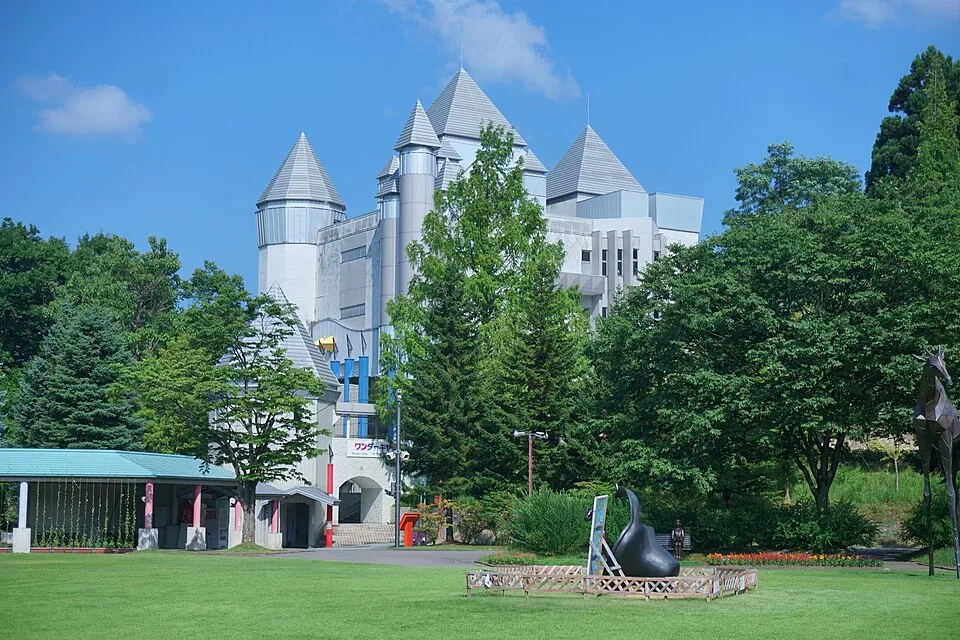
秋田ふるさと村
秋田県の魅力を紹介する秋田県横手市のテーマパーク
写真:掬茶 / CC BY-SA 4.0(resized and reformatted)
Photo source ·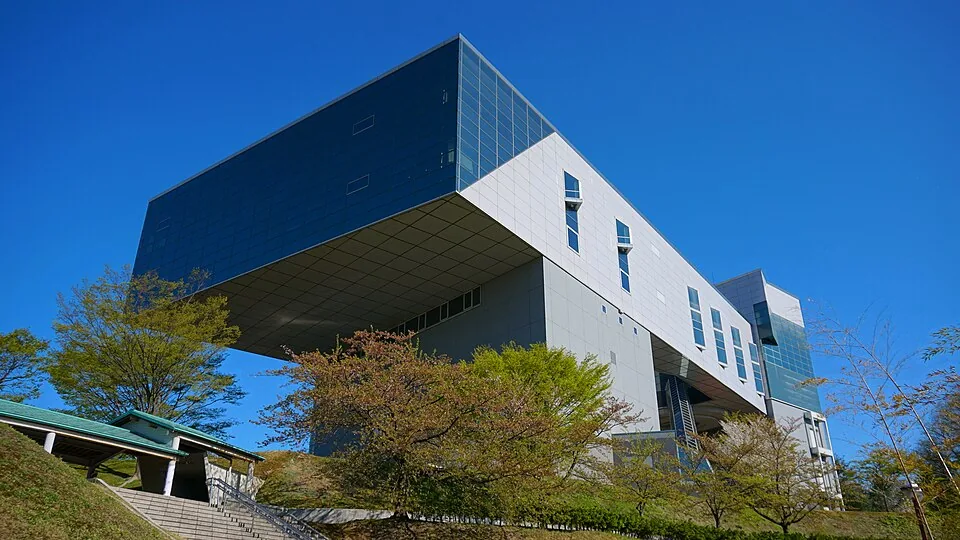
秋田県立近代美術館
秋田県横手市の秋田ふるさと村にある美術館
写真:掬茶 / CC BY-SA 4.0(resized and reformatted)
Photo source ·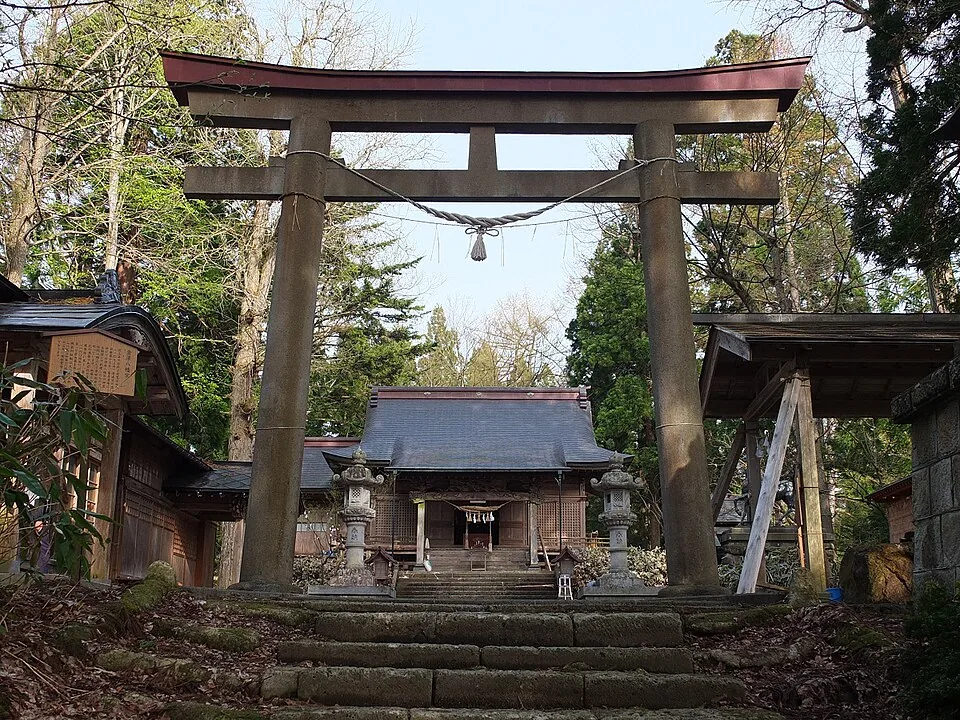
金沢公園
日本の秋田県横手市にある公園
写真:Ocavis Leechroot / CC BY 3.0(resized and reformatted)
Photo source ·Origins and History of Horoha-yama Shimotsuki Kagura
Horoha-yama Shimotsuki Kagura is a ritual said to have a history of more than 1,200 years.
The tradition is passed down as a form of yudate kagura in which priests from nearby areas gather and perform thirty-three ritual acts throughout the night.
The Horoha-yama dance, in which a miko delivers a divine oracle, includes elements that portray court ladies who may be seen as prototypes of shrine maidens. It was designated an Important Intangible Folk Cultural Property on May 17, 1977.
Official information
For information on the dates, venue, transportation, and how to attend, see “(Autumn) Shimotsuki Kagura” on the official Yokote City website.
Details of its cultural-property designation and an explanation of the kagura are also available in the Agency for Cultural Affairs’ Database of Nationally Designated Cultural Properties.
Horoha-yama Shimotsuki Kagura at a Glance
Horoha-yama Shimotsuki Kagura is a yudate kagura dedicated throughout the night at the shrine hall of Horoha-yama Hauchibetsu Shrine’s Satomiya, expressing gratitude for the harvest and prayers for abundant crops.
Thirty-three ritual acts and dances continue in a space surrounded by two boiling cauldrons, gohei, and shimenawa.
In 2026, anyone may attend from the night of November 7 until the following morning.
Japanese Festivals.jp Editorial Team
Celebrating local culture and helping you discover a side of Japan you never knew.
Article updated: 2026/10/19
Submit information or a correction Submit photos of this festival