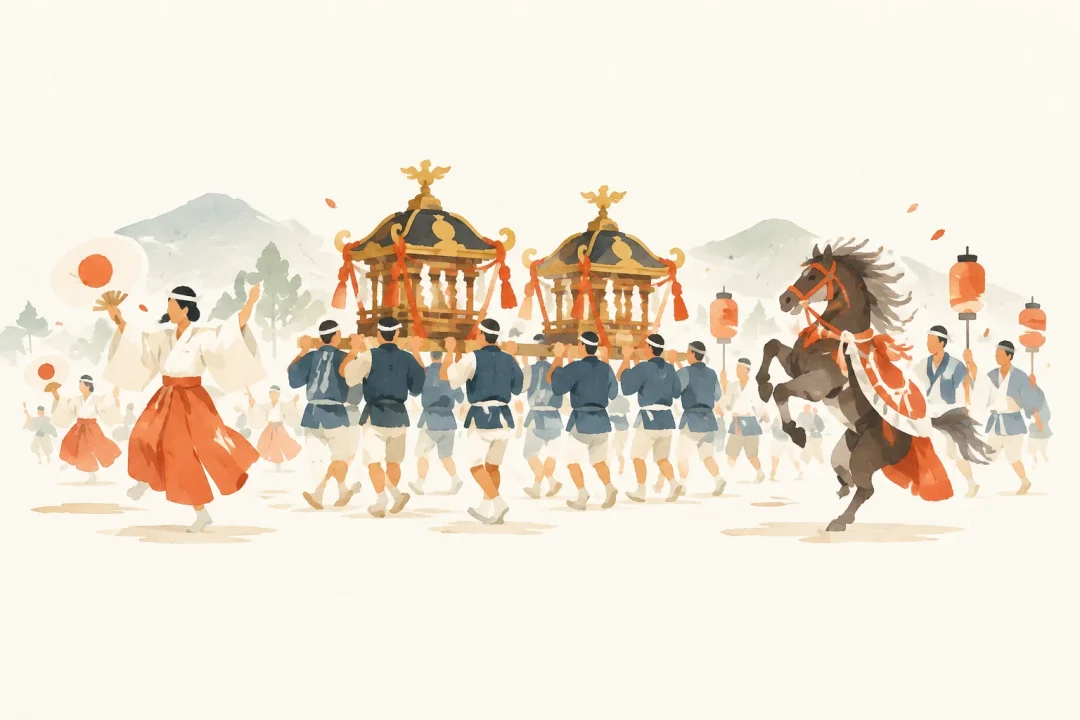
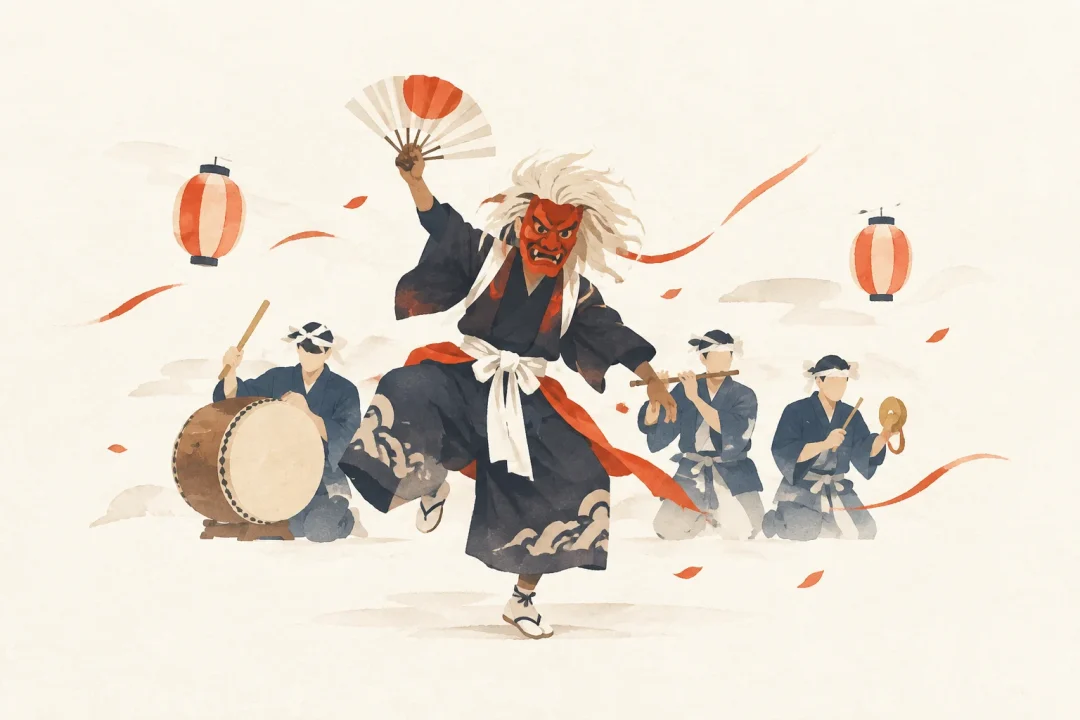
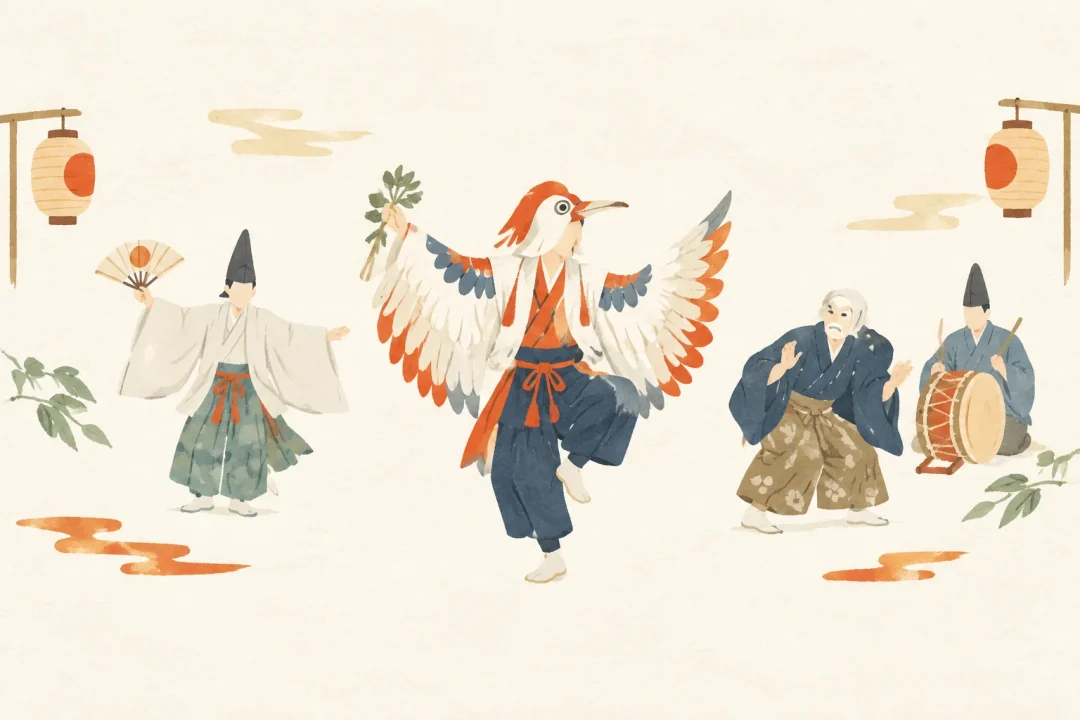
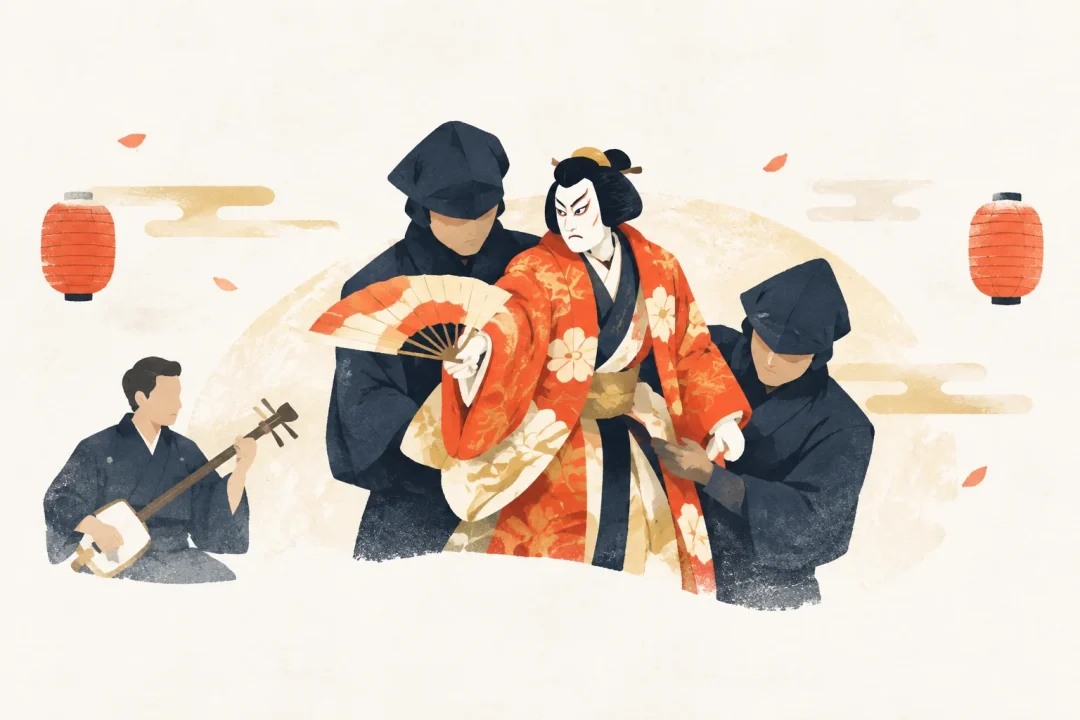
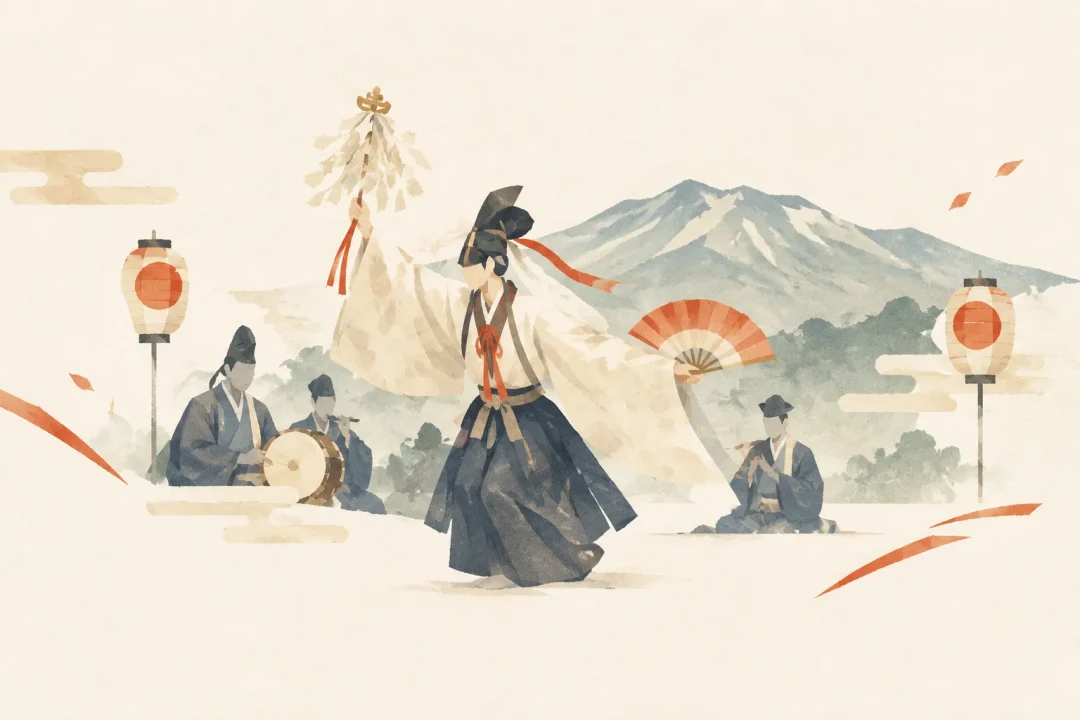
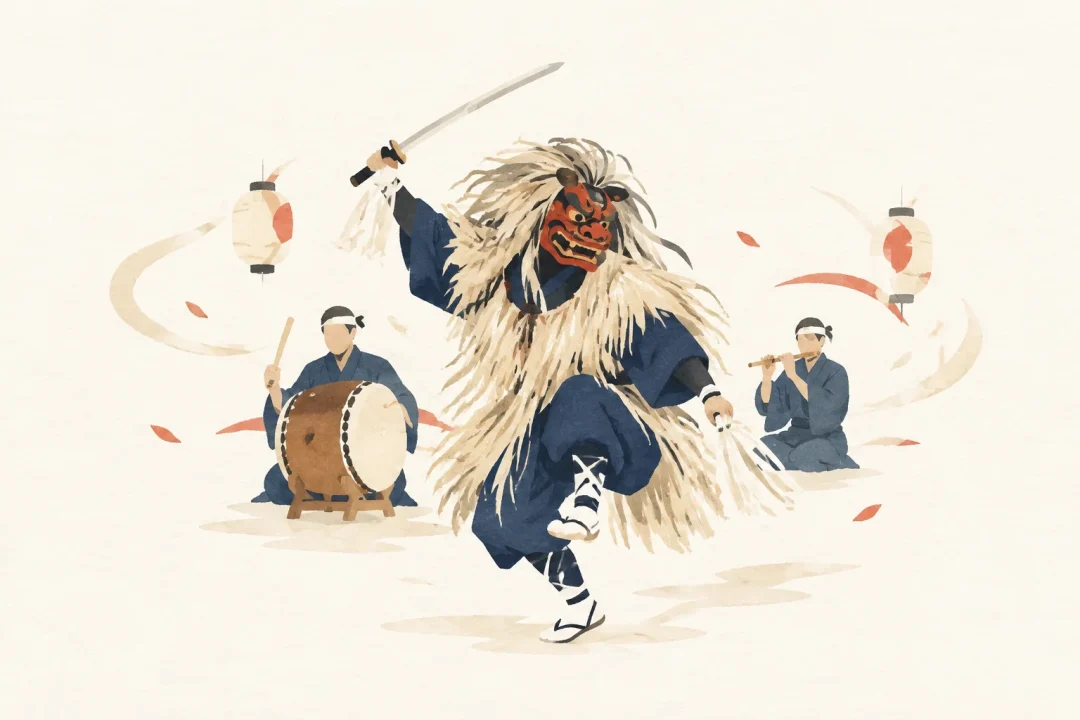
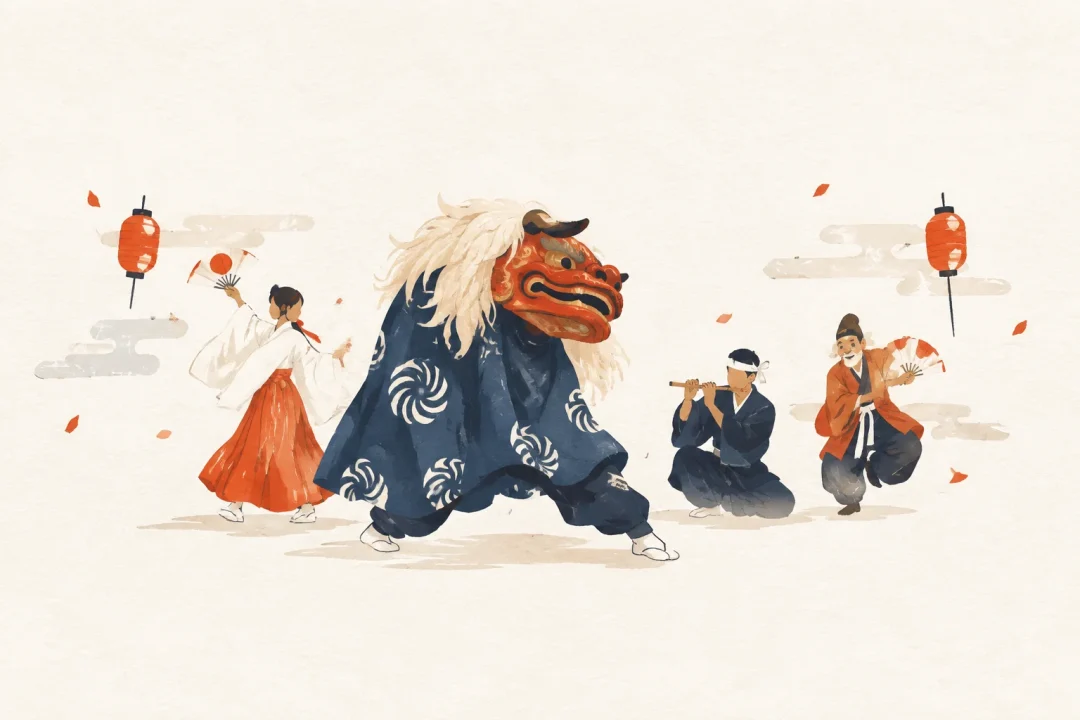
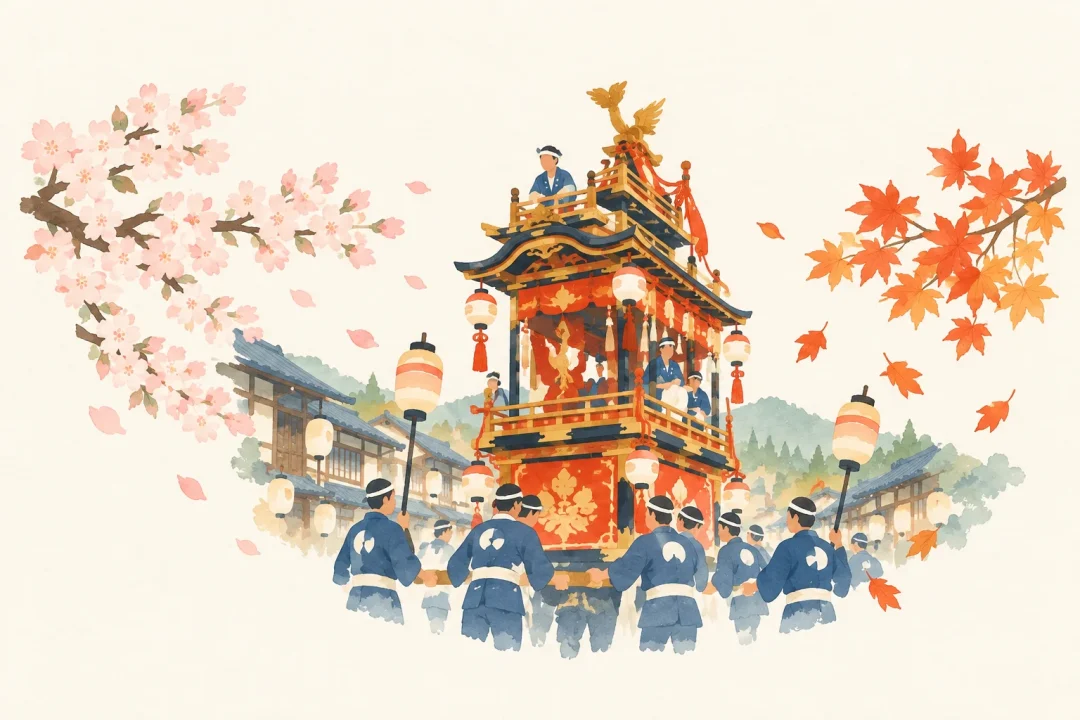
Susomago Kagura, reflecting Shugendo traditions in its shakujō staff and conch shell
Susomago Daijo Kagura
Festival information
EVENT INFORMATION- Season / frequency
- January 1, September 15 / 2 times a year
- Location
- Furutate Shrine, individual homes
- Area
- Iwate Prefecture・Kitakami City(From Tokyo: approx. 2 h 10 min–2 h 40 min · bullet train)Prefecture-level estimate to a main station or airport, not the venue. Airport access, check-in and onward travel are extra; remote areas and islands can take much longer.
- Last updated
- 2026/10/19
Susomago Daijo is one of the forms of yamabushi kagura passed down around Kitakami City. The dances performed with a shakujō staff, the sound of the conch shell, and the varied program all embody the characteristics of Shugendo-style kagura. An old custom of visiting individual homes after performances at Furutate Shrine has also been passed down.
About Susomago Daijo Kagura
Susomago Daijo Kagura is one of the forms of Daijo Kagura passed down around Kitakami City, Iwate Prefecture.
It follows the lineage of yamabushi kagura and retains a strong Shugendo character.
Its distinctive ritual implements include a shakujō staff held in place of bells. It is cherished as a folk performing art preserved and passed down in the community.
Source: 国指定文化財等データベース
Festival highlights
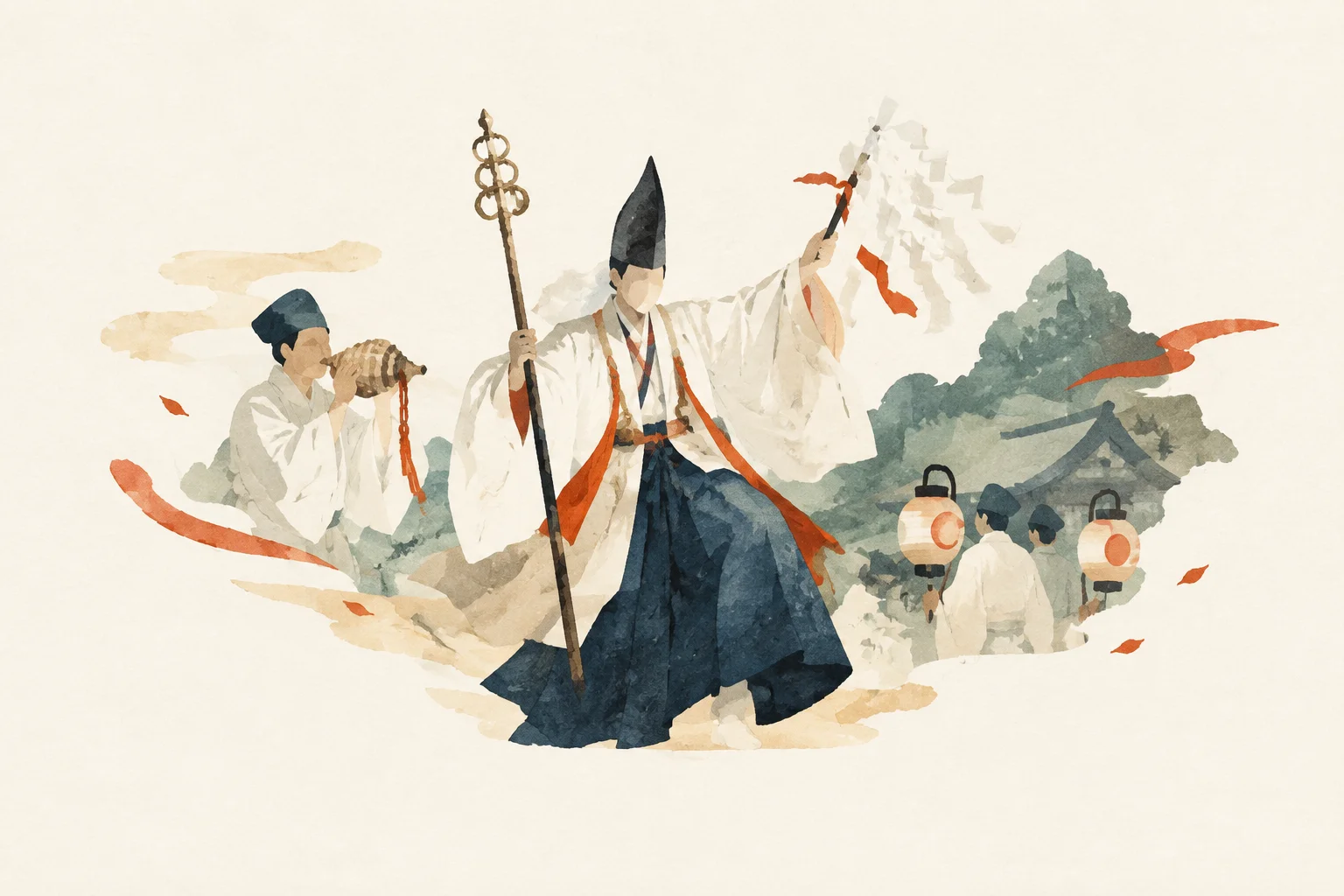
Highlights include Shugendo-style kagura danced with a shakujō staff and the sound of a conch shell between each piece.
The program includes pieces such as “Nanatsugama,” “Niwashizume,” “Maō,” “Kōjin,” and “Gongen,” as well as “Iwatobiraki,” “Sanbasō,” and dances.
Its old-style ritual character and varied program are what make Susomago Daijo Kagura unique.
Susomago Kagura, reflecting Shugendo traditions in its shakujō staff and conch shell
What to expect
The tradition is for the kagura to be performed at Furutate Shrine and then at individual homes.
The dancers use shakujō staffs instead of bells, and a conch shell is sounded between pieces.
Alongside a variety of kagura pieces, Sanbasō and kyogen dances have also been passed down, creating a program that conveys the ritual character of yamabushi kagura.
Location and access
- Venue and address
It is performed at Furutate Shrine and then at individual homes.
Event venue 岩手県北上市 古館神社
This map uses the venue name. Check the official guide for the event area and entrances.
Dates and season
Saimago Daijo Kagura is performed at Furudate Shrine on January 1 and September 15.
There is also a tradition of visiting and performing at individual homes after the offering at the shrine.
The specific start time and schedule for the day should be confirmed before the event.
Accommodation and hotels PR
Showing nearby accommodation.
Prices and availability are current at the time of retrieval. For multi-night stays, only the first night’s price is shown. Confirm the final price and directions to the venue with the booking provider. Select your dates again when using the area search link. Search area: within 3 km of Central Iwate Prefecture / Kitakami City (the search is not centered on the festival venue)
Nearby attractions
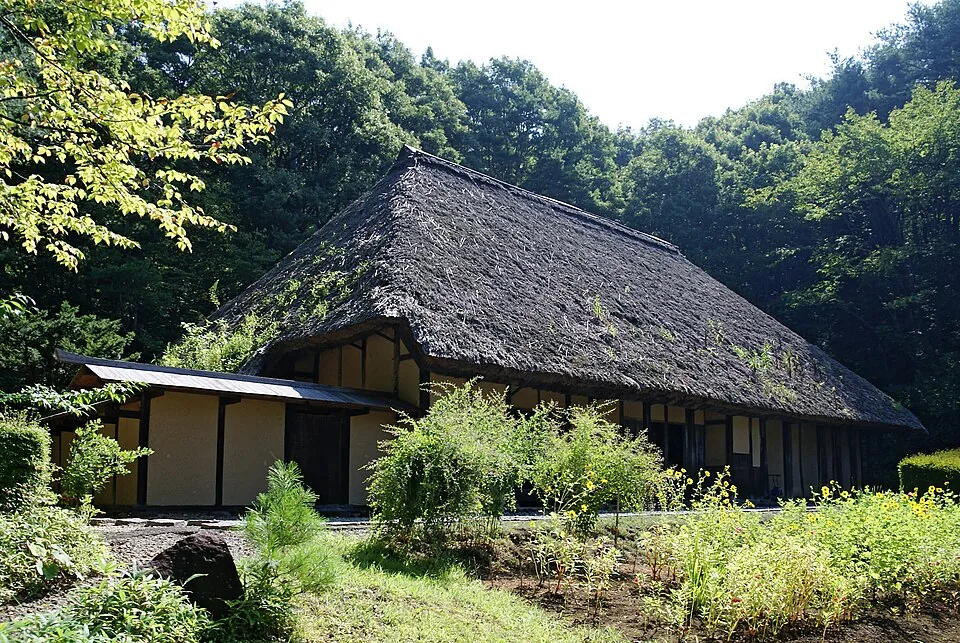
みちのく民俗村
日本の岩手県北上市にある博物館
写真:663highland / CC BY-SA 4.0(resized and reformatted)
Photo source ·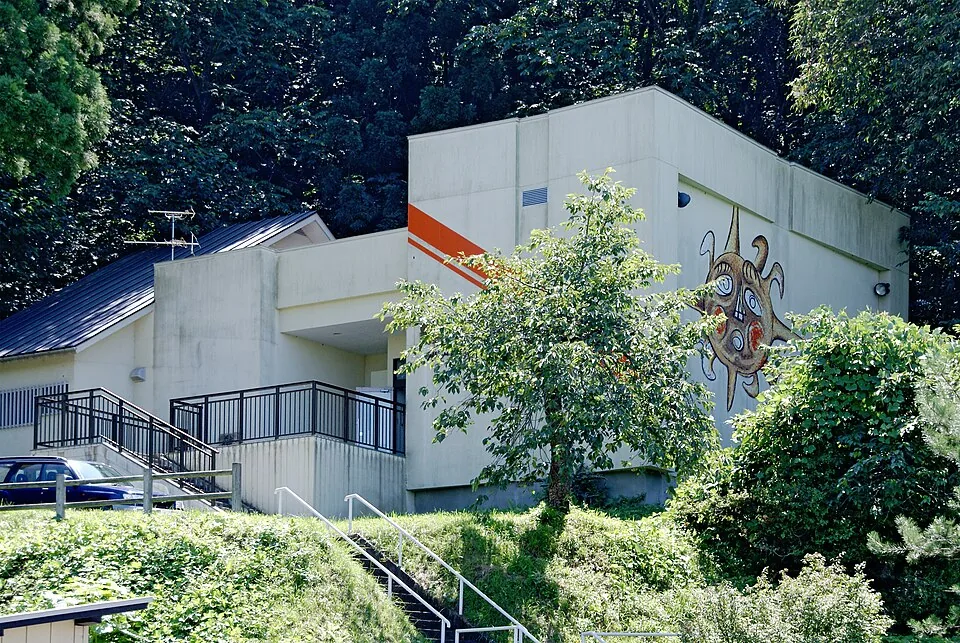
利根山光人記念美術館
岩手県北上市にある美術館
写真:663highland / CC BY 2.5(resized and reformatted)
Photo source ·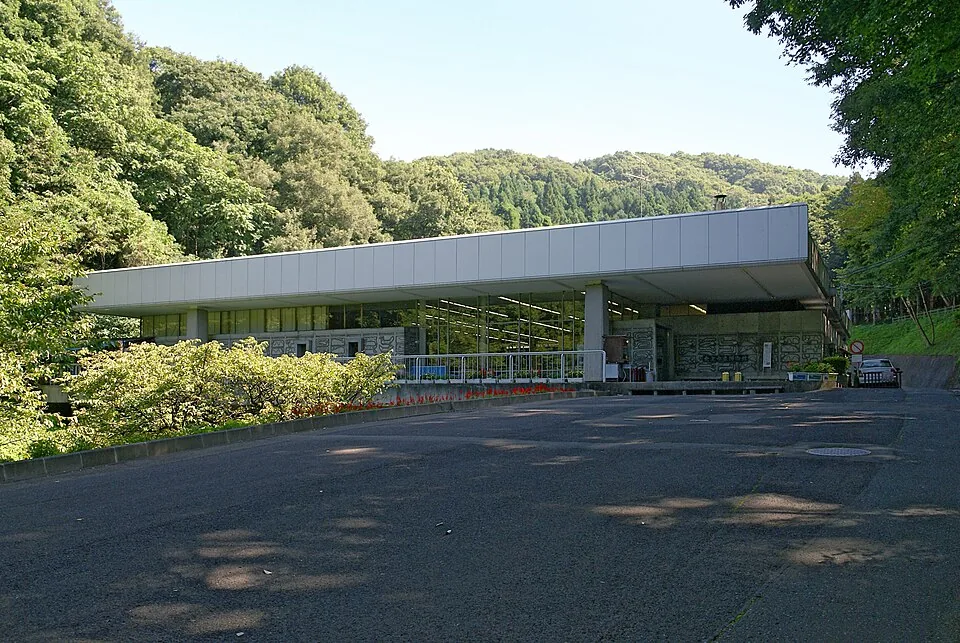
北上市立博物館
岩手県北上市にある博物館
写真:663highland / CC BY 2.5(resized and reformatted)
Photo source ·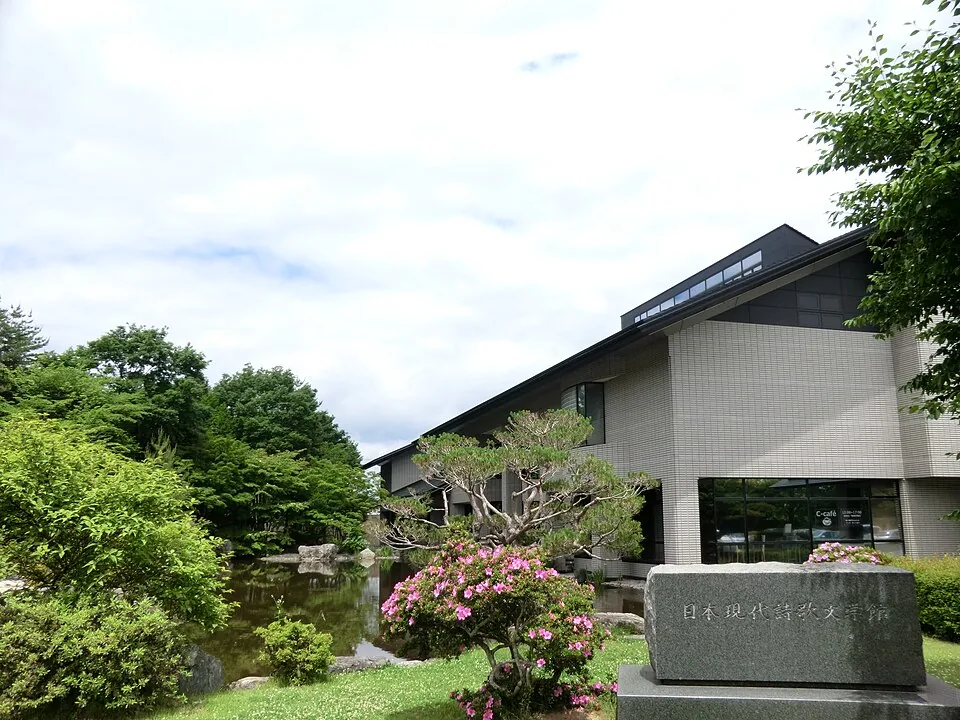
日本現代詩歌文学館
岩手県北上市にある文学館
写真:heriheri / CC BY 3.0(resized and reformatted)
Photo source ·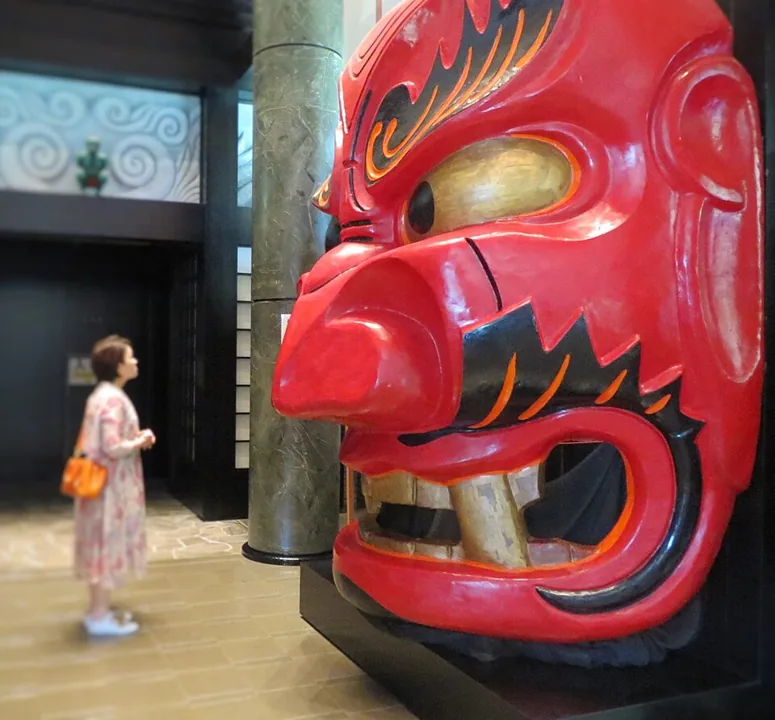
鬼の館
岩手県北上市にある博物館
写真:Ty19080914 / CC BY-SA 4.0(resized and reformatted)
Photo source ·Origins and History of Susomago Daijo Kagura
Susomago Daijo Kagura is a performing art descended from yamabushi kagura passed down in the Tohoku region.
As one of the forms of Daijo Kagura found around Kitakami City and Waga District, it retains its Shugendo character and the distinctive use of a shakujō staff.
In 1978, it was selected as an Intangible Folk Cultural Property for which measures such as documentation should be undertaken.
Official information
Database of Nationally Designated Cultural Properties, etc. (Agency for Cultural Affairs)
Susomago Daijo Kagura at a Glance
Susomago Daijo Kagura is a Shugendo-style form of yamabushi kagura passed down around Kitakami City.
Its distinctive features include dances performed with a shakujō staff, conch shell calls between pieces, and the tradition of proceeding from Furutate Shrine to individual homes.
A local folk performing art that preserves a varied program and an old-style ritual character to this day.
Japanese Festivals.jp Editorial Team
Celebrating local culture and helping you discover a side of Japan you never knew.
Article updated: 2026/10/19
Submit information or a correction Submit photos of this festival