Vigorous, varied lion dances and bangaku passed down through faith in Mount Chokai
Honkai Shishimai Bangaku
Festival information
EVENT INFORMATION- Season / frequency
- The curtain-opening ceremony is held every January, and depending on the district, the curtain-closing ceremony takes place in September, November, or December. Performances are also held at shrine festivals, during Bon, and at harvest festivals. / Every year
- Area
- Akita Prefecture・Yurihonjo City(From Tokyo: approx. 3 h 40 min–4 h 10 min · bullet train)Prefecture-level estimate to a main station or airport, not the venue. Airport access, check-in and onward travel are extra; remote areas and islands can take much longer.
- Highlights and activities
- Wishes behind the festival
- Last updated
- 2026/10/19
Honkai Bangaku, passed down in 13 districts of Chokai, Yurihonjo City, against the backdrop of the mountain faith centered on Mount Chokai. Lion dances featuring energetic teeth-clacking and a varied traditional repertoire bring local festivals and daily life to life.
About Honkai Shishimai Bangaku
Honkai Shishimai Bangaku is a lion-dance bangaku tradition passed down in 13 districts of Chokai, Yurihonjo City, Akita Prefecture, against the backdrop of mountain faith in Mount Chokai.
Particular importance is placed on lion dances, which have been performed at events closely connected to local life, such as shrine festivals, during Bon, and at harvest festivals.
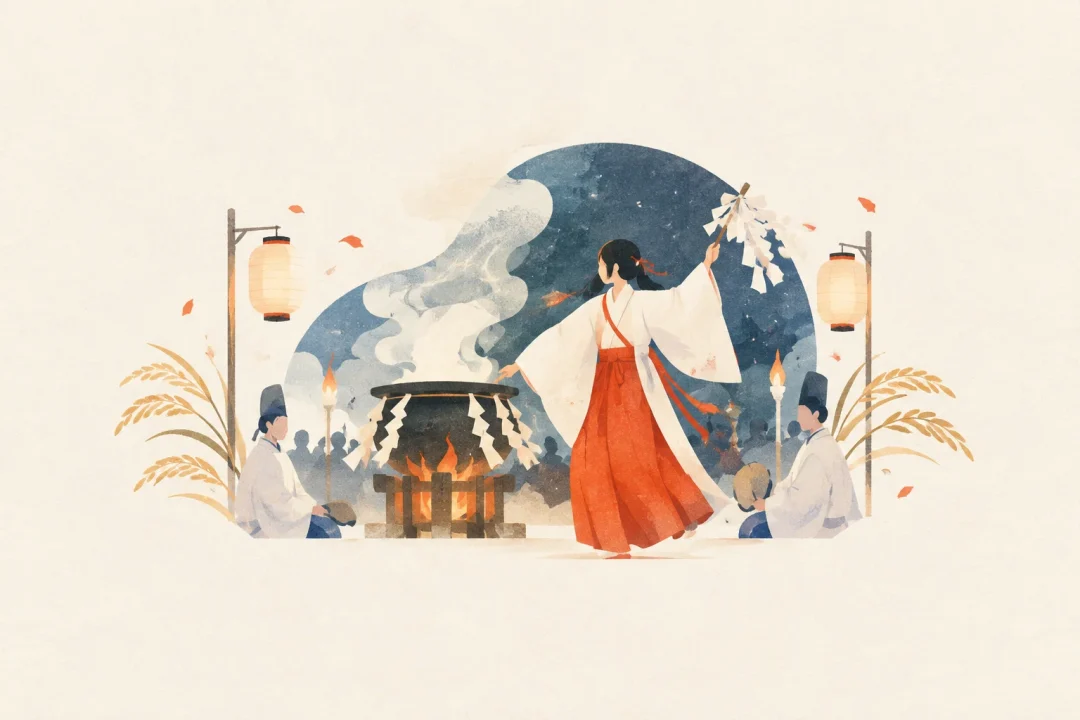
In addition to lion dances, a diverse repertoire has been passed down, including ritual dances, dances of the gods, warrior dances, and women’s dances.
It is designated a National Important Intangible Folk Cultural Property.
Source: 国指定文化財等データベース
Festival highlights
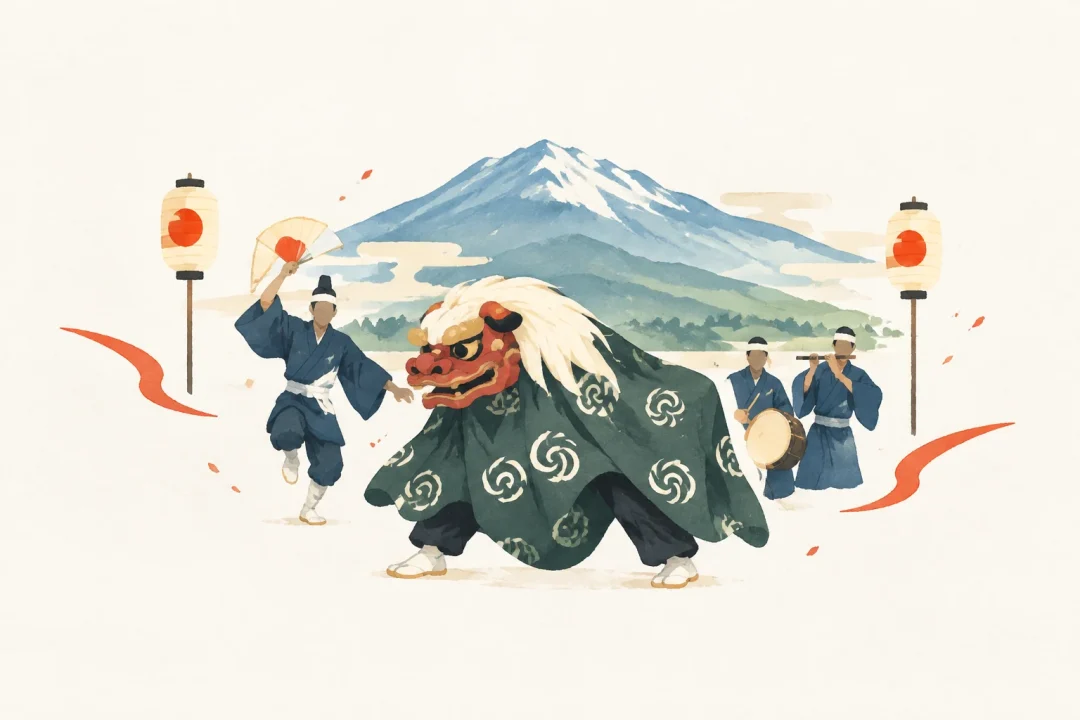
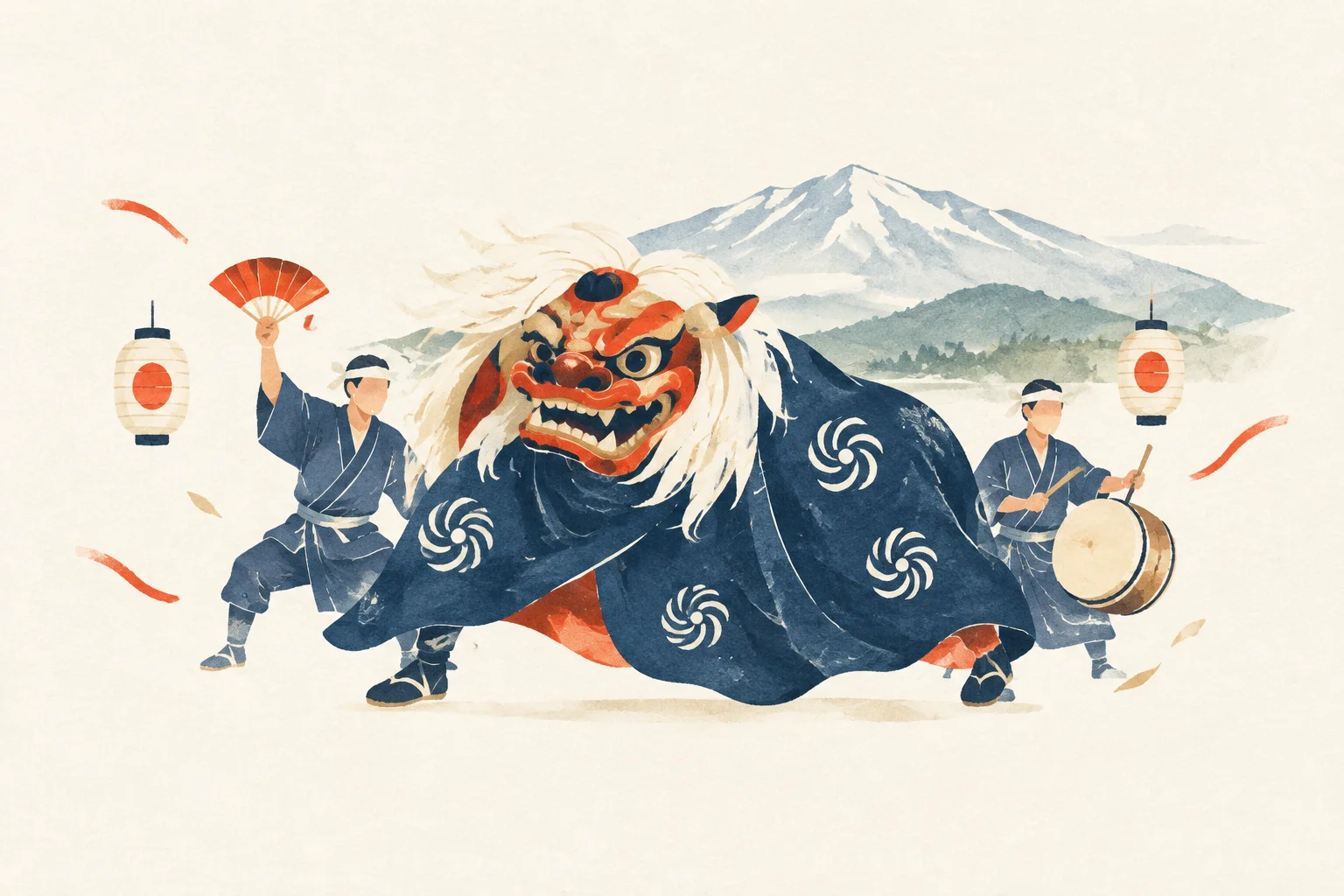
The main highlight is the vigorous lion dance performed by two people: a dancer holding the lion head and a second performer behind them handling the curtain.
The dance is also known for repeatedly clacking the upper and lower teeth together and vigorously shaking the lion head.
In addition to lion dances, performances of varied character have been passed down, including “Tori-mai,” “Okina,” “Yama no Kami,” “Tsurugi no Mai,” “Soga,” and “Yashima.”
Source: 本海獅子舞番楽(ほんかいししまいばんがく)|由利本荘市公式ウェブサイト
Vigorous, varied lion dances and bangaku passed down through faith in Mount Chokai
What to expect
The performance unfolds to singing and the accompaniment of a flute, a long-bodied shime-daiko mounted in a frame, and a small cymbal.
In the shishimai, the dancer holds the lion head while the person handling the rear curtain supports the movements by spreading the curtain and letting the dancer pass beneath it.
In some districts, the dance is performed at shrine festivals, during , at harvest festivals, for insect-chasing rites, and to ward off fires in newly built homes. The troupe remains active throughout the year, from the opening of the curtain to its closing.
Location and access
- Venue and address
The listed venue is a special stage at Chokai-machi Kenko Hiroba (28-1 Akashibu, Fushimi, Chokai-machi, Yurihonjo City, Akita Prefecture).
- By car
The route from Ogatsu Town to Fushimi in Chokai Town via National Route 108 and Matsunoki Tunnel is listed as approximately 30 km and about 35 minutes.
- Parking
There is parking for approximately 300 passenger cars.
Source: 祭・イベント詳細: 本海流獅子舞・番楽;|(一財)都市農山漁村交流活性化機構(まちむら交流きこう)
Event venue 秋田県由利本荘市 鳥海町健康広場特設舞台と案内されています
This map uses the venue name. Check the official guide for the event area and entrances.
Dates and season
- Season
The curtain-opening ceremony is held every January, and depending on the district, the curtain-closing ceremony takes place in September, November, or December.
Performances are also held at shrine festivals, during Bon, and at harvest festivals.
- Frequency
Every year
Accommodation and hotels PR
Showing nearby accommodation.
Prices and availability are current at the time of retrieval. For multi-night stays, only the first night’s price is shown. Confirm the final price and directions to the venue with the booking provider. Select your dates again when using the area search link. Search area: within 3 km of Central Akita Prefecture / Yurihonjo City (the search is not centered on the festival venue)
Nearby attractions
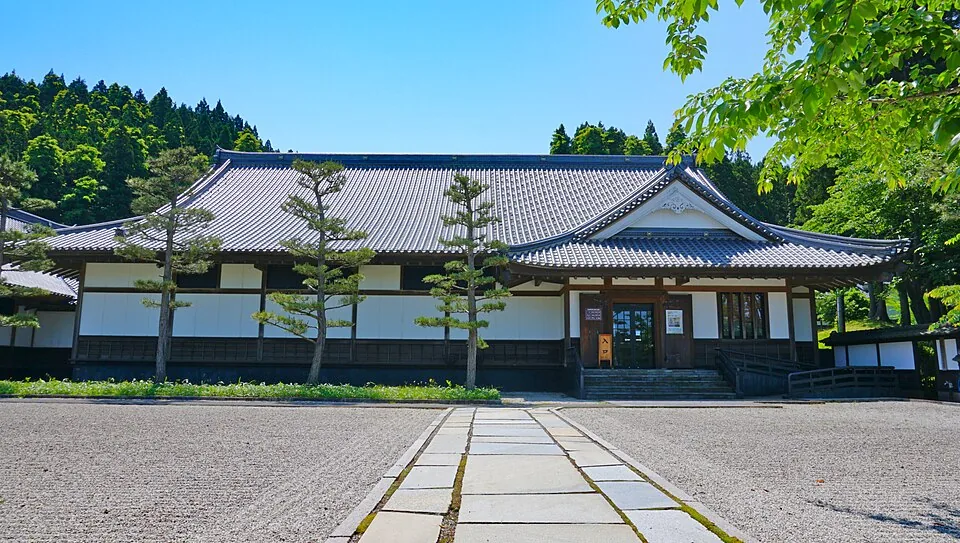
亀田城佐藤八十八美術館
秋田県の博物館・美術館のスポットです。
写真:掬茶 / CC BY-SA 4.0(resized and reformatted)
Photo source ·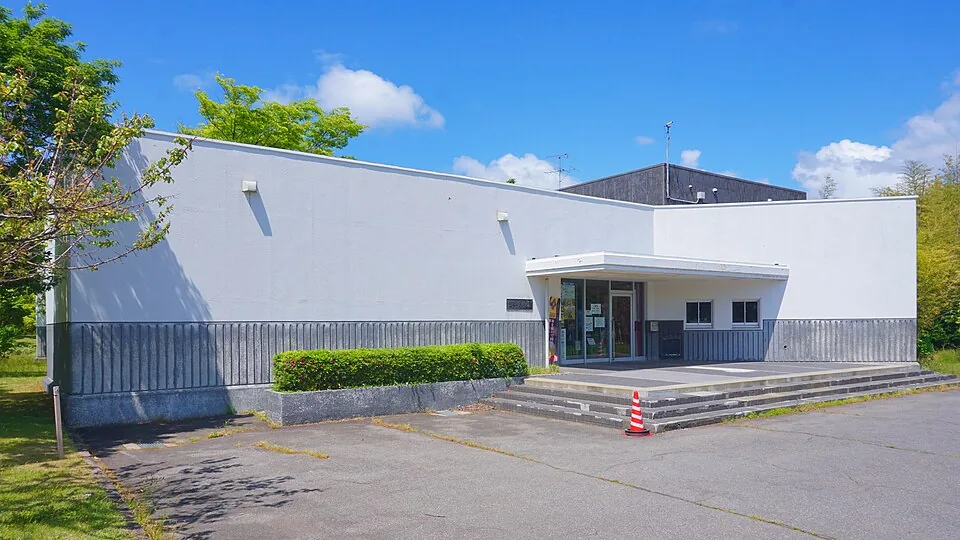
本荘郷土資料館
秋田県由利本荘市にある資料館
写真:掬茶 / CC BY-SA 4.0(resized and reformatted)
Photo source ·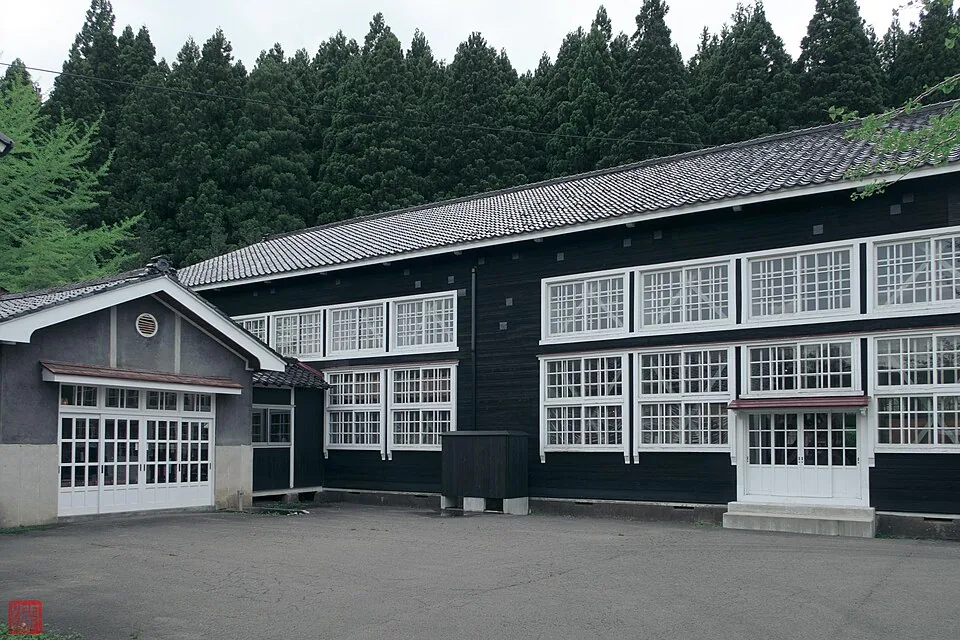
鳥海山 木のおもちゃ館
秋田県の博物館・美術館のスポットです。
写真:Jun K / CC BY-SA 2.0(resized and reformatted)
Photo source ·Origins and History of Honkai Shishimai Bangaku
Honkai Shishimai Bangaku is said to have been introduced to the villages of Chokai, Yurihonjo City, during the Kan’ei era of the early Edo period by a practitioner of Shugendo known as either Honkai Gyōnin or Honkai-bō.
Closely connected to the mountain faith centered on Mount Chokai, it has been passed down separately by confraternities in 13 districts.
The repertoire is diverse: records preserved by each confraternity list a total of 48 pieces, and approximately 30 pieces in all are still passed down today.
It was designated an Important Intangible Folk Cultural Property in 2011.
Official information
The Yurihonjo City official website introduces the Honkai Shishimai Bangaku, its outline, preservation groups, repertoire, and date of designation as a cultural property.
The National Database of Designated Cultural Properties also provides the name of the Important Intangible Folk Cultural Property, its area of location, preservation groups, and a detailed explanation.
Honkai Shishimai Bangaku at a Glance
Honkai Shishimai Bangaku is an Important Intangible Folk Cultural Property passed down in 13 districts of Chokai, Yurihonjo City, against the backdrop of faith in Mount Chokai.
Alongside lion dances known for their energetic movements and teeth-clacking, the repertoire includes a variety of dances: ritual dances, dances of the gods, warrior dances, and women’s dances.
This performing art has been passed down as part of local life and is performed at shrine festivals, during Bon, and at harvest festivals.
Japanese Festivals.jp Editorial Team
Celebrating local culture and helping you discover a side of Japan you never knew.
Article updated: 2026/10/19
Submit information or a correction Submit photos of this festival