Traditional processions from 3 shrines, with mikoshi and dashi floats bringing color to Hachinohe’s summer
Hachinohe Sansha Taisai Festival
Festival information
EVENT INFORMATION- Season / frequency
- Every year from July 31 to August 4 / Every year
- Area
- Aomori Prefecture・Hachinohe City(From Tokyo: approx. 3 h–3 h 30 min · bullet train)Prefecture-level estimate to a main station or airport, not the venue. Airport access, check-in and onward travel are extra; remote areas and islands can take much longer.
- Wishes behind the festival
- Participation / viewing
- Spectators welcome
- Official website / social media
- Official website
- Last updated
- 2026/10/19
Hachinohe Sansha Taisai is a festival with a history of about 300 years, in which processions from 3 shrines and magnificent floats travel through central Hachinohe. Experience local traditions up close through local performing arts, the floats’ mechanisms, and nighttime processions.
Photo credits and terms of use
Photographer: 8-Forest File:Hachinohe Sansha Taisai Festival, 2 August 2014-001.JPG / Wikimedia Commons / CC BY-SA 4.0 Own work by the contributorDisplay size only adjusted.May differ from the event currently featured.Photo credits and terms of use
Photographer: 8-Forest File:Hachinohe Sansha Taisai Festival, 2 August 2014-002.JPG / Wikimedia Commons / CC BY-SA 4.0 Own work by the contributorDisplay size only adjusted.May differ from the event currently featured.Photo credits and terms of use
Photographer: 8-Forest File:Hachinohe Sansha Taisai Festival, 2 August 2014-004.JPG / Wikimedia Commons / CC BY-SA 4.0 Own work by the contributorDisplay size only adjusted.May differ from the event currently featured.About Hachinohe Sansha Taisai Festival
Hachinohe Sansha Taisai is a joint annual festival held by Ogami Shrine, Chojasan Shinra Shrine, and Shinmeigu Shrine in Hachinohe City.
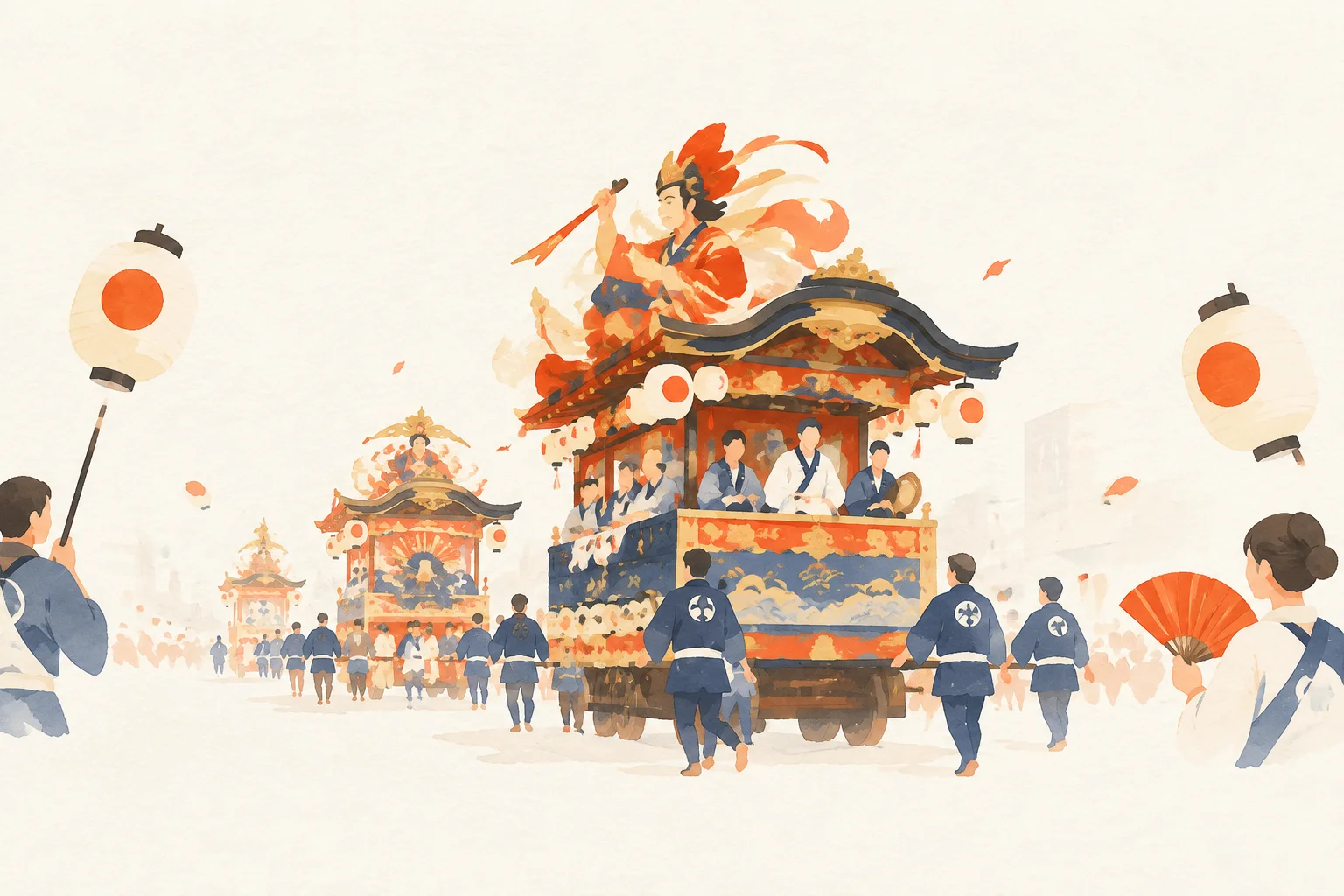
Processions of and large, magnificent dashi floats, remade each year by neighborhood groups and others, travel through the city, showcasing the local culture of the Hachinohe region.
The dashi float procession is designated a National Important Intangible Folk Cultural Property and is also inscribed on UNESCO’s Intangible Cultural Heritage list.
For 5 days each year, from July 31 to August 4, shrine processions, dashi float parades, and local performing arts take place.
Source: 八戸三社大祭を知る (歴史・豆知識) | VISIT HACHINOHE | VISITはちのへ観光物産サイト / 八戸三社大祭の山車行事|青森県庁ウェブサイト Aomori Prefectural Government
Festival highlights
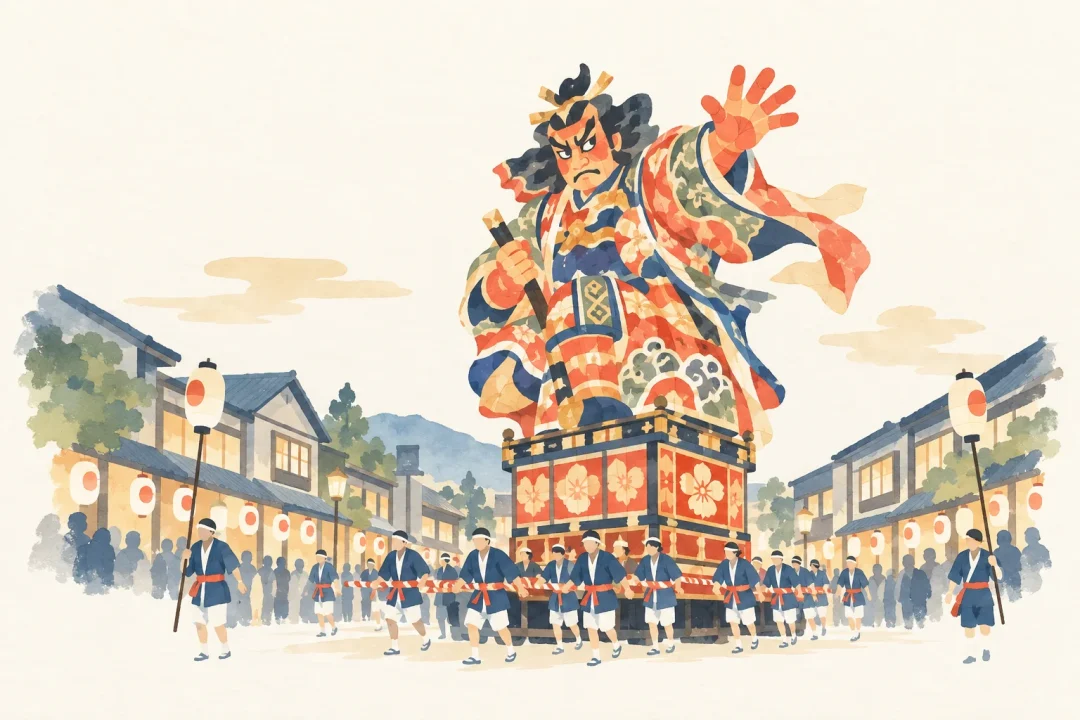
Dashi floats reaching up to 11 meters high and 8 meters wide move through the downtown area alongside the shrine processions.
The floats feature mechanisms such as parts that spread out sideways and rear sections that rise, so you can watch them change as they move.
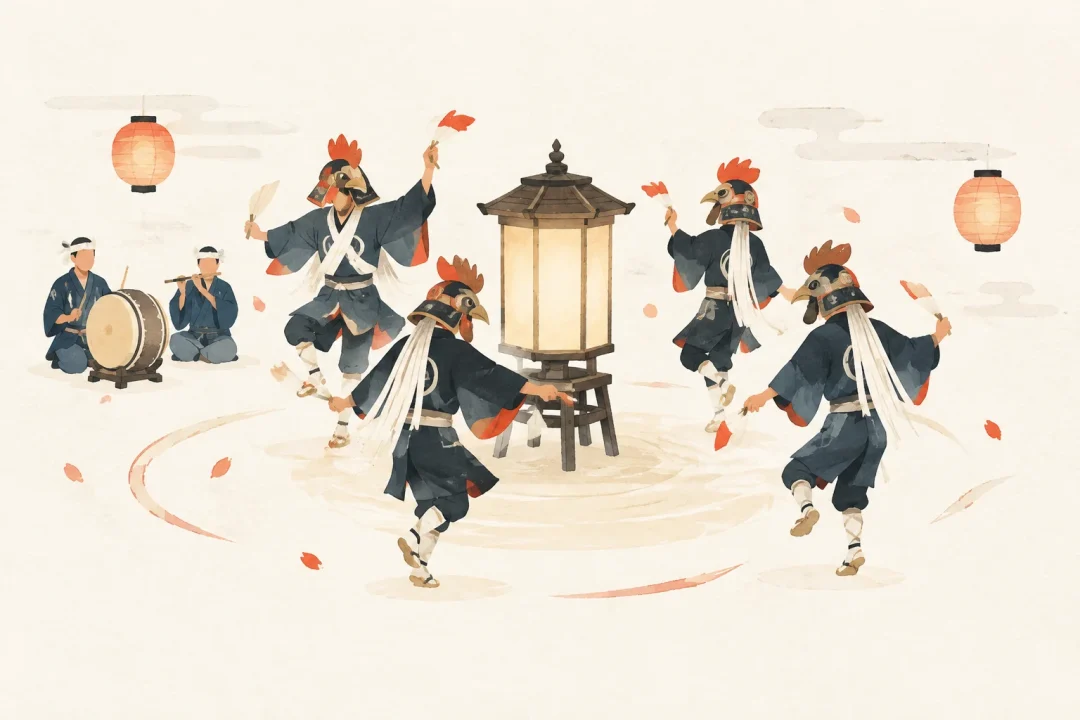
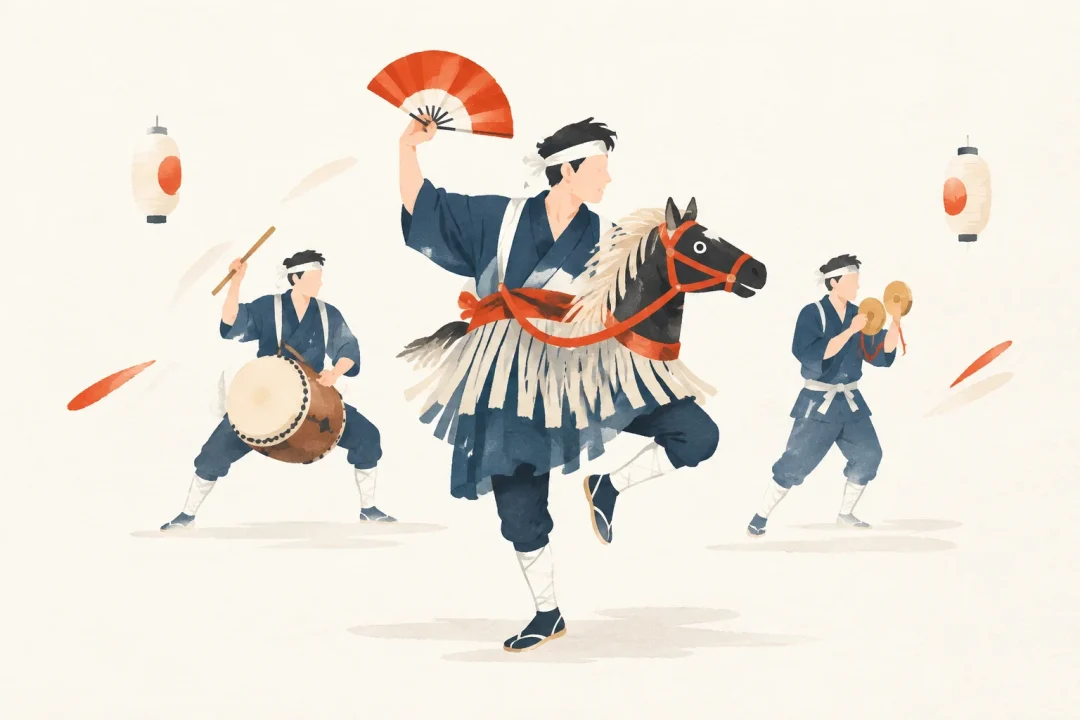
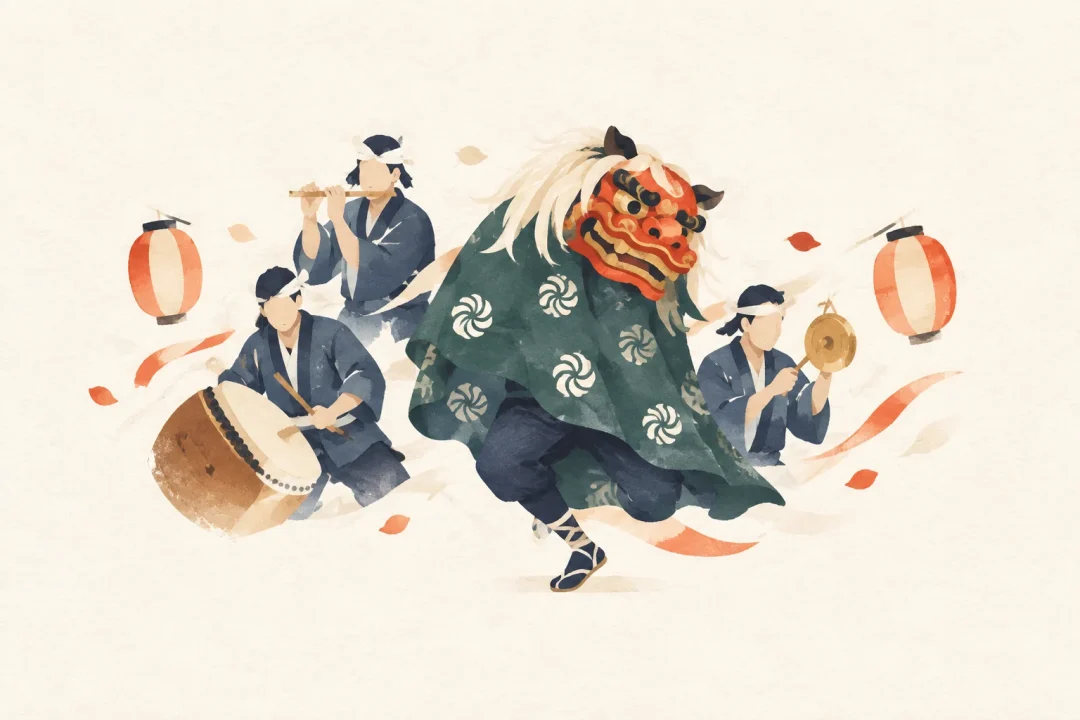
A variety of local performing arts, including Horyo , tiger dances, komadori, and sasa no ha odori, add color to the processions.
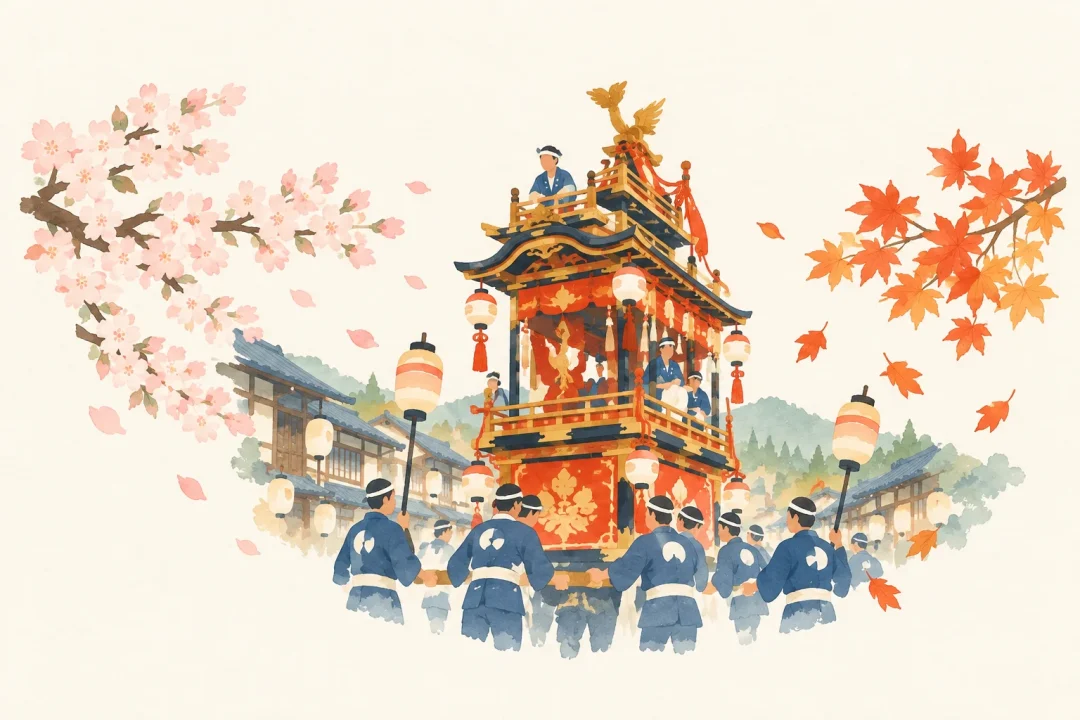
At night, the floats are illuminated, creating an atmosphere different from the daytime.
Traditional processions from 3 shrines, with mikoshi and dashi floats bringing color to Hachinohe’s summer
What to expect
The festival features processions of mikoshi from the 3 shrines, shrine maidens, warriors, kagura, and tiger dancers, which move through the city alongside dashi floats.
Each neighborhood creates its dashi floats based on themes such as mythology, kabuki, and folk tales; some floats unfold elaborate mechanisms while in motion.
During the eve-of-festival and post-festival celebrations, floats gather in the downtown area and at the City Hall Civic Plaza, offering a chance to take a close look at their decorations and figures while they are stationary.
As well as watching the procession along the route, you can enjoy festival-related areas such as the Omatsuri Hiroba festival plaza.
Source: 伝統と歴史が誇る八戸三社大祭を満喫しよう|特集|【公式】青森県観光情報サイト Amazing AOMORI
How to take part
Members of the public can watch the shrine processions and dashi floats as they make their way through the city center from along the route.
Standing along the route is also possible, and paid viewing seats for watching the procession up close are available in some years.
There have also been hands-on programs allowing participants to join the procession, such as pulling a dashi float, but participation requirements and recruitment status vary by year.
If you wish to join the procession, please check the recruitment details for the relevant year.
Source: 【終了しました】2026年 八戸三社大祭 行事日程【2026年7月31日(金)~8月4日(火)】 | VISIT HACHINOHE | VISITはちのへ観光物産サイト
Location and access
- Address
Hachinohe City
Host municipality Hachinohe City, Aomori Prefecture
This map shows the surrounding area, not the exact venue location.
Dates and season
- Season
Every year from July 31 to August 4
- Frequency
Every year
Accommodation and hotels PR
Showing nearby accommodation.
Prices and availability are current at the time of retrieval. For multi-night stays, only the first night’s price is shown. Confirm the final price and directions to the venue with the booking provider. Select your dates again when using the area search link. Search area: within 3 km of Central Aomori Prefecture / Hachinohe City (the search is not centered on the festival venue)
Tips for your visit
What you can see of the floats as they move varies depending on the width of the road and how their mechanisms unfold.
The eve-of-festival and post-festival celebrations can be crowded because the floats are displayed all at once. Please be considerate and make room for others while watching.
Please do not reserve a spot unattended or hold a place for an extended time using tape, sheets, or belongings.
If you use a viewing seat in rainy weather, bring rain gear, as some seats have no roof.
Nearby attractions
To learn more about the culture of Hachinohe Sansha Taisai, visit the Hachinohe Sansha Taisai Information Corner on the 1st floor of Yutori, where you can learn about the festival’s origins, shrine processions, and how the dashi floats are made.
A miniature dashi float, “The Seven Lucky Gods and the Treasure Ship,” is on permanent display at Hachinohe Portal Museum Hacchi.
A miniature dashi float, “Journey to the West,” is also on permanent display on the 1st floor of the Hachinohe City Hall main building, offering another way to appreciate the festival floats.
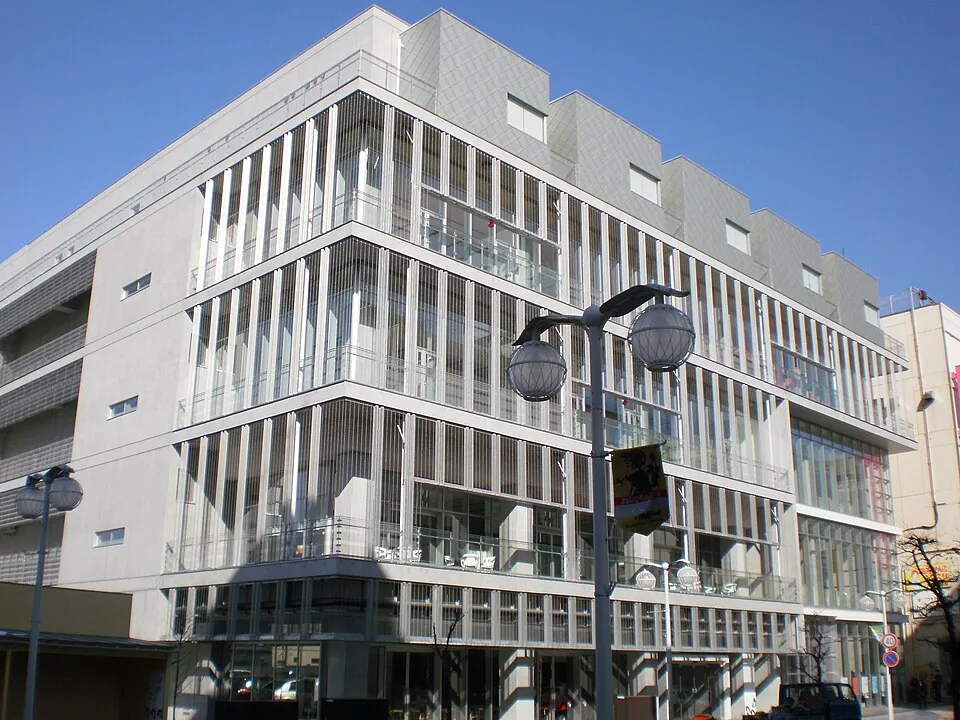
はっち
青森県八戸市にある文化観光交流施設
写真:Wakkubox / CC BY-SA 3.0(resized and reformatted)
Photo source ·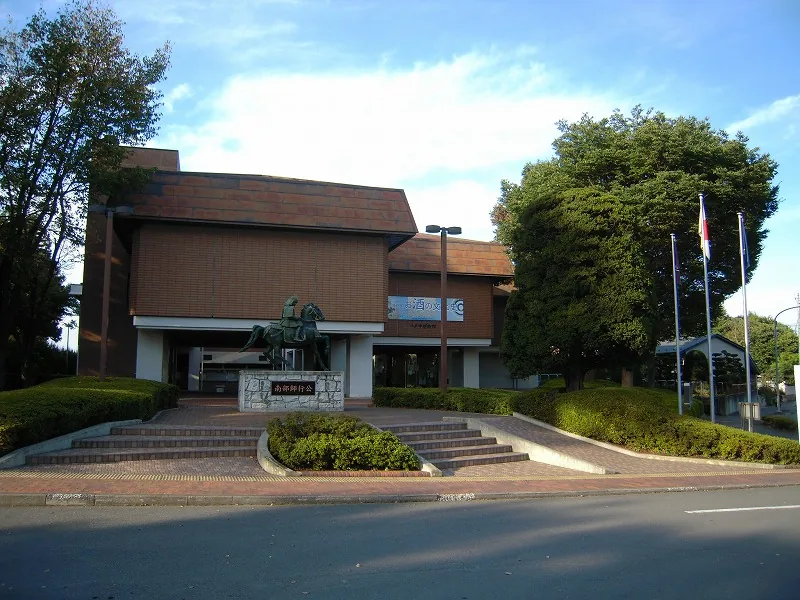
八戸市博物館
青森県八戸市根城にある博物館
写真:Mutimaro / CC BY-SA 3.0(resized and reformatted)
Photo source ·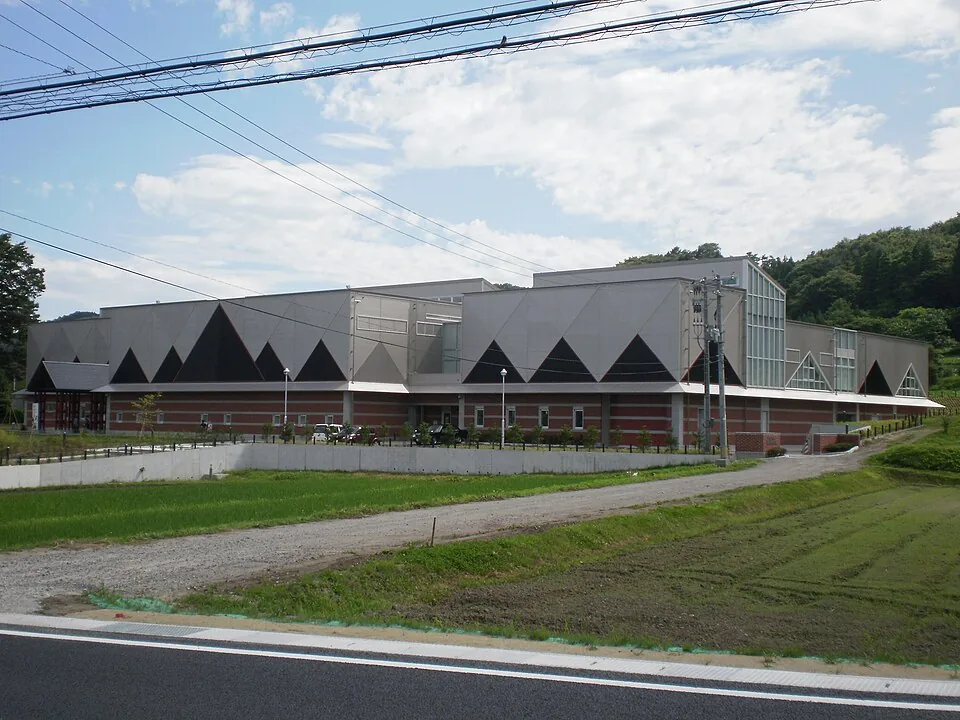
八戸市埋蔵文化財センター 是川縄文館
青森県八戸市にある埋蔵文化財センター
写真:Wakkubox / CC BY-SA 3.0(resized and reformatted)
Photo source ·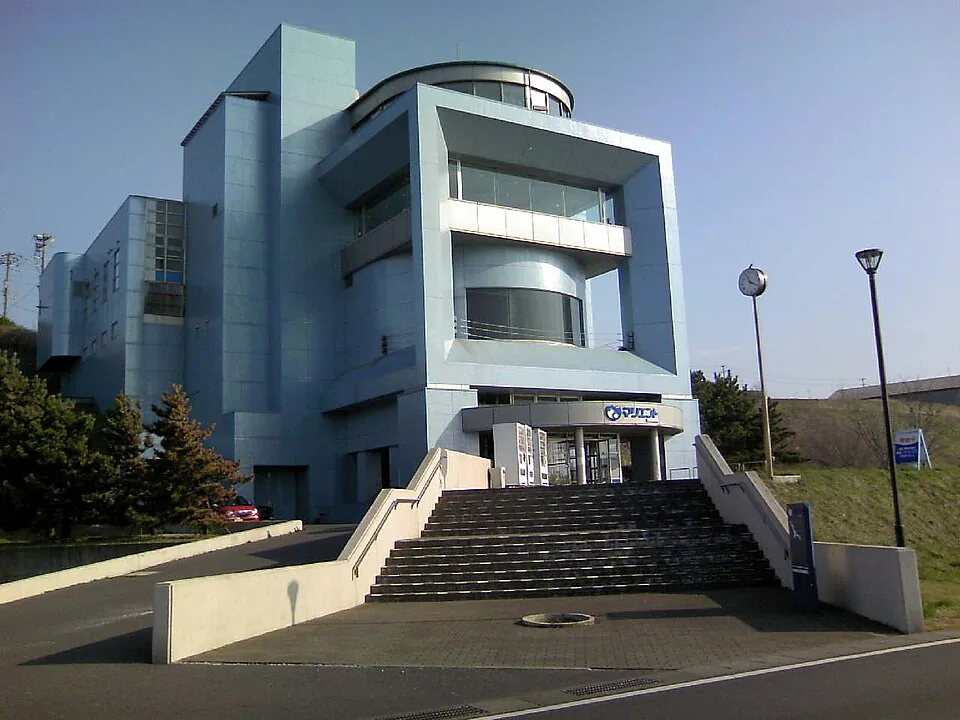
八戸市水産科学館
青森県八戸市にある科学館
写真:house-nasu / CC BY 2.5(resized and reformatted)
Photo source ·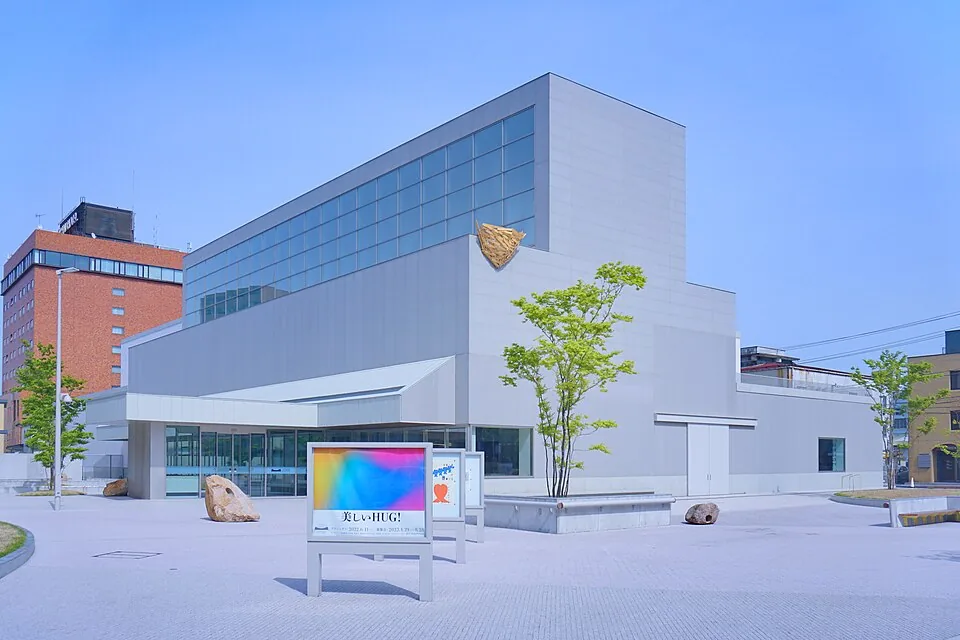
八戸市美術館
青森県八戸市にある公立美術館
写真:掬茶 / CC BY-SA 4.0(resized and reformatted)
Photo source ·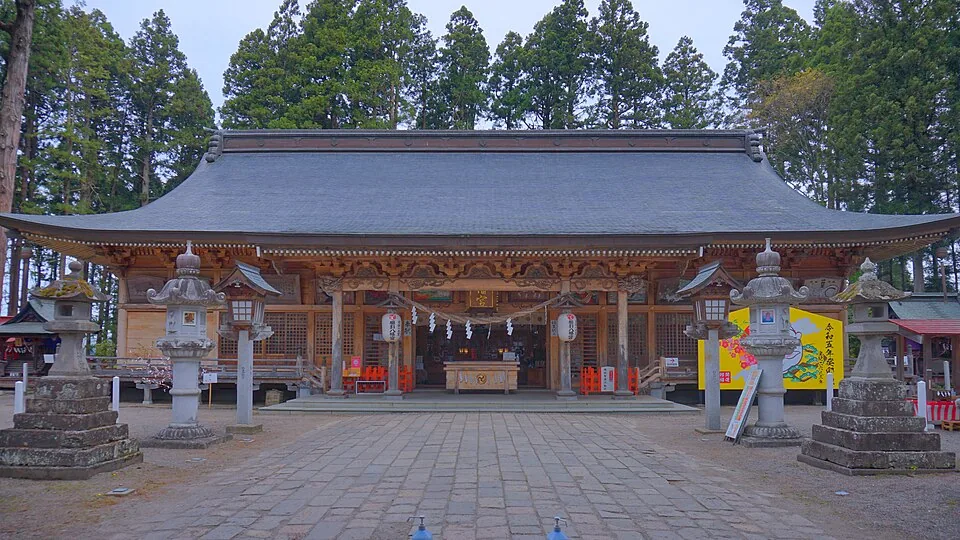
櫛引八幡宮
青森県八戸市にある神社
写真:掬茶 / CC BY-SA 4.0(resized and reformatted)
Photo source ·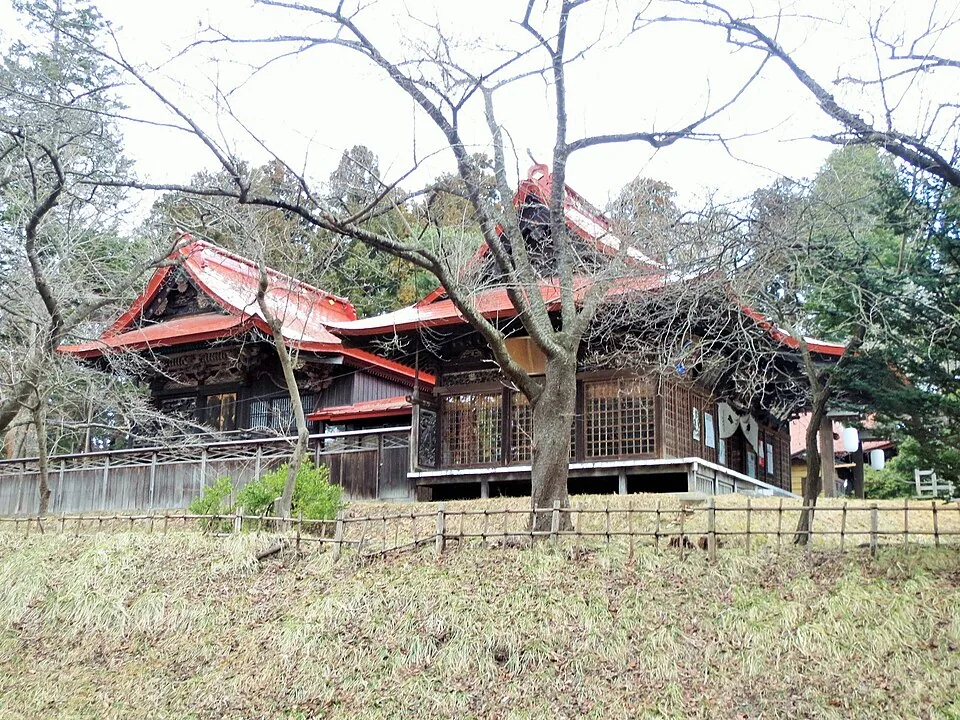
長者山新羅神社
青森県八戸市の長者山山上にある神社
写真:Ty19080914 / CC BY-SA 4.0(resized and reformatted)
Photo source ·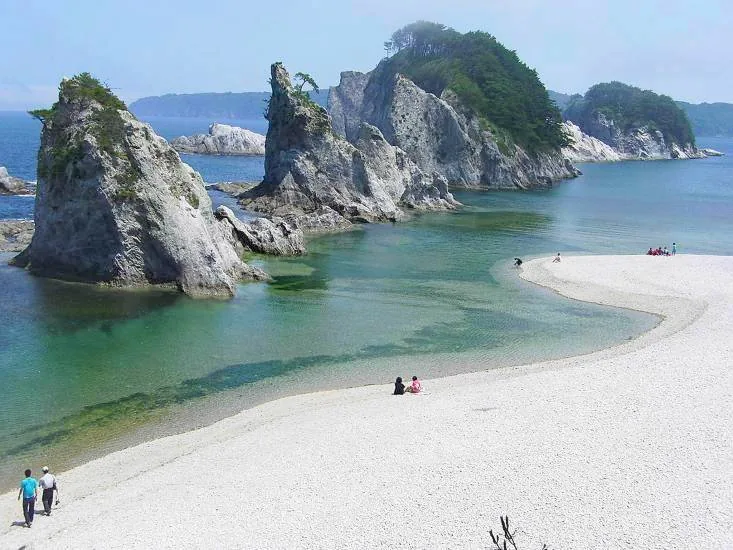
三陸復興国立公園
東北地方の三陸沿岸を区域とする国立公園
写真:Junpei Satoh / CC BY-SA 3.0(resized and reformatted)
Photo source ·Origins and History of Hachinohe Sansha Taisai Festival
The origins of Hachinohe Sansha Taisai are linked to a prayer made in 1720, in Kyoho 5, when influential people in Hachinohe prayed to Horyo Daimyojin for better weather and a good harvest.
The festival is said to have begun the following year, when a mikoshi was built in gratitude for the harvest and carried in procession to Chojasan Sanshado.
Processions organized by townspeople and tiger dances were later added. In the Meiji period, processions from Shinra Shrine and Shinmeigu Shrine joined, and the festival developed into one involving 3 shrines.
The floats evolved from carrying figures into richly imaginative dashi floats newly created each year, shaping the foundations of the festival as it is today.
Official information
For event schedules, dashi float procession details, and viewing information, see the Hachinohe Sansha Taisai page on the VISIT HACHINOHE tourism and products website.
Details of its cultural property designation and when it is open to the public are presented on the Aomori Prefectural Government website under “Hachinohe Sansha Taisai Dashi Float Procession.”
Hachinohe Sansha Taisai Festival at a Glance
The Hachinohe Sansha Taisai is a traditional festival in Hachinohe City that brings together processions of mikoshi from 3 shrines, large dashi floats, and local performing arts passed down through the region.
The dashi floats are made with a different theme each year and display a variety of appearances through mechanical features while in procession and nighttime illumination.
The festival began during the Kyoho era and developed with the participation of townspeople in the processions and the 3 shrines. It is also designated an Important Intangible Folk Cultural Property and a UNESCO Intangible Cultural Heritage.
Japanese Festivals.jp Editorial Team
Celebrating local culture and helping you discover a side of Japan you never knew.
Article updated: 2026/10/19
Submit information or a correction Submit photos of this festival