A yamabushi kagura from Tago Town, passed down with a sacred lion head and fast music
Tago Kagura
Festival information
EVENT INFORMATION- Season / frequency
- Every year
- Area
- Aomori Prefecture・Tago Town(From Tokyo: approx. 3 h–3 h 30 min · bullet train)Prefecture-level estimate to a main station or airport, not the venue. Airport access, check-in and onward travel are extra; remote areas and islands can take much longer.
- Highlights and activities
- Wishes behind the festival
- Last updated
- 2026/10/19
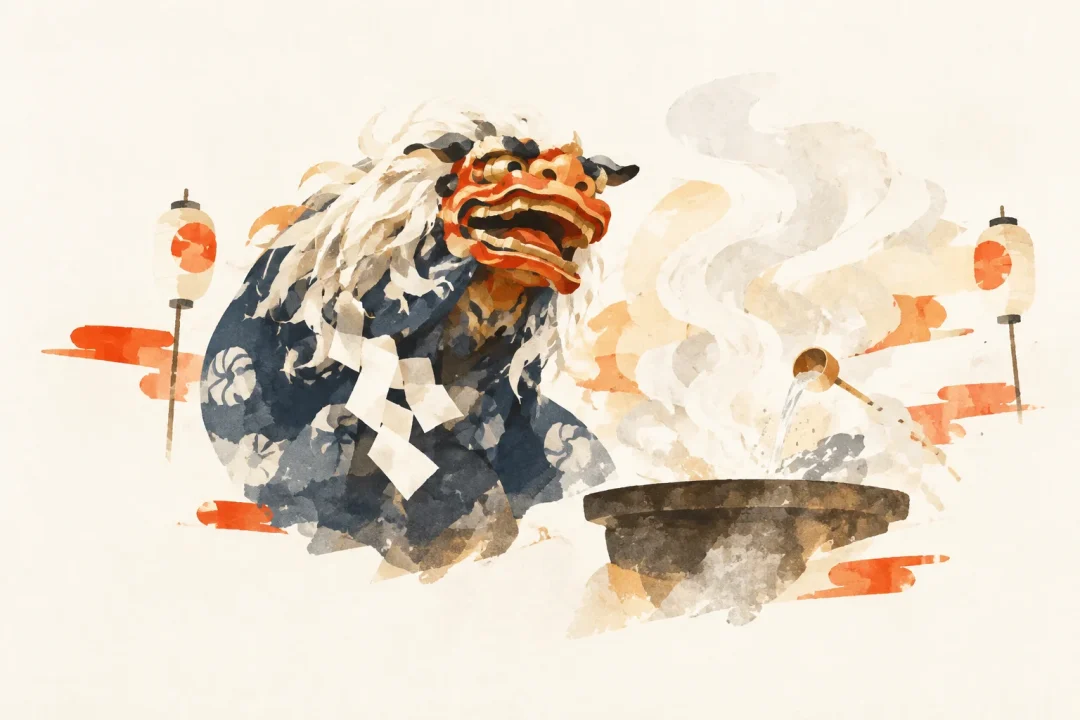
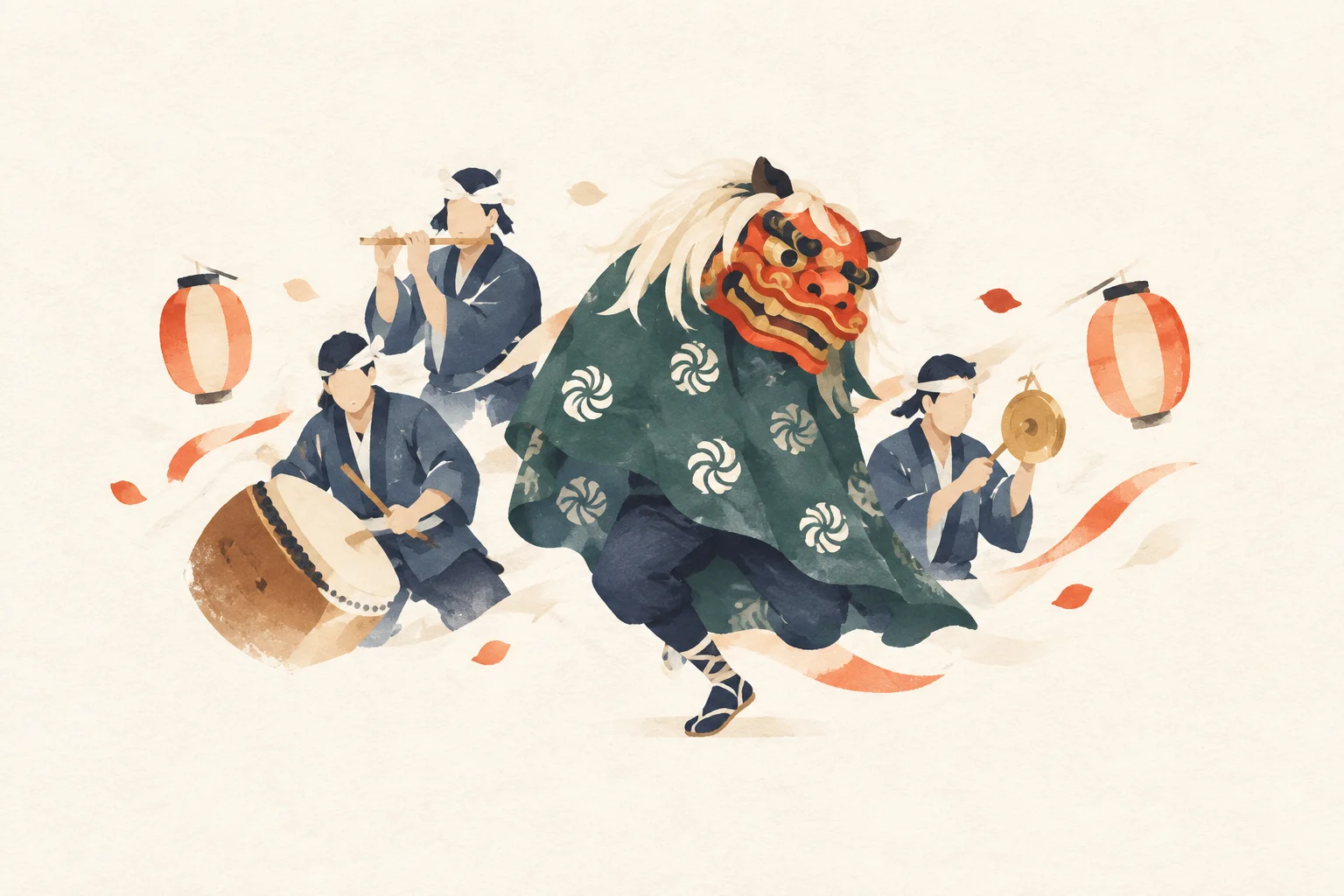
Tago is distinguished by Gongen-mai, performed with a sacred lion head, and fast music played on flute, drums, and tebiragane hand cymbals. This yamabushi kagura associated with Tago Town has 16 traditional pieces.
About Tago Kagura
Tago Kagura is a type of yamabushi kagura and bangaku passed down in Tago Town, Aomori Prefecture. This folk performing art is dedicated at festivals and other events at Yasaka Shrine.
It is based on Gongen-mai, a prayer dance performed by turning a sacred lion head representing Gongen, and 16 pieces have been passed down.
The Tago Kagura Preservation Society carries on the local tradition, which is documented as an intangible folk cultural property designated by the prefecture and selected at the national level.
Source: 国指定文化財等データベース / 田子神楽|青森県庁ウェブサイト Aomori Prefectural Government
Festival highlights
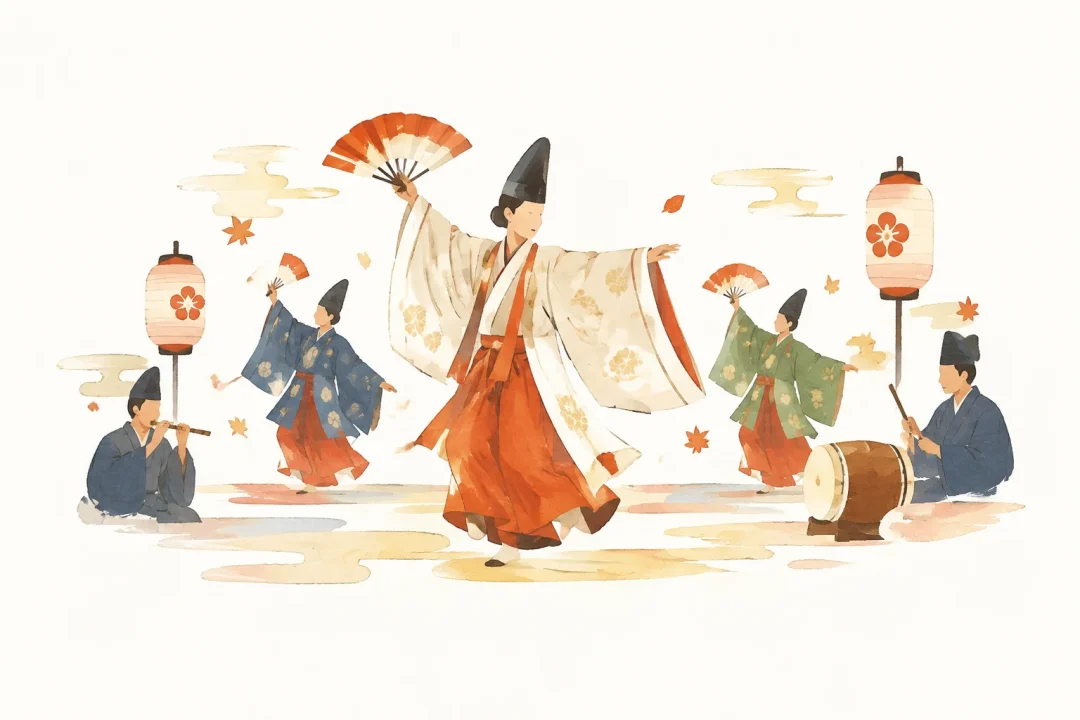
A highlight is the intricate, stylized dancing performed to fast-paced music.
In addition to Gongen-mai, distinctive pieces such as “Shihō Bangaku,” “Nenzu,” “Sakurako,” and “Hataori” have been passed down.
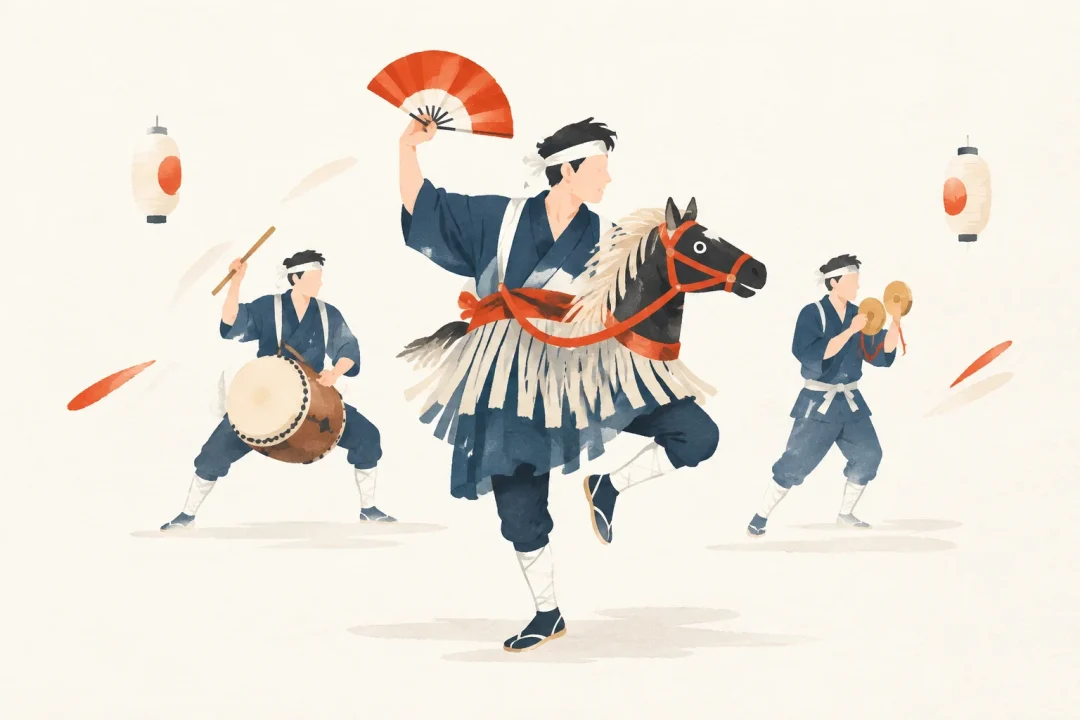
Flute, taiko drums, and tebiragane hand cymbals accompany the dances, which also include performances using umbrellas, fans, and trays.
Source: 田子神楽|各地のまつり|まつりと
A yamabushi kagura from Tago Town, passed down with a sacred lion head and fast music
What to expect
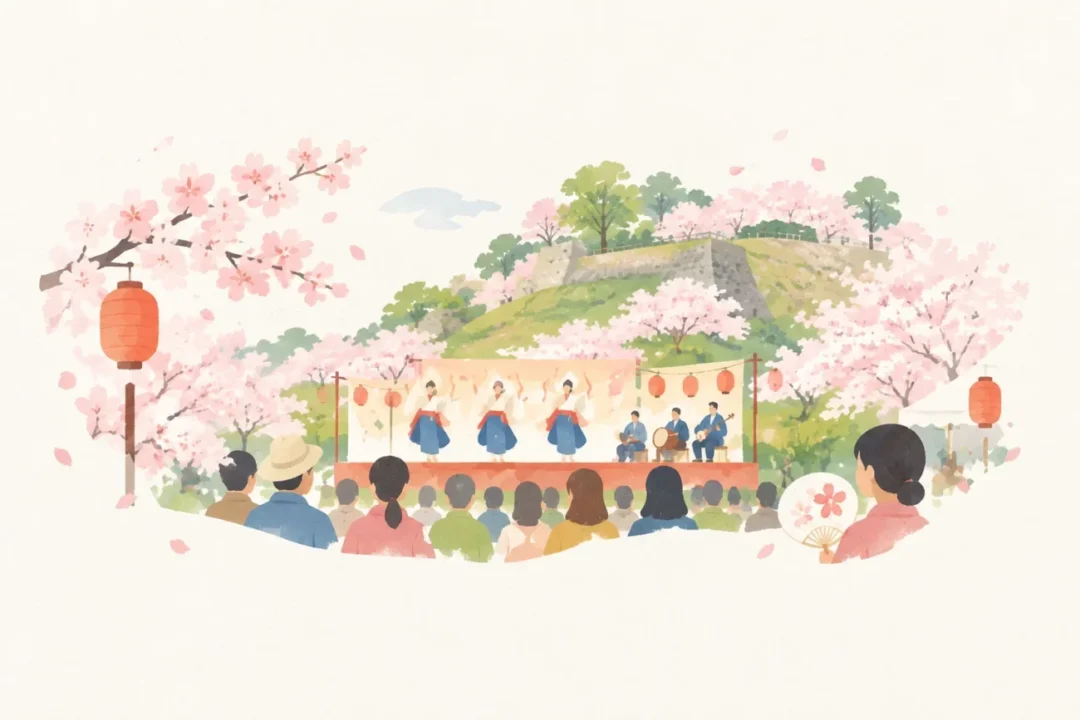
Kagura performances center on Gongen-mai, performed with a sacred lion head, and include bangaku, bird dances, Nenzu, and Sakurako.
Flute, taiko drums, and tebiragane hand cymbals provide the music, moving in unison with the dances.
During spring prayers, the “Nanatsu-mono” procession, carrying swords, staffs, long swords, and other items, visits parishioners and old family homes to perform purification rites.
Location and access
- Address
Tago Town
Host municipality 青森県田子町
This map shows the surrounding area, not the exact venue location.
Dates and season
- Frequency
Every year
Accommodation and hotels PR
Showing nearby accommodation.
Prices and availability are current at the time of retrieval. For multi-night stays, only the first night’s price is shown. Confirm the final price and directions to the venue with the booking provider. Select your dates again when using the area search link. Search area: within 3 km of Central Aomori Prefecture / Tago Town (the search is not centered on the festival venue)
Nearby attractions
Miroku Falls is featured as a sightseeing spot in Tago Town.
The waterfall is about 30 meters high and about 20 meters wide. Because its slender streams of water slide over the rock face, locals also call it “Somen Noodle Falls.”
It is a place to experience the town’s natural scenery alongside Tago Kagura.
Origins and History of Tago Kagura
Tago Kagura is considered one of the yamabushi kagura traditions brought to the Tohoku region by yamabushi mountain ascetics, and is described as having a history of more than 450 years.
It is said that in the early Edo period, Tago’s mountain ascetics served as kagura performers for the Nanbu domain and performed kagura prayers at Morioka Castle.
Later, today’s Tago Kagura took shape based on introduced from Iwate. From the Meiji period onward, parishioners of Yasaka Shrine passed it down.
Official information
Tago Kagura at a Glance
Tago Kagura is a yamabushi kagura from Tago Town, with 16 pieces centered on Gongen-mai.
Its features include fast, intricate dances accompanied by flute, taiko drums, and tebiragane hand cymbals, as well as the “Nanatsu-mono” procession, which visits the community during spring prayers.
It has been passed down by the Tago Kagura Preservation Society and local residents, in connection with festivals and prayers at Yasaka Shrine.
Japanese Festivals.jp Editorial Team
Celebrating local culture and helping you discover a side of Japan you never knew.
Article updated: 2026/10/19
Submit information or a correction Submit photos of this festival