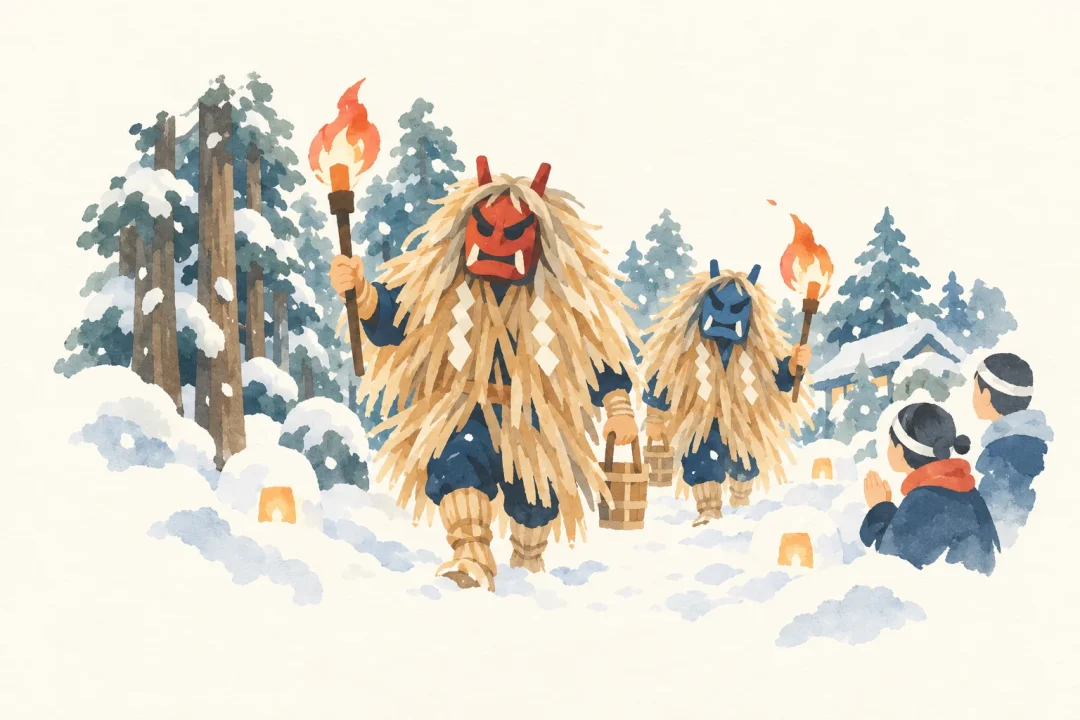
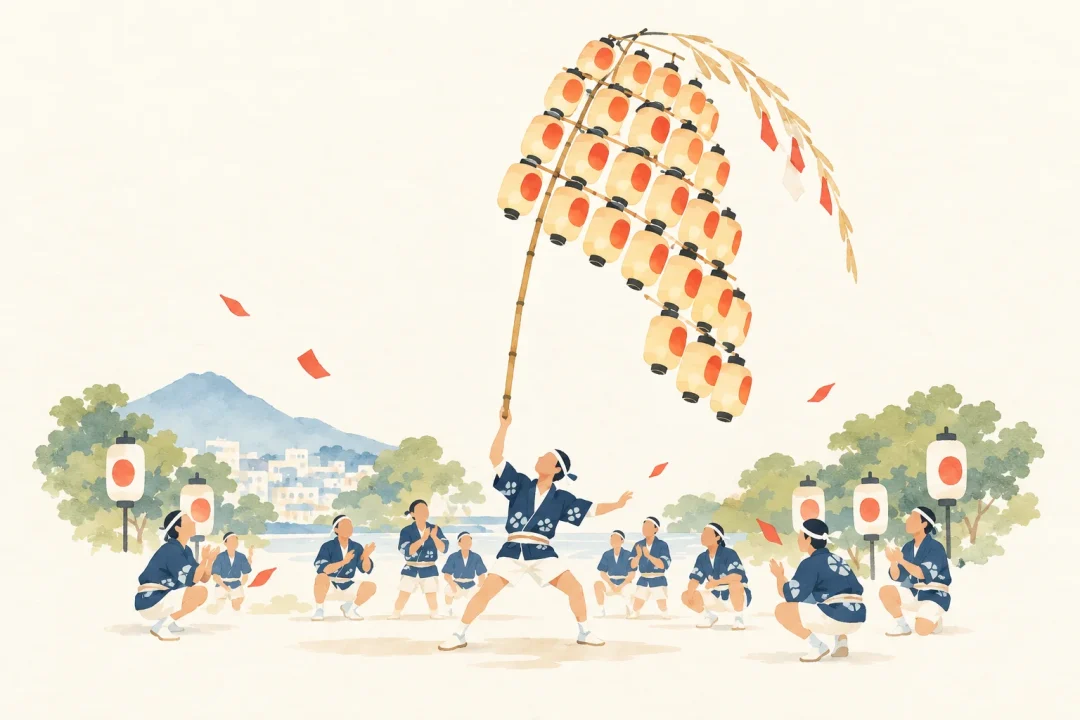
An ancient Kazuno dance tradition brought to life by the dances of four settlements and the flag-raising
Dainichido Bugaku
Festival information
EVENT INFORMATION- Season / frequency
- Every year January 2 / Every year
- Location
- Dainichi Reiki Shrine (commonly known as Dainichido)
- Area
- Akita Prefecture・Kazuno City(From Tokyo: approx. 3 h 40 min–4 h 10 min · bullet train)Prefecture-level estimate to a main station or airport, not the venue. Airport access, check-in and onward travel are extra; remote areas and islands can take much longer.
- Highlights and activities
- Wishes behind the festival
- Last updated
- 2026/10/19
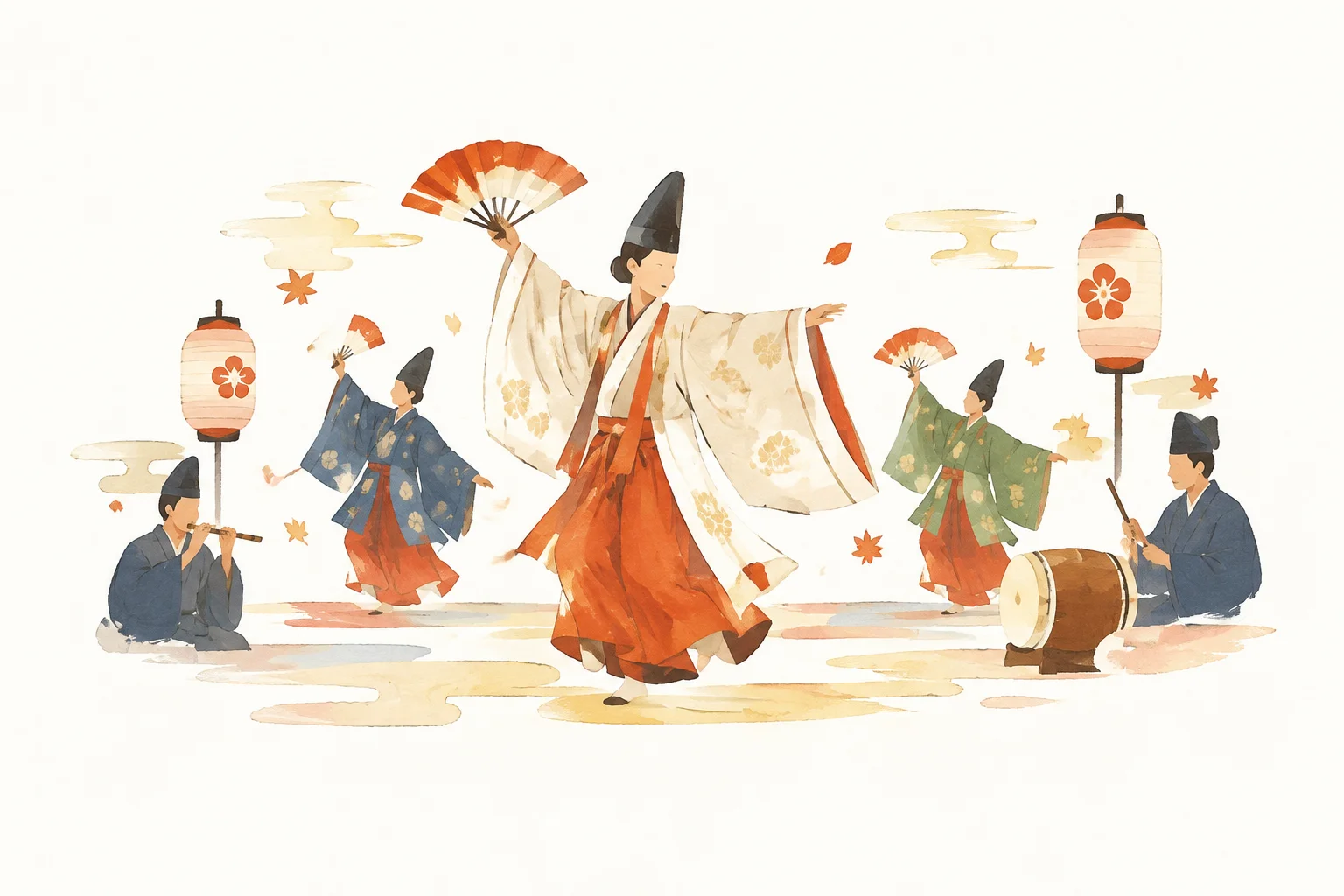
A traditional performing art in Hachimantai, Kazuno City, Akita Prefecture, where performers from four settlements present a variety of dances to the accompaniment of flutes and drums.
About Dainichido Bugaku
Photo credits and terms of use
Photographer: Wc018 File:Dainichi-dō bugaku godai sonmai 01.jpg / Wikimedia Commons / CC BY-SA 4.0 Own work by the contributorDisplay size only adjusted.May differ from the event currently featured.Photo credits and terms of use
Photographer: Wc018 File:Dainichi-dō bugaku03.jpg / Wikimedia Commons / CC BY-SA 4.0 Own work by the contributorDisplay size only adjusted.May differ from the event currently featured.Photo credits and terms of use
Photographer: Wc018 File:Dainichidō bugaku 2018.jpg / Wikimedia Commons / CC BY-SA 4.0 Own work by the contributorDisplay size only adjusted.May differ from the event currently featured.Dainichido is a traditional performing art presented on January 2 at Dainichi Reikijinja in Hachimantai, Kazuno City, Akita Prefecture.
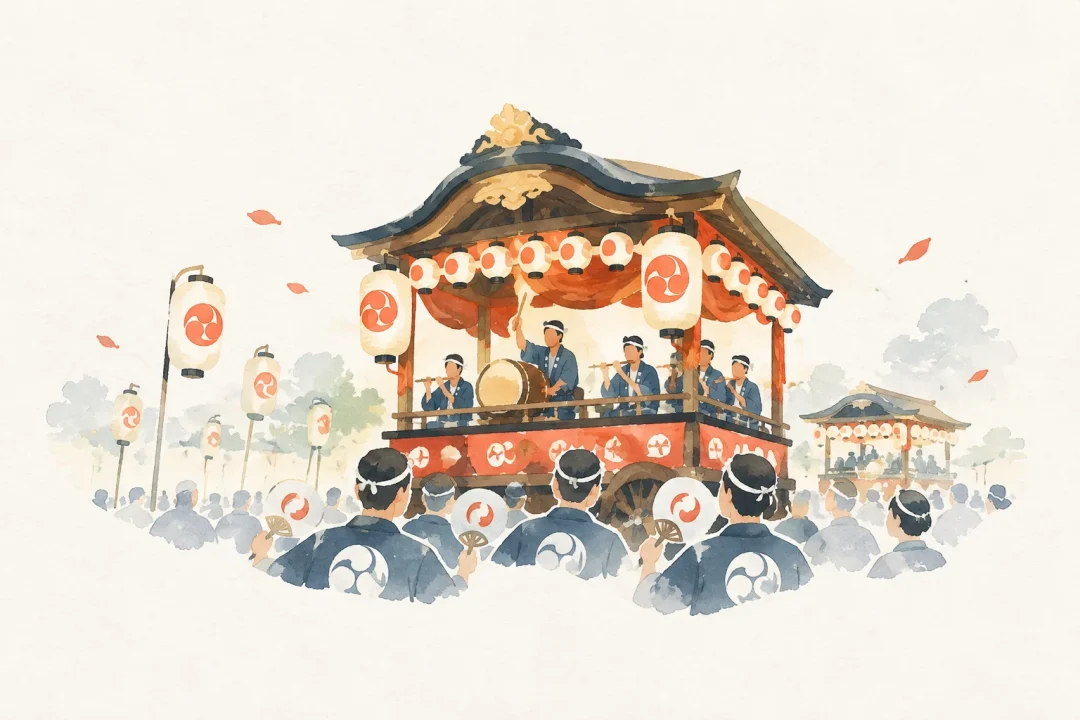
Performers from four settlements—Osato, Yachi, Azukisawa, and Nagamine—gather to perform before the shrine and inside its main hall.
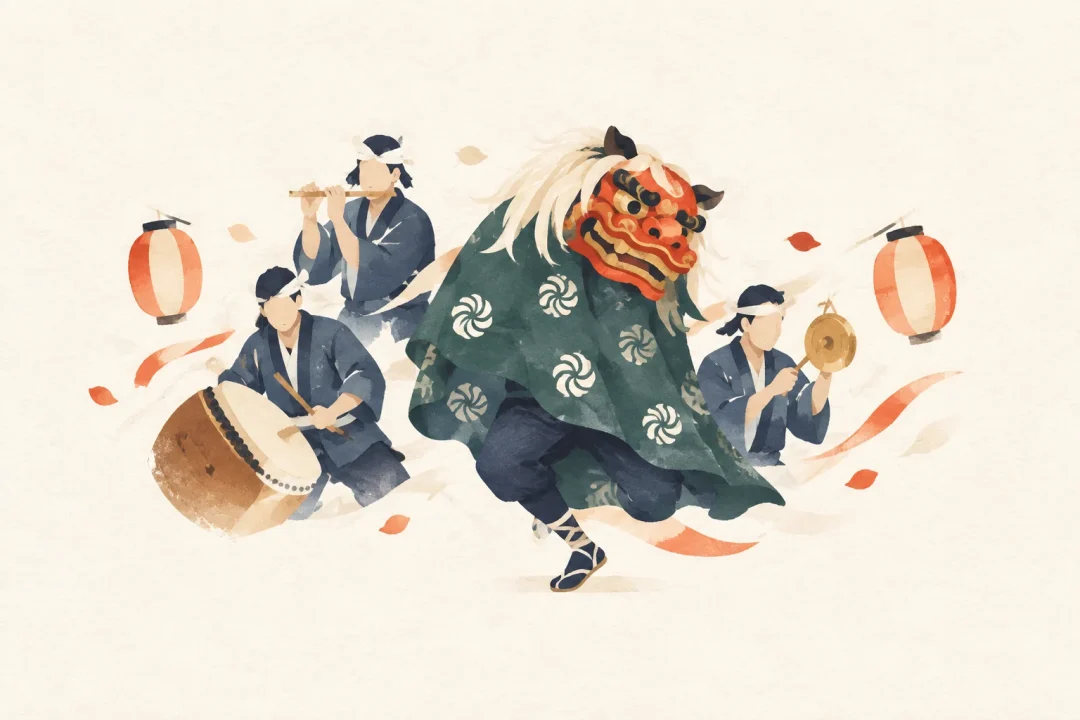
A variety of dances are performed to the accompaniment of flutes and drums, including the Miko-mai, Gongen-mai, Koma-mai, and Tori-mai.
It is designated an Important Intangible Folk Cultural Property of Japan and is also registered as a UNESCO Intangible Cultural Heritage.
Source: 大日堂舞楽 | 国指定重要無形民俗文化財|ユネスコ無形文化遺産|約1300年の歴史をもつ秋田県内最古の舞楽 / 国指定文化財等データベース
Festival highlights
Highlights include the seven principal dances passed down by four settlements, along with the rituals and events held beforehand.
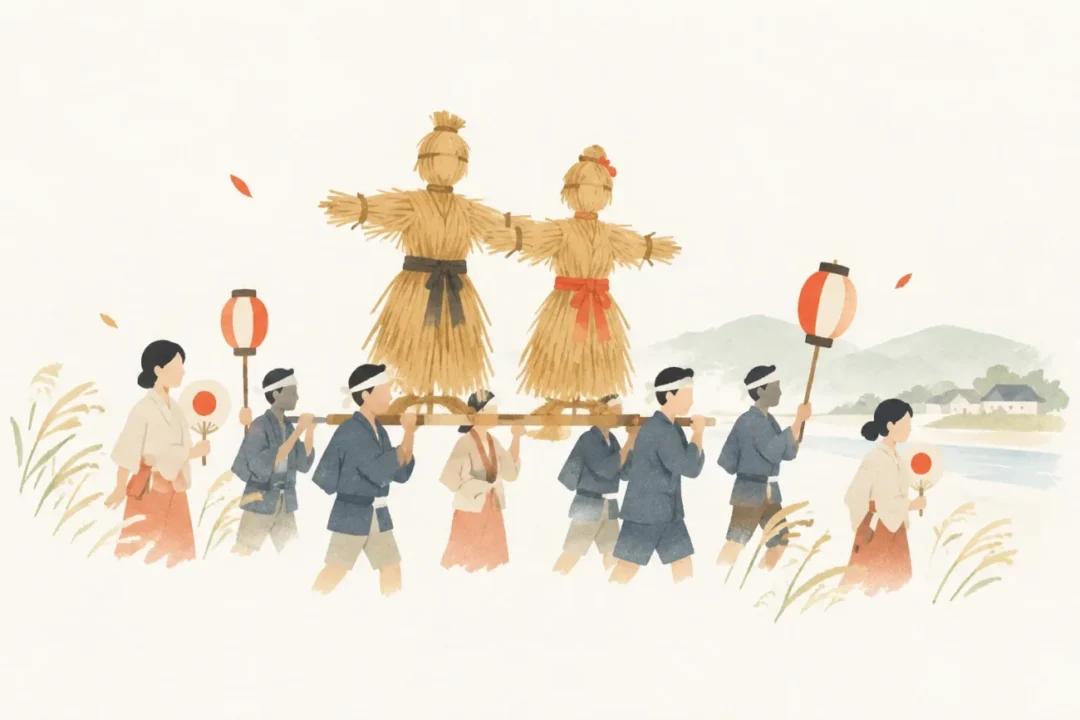
The flag-raising, when young men carrying the Dragon God Flag run into the hall, is considered one of the most striking moments in the sequence of dances.
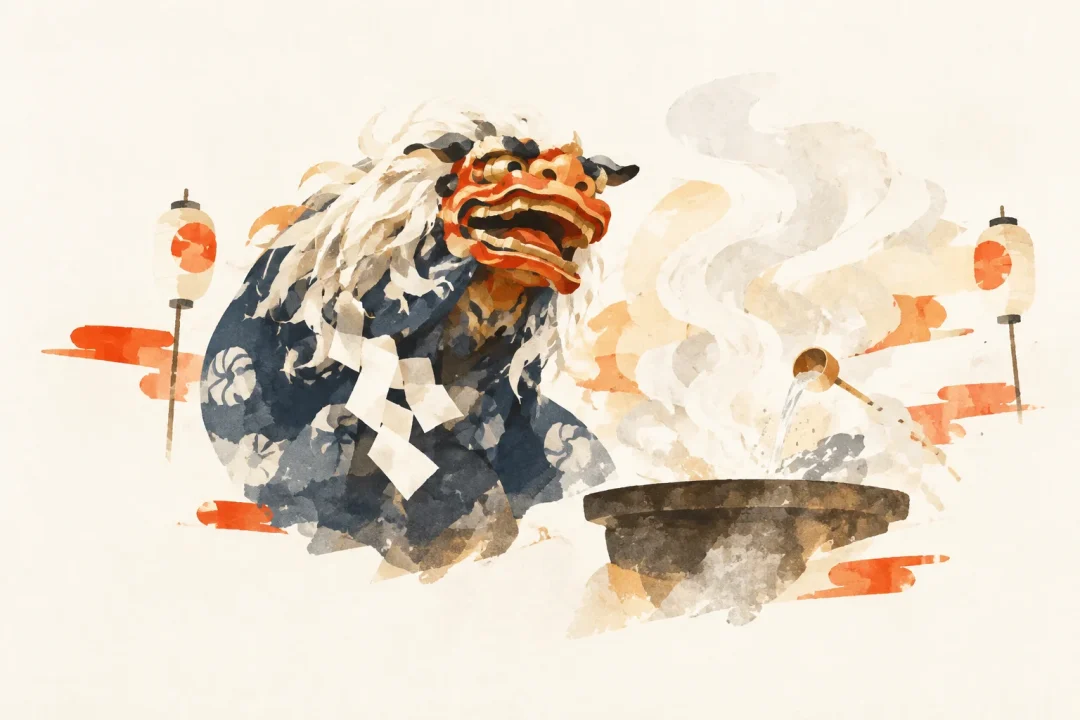
Uhen-mai uses a distinctive cheek mask, while Godaison-mai features unique techniques for handling the sword and placing the feet.
Source: 由緒 | 大日堂舞楽
An ancient Kazuno dance tradition brought to life by the dances of four settlements and the flag-raising
What to expect
On the day, performers from each settlement purify themselves and perform dances at shrines in their settlements before forming a procession to Dainichi Reikijinja.
The grounds host a series of events, including a purification ritual, Jizo-mai, Hata-so, Hana-mai, rice-husking, and flag-raising, followed by the offering of the seven principal dances.
You can see the dances in sequence, beginning with the Miko-mai and Kaminate-mai, followed by the Gongen-mai, Koma-mai, Uhen-mai, Tori-mai, Godaison-mai, Kosho-mai, and -mai.
Location and access
- Venue and address
Dainichi Reiki Shrine (commonly known as Dainichido) / 16 Do-no-ue, Hachimantai, Kazuno City, Akita Prefecture
- Train and bus
It is a 1-minute walk from Hachimantai Station on the JR Hanawa Line.
- By car
It is about a 5-minute drive from the Kazuno-Hachimantai IC on the expressway.
- Parking
Parking is available in front of Hachimantai Station.
It gets crowded on the day.
Address 16 Do-no-ue, Hachimantai, Kazuno City, Akita Prefecture
Dates and season
Dainichido Bugaku is offered at Dainichi Reikijinja every year on January 2.
The begins at 8 a.m., followed by various shinji and dances, with the schedule continuing through the Dengaku Dance at 11:30.
Accommodation and hotels PR
Showing nearby accommodation.
Prices and availability are current at the time of retrieval. For multi-night stays, only the first night’s price is shown. Confirm the final price and directions to the venue with the booking provider. Select your dates again when using the area search link. Search area: within 3 km of Central Akita Prefecture / Kazuno City (the search is not centered on the festival venue)
Tips for your visit
Shinji and bugaku performances take place at the venue from early morning, and the hono begins at 8 a.m.
The parking lot in front of Hachimantai Station gets crowded on the day, so allow plenty of time if you’re driving.
Since the itinerary involves visiting Kazuno in winter, it’s a good idea to check that you’re prepared for winter road conditions if you’re driving.
Nearby attractions
Near the Dainichido Bugaku venue is Dainichi Reiki Shrine, which has stood in Hachimantai, Kazuno City, since ancient times.
Nearby sightseeing information includes Yuze Onsen Village and Hachimantai Onsen Village in Kazuno City, as well as Kisshoin Temple, which is associated with the legend of Danburi Choja.
These places are presented as destinations where visitors can experience the local traditions, nature, and hot-spring culture behind the dances.
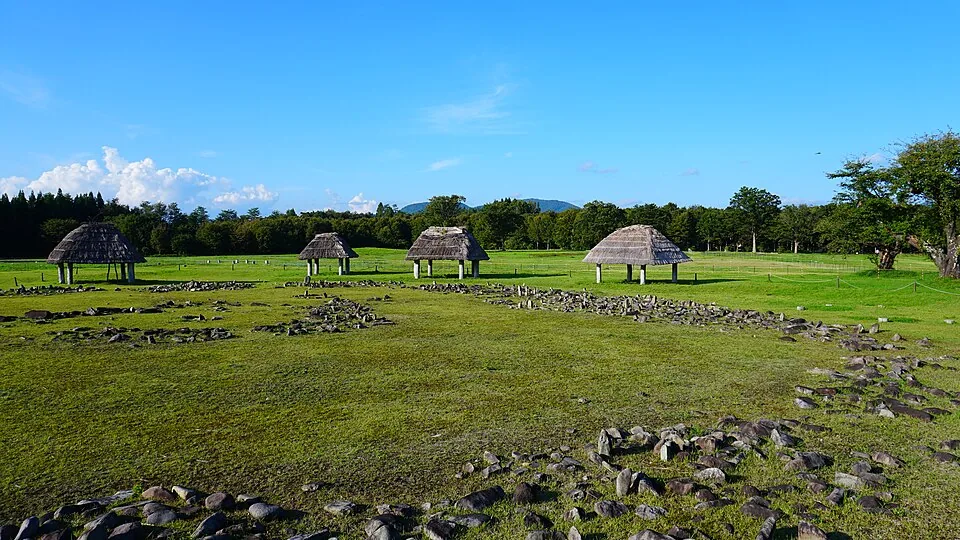
大湯環状列石
秋田県鹿角市にある縄文時代の配石遺跡
写真:掬茶 / CC BY-SA 4.0(resized and reformatted)
Photo source ·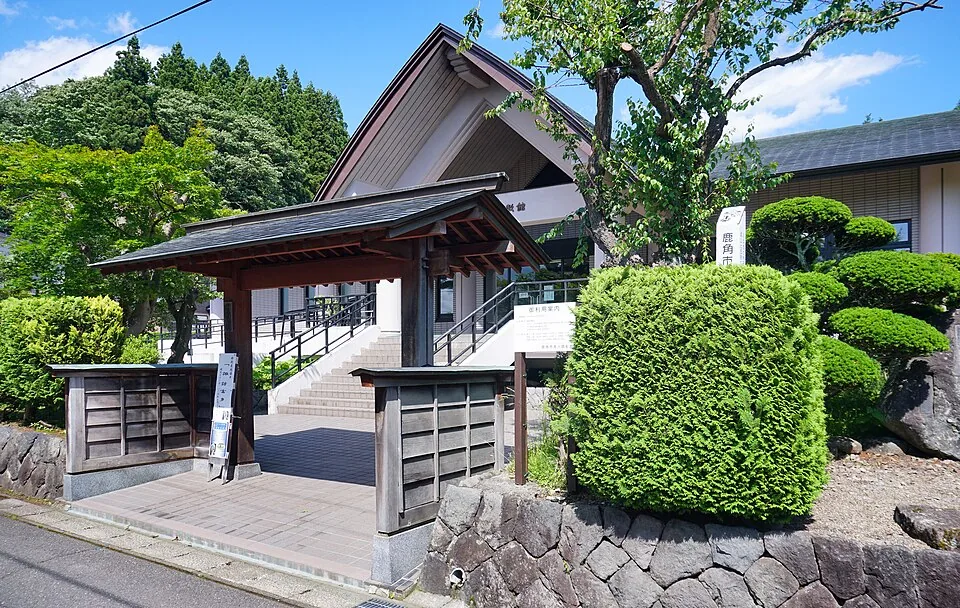
鹿角市先人顕彰館
秋田県の博物館・美術館のスポットです。
写真:掬茶 / CC BY-SA 4.0(resized and reformatted)
Photo source ·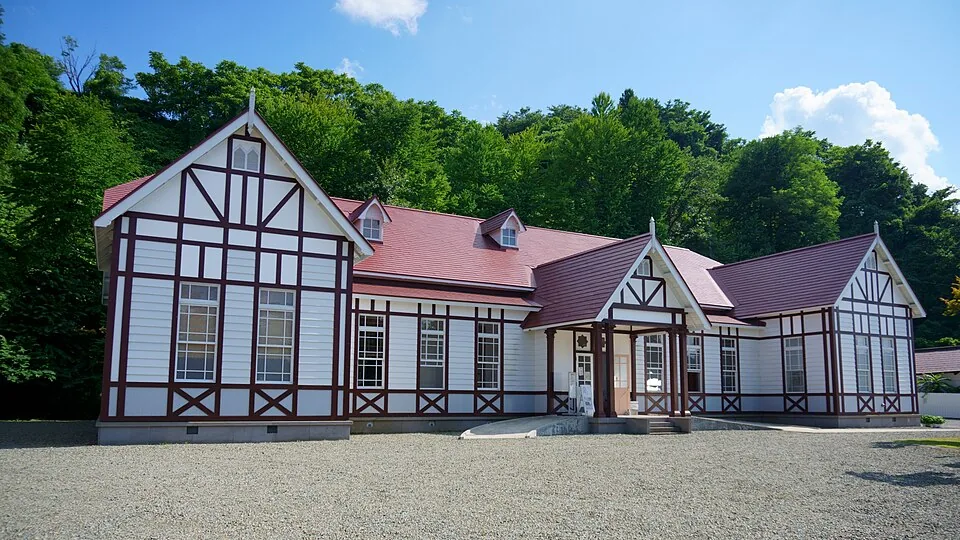
鹿角市歴史民俗資料館
秋田県鹿角市にある博物館
写真:掬茶 / CC BY-SA 4.0(resized and reformatted)
Photo source ·Origins and History of Dainichido Bugaku
The origins of Dainichido Bugaku are traced to 718, when performers who had come from the capital with Gyoki staged celebratory court dances for the rebuilding of Dainichido. The dances were then passed down to local residents.
In the area, the dances have been performed on January 2 as prayers for peace throughout the land, bountiful harvests, and good health.
A preservation society was established in 1952. The performance was designated an Important Intangible Folk Cultural Property in 1976 and became a UNESCO Intangible Cultural Heritage in 2009.
Official information
For official information, see the Dainichido Bugaku information site and the cultural properties page of Kazuno City.
The information site provides the offering date and time, venue address, transportation details, and the history passed down over the years.
The Kazuno City website has links to notices from the preservation group and information on applying to participate in festivals and events.
Source: 大日堂舞楽/鹿角市
Dainichido Bugaku at a Glance
Dainichido Bugaku is an ancient style of court dance passed down by four settlements in Hachimantai, Kazuno City.
Alongside the rituals, the flag-raising, rice-husking, and seven principal dances take place, accompanied by flutes and drums, with distinctive costumes and masks.
Its origins date back to 718, and it is designated an Important Intangible Folk Cultural Property of Japan and registered as a UNESCO Intangible Cultural Heritage.
Japanese Festivals.jp Editorial Team
Celebrating local culture and helping you discover a side of Japan you never knew.
Article updated: 2026/10/19
Submit information or a correction Submit photos of this festival