A day of warding off misfortune in Nigorikawa, walking with straw figures
Nigorikawa Mushi-okuri

Festival information
EVENT INFORMATION- Season / frequency
- Early June after rice planting / Every year
- Location
- The Nigorikawa settlement, including the area around Surusuno Shrine (formerly Kawakami Shrine), and the riverbank
- Area
- Akita Prefecture・Kosaka Town(From Tokyo: approx. 3 h 40 min–4 h 10 min · bullet train)Prefecture-level estimate to a main station or airport, not the venue. Airport access, check-in and onward travel are extra; remote areas and islands can take much longer.
- Features
- Highlights and activities
- Wishes behind the festival
- Last updated
- 2026/10/19
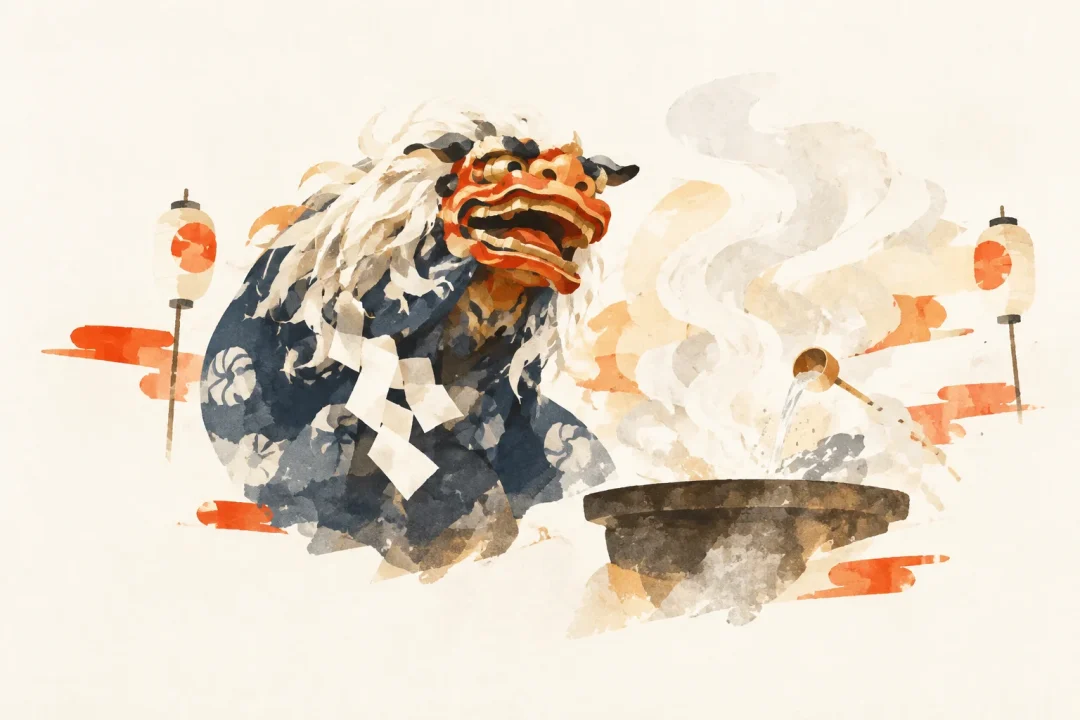
This traditional event takes place in the Nigorikawa settlement in the Kawakami area of Kosaka Town. Residents make straw figures of a man and a woman, then process through the settlement to drive away misfortune.
About Nigorikawa Mushi-okuri
The Nigorikawa Mushi-okuri is a ritual to ward off misfortune, passed down in the Nigorikawa settlement in the Kawakami area of Kosaka Town.
It drives away harmful insects that affect crops and entrusts the straw figures with misfortune attached to the settlement and its people.
A pair of straw figures, one male and one female, are made. After a religious ceremony and a procession through the settlement, the figures and equipment are burned on the riverbank.
Children join in, making this an opportunity for the community to reaffirm its bonds across generations.
Source: 濁川の虫送り | 秋田のがんばる集落応援サイト あきた元気ムラ
Festival highlights
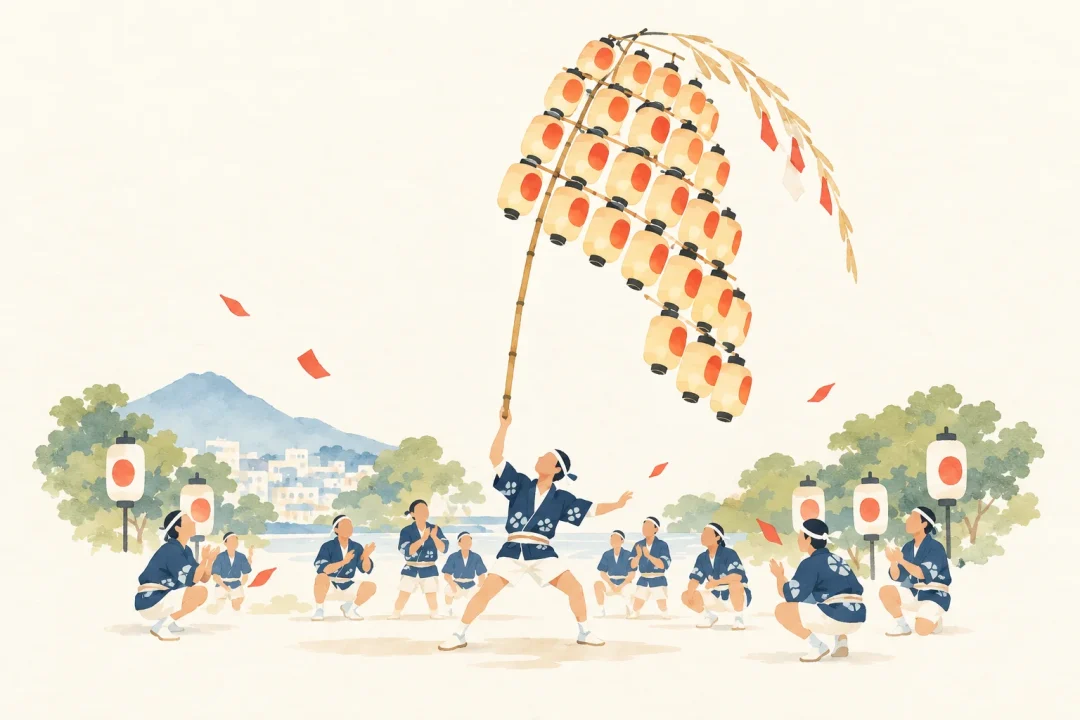
Highlights include the pair of straw figures, one male and one female, made on the day, and the daimyo-procession-like parade centered around them.
The white and red attendants carry the figures, while participants in roles such as spear bearers and the scissor-box bearer form a line and walk through the settlement.
A distinctive feature is the sequence of making, processing with, and sending off the figures: residents touch them along the way, then burn the figures and equipment on the riverbank at the end to ward off misfortune.
A day of warding off misfortune in Nigorikawa, walking with straw figures
What to expect
On the morning of the event, residents gather to make straw figures of a man and a woman, completing them around noon.
After that, a religious ceremony is held at Surusuno Shrine, and groups assigned different roles proceed through the settlement.
Along the way, there are moments when residents touch the figures. At the final stop on the riverbank, the figures and equipment are burned. It is customary to hold a sanaburi gathering at Nigorikawa Kaikan after the event.
How to take part
The event is centered on residents of the Nigorikawa settlement, who take responsibility for making the straw figures, holding the religious ceremony, and conducting the procession.
Children also take part, and people across generations carry on the event together.
The event begins when local residents gather in the morning to make straw figures of a man and a woman.
After the religious ceremony, participants take on roles such as the lord, spear bearers, the scissor-box bearer, and the white and red attendants, and proceed through the settlement.
Location and access
- Venue and address
Nigorikawa settlement, Kawakami area, Kosaka Town, Kazuno District, Akita Prefecture.
A religious ceremony is held at Surusuno Shrine (formerly Kawakami Shrine), followed by a procession through the settlement; the figures are then burned on the riverbank.
Address Nigorikawa settlement, Kawakami area, Kosaka Town, Kazuno District, Akita Prefecture
Dates and season
- Season
Early June after rice planting
- Frequency
Every year
Accommodation and hotels PR
Showing nearby accommodation.
Prices and availability are current at the time of retrieval. For multi-night stays, only the first night’s price is shown. Confirm the final price and directions to the venue with the booking provider. Select your dates again when using the area search link. Search area: within 3 km of Central Akita Prefecture / Kosaka Town (the search is not centered on the festival venue)
Tips for your visit
The straw figures are made and burned on the same day, so there is only one day a year when you can see them in person.
During the procession, there are moments when residents touch the figures as they make their way through the settlement.
Details about the event and viewing arrangements may vary from year to year, so please check the event status before visiting.
Nearby attractions
The Kosaka Town General Museum, Kyodokan, is a place to visit in connection with the event.
The museum displays straw figures made when the Nigorikawa Mushi-okuri was revived, so you can see them even outside the event date.
The museum is also listed as the contact for inquiries about the festival, making it a point of contact for questions about the event.
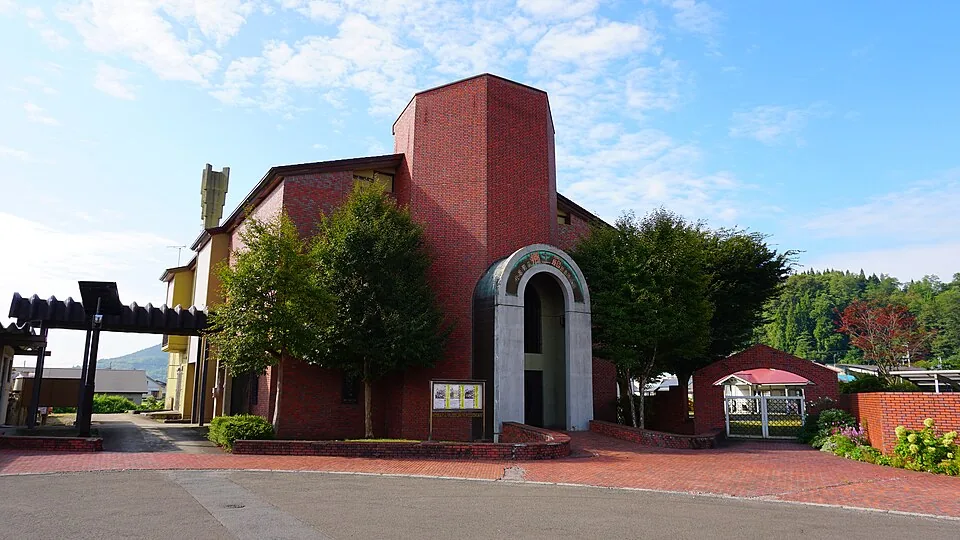
小坂町総合博物館郷土館
秋田県小坂町にある博物館
写真:掬茶 / CC BY-SA 4.0(resized and reformatted)
Photo source ·Origins and History of Nigorikawa Mushi-okuri
The Nigorikawa Mushi-okuri is said to have begun in the Edo period.
It was discontinued once due to a shortage of people to carry it on, but was revived after straw figures were made for an event in Aomori Prefecture bringing together folk deity figures from across Tohoku.
It has since been passed down through the community amid changes in its participants and way of life, and is designated an Intangible Folk Cultural Property of Kosaka Town.
Official information
For inquiries, contact the Kosaka Town General Museum, Kyodokan.
The phone number is 0186-29-4726, and a related page for the Kyodokan at Kosaka Town Hall is also listed.
Nigorikawa Mushi-okuri at a Glance
The Nigorikawa Mushi-okuri is a ritual to ward off misfortune, passed down in the Nigorikawa settlement in early June after rice planting.
Residents make straw figures of a man and a woman, then hold a daimyo-procession-like parade after the religious ceremony.
The practice of entrusting misfortune to the figures and finally burning them on the riverbank embodies wishes for a good harvest and for people to remain safe and healthy.
Japanese Festivals.jp Editorial Team
Celebrating local culture and helping you discover a side of Japan you never knew.
Article updated: 2026/10/19
Submit information or a correction Submit photos of this festival