Matsudate’s Offering Kagura: Prayers Through Lion Dancing and Boiling-Water Rites
Matsudate Tenmangu Sandaiyama Shishi Daigongen Mai
Festival information
EVENT INFORMATION- Season / frequency
- Every year on April 25 / Every year
- Area
- Akita Prefecture・Kazuno City(From Tokyo: approx. 3 h 40 min–4 h 10 min · bullet train)Prefecture-level estimate to a main station or airport, not the venue. Airport access, check-in and onward travel are extra; remote areas and islands can take much longer.
- Features
- Highlights and activities
- Wishes behind the festival
- Last updated
- 2026/10/19
This offering in the Matsudate area of Kazuno City features powerful lion dancing followed by boiling-water rites using hot water.
About Matsudate Tenmangu Sandaiyama Shishi Daigongen Mai
Matsudate Tenmangu Sandaiyama Shishi Daigongen Mai is a kagura offered at the annual festival of Matsudate Tenmangu Shrine in the Matsudate area of Kazuno City.
Through the Shishi Gongen dance and boiling-water rites, prayers are offered for bountiful harvests, academic success, and good health.
It is designated an Intangible Folk Cultural Property of Akita Prefecture and has been passed down as a traditional event tied to local festivals.
Source: 奉納神楽「松館天満宮三台山獅子大権現舞」 | 秋田のがんばる集落応援サイト あきた元気ムラ / 松館天満宮三台山獅子大権現舞(松館の湯立て)/鹿角市
Festival highlights
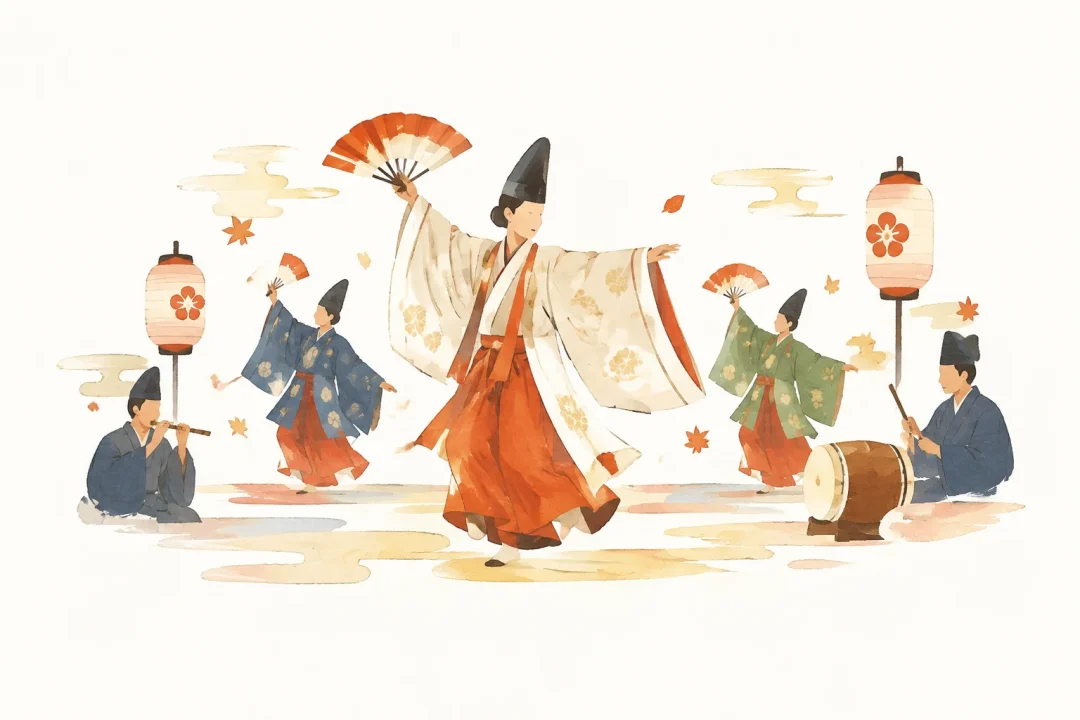
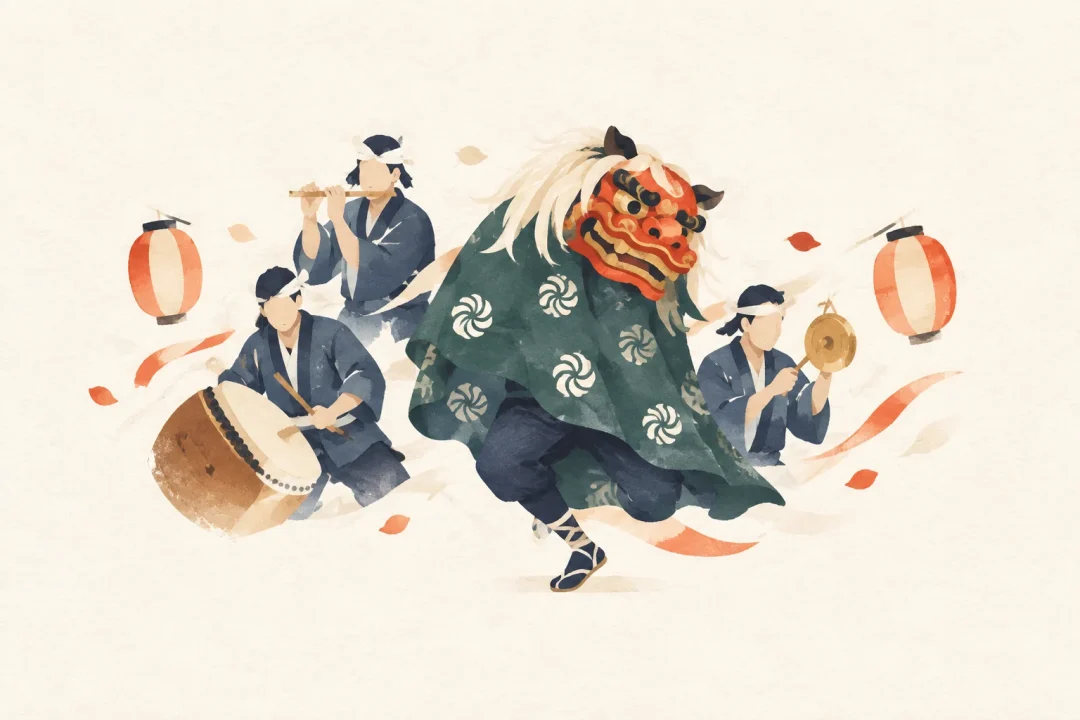
A highlight is the Shishi Gongen dance, which follows the , Ji, , Fan, and Sword dances.
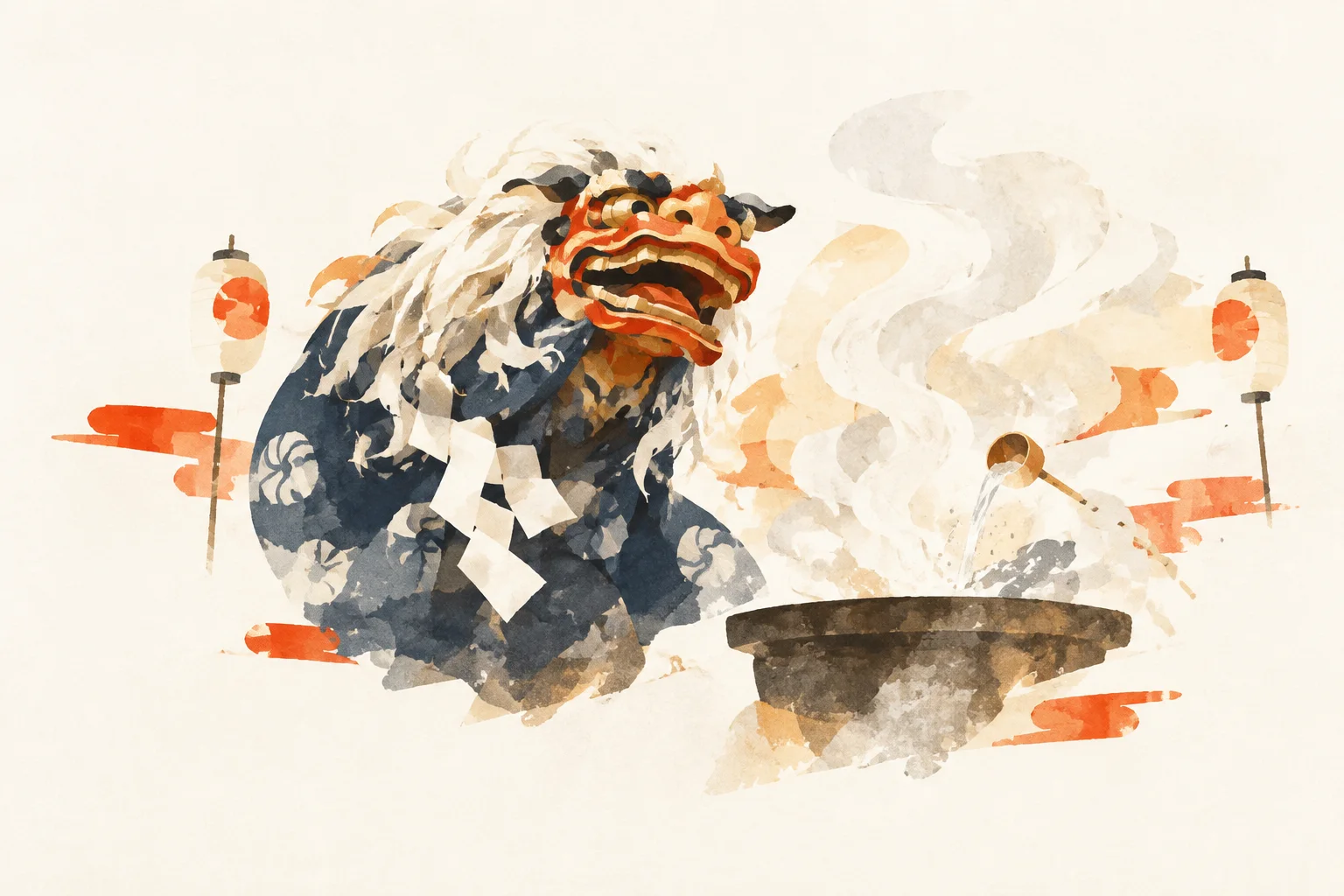
The powerful character of this offering dance is evident as the performer raises the lion head, said to weigh at least 10 kilograms, high overhead and dances while clacking its teeth.
During the boiling-water rite using a large cauldron, a straw whisk is used to stir the hot water as part of a harvest divination ritual. A hot-water sprinkling ritual is also performed, scattering water with bamboo leaves.
Matsudate’s Offering Kagura: Prayers Through Lion Dancing and Boiling-Water Rites
What to expect
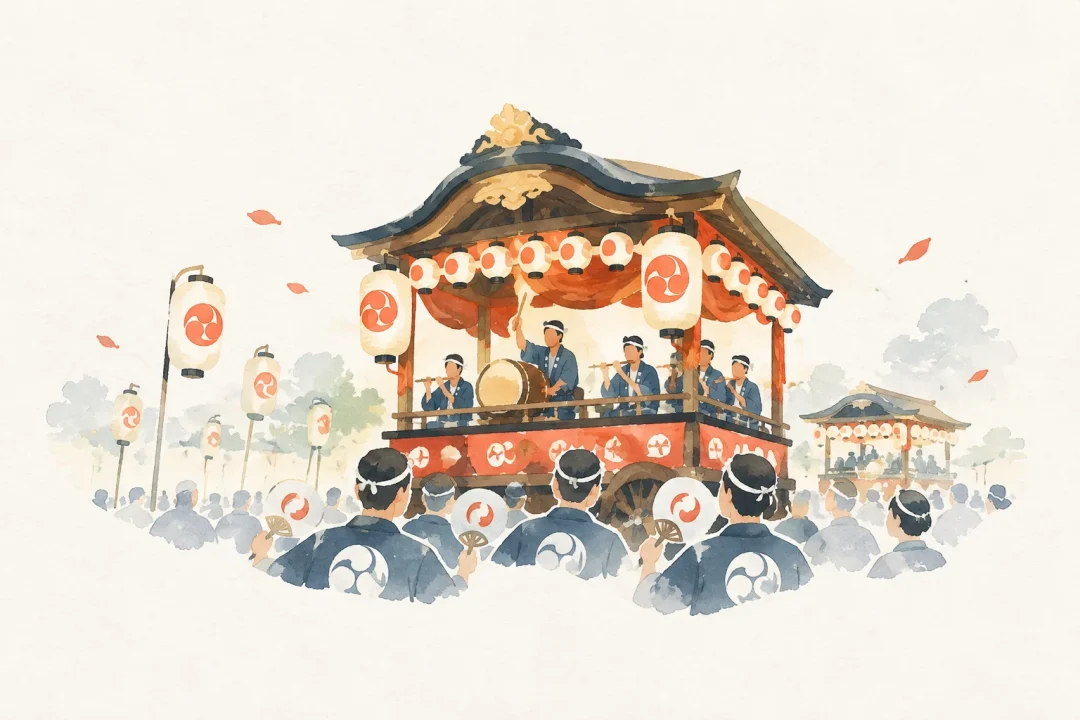
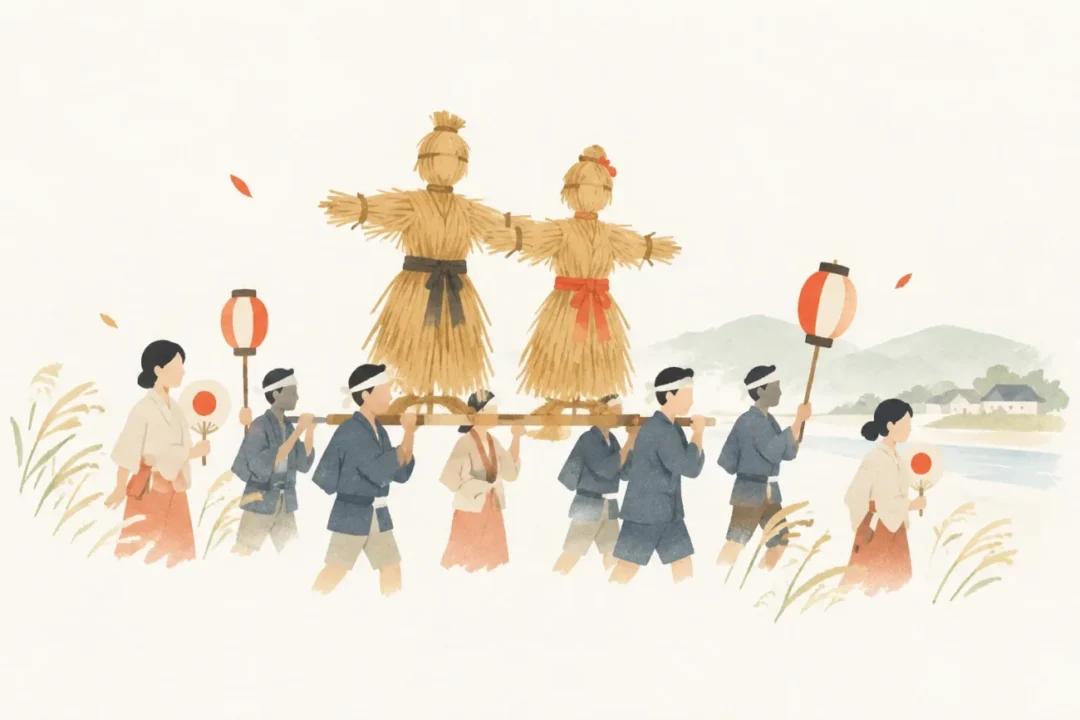
The annual festival begins the day before with a Gongen dance offered at the chief priest’s home. On the day of the festival, a procession sets out from the chief priest’s home for Matsudate Tenmangu Shrine.
The procession covers about 1 kilometer, carrying musical instruments and offerings and moving to the festival music known as “ no Kyoku.”
At the shrine, various dances are offered after the rituals, followed by the Shishi Gongen dance, boiling-water rites, a harvest divination ritual, and a hot-water sprinkling ritual. Finally, the group forms a procession again and leaves the shrine.
Location and access
- Venue and address
Matsudate Tenmangu Shrine (Matsudate Sugawara Shrine).
The address is 33 Tenjinkan, Hachimantai, Kazuno City, Akita Prefecture.
- Train and bus
About 5 minutes by car from JR Rikuchu Osato Station.
- By car
About 5 minutes by car from the Kazuno-Hachimantai Interchange on the Tohoku Expressway.
Source: 松館天満宮三台山獅子大権現舞 | 秋田県遺跡地図情報
Event venue 秋田県鹿角市 松館天満宮
This map uses the venue name. Check the official guide for the event area and entrances.
Dates and season
The annual festival at Matsudate Tenmangu Shrine and the offering of Shishi Dai Gongen-mai are held on April 25.
On the eve, April 24, the offering of Gongen-mai begins at the chief priest’s residence, followed the next morning by the togyo procession, kagura in the , and the yudate ritual.
Accommodation and hotels PR
Showing nearby accommodation.
Prices and availability are current at the time of retrieval. For multi-night stays, only the first night’s price is shown. Confirm the final price and directions to the venue with the booking provider. Select your dates again when using the area search link. Search area: within 3 km of Central Akita Prefecture / Kazuno City (the search is not centered on the festival venue)
Tips for your visit
A boiling-water rite is held in the shrine precincts using a large cauldron, and the hot-water sprinkling ritual, in which hot water is scattered with bamboo leaves, is also a highlight.
Hot water may splash around, so when watching, do not get too close to the cauldron or ritual area, and follow the staff’s directions.
Before visiting, check the areas around the venue that are off-limits and any safety guidance for the day.
Nearby attractions
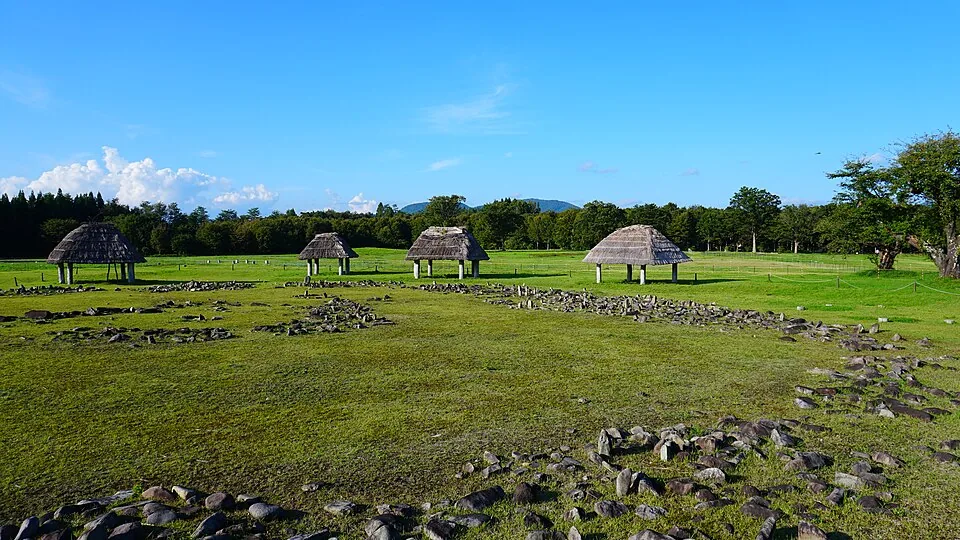
大湯環状列石
秋田県鹿角市にある縄文時代の配石遺跡
写真:掬茶 / CC BY-SA 4.0(resized and reformatted)
Photo source ·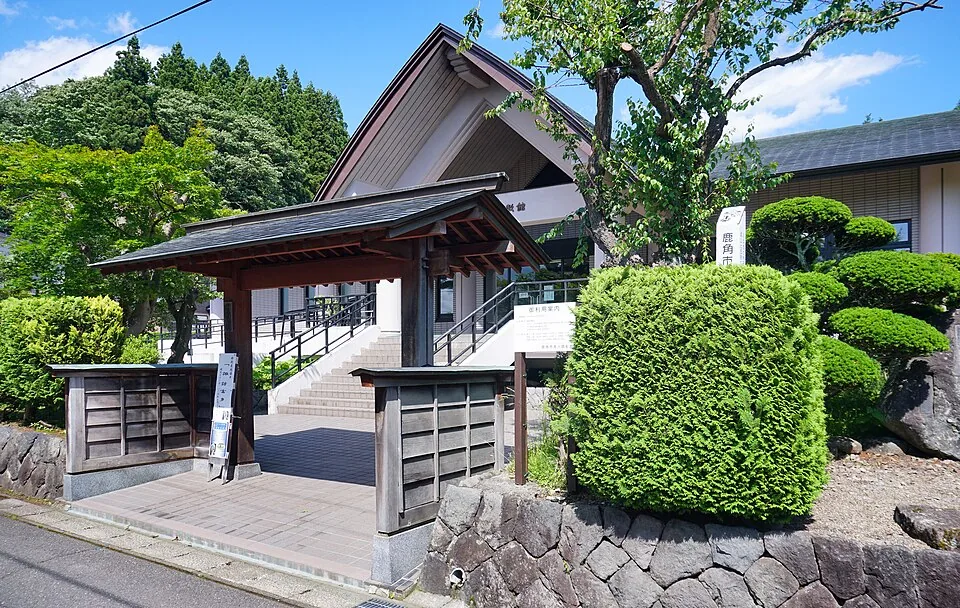
鹿角市先人顕彰館
秋田県の博物館・美術館のスポットです。
写真:掬茶 / CC BY-SA 4.0(resized and reformatted)
Photo source ·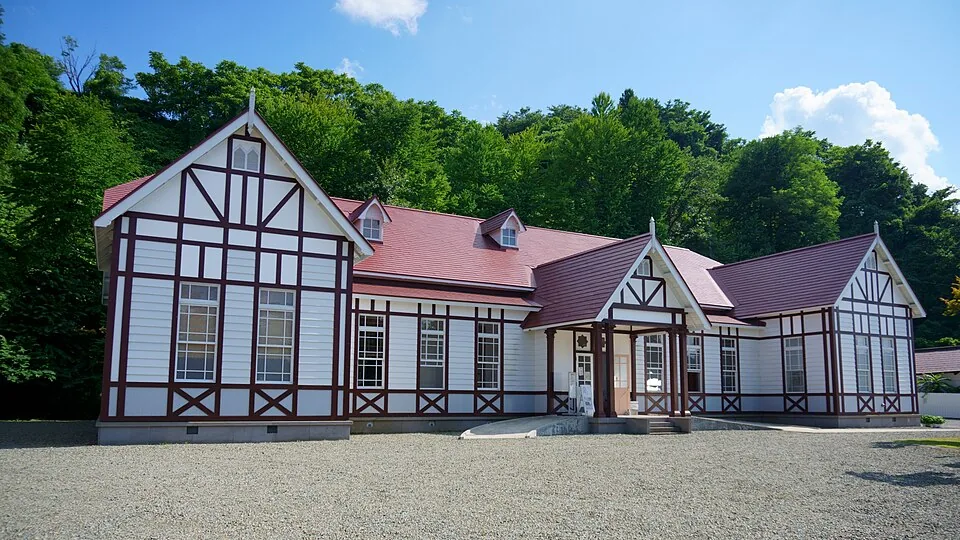
鹿角市歴史民俗資料館
秋田県鹿角市にある博物館
写真:掬茶 / CC BY-SA 4.0(resized and reformatted)
Photo source ·Origins and History of Matsudate Tenmangu Sandaiyama Shishi Daigongen Mai
It is said to have begun when villagers performed dances as Matsudate Tenmangu Shrine was established to enshrine Sugawara no Michizane, invited from Kyoto’s Kitano Tenmangu Shrine, in 1300, the 2nd year of Shōan, or in 1022, the 2nd year of Jōan.
It nearly died out for a time around the Taisho period, but was revived in 1937, the 12th year of Showa, as a form of dance and music similar to what is performed today.
In 1993, the 5th year of Heisei, it was designated an Intangible Folk Cultural Property of Akita Prefecture.
Source: 松館天満宮三台山獅子大権現舞 - Wikipedia
Official information
For the festival date and directions to the venue, check the Kazuno City tourism information.
For details about the festival’s program and dances, Akita Prefecture’s “Akita Genki Mura” has an in-depth introduction to the Matsudate area and can help you learn about the offering kagura passed down there.
Matsudate Tenmangu Sandaiyama Shishi Daigongen Mai at a Glance
Matsudate Tenmangu Sandaiyama Shishi Daigongen Mai is a traditional kagura centered on lion dancing and boiling-water rites, offered at the annual festival in the Matsudate area of Kazuno City.
The procession from the chief priest’s home to the shrine, a series of dances, the Gongen dance with a lion head, harvest divination, and the hot-water sprinkling ritual form a sequence of events.
Held every year on April 25, it has been passed down locally as an Intangible Folk Cultural Property designated by Akita Prefecture.
Source: 松館天満宮三台山獅子大権現舞 - ジャパンサーチ
Japanese Festivals.jp Editorial Team
Celebrating local culture and helping you discover a side of Japan you never knew.
Article updated: 2026/10/19
Submit information or a correction Submit photos of this festival