A Shimonoseki festival of remembrance for Emperor Antoku, featuring the spectacular Joro procession
Senteisai

Festival information
EVENT INFORMATION- Season / frequency
- Every year from May 2 to May 4 / Every year
- Location
- Akama Jingu Shrine, the Joro procession route through the city, and Emperor Antoku’s Amidaji Mausoleum
- Area
- Yamaguchi Prefecture・Shimonoseki City(From Tokyo: approx. 1 h 35 min–1 h 55 min · flight time only)Prefecture-level estimate to a main station or airport, not the venue. Airport access, check-in and onward travel are extra; remote areas and islands can take much longer.
- Features
- Highlights and activities
- Wishes behind the festival
- Participation / viewing
- Spectators welcome
- Last updated
- 2026/10/19
Senteisai, held in remembrance of Emperor Antoku, is a traditional Shimonoseki event featuring the Mausoleum Front Festival, memorial services, and the Joro visit, centered on Akama Jingu Shrine. The Joro procession, with its performers walking the Soto-hachimonji step, conveys the festival’s history and pageantry.
About Senteisai
Photo credits and terms of use
Photographer: masao1941 File:下関豊前田商店街 先帝祭 上臈道中 壱.jpg / Wikimedia Commons / CC BY 3.0 https://www.panoramio.com/photo/71364947Display size only adjusted.May differ from the event currently featured.Senteisai is a festival held at Akama Jingu Shrine in Shimonoseki, Yamaguchi Prefecture, to honor Emperor Antoku.
It is said to have begun when the Heike court ladies visited the shrine on the anniversary of Emperor Antoku’s death, after the Heike clan was defeated at the Battle of Dan-no-ura.
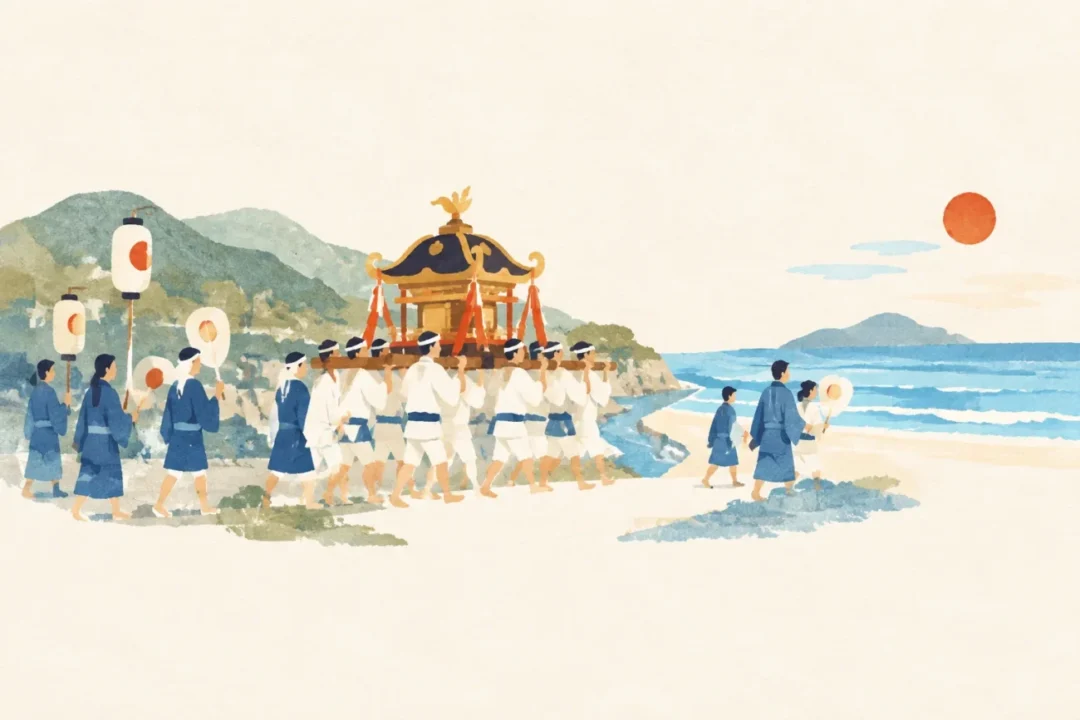
The festival includes rituals at the mausoleum, a memorial service for the Heike clan, the Joro visit, and the Goshinkosai procession. It is closely connected to Shimonoseki’s history.
Senteisai is also designated as an Intangible Folk Cultural Property of Shimonoseki City.
Source: 赤間神宮 特殊神事 先帝祭 | 赤間神宮公式サイト
Festival highlights
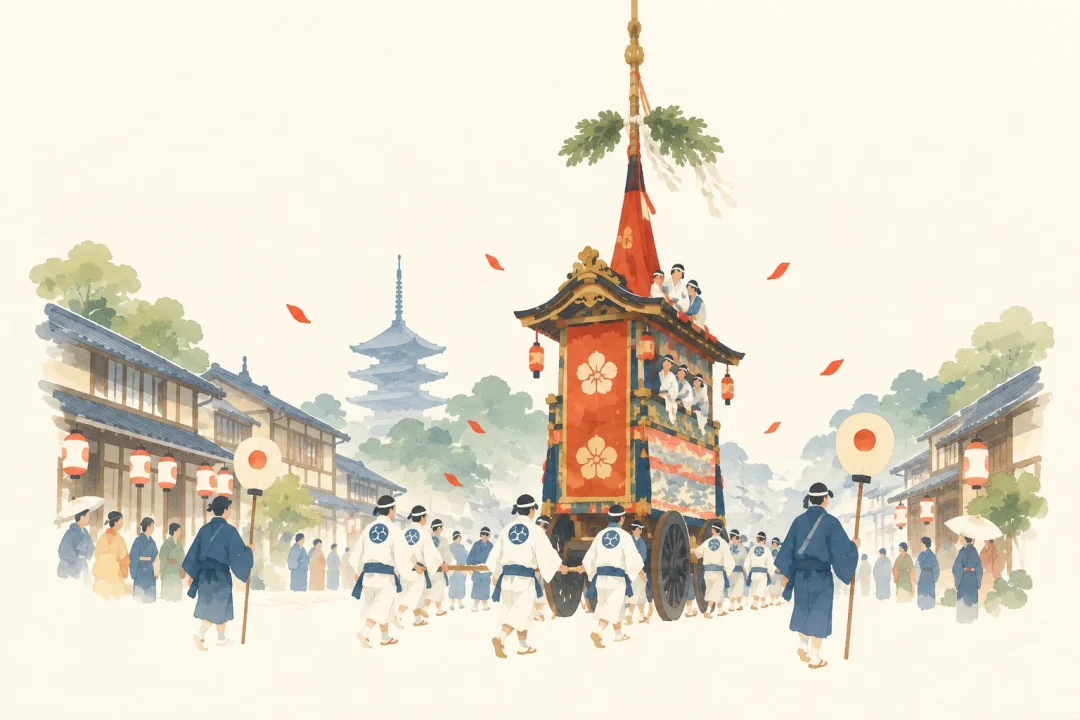
The main highlight is the Joro procession, featuring Joro, court ladies, attendants, children, and guards dressed in garments reminiscent of court attire.
The Joro walk through the city performing the Soto-hachimonji step, then cross a temporary Tenkyō Bridge within the grounds of Akama Jingu Shrine and proceed to the place of worship.
The festival also features offerings such as Heike drumming, bringing together a historic site of remembrance and vibrant traditional performing arts.
A Shimonoseki festival of remembrance for Emperor Antoku, featuring the spectacular Joro procession
What to expect
The festival lasts 3 days. On the 1st day, the Mausoleum Front Festival is held at Emperor Antoku’s Amidaji Mausoleum, followed in the afternoon by the Senteisai Eve Festival and a memorial service for the Heike clan.
On the 2nd day, the Joro visit follows the grand festival rites and offerings such as Heike drums. The Joro procession travels through the city to Akama Jingu Shrine.
On the final day, the Goshinkosai procession takes place with the Horen palanquin at its center, though the procession may be canceled in some recent years.
How to take part
Visitors can watch the event.
Location and access
- Venue and address
Akama Jingu Shrine (including the Joro visit and the Mausoleum Front Festival).
The Joro procession sets off from Izaki-cho, passes through Buzen-da-cho, and continues to Akama Jingu Shrine.
- Train and bus
Take a bus from JR Shimonoseki Station for about 10 minutes. The shrine is just a short walk from the Akama Jingu-mae bus stop.
- By car
About 15 minutes from the Shimonoseki IC on the Chugoku Expressway.
- Parking
Parking is available at the following locations: 90 spaces at Karato Wharf, 572 at Karato Market, 300 at Akama Jingu Shrine, and 395 at Kaikyokan Aquarium.
All parking is paid.
As the area is crowded during the festival, public transportation is recommended.
Source: しものせき海峡まつり|観光スポット|【公式】山口県観光/旅行サイト おいでませ山口へ
Event venue 山口県下関市 赤間神宮
This map uses the venue name. Check the official guide for the event area and entrances.
Dates and season
The Sentō-sai is held annually from May 2 to May 4.
The program is scheduled to include the Goryōmae Festival on May 2, the Jōrō Pilgrimage on May 3, and the Goshinkō Festival on May 4.
Source: 先帝祭 - Wikipedia
Accommodation and hotels PR
Showing nearby accommodation.
Prices and availability are current at the time of retrieval. For multi-night stays, only the first night’s price is shown. Confirm the final price and directions to the venue with the booking provider. Select your dates again when using the area search link. Search area: within 3 km of Central Yamaguchi Prefecture / Shimonoseki City (the search is not centered on the festival venue)
Tips for your visit
The Joro procession passes through the city on its way to Akama Jingu Shrine. At points along the route, follow local guidance and instructions from staff.
Within the grounds of Akama Jingu Shrine, the Joro cross the Tenkyō Bridge and proceed to the place of worship.
The area is said to be very crowded during the Kaikyo Festival, so allow plenty of time and plan to use public transportation rather than drive.
Nearby attractions
Near Akama Jingu Shrine, the setting for the festival, are Karato Market and Karato Wharf.
Karato Market is known for its seafood, while Karato Wharf has restaurants serving seafood from the Kanmon Strait and souvenir shops.
If you would like to learn about the Battle of Dan-no-ura, which is closely connected to Senteisai, you can also visit attractions related to the battle listed in Shimonoseki’s historical sightseeing information.
Source: 下関について | 下関観光コンベンション協会

はい!からっと横丁
山口県下関市にある遊園地

下関市立しものせき水族館
山口県下関市にある水族館

下関市立歴史博物館
山口県下関市長府にある博物館

下関市立美術館
山口県下関市長府にある美術館

下関市立考古博物館
山口県下関市にある博物館

下関市立近代先人顕彰館
日本の山口県下関市にある博物館

下関市立長府博物館
山口県下関市長府にあった博物館
写真:Wiki708 at Japanese Wikipedia / CC BY-SA 3.0
Photo source ·
乃木神社
山口県下関市にある神社

亀山八幡宮
山口県下関市にある神社

大歳神社
山口県下関市にある神社

彦島八幡宮
山口県下関市にある神社

Iminomiya Shrine
山口県下関市にある式内社
Origins and History of Senteisai
Senteisai is said to have originated when the Heike ladies-in-waiting who remained after the Battle of Dan-no-ura visited the emperor’s mausoleum on the anniversary of Emperor Antoku’s death.
Over time, a form of pilgrimage in which guards, children, and attendants followed the court ladies and Joro was passed down, leading to today’s Joro procession.
It is also said that the Joro procession was passed down to courtesans in the Inari-cho pleasure quarter during the Edo period.
Official information
For official information, see Akama Jingu Shrine’s “Special Shinto Ritual: Senteisai” guide.
The guide covers the festival’s origins, the schedule of events from May 2 to May 4, and details of the Joro visit and Goshinkosai procession.
Information about venues and transportation in Shimonoseki is also available in the “Shimonoseki Kaikyo Festival” guide on the Yamaguchi Prefecture tourism website.
Senteisai at a Glance
Senteisai is a historic festival that represents Shimonoseki and carries on the remembrance of Emperor Antoku and the Heike clan.
Alongside the Mausoleum Front Festival and memorial service, a major highlight is the Joro procession, in which the elaborately dressed Joro walk performing the Soto-hachimonji step.
As events take place both at Akama Jingu Shrine and in the city, learning about the festival’s background before your visit can help you appreciate the meaning of the splendid procession more deeply.
Japanese Festivals.jp Editorial Team
Celebrating local culture and helping you discover a side of Japan you never knew.
Article updated: 2026/10/19
Submit information or a correction Submit photos of this festival