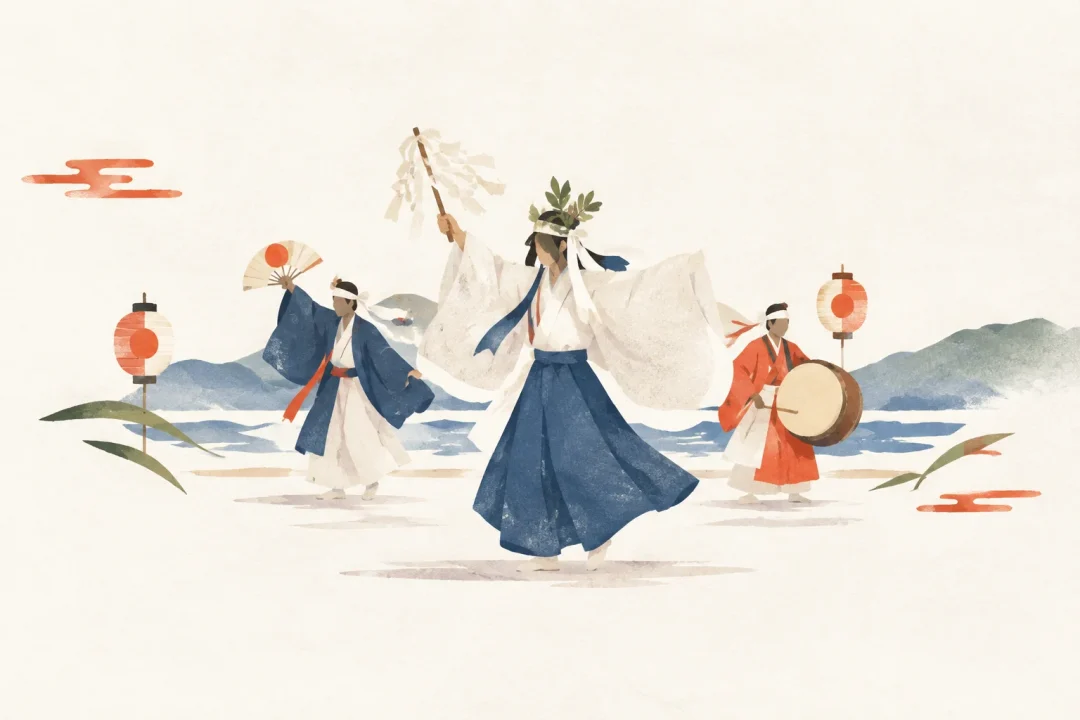
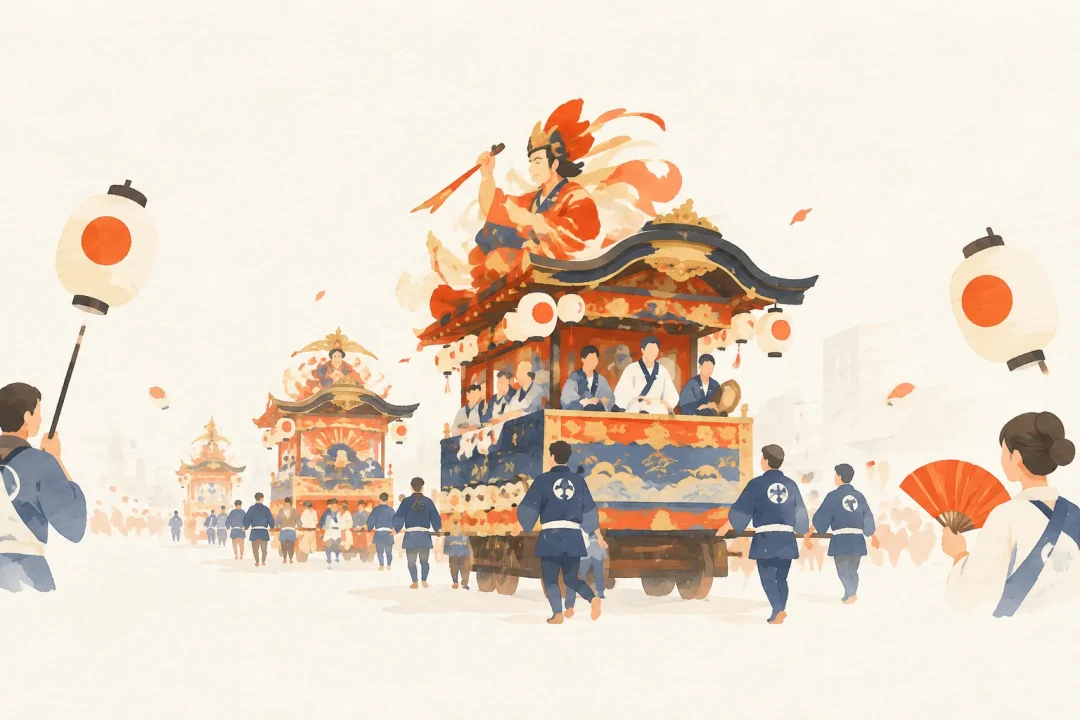
A prayerful performing art featuring a lion head and kagura performers traveling along the Sanriku coast
Rikuchu Coast Kaimawari Kagura
Festival information
EVENT INFORMATION- Season / frequency
- Beginning of the year / The northern and southern routes alternate every other year
- Location
- The coastal villages of the Rikuchu Coast region (from around Kuji City to around Kamaishi City)
- Area
- Iwate Prefecture・Miyako City, Fudai Village, Kuji City, Kamaishi City(From Tokyo: approx. 2 h 10 min–2 h 40 min · bullet train)Prefecture-level estimate to a main station or airport, not the venue. Airport access, check-in and onward travel are extra; remote areas and islands can take much longer.
- Wishes behind the festival
- Last updated
- 2026/10/19
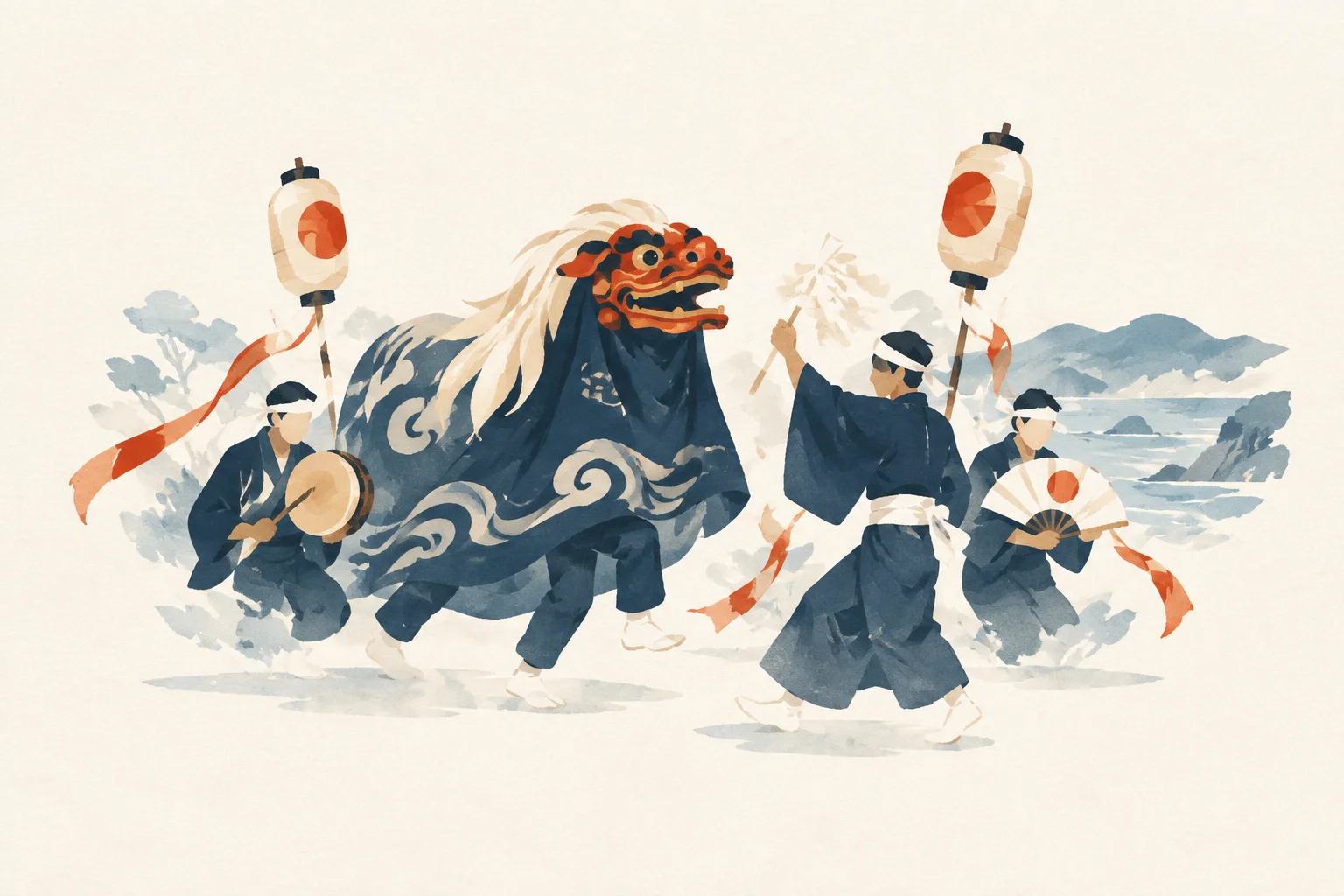
Rikuchu Coast Kaimawari : kagura performers carrying a lion head travel from village to village along the coast of Iwate Prefecture. This folk performing art, rooted in everyday life and faith, involves praying at the gates of homes and presenting a variety of dances and performances at a kagura lodging at night.
About Rikuchu Coast Kaimawari Kagura
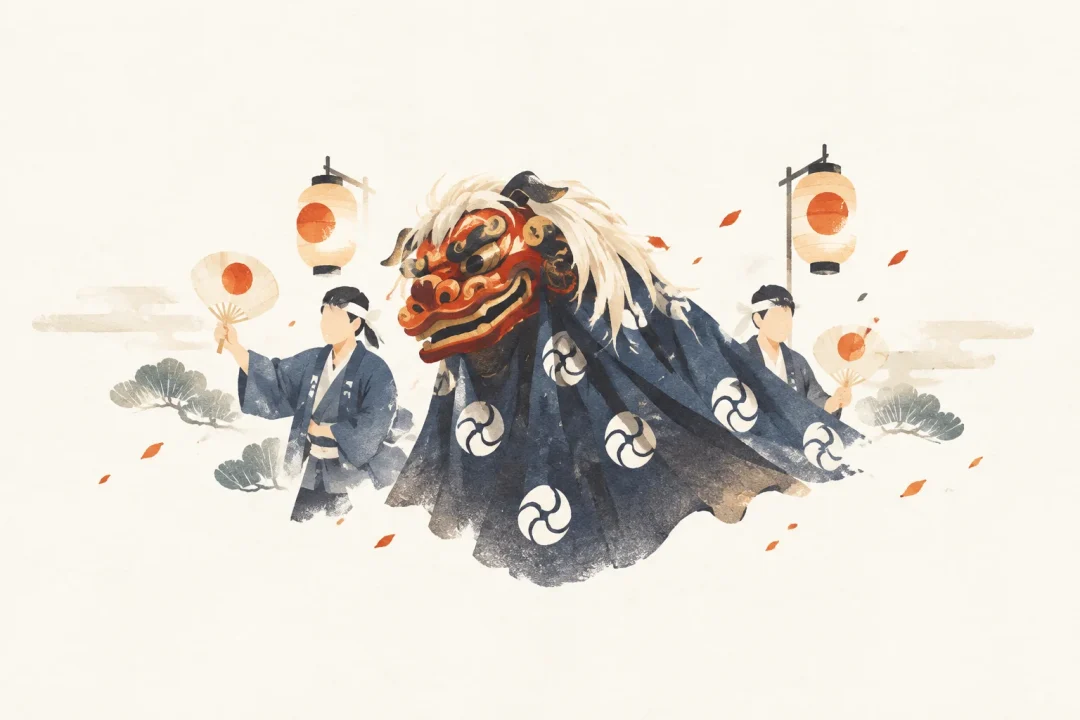
The Rikuchu Coast Kaimawari Kagura is a lion kagura performed with a lion head called a Gongen-sama.
One of its defining features is its long tour of a wide coastal area at the beginning of the year, visiting village after village.
Kagura associated with Kuromori Shrine and Unotori Shrine forms the core of the tradition, which has been passed down in close connection with local life and faith.
Source: 国指定文化財等データベース
Festival highlights
Its distinctive feature is the way kagura performers carry a lion head as they travel through coastal villages.
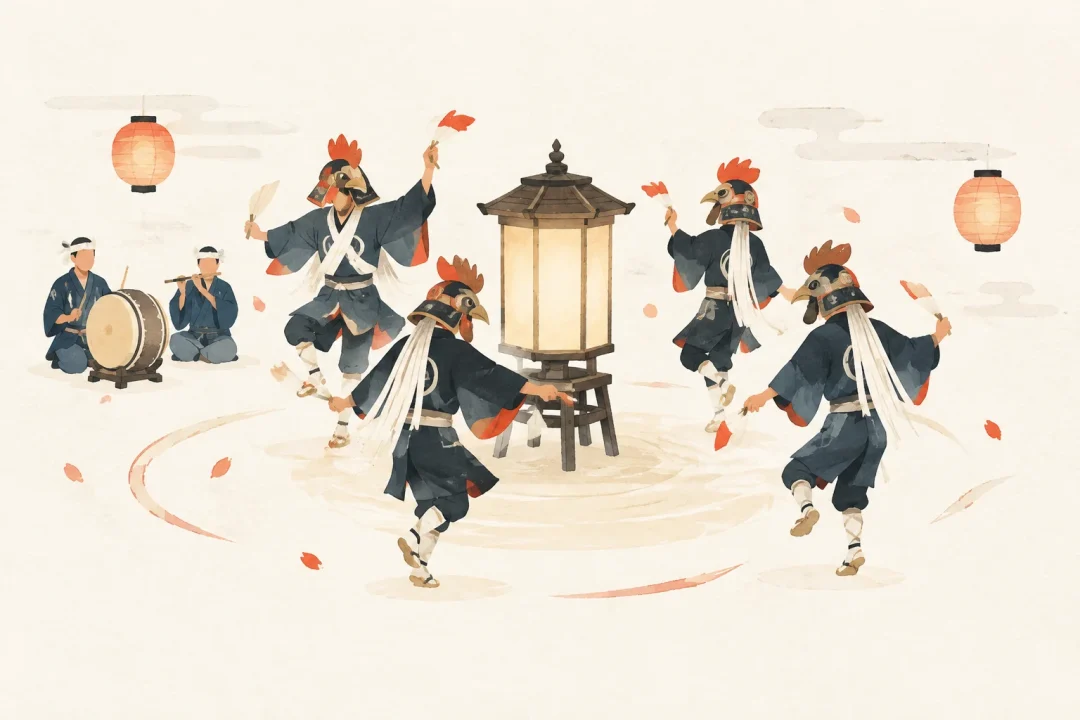
During the day, they visit homes to pray at their gates. At night, they hang a curtain in a room of a private home and perform kagura pieces late into the night.
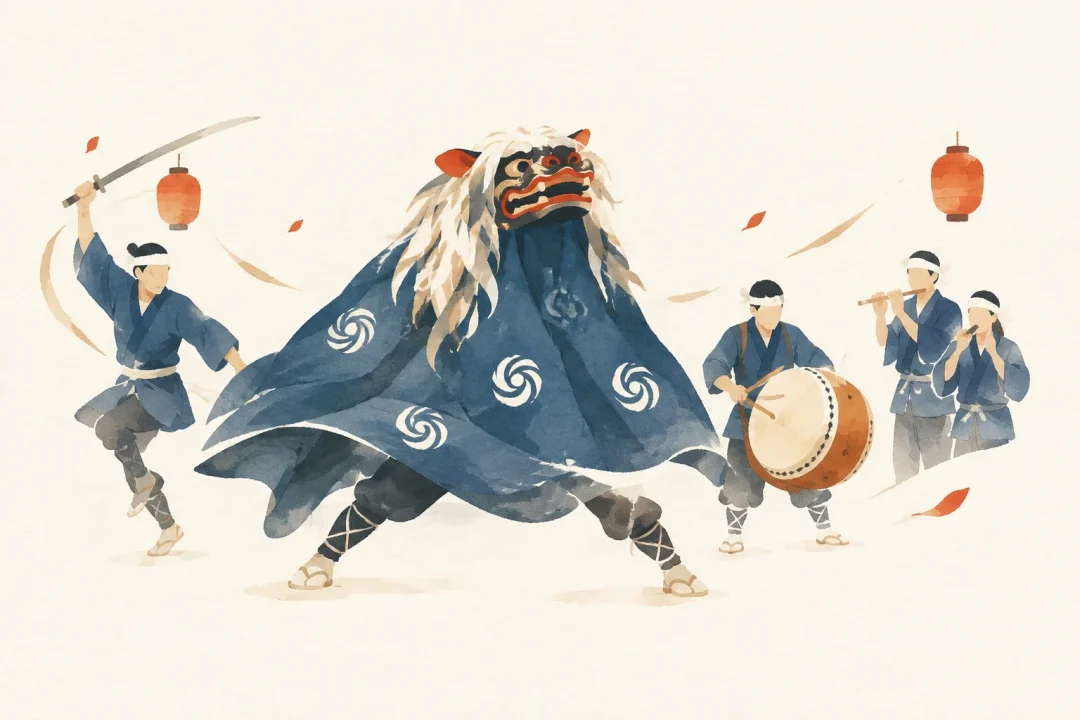
A varied repertoire has been passed down, including “Yama no Kami-mai,” “Ebisu-mai,” , samurai dances, and women’s dances.
A prayerful performing art featuring a lion head and kagura performers traveling along the Sanriku coast
What to expect
The kagura troupe generally stays one night in each village, though it may stay two or three nights in larger villages.
During the day, the performers visit the gates of homes to pray for protection from evil and safety within the household; at night, they present performances at a kagura lodging.
The standard format is said to involve performing twelve pieces in one night, with a wide range of traditional performing arts, from role dances to kyogen, samurai dances, and women’s dances.
Location and access
- Venue and address
The troupe travels through the coastal villages of the Rikuchu Coast region.
The area covered extends from around Kuji City in the north to around Kamaishi City in the south.
Event venue 岩手県宮古市、普代村、久慈市、釜石市 陸中沿岸地方の沿岸の村々
This map uses the venue name. Check the official guide for the event area and entrances.
Dates and season
- Season
Beginning of the year
- Frequency
The northern and southern routes alternate every other year
Tips for your visit
The villages visited and kagura lodgings vary from one village to another. Evening performances are held in private homes that have been booked in advance.
If you wish to attend, you need to check in advance which area it will be held in and whether visitors can be accommodated on the day.
A stay at a kagura lodging does not always last just one night; in some villages, the troupe may stay two or three nights.
Origins and History of Rikuchu Coast Kaimawari Kagura
The Rikuchu Coast Kaimawari Kagura has been passed down as kagura associated with Kuromori Shrine in Miyako City and Unotori Shrine in Fudai Village.
The coastal fishing communities have held both shrines in great reverence, praying for safe voyages and abundant catches. The kagura performers have alternated between the northern and southern routes every other year.
In 1995, it was designated as an intangible folk cultural property requiring measures such as the creation of records.
Official information
The Agency for Cultural Affairs’ database of nationally designated cultural properties provides information about the Rikuchu Coast Kaimawari Kagura and its preservation groups.
Rikuchu Coast Kaimawari Kagura at a Glance
The Rikuchu Coast Kaimawari Kagura is a folk performing art rich in local character, in which kagura performers carrying a lion head travel for an extended period through coastal villages.
During the day, they visit homes to pray; at night, they present a variety of performances at a kagura lodging.
This tradition has been passed down alongside prayers for safe voyages, abundant catches, protection from evil, and safety within the household.
Japanese Festivals.jp Editorial Team
Celebrating local culture and helping you discover a side of Japan you never knew.
Article updated: 2026/10/19
Submit information or a correction Submit photos of this festival