Okutama’s elegant folk performing art, passed down by dancers in women’s clothing
Kashima Odori of Ogouchi
The 2026 edition of Kashima Odori of Ogouchi has ended.
Festival information
EVENT INFORMATION- Dates
- 2026/09/13Ended
- Season / frequency
- The second Sunday of September / Once a year
- Location
- Ogouchi Shrine (Kamo Shrine Goryosha) / Okutama Water and Green Friendship Hall
- Area
- Tokyo Metropolis・Okutama Town(Within Tokyo: approx. 15 min–1 h by train (central areas))Prefecture-level estimate to a main station or airport, not the venue. Airport access, check-in and onward travel are extra; remote areas and islands can take much longer.
- Highlights and activities
- Participation / viewing
- Open to public participation / spectators welcome
- Age restrictions
- No age restrictions (membership in the preservation society)
- Required number of participants
- 6 dancers, 2 flute players, and 2 players
- Last updated
- 2026/10/19
Kashima Odori of Ogouchi, passed down in Okutama Town, is a nationally designated Important Intangible Folk Cultural Property in which male dancers in women’s clothing perform 11 pieces to flute and taiko accompaniment.
About Kashima Odori of Ogouchi
Kashima Odori of Ogouchi is a folk performing art designated as an Important Intangible Folk Cultural Property, passed down in Okutama Town, Tokyo.
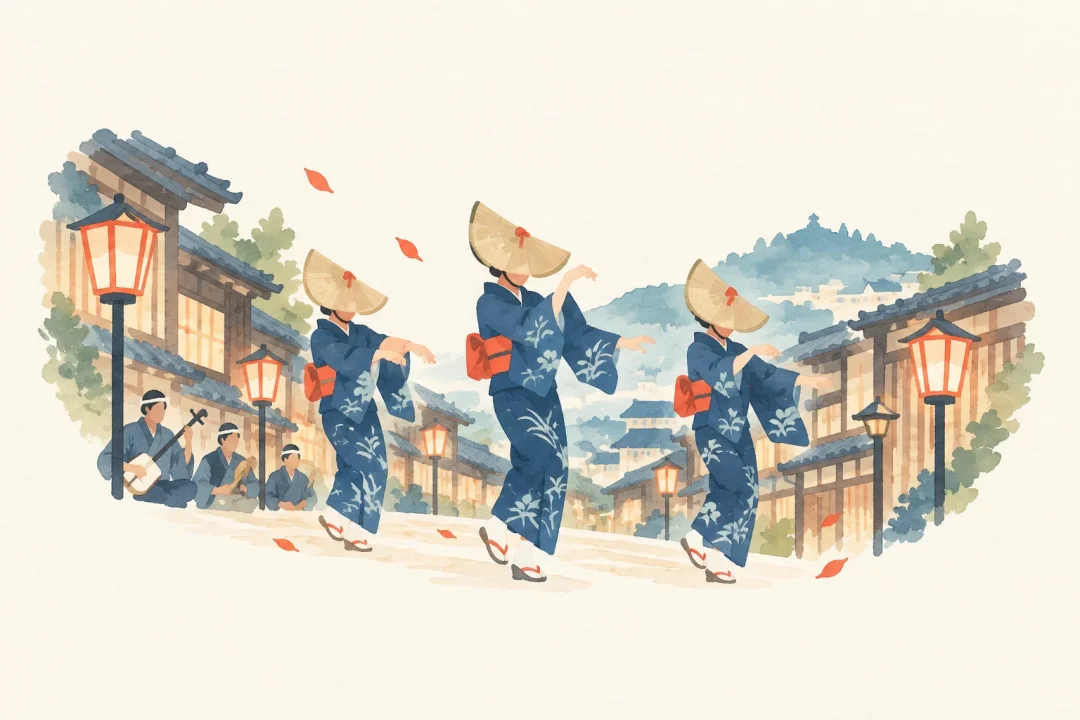
It is performed as an offering at festivals such as that of Ogouchi Shrine, where male dancers in women’s clothing and musicians playing flutes and taiko present movements linked to old kabuki dances and nenbutsu dances.
This performing art has been carefully passed down by the people of the former Ogouchi Village. In Reiwa 4, it was inscribed on UNESCO’s Representative List of the Intangible Cultural Heritage of Humanity as one of the “Furyu Odori.”
Source: 国指定文化財等データベース / 小河内の鹿島踊/奥多摩町
Festival highlights
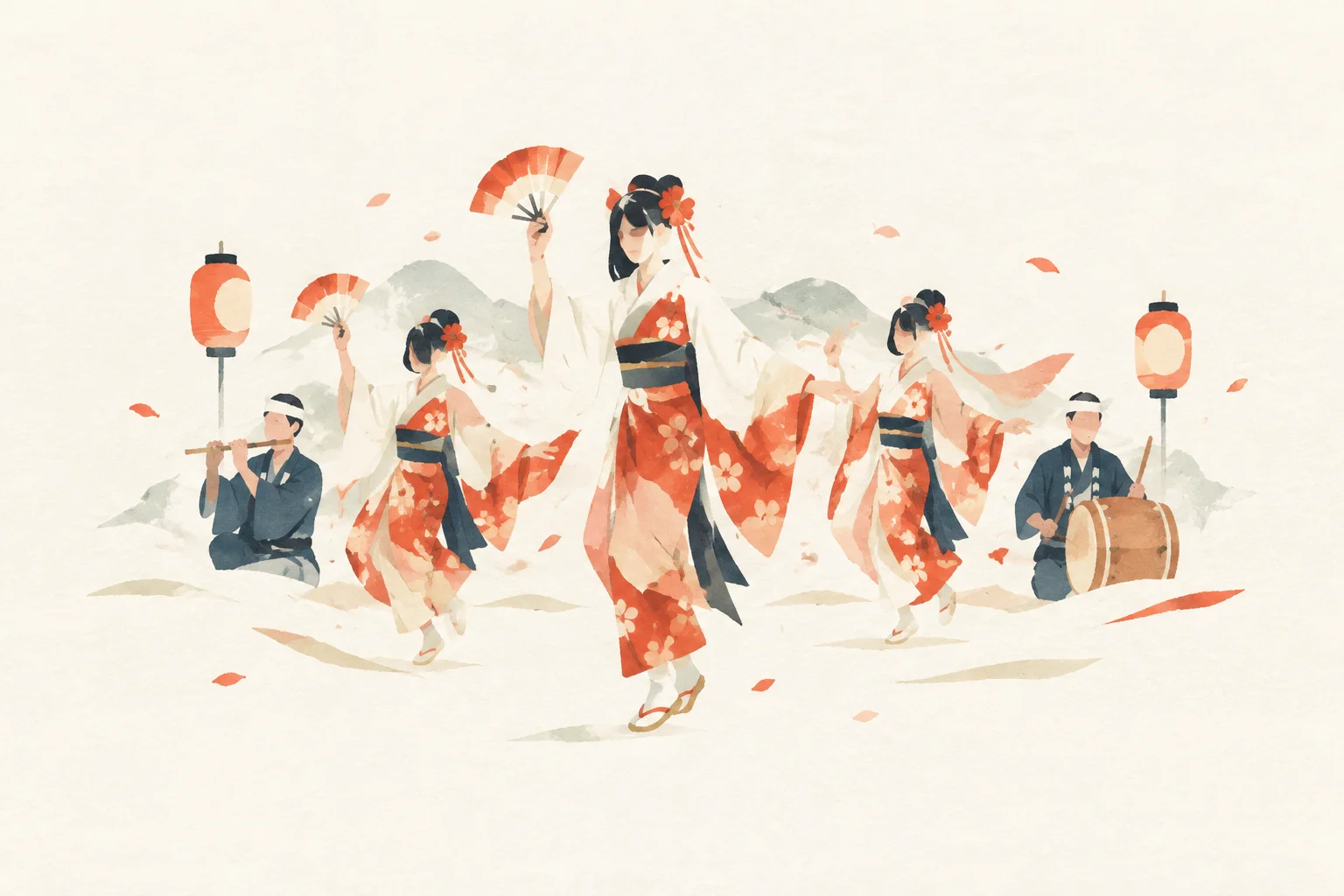
Its most distinctive feature is the spectacular sight of 6 men dancing in women’s clothing.
Wearing costumes patterned along the hems of their furisode and crowns adorned with yoraku ornaments, they move gracefully to the sound of flutes and taiko.
Another highlight is the program: it begins with Sanbaso, includes 11 pieces such as Mari Odori, Hamagasaki, Sakuragawa, and Nenbutsu, and ends with a triple rhythm.
Okutama’s elegant folk performing art, passed down by dancers in women’s clothing
What to expect
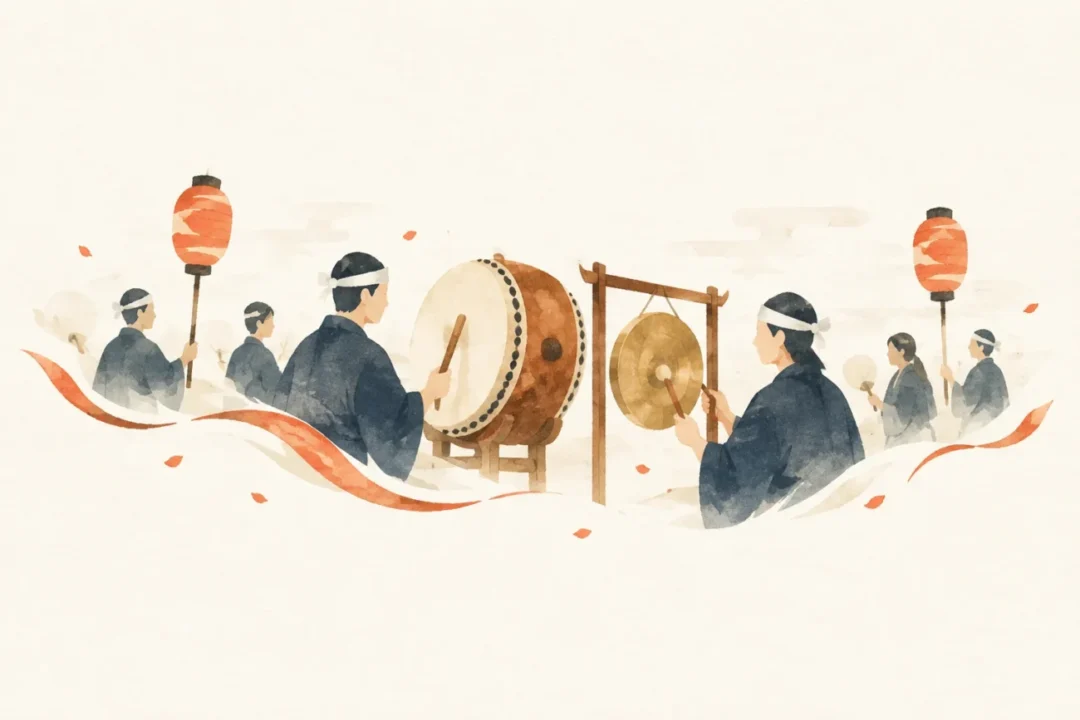
During the offering, dancers perform a series of pieces to the accompaniment of flute and taiko music.
Starting with Sanbaso, you can enjoy dances and songs that vary from piece to piece, including Mari Odori, Tsuki wa Hachiman, Hamagasaki, Sakuragawa, and Nenbutsu.
The Okutama Town guide lists performances at around 11 a.m. in the grounds of Ogouchi Shrine, followed by one at around 2 p.m. in the hall of the Okutama Water and Green Friendship Hall.
How to take part
You can get involved in preserving and passing down Kashima Odori by joining the preservation society.
According to the society’s rules, anyone who understands the importance of preserving and passing down the tradition and agrees with the rules may join, regardless of age, gender, or place of origin.
In addition to dancing, there are roles that support the tradition, such as playing the flute or taiko, singing, dressing the performers, and making props.
Source: 第49回東京都民俗芸能大会より『鹿島踊』出演団体インタビュー|2018都民芸術フェスティバル 公式サイト
Location and access
- Venue and address
Ogouchi Shrine (Kamo Shrine Goryosha), Kawano, Okutama Town, Tokyo.
The pieces are also performed in the hall of the Okutama Water and Green Friendship Hall.
- Train and bus
Get off at Okutama Station on the JR Ome Line and take a bus bound for the Todomura area.
Get off at “Ogouchi Shrine”; it is a 5-minute walk from there.
Address Kawano, Okutama Town, Nishitama District, Tokyo
Dates and season
2026 festival information (the listed dates have passed)
The festival is traditionally held on the second Sunday of September.
According to Okutama Town’s information, performances are scheduled for around 11 a.m. in the grounds of Ogouchi and around 2 p.m. in the hall of the Okutama Water and Greenery Exchange Center.
Accommodation and hotels PR
Showing nearby accommodation.
Prices and availability are current at the time of retrieval. For multi-night stays, only the first night’s price is shown. Confirm the final price and directions to the venue with the booking provider. Select your dates again when using the area search link. Search area: within 3 km of Central Tokyo Metropolis / Okutama Town (the search is not centered on the festival venue)
Nearby attractions
The Okutama Water and Green Friendship Hall, listed as a venue, is one of the places where pieces of Kashima Odori of Ogouchi are performed.
A performance is scheduled in the hall, where you can watch it alongside the offering in the .
Please check the facility’s opening status and visitor information before your visit.
Source: 奥多摩の歴史|東京都環境局 東京の自然公園

Origins and History of Kashima Odori of Ogouchi
It is unclear when Kashima Odori of Ogouchi was introduced to this area. One account says it was taught by a court noble who had fled into hiding; another says it came from a traveling monk.
Originally, it was performed at festivals in the hamlets of Hizashi, Kuki-zawa, and Minami in Ogouchi Village, Nishitama District.
After the area was inundated and residents relocated due to the construction of Ogouchi Dam, the Kashima Odori Preservation Association was established in 1970, and the tradition has continued.
Official information
The official Okutama Town guide introduces the festival date, venues, program, and transport.
The National Database of Cultural Properties provides details of the designation as an Important Intangible Folk Cultural Property and an explanation of the performing art.
For the latest information on the event date and venue, check the official Okutama Town page.
Kashima Odori of Ogouchi at a Glance
Kashima Odori of Ogouchi is a folk performing art passed down at places including Ogouchi Shrine in Okutama Town, in which male dancers perform in women’s clothing.
The performance starts with Sanbaso, presents 11 pieces to flute and taiko accompaniment, and closes with a triple rhythm.
Despite the inundation of the former village and its residents’ relocation due to the construction of Ogouchi Dam, a preservation association continues to pass on the tradition. It is also designated an Important Intangible Folk Cultural Property.
Japanese Festivals.jp Editorial Team
Celebrating local culture and helping you discover a side of Japan you never knew.
Article updated: 2026/10/19
Submit information or a correction Submit photos of this festival