Jōganji’s Higoe Nenbutsu, joined by the sound of taiko and hira-gane gongs
Sōban Nenbutsu at Jōganji Temple
Festival information
EVENT INFORMATION- Season / frequency
- It is described as the Jūya observance held every year on November 23. / Every year
- Location
- Jōganji Temple
- Area
- Tokyo Metropolis・Ōme City(Within Tokyo: approx. 15 min–1 h by train (central areas))Prefecture-level estimate to a main station or airport, not the venue. Airport access, check-in and onward travel are extra; remote areas and islands can take much longer.
- Highlights and activities
- Wishes behind the festival
- Participation / viewing
- Spectators welcome
- Last updated
- 2026/10/19
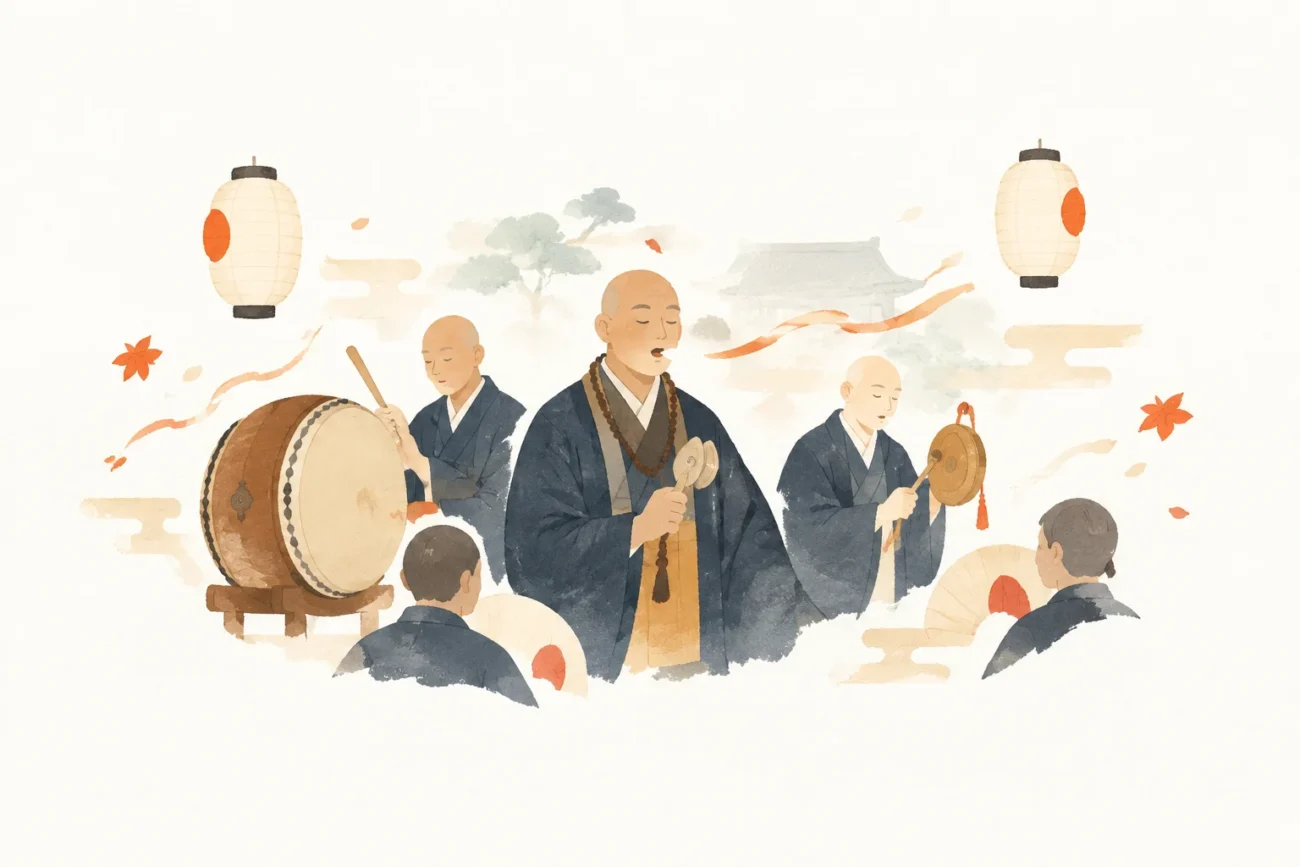
This nenbutsu gathering, accompanied by sōban, has been passed down at Jōganji Temple in Katsunuma, Ōme. Higoe Nenbutsu is chanted in long, melodic phrases to the sound of and hira-gane gongs.
About Sōban Nenbutsu at Jōganji Temple
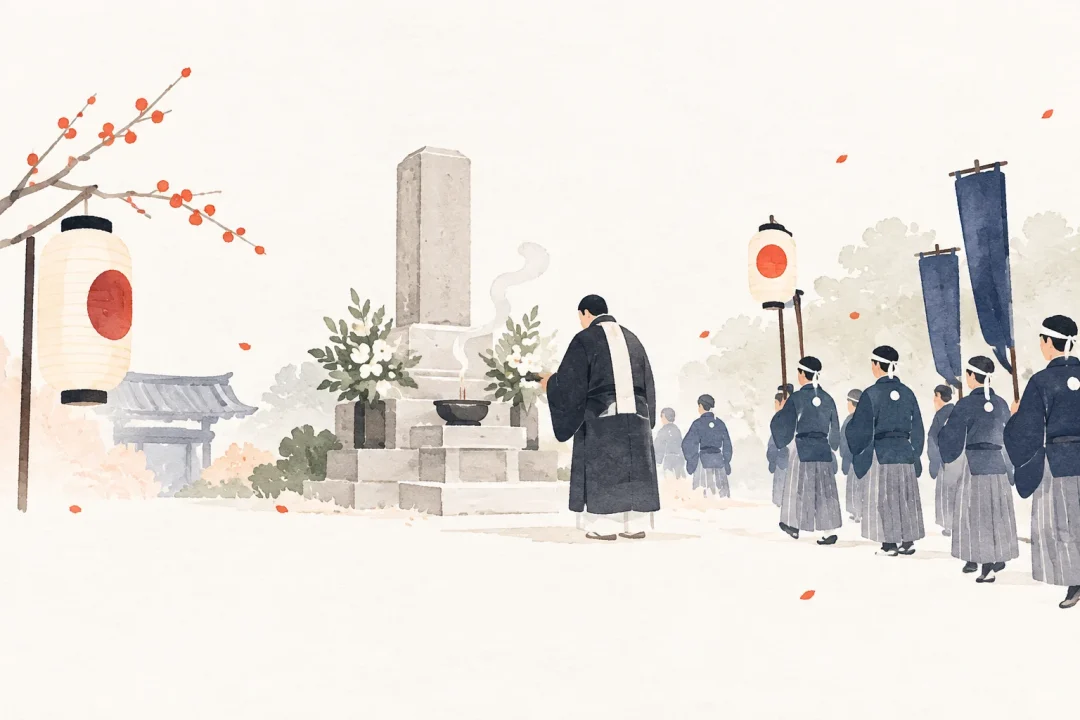
Sōban Nenbutsu at Jōganji Temple is a Jūya nenbutsu gathering held at Jōganji Temple in Katsunuma, Ōme.
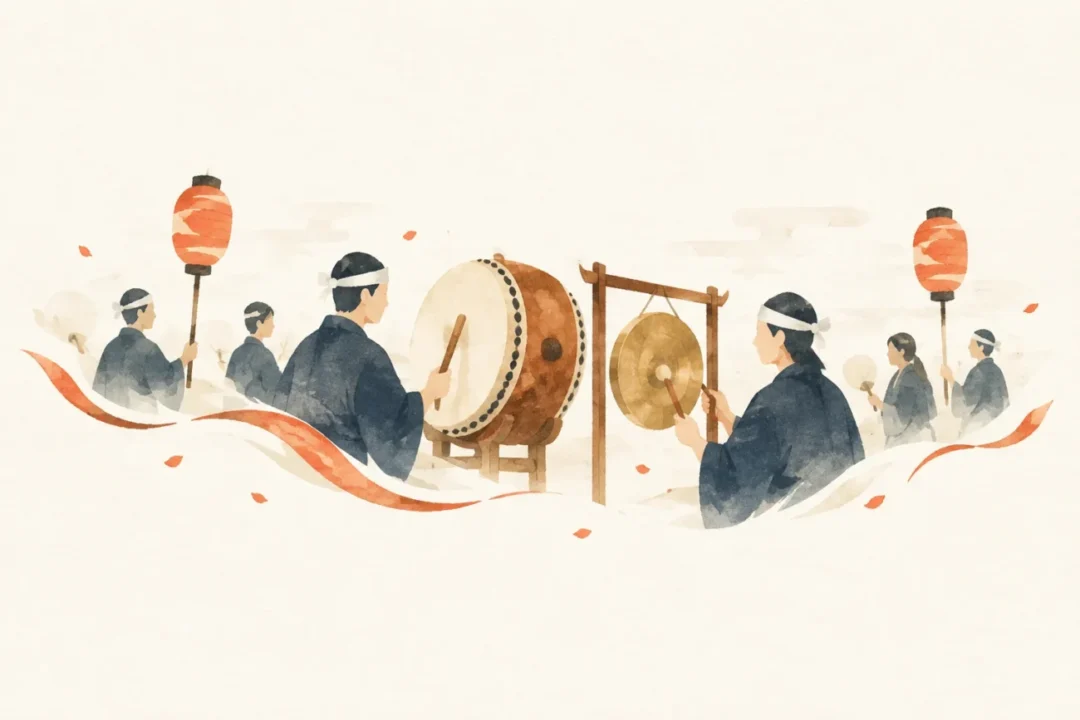
The long, melodic Higoe Nenbutsu is chanted to the accompaniment of the “sōban,” played on taiko and hira-gane gongs.
Against the backdrop of the Jūya observance, widely held at Jōdo-shū temples, distinctive sounds and group chanting have been passed down at Jōganji.
This event expresses gratitude to the Buddha and ancestors and offers an opportunity to experience the region’s temple culture.
Source: 乗願寺の双盤念仏: そまのほ
Festival highlights
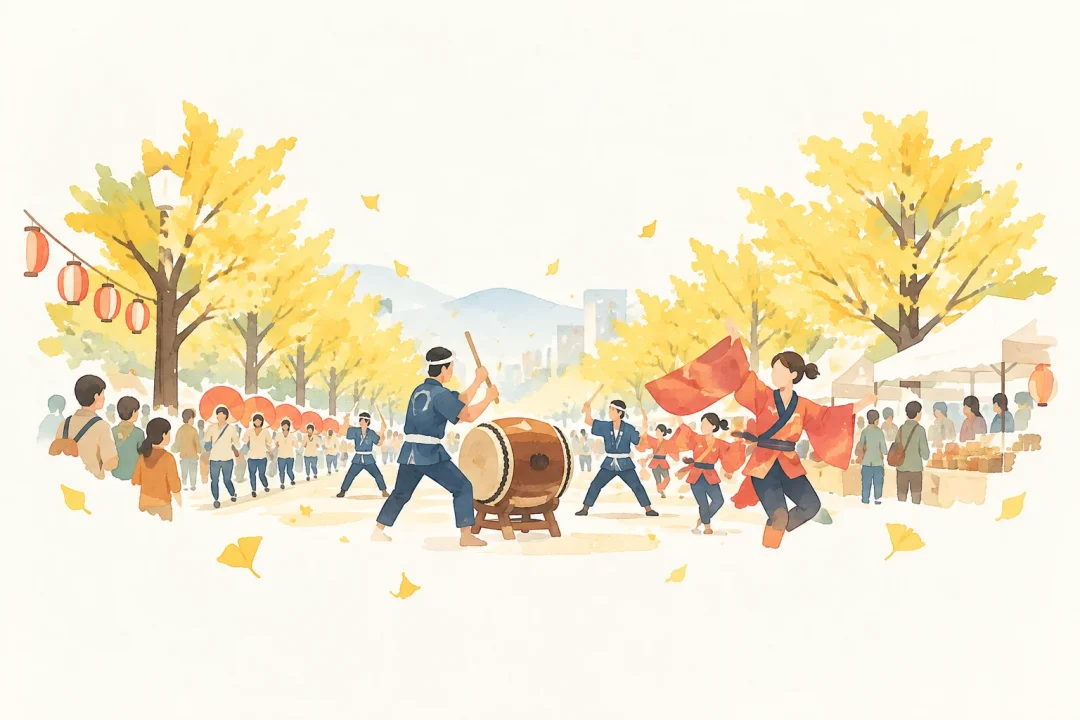
The highlight is the sound of the sōban, played by a group consisting of 1 taiko drummer and 4 hira-gane gong players.
The taiko drummer leads, while the gong players keep the rhythm, and together they chant Higoe Nenbutsu, setting the nenbutsu to long, melodic phrases.
The sound of percussion and distinctive chanting style blend in the main hall surrounded by trees, creating a soundscape unique to the .
The chanting is described as taking about 40 minutes.
Jōganji’s Higoe Nenbutsu, joined by the sound of taiko and hira-gane gongs
What to expect
Higoe Nenbutsu is performed to the accompaniment of sōban during the Jūya observance.
The taiko drummer and hira-gane players synchronize their playing, accompanying the long, melodic chanting of “Namu Amida Butsu.”
The voices chanting nenbutsu resonate from the main hall through the surrounding trees and hillsides, expressing gratitude to the Buddha and ancestors.
The central chanting takes about 40 minutes.
How to take part
The Sōban Nenbutsu gathering is described as an event that visitors can experience by listening to the chanting.
The guide includes words encouraging people to take part in the Sōban Nenbutsu gathering.
If you wish to take part, it is appropriate to attend quietly and respect the temple’s customs.
Location and access
- Venue and address
Jōganji Temple (3-114 Katsunuma, Ōme, Tokyo).
- Train and bus
A walking route from Higashi-Ōme Station on the JR Ōme Line, via Katsunuma Community Hall, to Jōganji Temple is described.
It takes 8 minutes from Higashi-Ōme Station to Katsunuma Community Hall, and 2 minutes from the hall to Jōganji Temple.
Source: 懐かしの風景、青梅宿・裏道そぞろ歩き〜前編(勝沼公会堂・乗願寺編) – おめ通
Address 3-114 Katsunuma, Ōme, Tokyo
Dates and season
- Season
It is described as the Jūya observance held every year on November 23.
- Frequency
Every year
Accommodation and hotels PR
Showing nearby accommodation.
Prices and availability are current at the time of retrieval. For multi-night stays, only the first night’s price is shown. Confirm the final price and directions to the venue with the booking provider. Select your dates again when using the area search link. Search area: within 3 km of Central Tokyo Metropolis / Ōme City (the search is not centered on the festival venue)
Tips for your visit
The event takes place in the temple’s main hall and surrounding grounds, where visitors listen to nenbutsu chanting and percussion.
Please remain quiet so as not to disturb the chanting, and follow the temple’s guidance and the movements of other attendees.
A railway crossing on the approach to Jōganji is on the Ōme Line, so take care around trains and check that it is safe to cross when heading to the temple grounds.
It is advisable to check the event times and how to attend in advance.
Nearby attractions
Near Jōganji Temple are Katsunuma Community Hall and the streets of Ōme-juku.
Katsunuma Community Hall, built in 1939, is still in use and is next to Jōganji Temple.
Ōme-juku is described as a post town, and traditional scenery remains in areas just off the old highway.
It is also described as part of a walking route from Higashi-Ōme Station toward Ōme Station, including the road linking Jōganji Temple and Katsunuma Community Hall.

わかぐさ公園
東京都青梅市の公園・庭園のスポットです。
Origins and History of Sōban Nenbutsu at Jōganji Temple
Jōganji Temple is said to have been founded in Shōan 2 (1300), when Mita Kazusa no Kami Tsunatsuna invited the eminent monk Ta'a Shinkyo to establish it.
Another account concerning Jōganji’s founding also involves Shinkū and Minoda Jōe.
In Tenshō 18 (1590), it is said to have been attacked and burned down along with Morooka Castle when Hachiōji Castle fell.
The Jūya observance was once a Buddhist service lasting 10 days and 10 nights, but at Jōganji it is now said to last 1 day.
Sōban Nenbutsu at Jōganji Temple at a Glance
Sōban Nenbutsu at Jōganji Temple is a Jūya nenbutsu gathering held at Jōganji Temple in Katsunuma, Ōme.
Higoe Nenbutsu is chanted in long, melodic phrases to the accompaniment of sōban played by 1 taiko drummer and 4 hira-gane gong players.
The chanting takes about 40 minutes, and its distinctive sound resonates through the main hall surrounded by trees.
It is best to check with the temple about the event date and how to take part before visiting.
Japanese Festivals.jp Editorial Team
Celebrating local culture and helping you discover a side of Japan you never knew.
Article updated: 2026/10/19
Submit information or a correction Submit photos of this festival