A traditional performing art of Shinjo that entrusts prayers for bountiful harvests to the image of the Japanese serow
Hagino and Nitayama Shishiodori
The 2026 edition of Hagino and Nitayama Shishiodori has ended.
Festival information
EVENT INFORMATION- Dates
- 2026/08/26Ended
- Season / frequency
- Every year on August 26 / Every year
- Location
- Tozawa Shrine, Gokoku Shrine
- Area
- Yamagata Prefecture・Shinjo City(From Tokyo: approx. 2 h 30 min–3 h · bullet train)Prefecture-level estimate to a main station or airport, not the venue. Airport access, check-in and onward travel are extra; remote areas and islands can take much longer.
- Features
- Highlights and activities
- Wishes behind the festival
- Required number of participants
- 7 dancers, 2 musicians
- Last updated
- 2026/10/19
A traditional performing art of Shinjo City, in which dancers wearing shishio heads modeled on Japanese serows and long curtains dance to the sounds of small drums and sasara.
About Hagino and Nitayama Shishiodori
Hagino and Nitayama Shishiodori is a folk performing art passed down in the Hagino and Nitayama districts of Shinjo City.
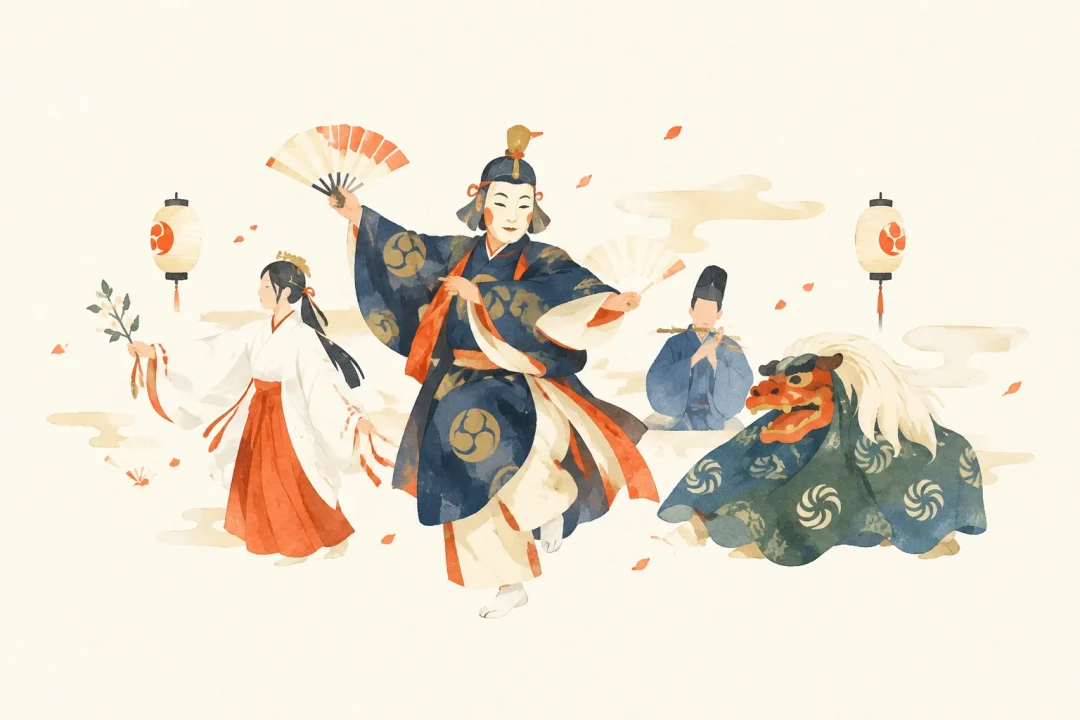
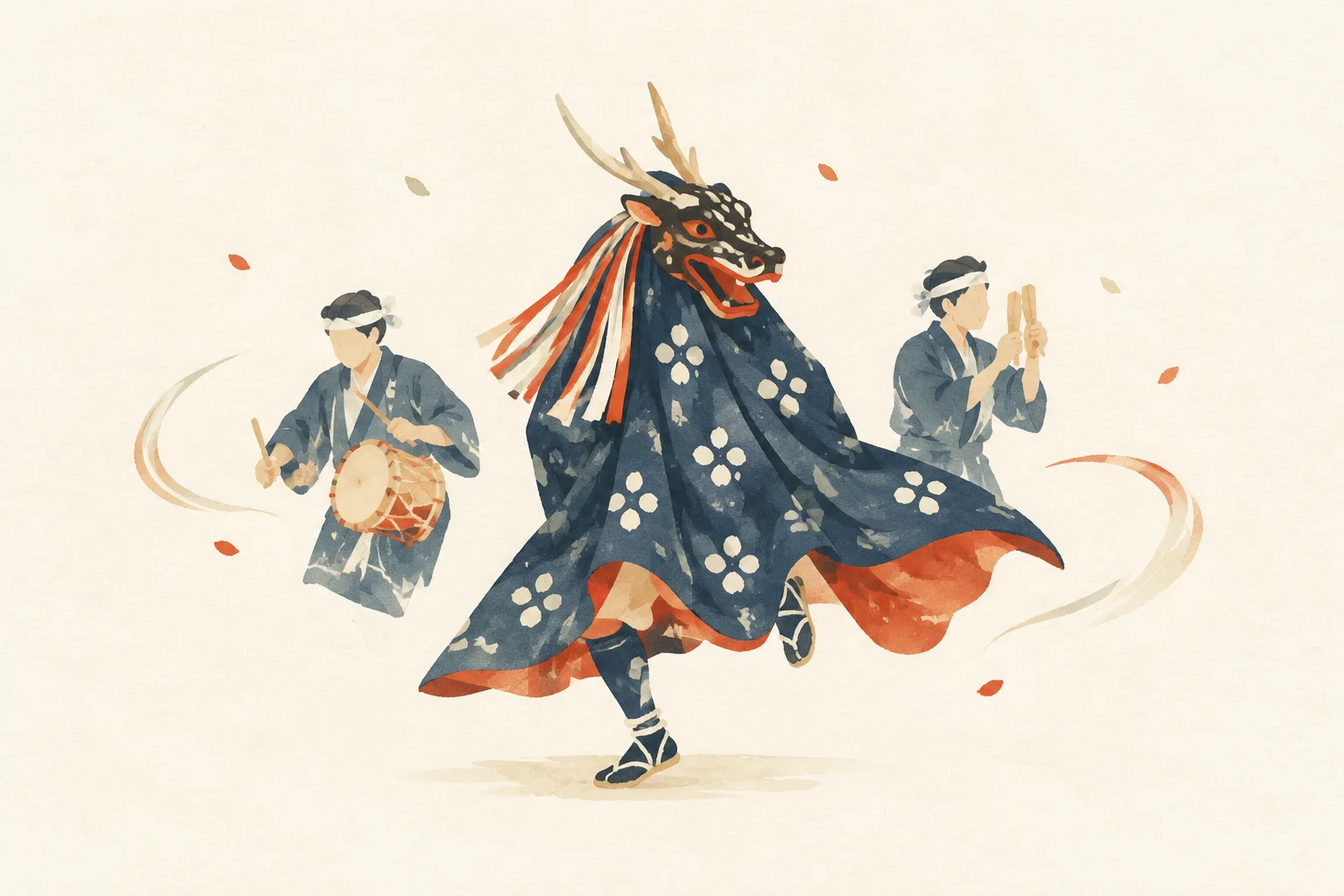
Dancers wearing shishio heads modeled on Japanese serows and long curtains dance to the sounds of drums and sasara.
The dances of Hagino and Nitayama are considered part of the same tradition and are passed down by local preservation associations.
It has been performed as an offering and at events as a performing art expressing prayers for bountiful harvests and the safety of the local community.
Source: 山形の文化財検索サイト「山形の宝 検索navi」 / 萩野鹿子踊・仁田山鹿子踊|観光スポット(新庄市・最上地方)|やまがたへの旅 - 山形県の公式観光・旅行情報サイト
Festival highlights
A highlight is watching 7 dancers each wear a Japanese serow head and a bag-shaped curtain that hangs down to their knees, dancing as they beat small drums held against their bellies.
The 2 musicians rub together sasara made from thick bamboo, making them rattle as they sing in a style reminiscent of Buddhist hymns.
The repertoire includes Niwa-iri, Yakata-mairi, Kurui, Nageso, and Hiki-niwa, combining vigorous movements with graceful gestures.
It is also distinctive for being a shishiodori based on the Japanese serow, a rare subject for this dance across Japan.
Source: 国指定文化財等データベース
A traditional performing art of Shinjo that entrusts prayers for bountiful harvests to the image of the Japanese serow
What to expect
During the offering, a shishio dancer and a musician form a pair and perform a series of dances to singing, sasara accompaniment, and small drums.
Hagino Shishiodori has a repertoire that includes Niwa-iri, Yakata-mairi, Kurui, Nageso, and Hiki-niwa.
In Nitayama, a custom has been passed down of making offerings in this order: first to the guardian shrine’s Jizo, then to the person who devised the dance, and finally at the local land steward’s home.
The dance is performed not only at local festivals but also when invited to ceremonies and other events.
Source: 仁田山鹿子踊|新庄まつり公式ホームページ|ユネスコ無形文化遺産登録 | 国指定重要無形民俗文化財|山形県新庄市
How to take part
必要人数:踊り手7人、地方2人
Location and access
- Venue and address
Tozawa Shrine, Gokoku Shrine.
It is located in Shinjo City, Yamagata Prefecture.
Event venue 山形県新庄市 戸澤神社
This map uses the venue name. Check the official guide for the event area and entrances.
Dates and season
2026 event information (the listed dates have passed)
Every year on August 26, it is performed as a shishiodori offering to Tozawa and Gokoku Jinja.
2026年は8月26日が案内される時期に当たります。
For detailed start times for each offering location and performance, please check the separate schedule.
Accommodation and hotels PR
Showing nearby accommodation.
Prices and availability are current at the time of retrieval. For multi-night stays, only the first night’s price is shown. Confirm the final price and directions to the venue with the booking provider. Select your dates again when using the area search link. Search area: within 3 km of Central Yamagata Prefecture / Shinjo City (the search is not centered on the festival venue)
Nearby attractions
Nearby attractions include Tenman Shrine (within Mogami Park), Tozawa Shrine, Shinjo Castle Ruins and Mogami Park, and the Shinjo Furusato History Center.
Other nearby attractions include the Yukinosato Information Center, Yumeria, the former JNR Shinjo Station roundhouse, and Shinjo Station.
You can combine a visit to the festival’s offering sites with nearby historical and cultural attractions.
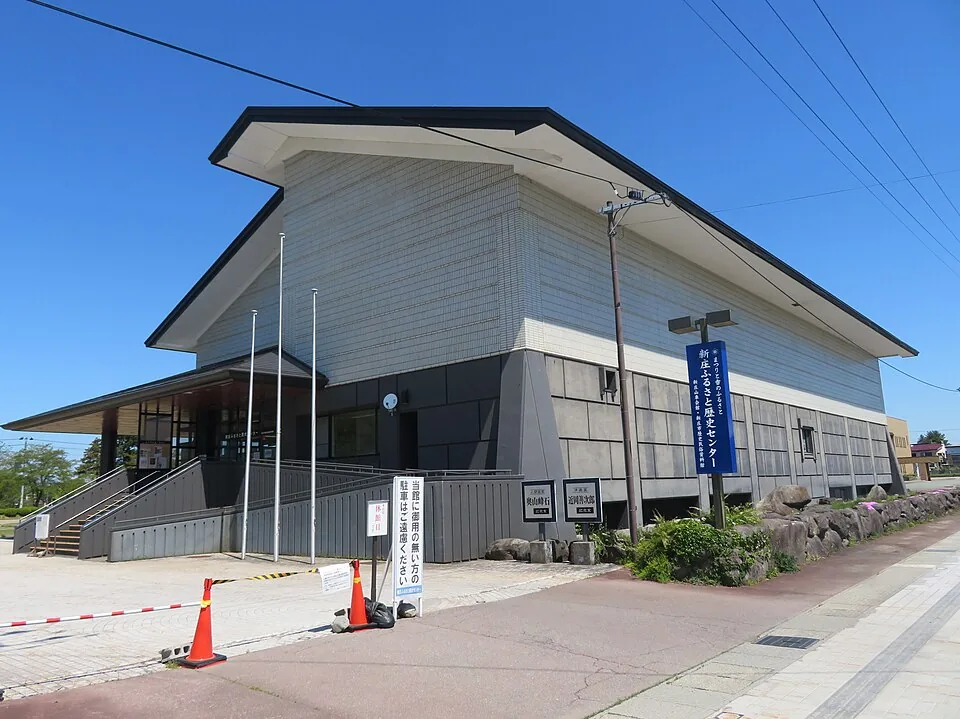
新庄ふるさと歴史センター
山形県新庄市にある資料館
写真:Ebiebi2 / CC0(resized and reformatted)
Photo source ·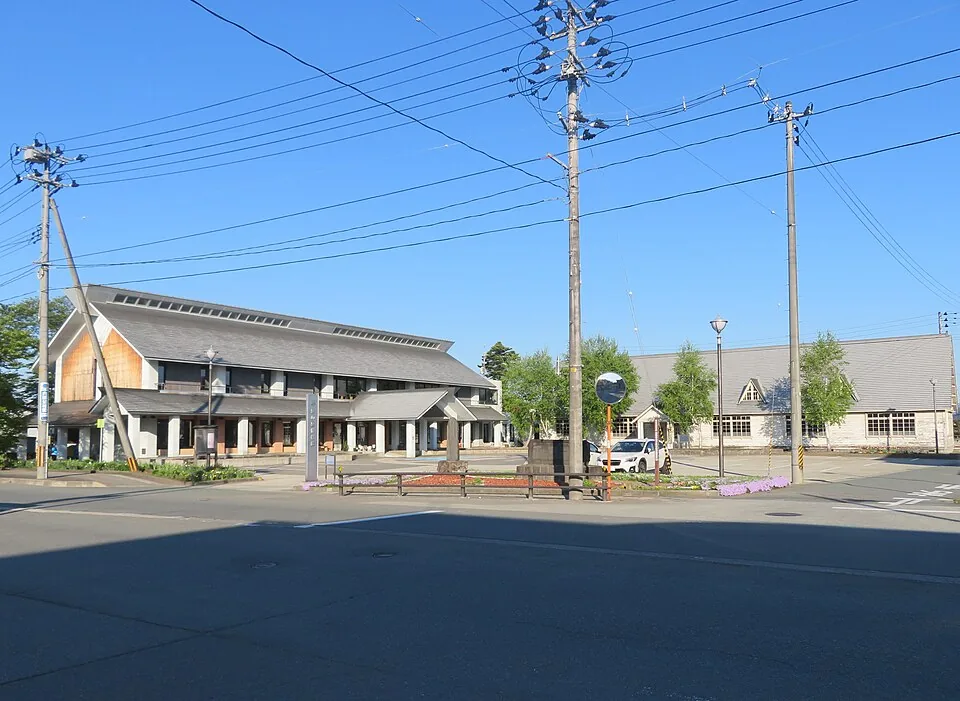
雪の里情報館
山形県新庄市にある資料館
写真:Ebiebi2 / CC BY-SA 4.0(resized and reformatted)
Photo source ·Origins and History of Hagino and Nitayama Shishiodori
The origins of Hagino Shishiodori are unclear, but it is said to have taken its present form, with long curtains, around the Bunroku and Keicho eras.
During the Edo period, the Tozawa clan gathered shishiodori performers and held “Shishio no Niwa-iri,” in which they danced to pray for bountiful harvests and the safety of the domain.
Niwa-iri ceased after the Meiji era began, and the dance declined for a time. However, a new group was formed in Meiji 28, renewing the chain of transmission.
Nitayama also preserves a story that a dance imitating the movements of a Japanese serow brought good harvests.
Source: 萩野鹿子踊|新庄まつり公式ホームページ|ユネスコ無形文化遺産登録 | 国指定重要無形民俗文化財|山形県新庄市
Official information
Information about its cultural heritage designation can be found in the national cultural property database, Yamagata Prefecture’s cultural property search site, and the official Yamagata tourism and travel information site.
The official Shinjo Festival website introduces the origins and repertoire of Hagino Shishiodori and Nitayama Shishiodori.
Shinjo City’s Commerce and Tourism Division is also listed as a contact.
Hagino and Nitayama Shishiodori at a Glance
Hagino and Nitayama Shishiodori is a folk performing art featuring dances modeled on Japanese serows, passed down in Hagino and Nitayama in Shinjo City.
7 dancers beat small drums while 2 musicians accompany them with sasara and songs as they perform Niwa-iri, Hiki-niwa, and other dances.
Every year on August 26, it is performed as shishiodori offerings to Tozawa Shrine and Gokoku Shrine, carrying on prayers for bountiful harvests and the safety of the community.
Japanese Festivals.jp Editorial Team
Celebrating local culture and helping you discover a side of Japan you never knew.
Article updated: 2026/10/19
Submit information or a correction Submit photos of this festival