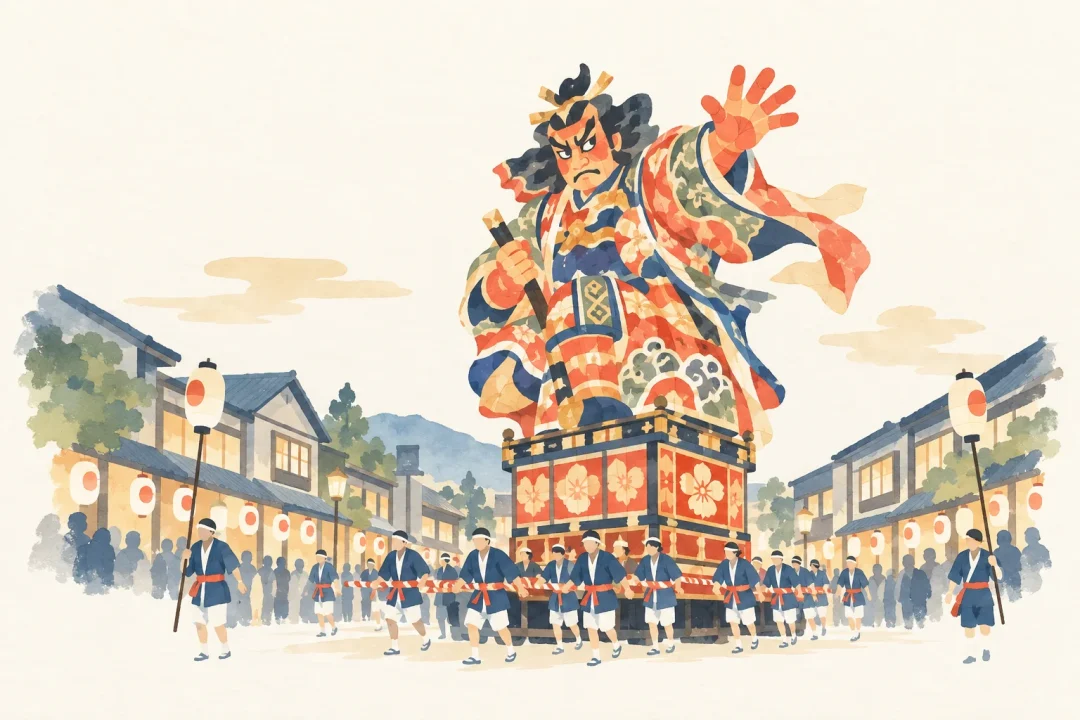
A historical pageant in Shinjo, brought to life by handmade dashi floats and festival music
Shinjo Festival
Festival information
EVENT INFORMATION- Season / frequency
- Every year from August 24 to the 26th / Held annually
- Area
- Yamagata Prefecture・Shinjo City(From Tokyo: approx. 2 h 30 min–3 h · bullet train)Prefecture-level estimate to a main station or airport, not the venue. Airport access, check-in and onward travel are extra; remote areas and islands can take much longer.
- Highlights and activities
- Wishes behind the festival
- Participation / viewing
- Spectators welcome
- Official website / social media
- Official website
- Last updated
- 2026/10/19
For 3 days, magnificent floats parade through Shinjo as festival music and cheers ring out. Highlights include the dashi floats made by local residents and processions that bring history to life.
Photo credits and terms of use
Photographer: 克年 三沢 File:ShinjoMatsuriNight.jpg / Wikimedia Commons / CC BY 2.0 https://www.flickr.com/photos/misawakatsutoshi/5720264681Display size only adjusted.May differ from the event currently featured.About Shinjo Festival
The Shinjo Festival is held every year from August 24 to the 26th in Shinjo City, Yamagata Prefecture. It centers on a procession of dashi floats.
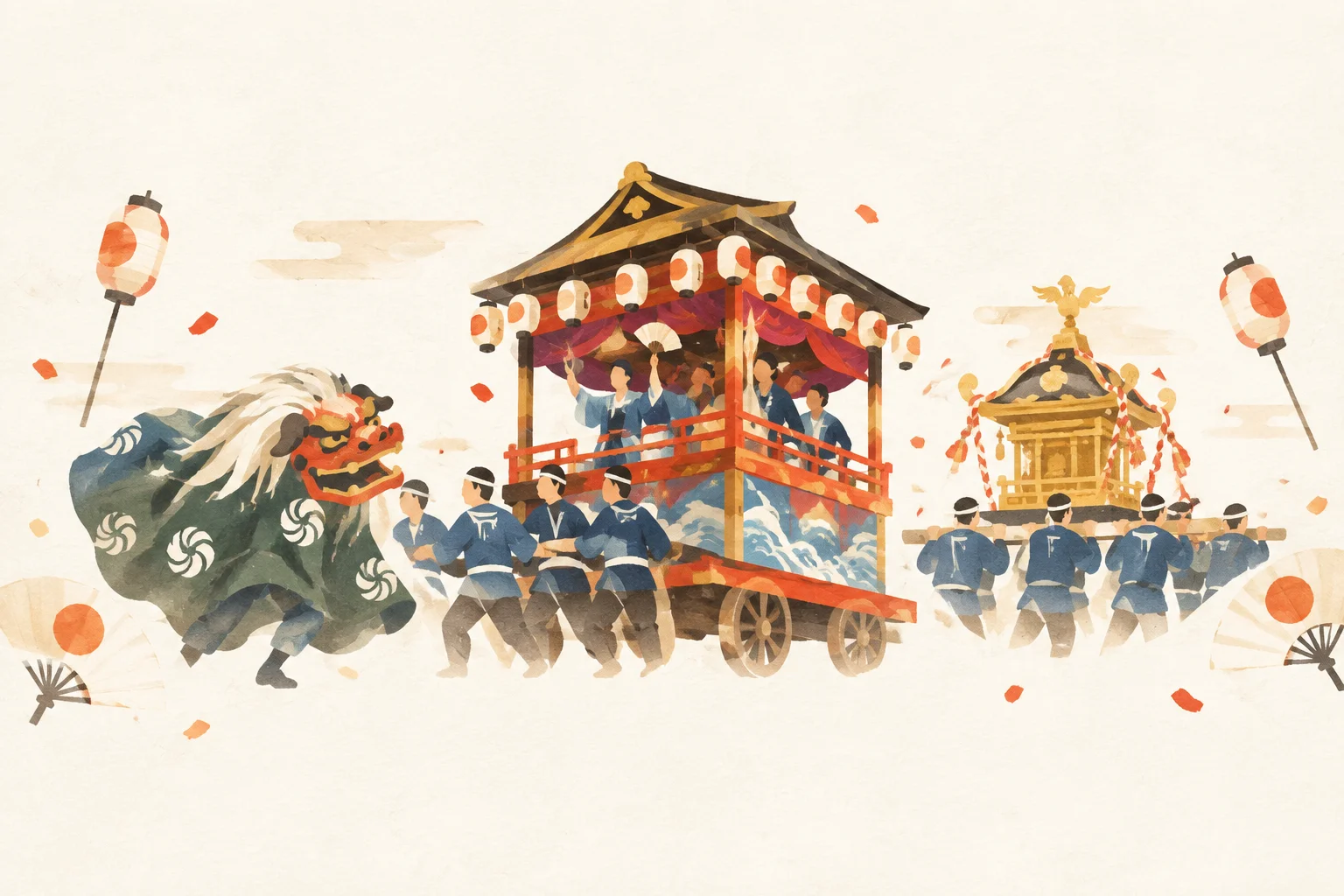
Magnificent dashi floats depicting famous kabuki scenes and historical tableaux parade through the city, accompanied by a procession and shishiodori deer dances.
It is designated a National Important Intangible Folk Cultural Property and inscribed on UNESCO’s Intangible Cultural Heritage list as part of “Yama, Hoko, float festivals.”
Local people build the floats, play the festival music, and pull the floats, carrying on the tradition.
Source: 新庄まつりとは|新庄まつり公式ホームページ
Festival highlights
The main highlight is the dashi floats handmade by the wakaren groups from each neighborhood.
Combining mountains, waterfalls, buildings, people, and animals, they bring kabuki scenes and historical tableaux to life in three dimensions.
During the Yoimatsuri, illuminated dashi floats move through the city streets at dusk. During the Honmatsuri, a mikoshi procession and dashi floats parade through town.
During the Atomatsuri, dashi floats line the central shopping district, where you can appreciate their craftsmanship up close.
Source: 新庄まつり | 山形県
A historical pageant in Shinjo, brought to life by handmade dashi floats and festival music
What to expect
The festival unfolds over 3 days: the Yoimatsuri, Honmatsuri, and Atomatsuri.
On the first day, children pull the dashi floats through the city to the sound of festival music and cheers, heading toward Shinjo Station in the evening.
On the second day, the floats parade after a mikoshi procession featuring people dressed as samurai.
On the final day, dashi floats are displayed in the central shopping district, and the festival concludes with a formal hand-clapping ceremony at dusk.
How to take part
Local residents help make the dashi floats, perform the music, and pull the floats, supporting the festival throughout the community.
In particular, the dashi are built by wakaren groups organized by each former castle-town district.
Visitors can watch the dashi procession and mikoshi procession from along the route, but no conditions are provided for general visitors to join as float pullers or take part in the processions.
Source: 新庄まつりの起源|新庄まつり公式ホームページ|ユネスコ無形文化遺産登録 | 国指定重要無形民俗文化財|山形県新庄市
Location and access
- Venue and address
Event venues include the dashi parade route in Shinjo, the central shopping district, and Shinjo Station Front Fureai Square “Abies.”
Traffic restrictions are in place at various locations in the city during the festival.
- Train and bus
A free shuttle bus runs between the east exit of Shinjo Station and Higashiyama General Park.
Operating hours vary by event date.
- By car
Restrictions, including road closures, apply along the dashi parade route and on nearby roads.
Follow the instructions of police officers and traffic guides at the site.
- Parking
Shinjo Station East Exit Parking Lot and Higashiyama General Park Parking Lot are listed.
Parking is limited.
Source: 交通アクセス|新庄まつり公式ホームページ
Event venue 山形県新庄市 新庄市内の山車運行路
This map uses the venue name. Check the official guide for the event area and entrances.
Dates and season
- Season
Every year from August 24 to the 26th
- Frequency
Held annually
Accommodation and hotels PR
Showing nearby accommodation.
Prices and availability are current at the time of retrieval. For multi-night stays, only the first night’s price is shown. Confirm the final price and directions to the venue with the booking provider. Select your dates again when using the area search link. Search area: within 3 km of Central Yamagata Prefecture / Shinjo City (the search is not centered on the festival venue)
Tips for your visit
Traffic restrictions are in place at various locations in Shinjo during the dashi parade period, so if you are visiting by car, take care when driving near the parade route.
Parking is limited, and visitors are advised to use public transportation.
When traveling from a parking lot toward the event area, check the operating hours of the free shuttle bus listed in the event information.
If watching the procession or dashi from along the route, follow the instructions of police officers and traffic guides.
Nearby attractions
At the Shinjo Furusato History Center, the dashi float selected as that year’s outstanding work is on permanent display. Exhibits also cover the history of the Shinjo Festival and life in the past.
One dashi float is on permanent display at Yumerea, at Shinjo Station.
These places are introduced as spots where you can learn about the dashi floats and the background of the festival, even outside the festival period.
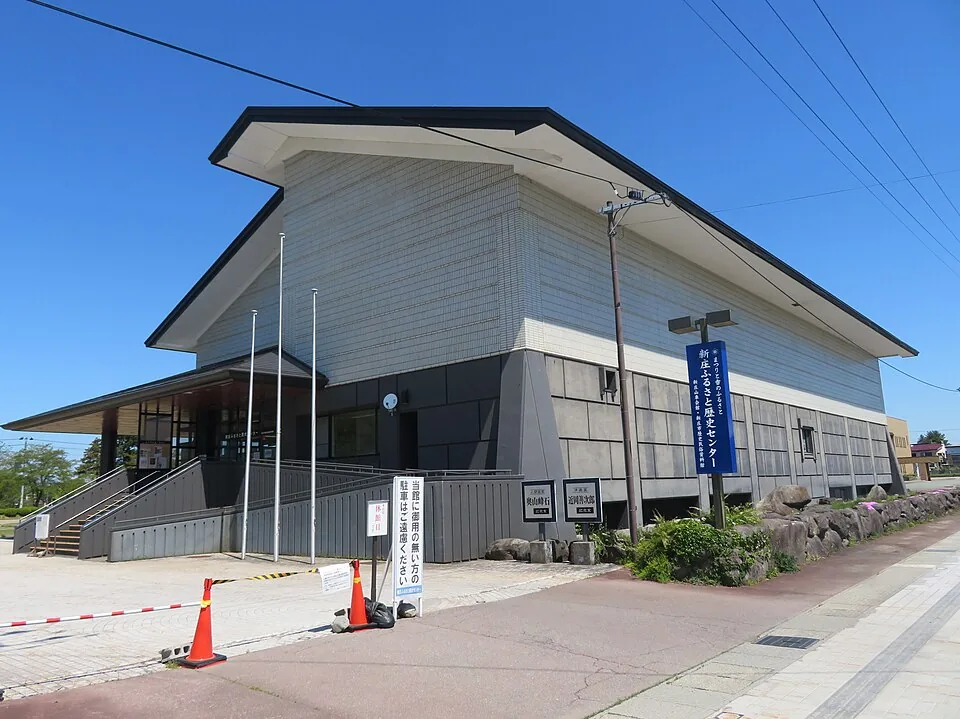
新庄ふるさと歴史センター
山形県新庄市にある資料館
写真:Ebiebi2 / CC0(resized and reformatted)
Photo source ·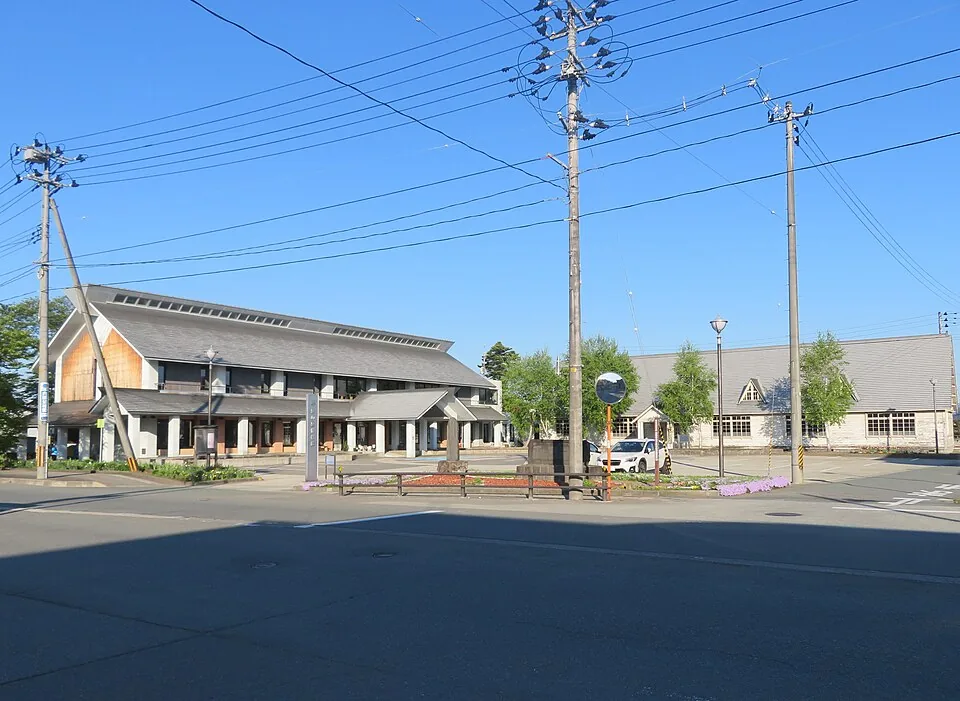
雪の里情報館
山形県新庄市にある資料館
写真:Ebiebi2 / CC BY-SA 4.0(resized and reformatted)
Photo source ·Origins and History of Shinjo Festival
The Shinjo Festival is said to have begun in 1756, during the domain era.
After a devastating poor harvest the previous year had left the people of the domain struggling, the lord, Tozawa Masanobu, held a festival for the Tenmangu Shrine within the castle together with the people. The event was intended to encourage them, restore their spirits and hope, and pray for a good harvest.
The festival later developed to include dashi processions, mikoshi processions, and shishiodori deer dances.
It was designated a National Important Intangible Folk Cultural Property in 2009 and inscribed on UNESCO’s Intangible Cultural Heritage list in 2016.
Official information
Official information is available on the Shinjo Festival official website.
Find information about the festival overview, events on each day, venue details, access, and viewing seats.
Shinjo Festival at a Glance
The Shinjo Festival is a celebration steeped in history and local spirit, with magnificent dashi floats and a mikoshi procession making their way through Shinjo City.
The dashi floats are handmade by the wakaren groups and bring the 3 days of festivities to life with festival music and cheers.
Its origins date back to a prayer for a good harvest in 1756. Today, it is designated a National Important Intangible Folk Cultural Property and inscribed on UNESCO’s Representative List of the Intangible Cultural Heritage of Humanity.
Japanese Festivals.jp Editorial Team
Celebrating local culture and helping you discover a side of Japan you never knew.
Article updated: 2026/10/19
Submit information or a correction Submit photos of this festival