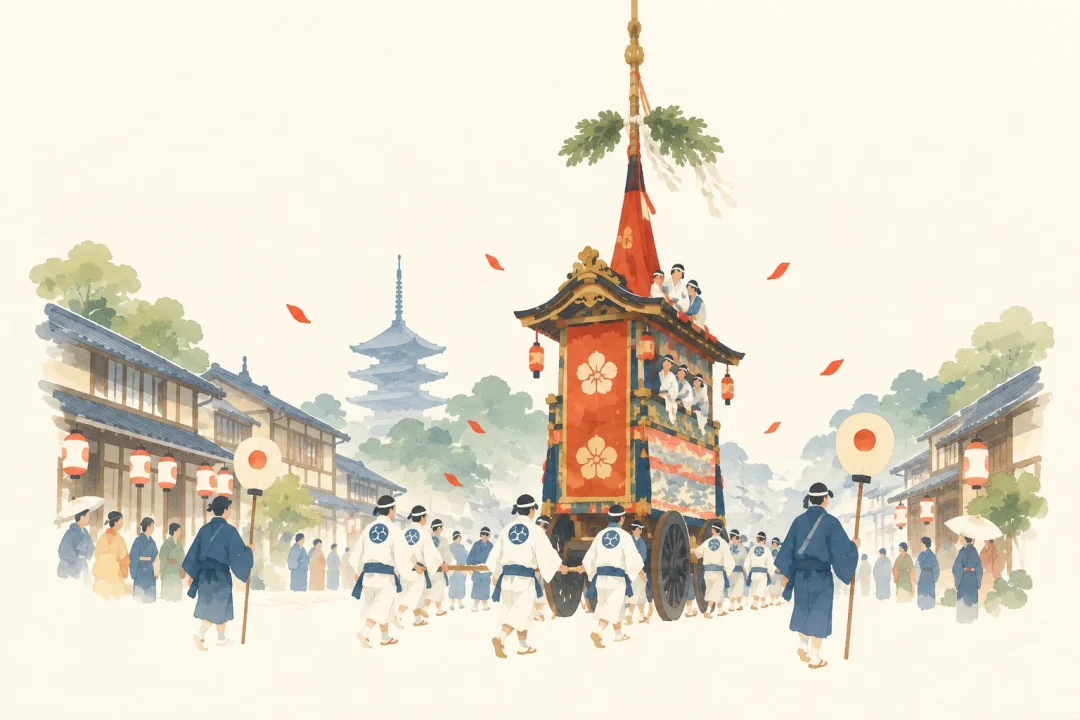
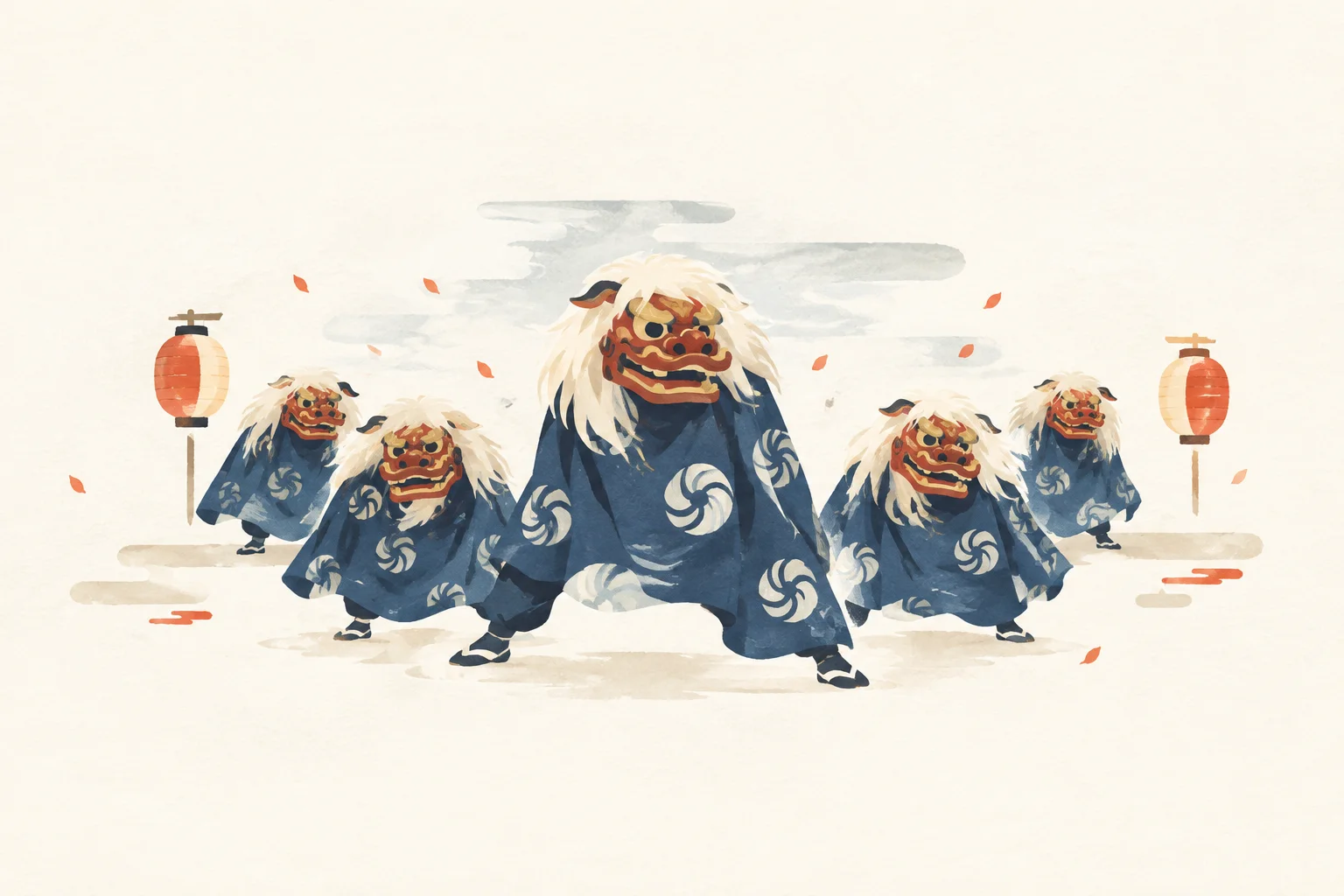
Towada’s traditional kagura, brought to life by 5 lions and lively music
Nanbu Kitta Kagura
The 2026 edition of Nanbu Kitta has ended.
Festival information
EVENT INFORMATION- Dates
- 2026/09/15Ended
- Season / frequency
- Every year on September 15 / Once a year
- Location
- Kitta Hachiman Shrine
- Area
- Aomori Prefecture・Towada City(From Tokyo: approx. 3 h–3 h 30 min · bullet train)Prefecture-level estimate to a main station or airport, not the venue. Airport access, check-in and onward travel are extra; remote areas and islands can take much longer.
- Highlights and activities
- Wishes behind the festival
- Participation / viewing
- Spectators welcome
- Participation fee
- Free
- Last updated
- 2026/10/19
Nanbu Kitta Kagura, passed down in the Kitta district of Towada, is a traditional performing art in which 5 lions perform the Gongen-mai as an offering at the annual festival of Kitta Hachimangu Shrine.
About Nanbu Kitta Kagura
Nanbu Kitta Kagura is a yamabushi kagura passed down in the Kitta district of Towada, Aomori Prefecture, and is offered at the annual festival of Kitta Hachimangu Shrine.
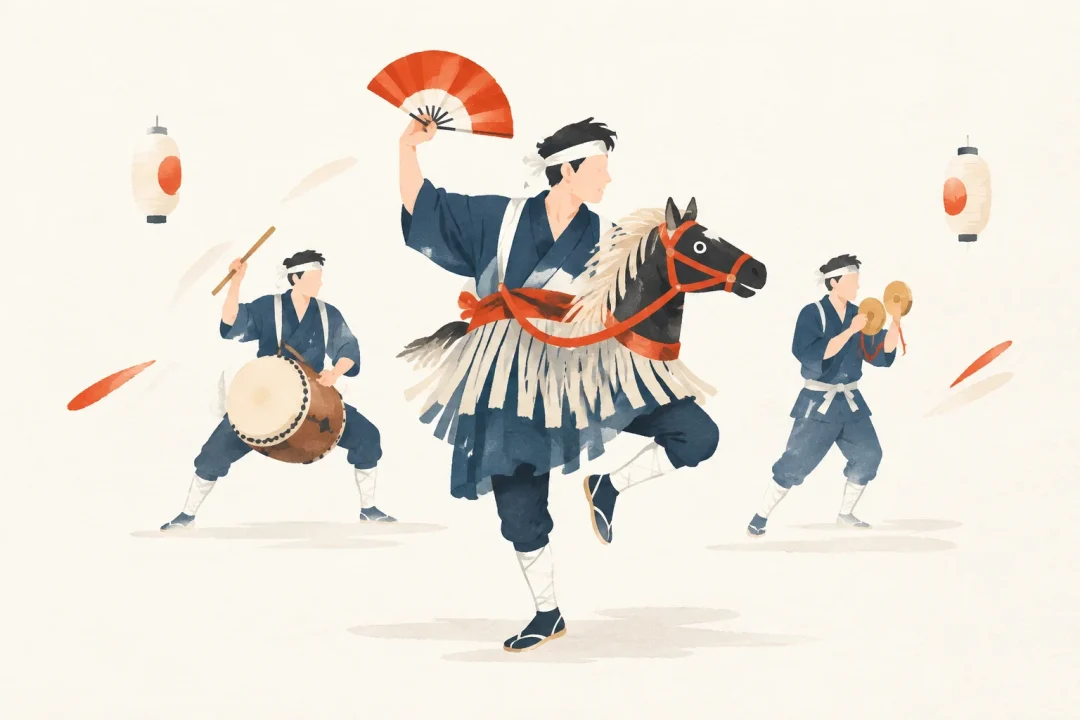
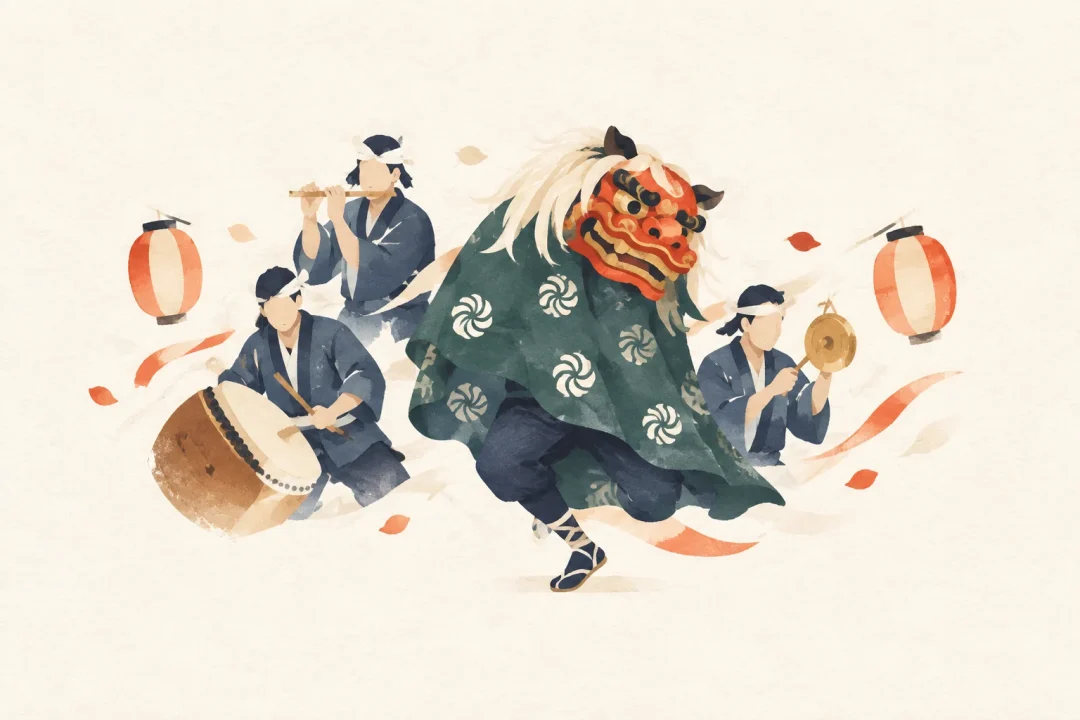
The central Gongen-mai features 5 lions dancing to music played on drums, flutes, hand gongs, and other instruments.
It is a folk performing art with a varied repertoire and traditions rooted in the local community.
Festival highlights
The main highlight is the Gongen-mai, performed by all 5 lions together.
To the intense rhythm of conch shells, drums, flutes, and hand gongs, the performers enact a powerful dance to ward off the five directions.
The dancers begin with fans in hand; in the latter half, they put on lion masks, and performers holding lion cloths join in to support the dance.
Source: 国指定文化財等データベース
Towada’s traditional kagura, brought to life by 5 lions and lively music
What to expect
At the annual festival, the Gongen-mai is offered in the kagura hall or the shrine’s .
A dancer and a performer holding a lion mask work as a pair, while musicians accompany the pieces on drums, flutes, hand gongs, and other instruments.
After the Gongen-mai, Sanbaso and Torimai dances may also be performed.
In February, several pieces are also performed at an “okomori” gathering by local residents.
How to take part
The tradition is passed down mainly by eldest sons from the Kirita district, and the February “okomori” is said to be an event attended only by local residents.
At the , visitors generally come to watch the kagura offered as a dedication.
Location and access
- Venue and address
Kirita Hachiman Shrine (10-10 Shimokirita, Kirita, Towada, Aomori Prefecture)
- Train and bus
From JR Shichinohe-Towada Station, take a Towada Kanko Dentetsu bus for about 30 minutes and get off at Towada-shi Chuo; from there, it is about 10 minutes by car.
- By car
It is about 20 km and approximately 30 minutes via National Route 45 from Shimoda-Momoishi IC on the Momoishi Road.
- Parking
Available.
Admission is free, and nearby schools and other locations serve as temporary parking lots.
Source: 南部切田神楽(青森県/十和田市)|開催期間・アクセス|るるぶ&more.
Address 10-10 Shimokitta, Kitta, Towada, Aomori Prefecture
Dates and season
2026 event information (the listed date has passed)
The event information says it will be held at Kitta Hachiman Shrine on September 15 (Tuesday) in 2026.
Every year, the Gongen-mai is performed and offered at the annual festival of Kitta Hachimangu Shrine on September 15.
The 2026 date has already passed, but you will need to check separately whether the event actually took place.
Accommodation and hotels PR
Showing nearby accommodation.
Prices and availability are current at the time of retrieval. For multi-night stays, only the first night’s price is shown. Confirm the final price and directions to the venue with the booking provider. Select your dates again when using the area search link. Search area: within 3 km of Central Aomori Prefecture / Towada City (the search is not centered on the festival venue)
Nearby attractions
Nearby attractions include Hotel Pony Onsen and Government Office Street (Komakaido).
Hotel Pony Onsen is listed as a public bath, while Government Office Street (Komakaido) is described as a downtown area, streetscape, and walking route.
If you plan to visit alongside the festival, check each facility’s operating status and conditions of use.
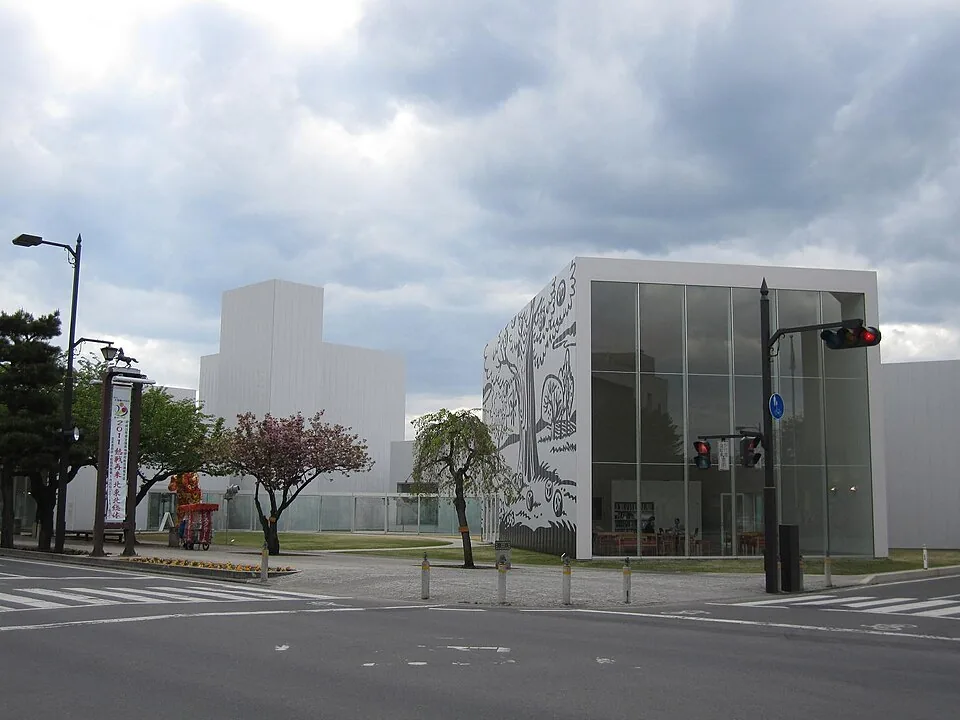
十和田市現代美術館
青森県十和田市にある美術館
写真:Angaurits / CC0(resized and reformatted)
Photo source ·Origins and History of Nanbu Kitta Kagura
Nanbu Kitta Kagura is a yamabushi kagura passed down in connection with the worship of Kitta Hachimangu Shrine.
It is said to have been introduced by Shugendo practitioners from Haguro in Dewa in the early Edo period. After it declined for a time, it was revived in the late Edo period by learning 75 kagura pieces from a mai-dayu performer in Kotoriya, Iwate Prefecture.
It is still passed down today, mainly by the eldest sons of the Kitta district.
Official information
The Cultural Properties Protection Division of the Aomori Prefectural Government provides information on Nanbu Kitta Kagura’s designation, location, public performances, repertoire, and origins.
For inquiries about viewing the performance, contact the Sports and Lifelong Learning Division of the Towada City Board of Education.
You can also find an explanation of Nanbu Kitta Kagura and details of its traditions in the Agency for Cultural Affairs’ Database of National Cultural Properties.
Nanbu Kitta Kagura at a Glance
Nanbu Kitta Kagura is a traditional performing art centered on the Gongen-mai, performed by 5 lions and offered at the annual festival of Kitta Hachimangu Shrine in Towada.
A powerful dance to ward off the five directions is performed to music played on drums, flutes, hand gongs, and other instruments.
You can see this culture, preserved through traditions dating back to the Edo period and local practitioners, at the shrine festival.
Japanese Festivals.jp Editorial Team
Celebrating local culture and helping you discover a side of Japan you never knew.
Article updated: 2026/10/19
Submit information or a correction Submit photos of this festival