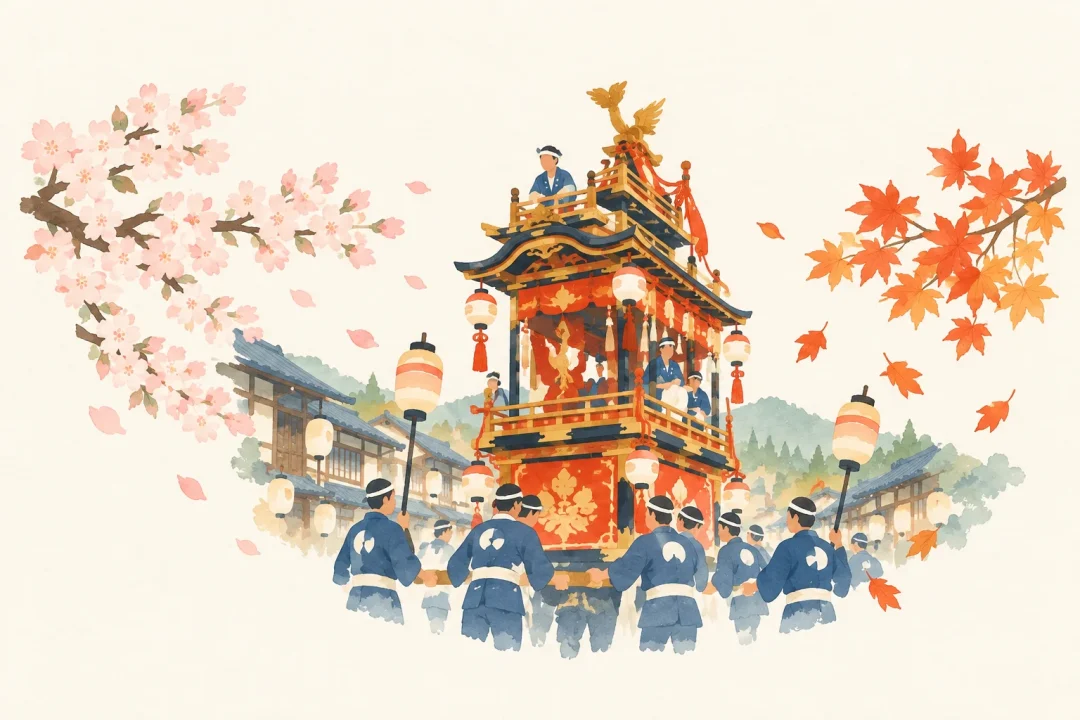
Kō’s summer brought to life by a kabuki procession and handheld fireworks
Kō Summer Festival
The 2026 edition of Kō Summer Festival has ended.
Festival information
EVENT INFORMATION- Dates
- 2026/08/07 〜 2026/08/09Ended
- Season / frequency
- Usually held on the final Friday, Saturday, and Sunday of July / Every year
- Location
- Ooyashiro Shrine, throughout Kō Town, and around the Otowa River
- Area
- Aichi Prefecture・Toyokawa City(From Tokyo: approx. 1 h 40 min–2 h · bullet train)Prefecture-level estimate to a main station or airport, not the venue. Airport access, check-in and onward travel are extra; remote areas and islands can take much longer.
- Wishes behind the festival
- Participation / viewing
- Spectators welcome
- Participation fee
- Free
- Last updated
- 2026/10/19
Centered around Taisha Shrine in Kokufu-cho, Toyokawa City, this summer festival brings the town to life with from four districts, a kabuki procession, handheld fireworks, and river fireworks.
About Kō Summer Festival
Kō Summer Festival is a summer festival centered on Ooyashiro Shrine in Kō Town, Toyokawa City.
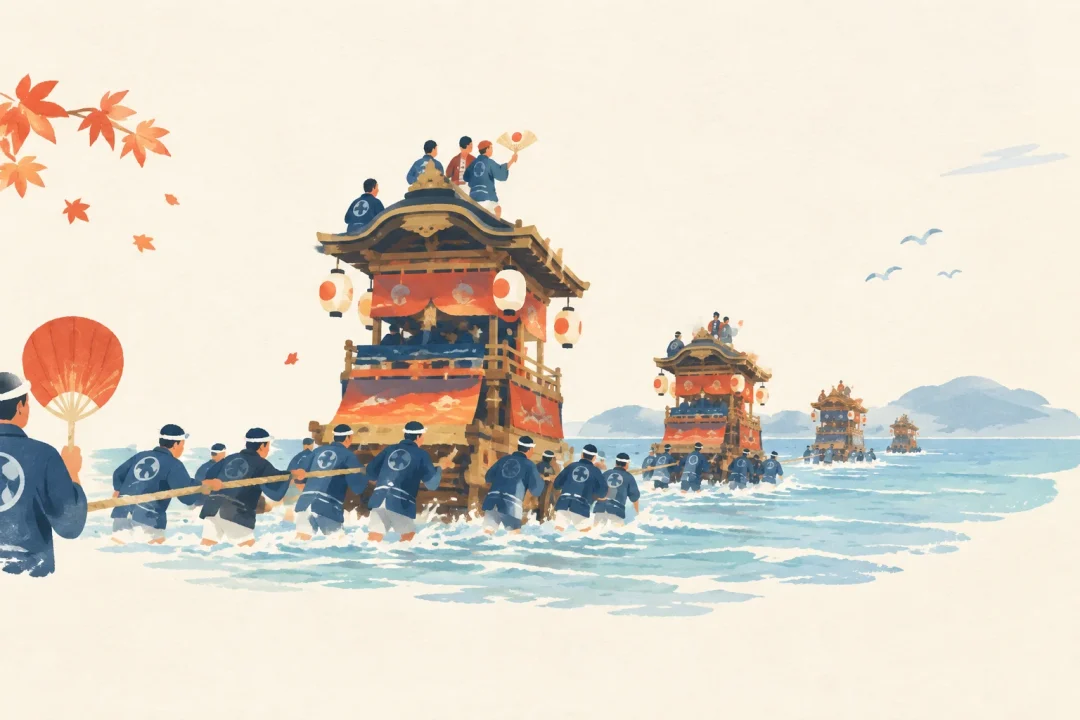
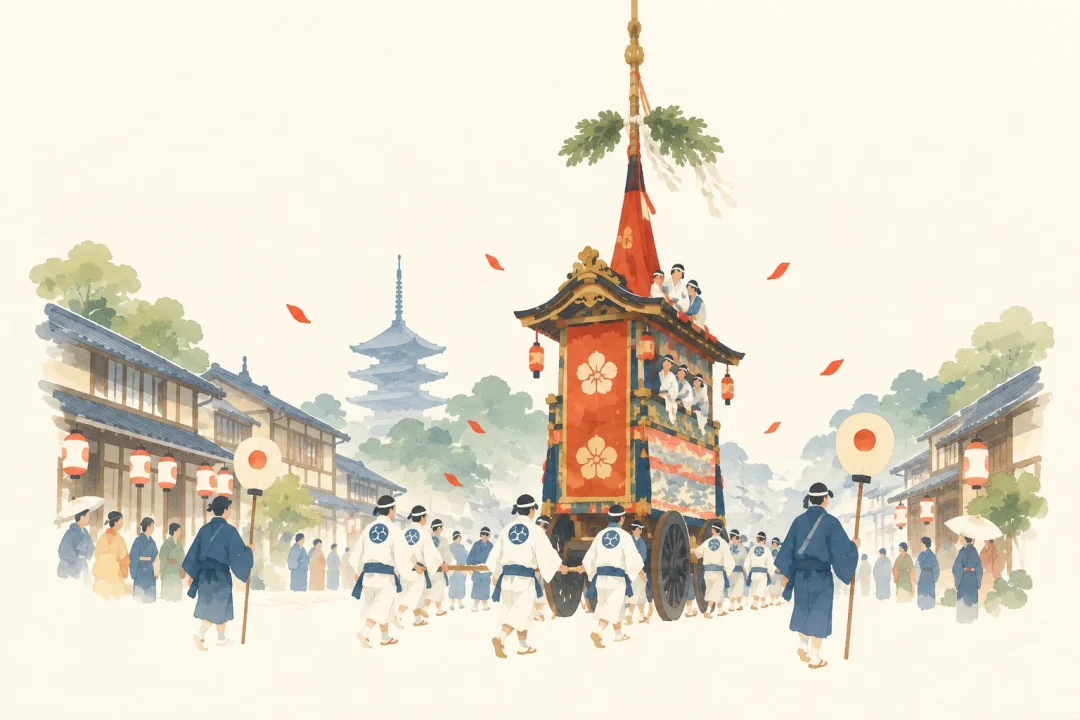
The four neighborhoods of Kamimachi, Nakamachi, Shimomachi, and Minamida pull their dashi and stage a procession, a kabuki procession, handheld fireworks, and more.
This three-day event, passed down by local residents, features processions through the town, offerings at the shrine, and fireworks along the Otowa River.
Source: 国府夏まつり | イベント検索 | 【公式】愛知県の観光サイトAichi Now / 国府夏まつり | イベント・祭 | ぐるっと豊川 | 豊川市観光協会
Festival highlights
The main highlight is the kabuki procession, in which young men proceed dressed as kabuki actors and oiran.
Along with vivid kumadori makeup and elaborate costumes, one highlight is an oiran demonstrating the figure-eight walk in tall geta sandals.
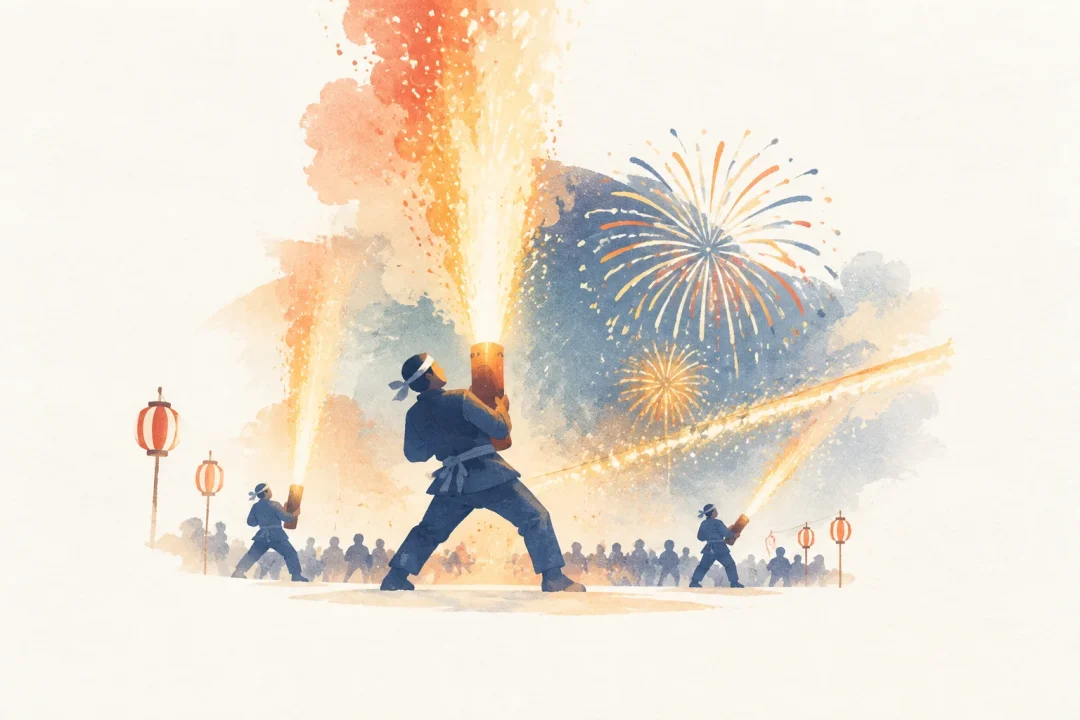
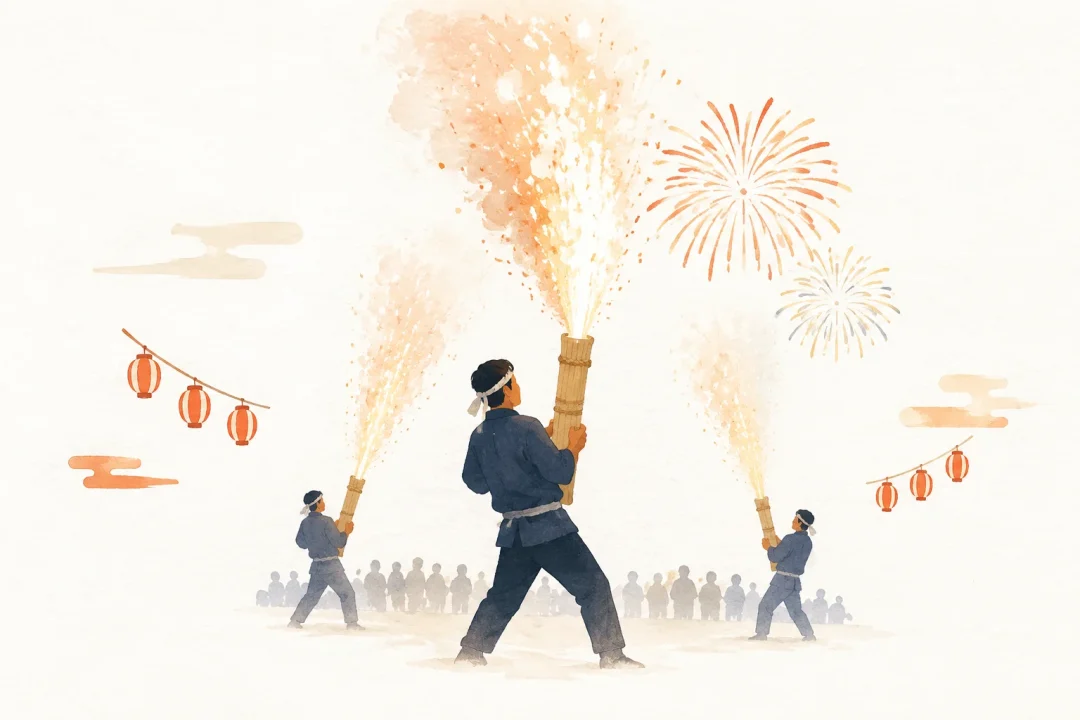
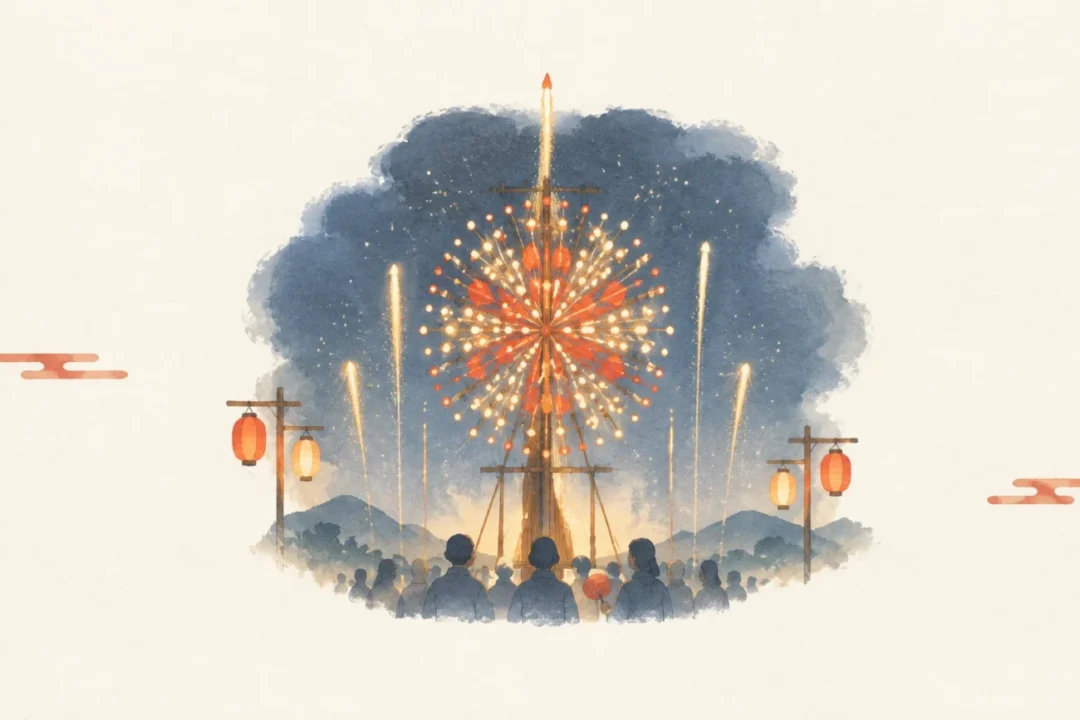
At night, handheld fireworks, large fireworks, ran-dama fireworks, aerial fireworks, and river fireworks are offered, creating a spectacle with a different kind of impact from the daytime period procession.
Source: 国府夏まつり 電子パンフレット|大社神社
Kō’s summer brought to life by a kabuki procession and handheld fireworks
What to expect
On the first day, processions set out from each neighborhood meeting hall, followed by prayers for safety. On the second day, handheld fireworks, large fireworks, and ran-dama fireworks are offered in the grounds of Ooyashiro Shrine.
On the final day, a mikoshi, dashi, and kabuki procession make their way through Kō Town, followed by aerial fireworks and river fireworks along the Otowa River at night.
You can enjoy the three-day event by moving between the procession route and fireworks viewing areas.
How to take part
Visitors can watch the event.
参加費:無料
Location and access
- Venue and address
Ooyashiro Shrine (5 Ryūka, Kō Town, Toyokawa City), throughout Kō Town, and around the Otowa River.
- Train and bus
About a 5-minute walk from Kō Station on the Meitetsu Nagoya Main Line.
- By car
About 15 minutes from the Otowa-Gamagōri IC on the Tōmei Expressway.
- Parking
There is no parking at the festival venue.
Visitors are advised to use paid parking near Kō Station.
Address 〒442-0854 5 Ryūka, Kō Town, Toyokawa City, Aichi Prefecture (Ooyashiro Shrine)
Dates and season
2026 event information (the listed dates have passed)
In 2026, the festival was held from August 7 (Friday) through the 9th (Sunday).
The schedule featured processions and prayers for safety on the 7th, offerings including handheld fireworks on the 8th, and a mikoshi, dashi, kabuki procession, and nighttime fireworks on the 9th.
It is usually held on the final Friday, Saturday, and Sunday of July, but in 2026 it was held later than usual, in August.
Accommodation and hotels PR
Showing nearby accommodation.
Prices and availability are current at the time of retrieval. For multi-night stays, only the first night’s price is shown. Confirm the final price and directions to the venue with the booking provider. Select your dates again when using the area search link. Search area: within 3 km of Central Aichi Prefecture / Toyokawa City (the search is not centered on the festival venue)
Tips for your visit
AugustDaytime temperatures are expected to be high during the festival, so stay hydrated, replenish your salt, and take breaks without overexerting yourself.
Crowds are expected around the venues for the handheld fireworks and procession, so please be considerate of other visitors’ view and avoid obstructing walkways from viewing spots.
Traffic restrictions will be in place around the venues on the festival day. If you plan to drive, check the restriction map in advance.
Nearby attractions

御油の松並木資料館
愛知県豊川市の博物館・美術館のスポットです。

砥鹿神社
愛知県豊川市にある神社

豊川市桜ヶ丘ミュージアム
愛知県豊川市にある博物館と美術館の機能を持つ複合文化施設
Origins and History of Kō Summer Festival
Kō Summer Festival is said to have begun in the early Edo period as a rainmaking festival featuring a mikoshi procession accompanied by a .
In the Meiji period, a kabuki procession was added to the mikoshi procession, and the kabuki offering element developed into the procession seen today.
Later, offerings of handheld fireworks, large fireworks, and aerial fireworks were added, and pulling the dashi became an established feature of the festival.
Official information
Official information is available in Ooyashiro Shrine’s digital brochure.
Information is provided on the 2026 event dates, venues, daily schedules, viewing areas, traffic restrictions, and heat precautions.
The latest announcements are also posted on the official Instagram account.
Kō Summer Festival at a Glance
Kō Summer Festival is a local summer festival held at Ooyashiro Shrine and throughout Kō Town, featuring a kabuki procession, dashi, mikoshi, handheld fireworks, and river fireworks.
Originating as a rainmaking festival about 400 years ago, it incorporated kabuki and fireworks over time.
In 2026, it was held from August 7 through the 9th, offering three days of daytime period processions and nighttime fireworks.
Japanese Festivals.jp Editorial Team
Celebrating local culture and helping you discover a side of Japan you never knew.
Article updated: 2026/10/19
Submit information or a correction Submit photos of this festival