Ancient kagura of Nanyo, conveyed through 35 dances and their music
Iyo Kagura
Festival information
EVENT INFORMATION- Season / frequency
- Spring festivals and spring or autumn festivals / Offered at shrine festivals
- Location
- Shrine worship halls and halls in Uwajima City, Kihoku Town, and elsewhere
- Area
- Ehime Prefecture・Uwajima City, Kihoku Town(From Tokyo: approx. 1 h 25 min–1 h 45 min · flight time only)Prefecture-level estimate to a main station or airport, not the venue. Airport access, check-in and onward travel are extra; remote areas and islands can take much longer.
- Highlights and activities
- Wishes behind the festival
- Last updated
- 2026/10/19
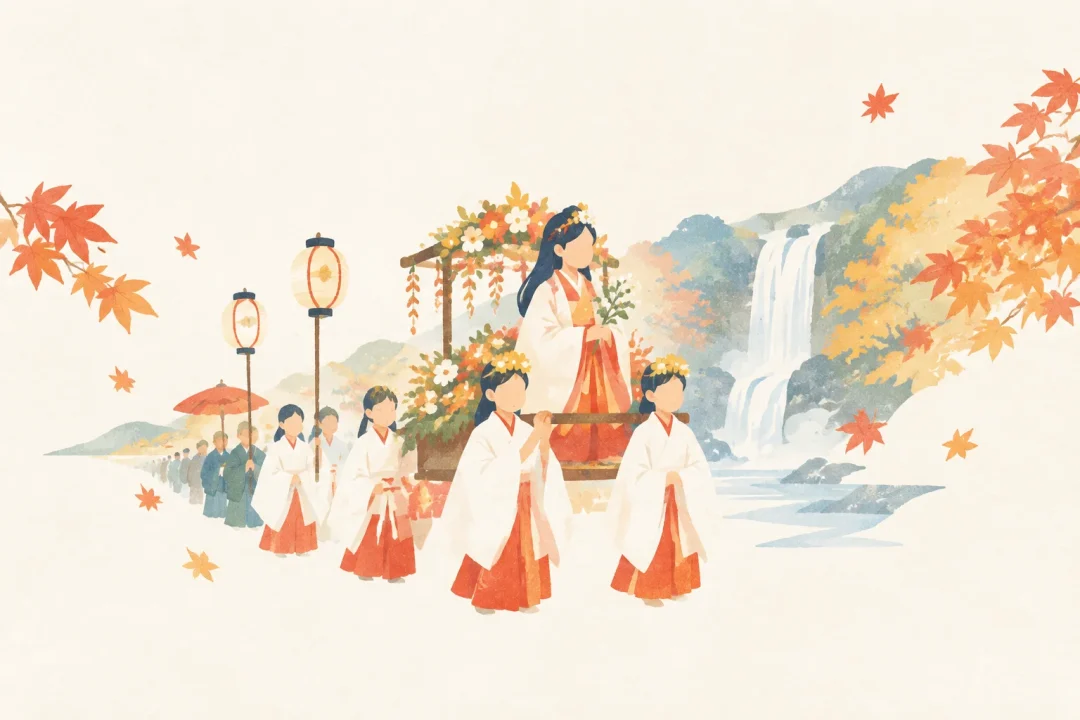
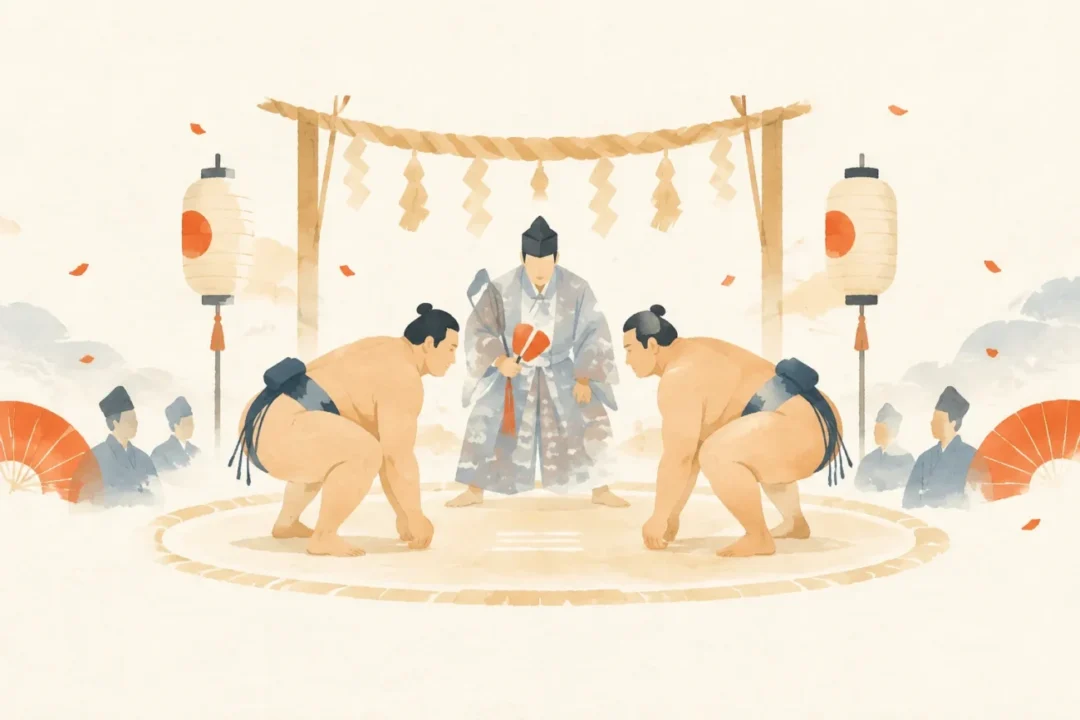
Iyo Kagura is an ancient form of kagura offered by priests at shrines in Nanyo. Its 35 dances and accompanying music carry on ritual traditions passed down through the region.
About Iyo Kagura
Iyo Kagura is a ritual-object kagura passed down in Uwajima City, Kihoku Town, and other areas of Ehime Prefecture's Nanyo region.
Priests offer it at shrine spring festivals and spring or autumn festivals.
Also known as “Okanko (Otokomiko) Kagura,” it is a nationally designated Important Intangible Folk Cultural Property that preserves an ancient form.
Music played on a large drum, a shime-daiko drum, a shō, and a transverse flute is another distinctive feature.
Source: 伊予神楽 - えひめの文化財(たから)
Festival highlights
Highlights include the well-structured kagura program of 35 dances and the dances and gestures that vary with each piece.
It proceeds through pieces such as “Tenchi Hiraki,” “Omiki Matsuri,” “Shikisanban,” and “Kiyome,” before concluding with “Kamiokuri.”
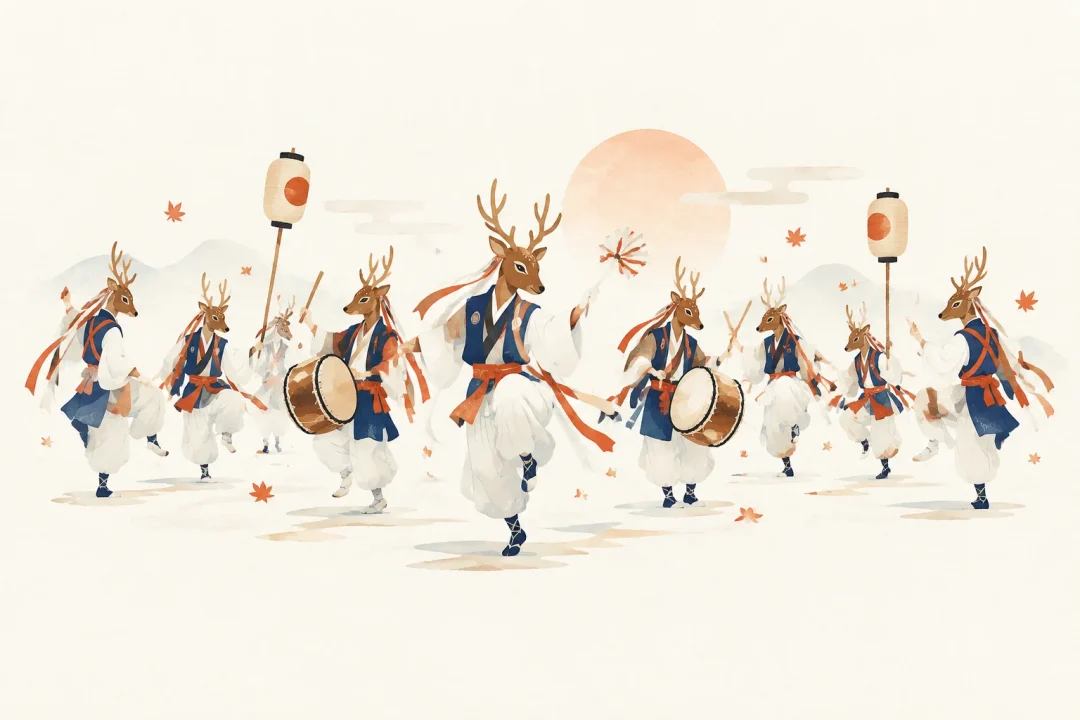
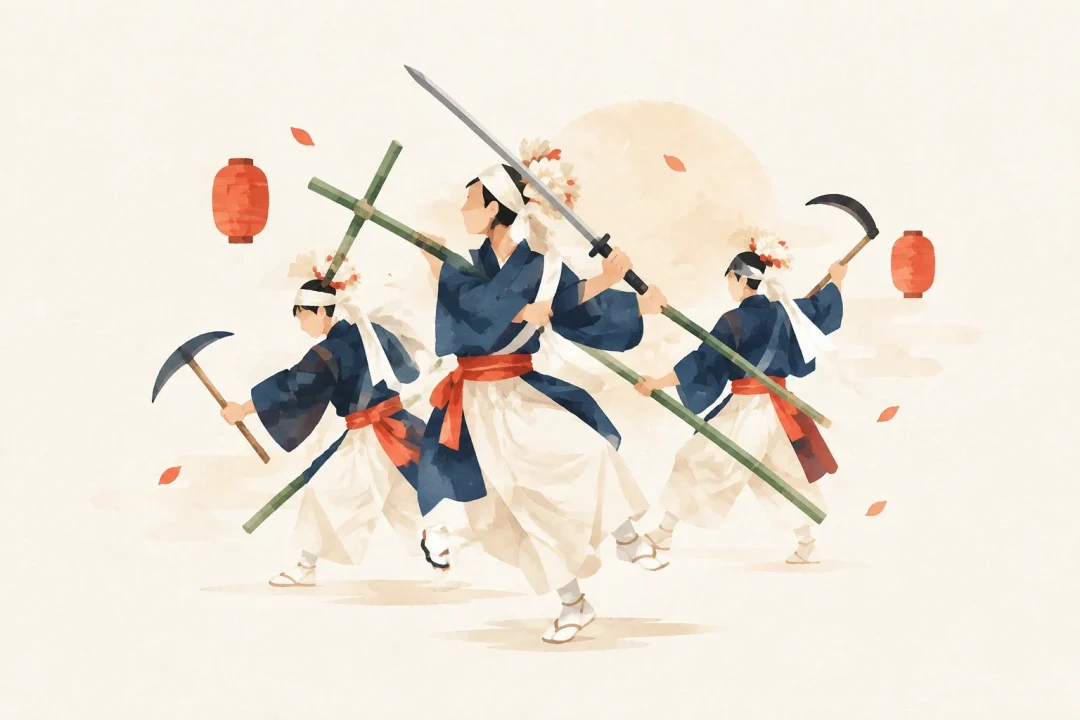
Other pieces, including the Serpent Dance, Demon-Repelling Dance, and Bow Dance, draw on myths and prayers, lending the performance a bright and humorous quality amid its solemnity.
Source: 国指定文化財等データベース / 国指定 伊予神楽 - 宇和島市ホームページ | 四国・愛媛 伊達十万石の城下町
Ancient kagura of Nanyo, conveyed through 35 dances and their music
What to expect
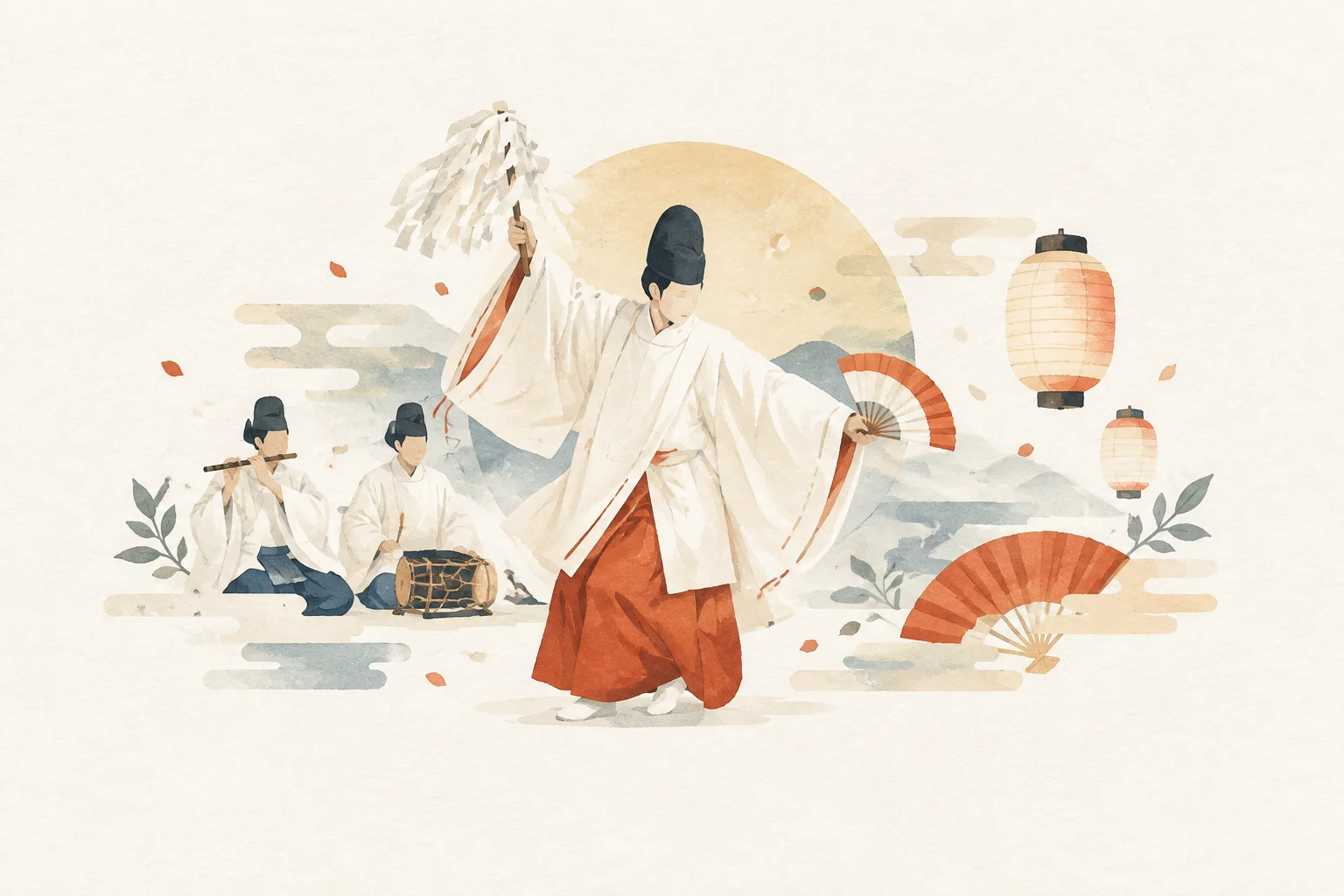
The offering proceeds with priests dancing before the deities, combining performances, gestures, and instrumental music.
Some pieces use branches, streamers, bells, swords, or bows, accompanied by music played on a large taiko drum, a shime-daiko drum, a shō, and a transverse flute.
When the full program is performed, it lasts through the night; at spring festivals and similar events, selected pieces are also performed during the day.
How to take part
Only shrine priests perform the offerings; this is not a format in which general visitors join the dance or musical performance.
Whether visitors can watch, and how they may do so at each shrine, may vary depending on the festival at which the offering is made.
In general, visitors should quietly observe as part of the shrine festival where kagura is performed.
Location and access
- Venue and address
Performances are offered at shrines in Uwajima City, Kihoku Town, and elsewhere.
Rather than taking place at one specific venue, performances are held in shrine worship halls or kagura halls.
Event venue 愛媛県宇和島市、鬼北町 宇和島市
This map uses the venue name. Check the official guide for the event area and entrances.
Dates and season
- Season
Spring festivals and spring or autumn festivals
- Frequency
Offered at shrine festivals
Tips for your visit
Iyo Kagura is a ritual offered by priests, and quiet viewing is expected during the performances.
When all 35 dances are performed, the offering lasts through the night; at spring festivals, however, selected pieces may be performed during the day.
Offering times and arrangements for viewing vary by shrine, so please follow the festival guidance when visiting.
Origins and History of Iyo Kagura
The exact date when Iyo Kagura began cannot be determined, but a kagura script dating to Genbun 3 (1738) remains at Ibuki Hachiman Shrine in Uwajima City.
Since its contents are almost the same as those of kagura performed today, it is thought that its current form had taken shape by at least the middle of the Edo period.
In Showa 56 (1981), it was designated a National Important Intangible Folk Cultural Property, and its techniques continue to be passed down from priests to younger generations.
Official information
You can check the features and designation status of Iyo Kagura through Uwajima City's cultural property information, Ehime Prefecture's cultural property information, and Kihoku Town's introduction to Omoto Shrine.
The pages for Uwajima City and Kihoku Town provide information about locations, performance venues, and the kagura program.
Iyo Kagura at a Glance
Iyo Kagura is a traditional form of kagura offered by priests at shrines in the Nanyo region, including Uwajima City and Kihoku Town.
Highlights include its 35-part program, music played on taiko drums, a shō, and a transverse flute, and a variety of dances using ritual objects.
A script dating to Genbun 3 (1738) remains, and this cultural property, which preserves an ancient form, is still offered at shrine festivals today.
Japanese Festivals.jp Editorial Team
Celebrating local culture and helping you discover a side of Japan you never knew.
Article updated: 2026/10/19
Submit information or a correction Submit photos of this festival