Classical Kagura and Okina performances passed down in Isshiki
Isshiki Okina-mai
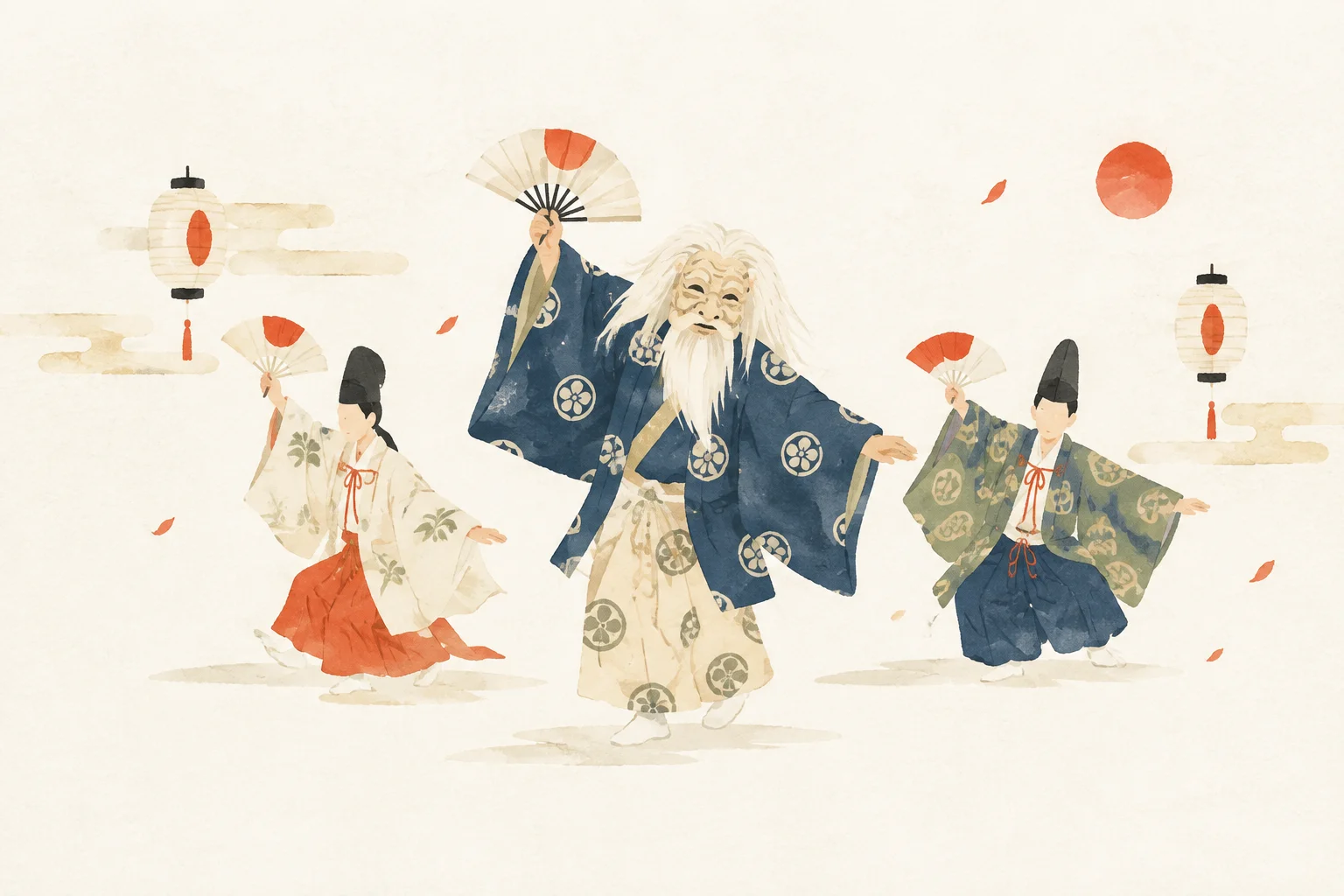
The 2026 edition of Isshiki Okina-mai has ended.
Festival information
EVENT INFORMATION- Dates
- 2026/03/15Ended
- Season / frequency
- Every year March / Every year
- Location
- Isshiki-cho Community Center
- Area
- Mie Prefecture・Ise City(From Tokyo: approx. 2 h 30 min–3 h · bullet train + connecting train)Prefecture-level estimate to a main station or airport, not the venue. Airport access, check-in and onward travel are extra; remote areas and islands can take much longer.
- Highlights and activities
- Wishes behind the festival
- Participation fee
- Free
- Last updated
- 2026/10/19
Isshiki Okina-mai, passed down in Isshiki-cho, Ise City, is a distinctive form of Noh consisting of , Okina, and Sanbaso. The local preservation society protects and passes on the tradition, which dates back to the late Muromachi period.
About Isshiki Okina-mai
Isshiki Okina-mai is a Noh performance passed down in Isshiki-cho, Ise City, consisting of three parts: Kagura, Okina, and Sanbaso.
This traditional performing art is passed down locally and designated as a Selected Intangible Folk Cultural Property of Japan.
Kagura is especially cherished as a performance unique to Isshiki Noh, not found in other schools.
Source: 一色の翁舞|伊勢市公式ホームページ
Festival highlights
The main highlight is that the section corresponding to “Senzai” in the usual Okina dance is replaced by Isshiki’s unique “Kagura.”
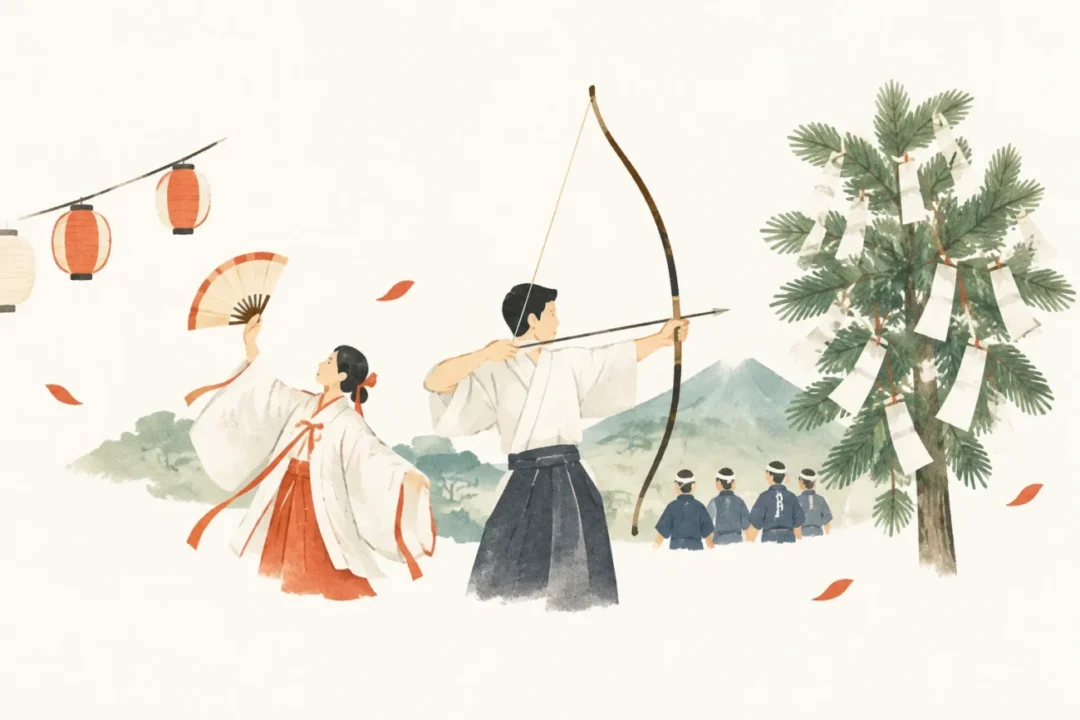
During Kagura, the performer wears a torikabuto headdress and dances holding drumsticks in the right hand and a large bell in the left.
Another feature is its distinctive structure without musical accompaniment or chanting. The staging of Okina and Sanbaso also retains old forms that differ from those of mainstream Noh.
Source: 国指定文化財等データベース
Classical Kagura and Okina performances passed down in Isshiki
What to expect
The program proceeds in the order of Kagura, Okina, and Sanbaso.
During Kagura, rites of worship and purification toward the four directions are performed, followed by prayers and then the beginning of Okina.
Through Okina’s chants and dance, followed by the staging of Sanbaso, visitors can see the distinctive forms passed down in Isshiki Noh and traces of this old performing art.
Source: 一色町能楽保存会ホームページ - 演目と能画
How to take part
参加費:無料
Location and access
- Venue and address
Isshiki-cho Community Center (Isshiki-cho, Ise City, Mie Prefecture)
- Train and bus
Take a bus bound for “Ima-Isshiki” from the JR-side ticket gate at JR/Kintetsu Ise-shi Station. The ride takes around 15 minutes; get off at “Isshiki-cho,” then walk around 5 minutes.
- By car
Around 10 minutes from the Ise IC on the Ise Expressway.
- Parking
Free parking is available.
Around 20 spaces.
Source: 一色能【国の選択無形民俗文化財】 | イベント | 観光三重(かんこうみえ)
Address Isshiki-cho, Ise City
Dates and season
2026 event information (the listed dates have passed)
The 2026 Isshiki Okina-mai was held on March 15 (Sunday).
It runs from 11 a.m. to 3:30 p.m. at Isshiki-cho Community Center.
The dedication Noh performance of Isshiki Noh is held on the first Sunday after March 11 in a typical year.
Source: 一色町能楽保存会ホームページ - 一色能とは
Accommodation and hotels PR
Showing nearby accommodation.
Prices and availability are current at the time of retrieval. For multi-night stays, only the first night’s price is shown. Confirm the final price and directions to the venue with the booking provider. Select your dates again when using the area search link. Search area: within 3 km of Central Mie Prefecture / Ise City (the search is not centered on the festival venue)
Tips for your visit
Free parking is available at the venue, with space for around 20 vehicles.
If you are driving, it is best to plan ahead, keeping in mind that parking is limited.
The event runs from 11 a.m. to 3:30 p.m. As the schedule, fees, and other details may change, it is best to check with the office of the Isshiki Town Noh Preservation Society, listed as the contact point.
Nearby attractions
Nearby places listed around Isshiki-cho Community Center include Kashiwaya, Ise Kadoya Beer’s Shimono Factory Shop, and Kanjindo.
Places connected with Ise’s local culture and food are scattered around the venue.
If you plan to visit alongside the festival, check each place’s opening days and hours in advance.

ともいきの国 伊勢忍者キングダム
三重県伊勢市にあるテーマパーク

ゼロ距離水族館伊勢シーパラダイス
日本の水族館

マコンデ美術館
三重県伊勢市にある美術館

二見興玉神社
三重県伊勢市にある神社

伊勢神宮
日本の天照大御神を祀る最高位の神社

倭姫宮
三重県伊勢市楠部町にある神社
写真:No machine-readable author provided. N yotarou assumed (based on copyright claims). / CC BY 2.5
Photo source ·
土宮
三重県伊勢市豊川町にある神社

多賀宮
三重県伊勢市豊川町にある神社

月夜見宮
三重県伊勢市宮後にある神社

月讀宮
三重県伊勢市中村町にある神社

猿田彦神社
三重県伊勢市にある神社

皇大神宮
三重県伊勢市にある神社
Origins and History of Isshiki Okina-mai
Isshiki Noh originated when the Noh performances of Waya-za, one of the Ise Sanza troupes, moved to Isshiki in the late Muromachi period.
The villagers embraced it after religious rites and Noh were combined as part of local festivals, leading to the development of Isshiki Noh in its distinctive form.
The shrine festival and dedication Noh performances continue every year, though their dates vary, and the tradition has been passed down for around 500 years.
Official information
The Isshiki-cho Noh Preservation Society’s website describes the origins of Isshiki Noh, its program, the timing of its dedication performances, and the society’s activities.
The preservation society carries on the Isshiki Noh tradition, and rehearsals are held at Isshiki-cho Community Center.
The phone number for the Isshiki-cho Noh Preservation Society is also provided as a contact.
Isshiki Okina-mai at a Glance
Isshiki Okina-mai is a traditional Noh performing art passed down in Isshiki-cho, Ise City.
It consists of Kagura, Okina, and Sanbaso. Its distinctive Kagura, performed with drumsticks and bells but without musical accompaniment or chanting, is a major feature.
In 2026, it was held at Isshiki-cho Community Center on March 15 and is also designated as a Selected Intangible Folk Cultural Property of Japan.
Japanese Festivals.jp Editorial Team
Celebrating local culture and helping you discover a side of Japan you never knew.
Article updated: 2026/10/19
Submit information or a correction Submit photos of this festival