Fujimori’s Rice-Planting Dance: Sacred Performing Arts Celebrating the Season from Planting to Harvest
Fujimori Ta-asobi
The 2026 edition of Fujimori Ta-asobi has ended.
Festival information
EVENT INFORMATION- Dates
- 2026/03/17Ended
- Season / frequency
- Every year on March 17 / Every year
- Location
- Oi Hachimangu Shrine
- Area
- Shizuoka Prefecture・Yaizu City(From Tokyo: approx. 1 h–1 h 30 min · bullet train)Prefecture-level estimate to a main station or airport, not the venue. Airport access, check-in and onward travel are extra; remote areas and islands can take much longer.
- Features
- Highlights and activities
- Wishes behind the festival
- Participation / viewing
- Spectators welcome
- Participation fee
- Free
- Last updated
- 2026/10/19
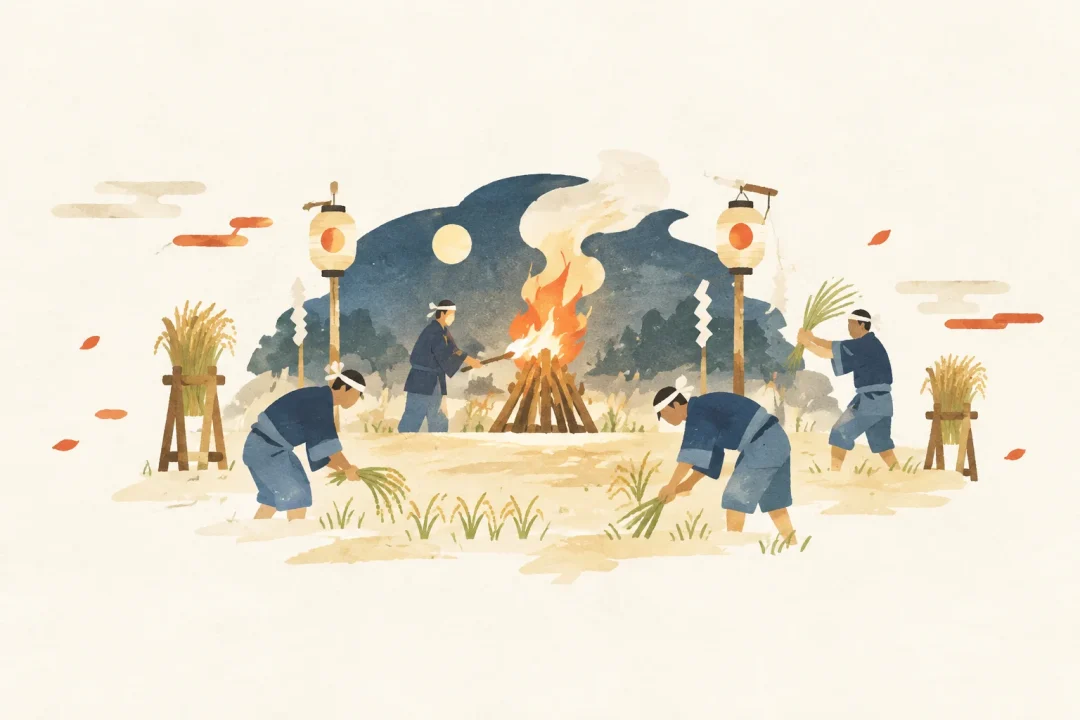
Fujimori Ta-asobi expresses prayers for flood control along the Oi River and a bountiful harvest through dances depicting the season from rice planting to harvest. It is designated an Important Intangible Folk Cultural Property of Japan and has been passed down at Oi Hachimangu Shrine.
About Fujimori Ta-asobi
Fujimori Ta-asobi is a folk performing art offered at Oi Hachimangu Shrine in Fujimori, Yaizu City.
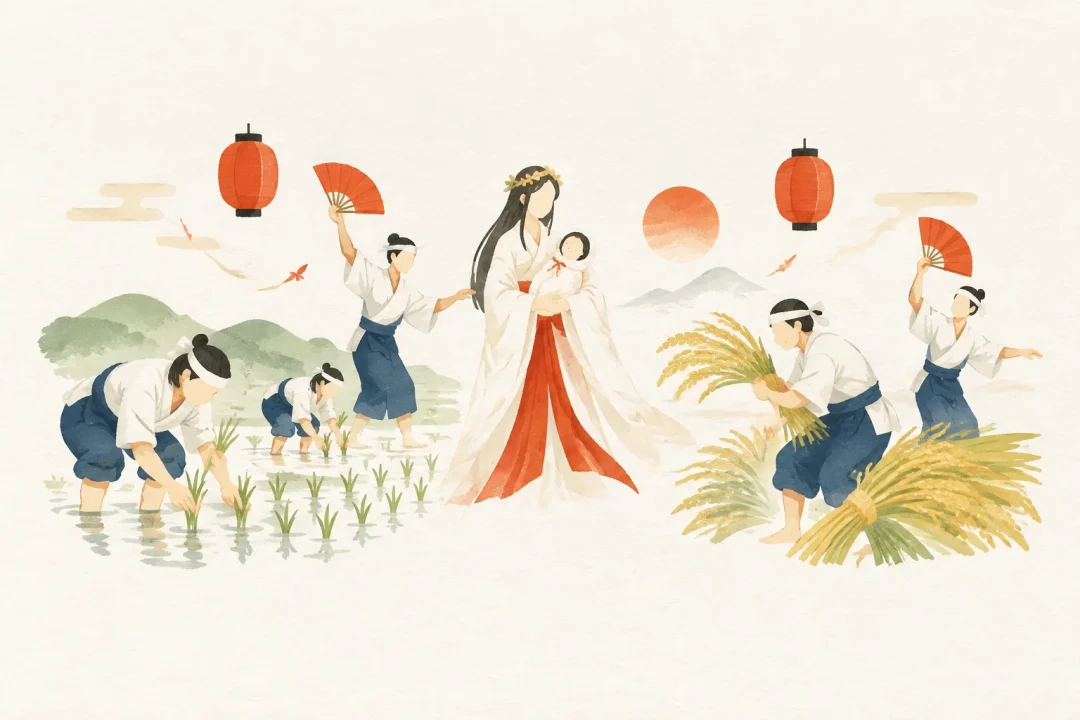
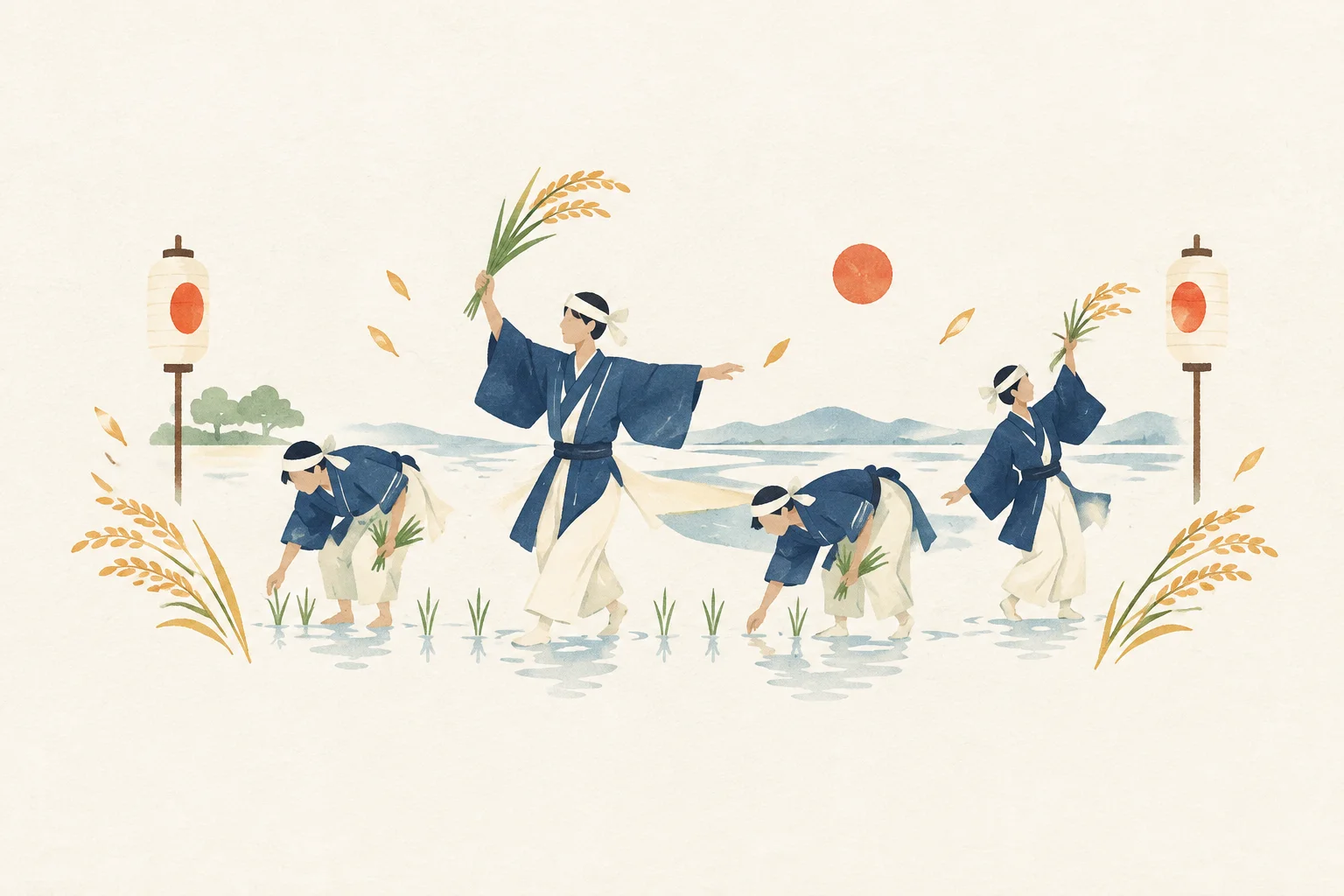
It expresses prayers for flood control along the Oi River and a bountiful harvest through dances depicting farm work from rice planting to harvest.
It consists of 25 performance groups and an additional performance, and is designated an Important Intangible Folk Cultural Property of Japan.
This event carries local prayers and agricultural traditions into the present day.
Source: 藤守の田遊び|焼津市
Festival highlights
A highlight is the variety of performances staged in the forecourt of Oi Hachimangu Shrine.
Performances related to rice fields include “Naginata,” “Furitori,” “Oshishi,” and “Kuiri”; additional performances include “Tengu” and “Tai Tsuri.”
The floral headdresses worn by performers, called shokko, are decorated differently for each performance. Those adorned with mantō flowers are especially brilliant.
Source: 国指定文化財等データベース
Fujimori’s Rice-Planting Dance: Sacred Performing Arts Celebrating the Season from Planting to Harvest
What to expect
Following the daytime Shinto ceremony, young members of the local preservation society perform the dances as an offering.
The program consists of performances depicting the stages of rice cultivation, from clearing the land and planting rice to harvesting.
Different costumes and floral headdresses are used for each performance, with roles including furitori, saru , ma dengaku, miko-mai, and saotome.
Immediately before the performance, the ritual customs of a feast shared by gods and humans, called naiteki-shiki and gaiteki-shiki, are also preserved.
How to take part
As performers, unmarried young men from the Fujimori district are said to take part.
The performance is open to the public, so you can visit and watch the dance.
Source: しずおか文化財ナビ 藤守の田遊び|静岡県公式ホームページ
Location and access
- Venue and address
Oi Hachimangu Shrine (Fujimori, Yaizu City, Shizuoka Prefecture).
- Train and bus
Take a bus for about 20 minutes from JR Fujieda Station, get off at Oigawa Government Building Entrance, then walk about 15 minutes.
- By car
About 7.6 km and 16 minutes via National Route 150 from the Yoshida Interchange on the Tomei Expressway, or about 4 km and 10 minutes from the Oigawa-Yaizu-Fujieda Smart Interchange on the Tomei Expressway.
- Parking
30 spaces; free.
Event venue 静岡県焼津市 大井八幡宮
This map uses the venue name. Check the official guide for the event area and entrances.
Dates and season
2026 Event Information (the listed dates have passed)
It is held every year on March 17.
For 2026, the event is scheduled to be held at Oi Hachimangu Shrine on March 17 (Tuesday), with a nighttime dance offering following the daytime Shinto ceremony.
The dances are scheduled to run from 6 p.m. until around 11 p.m.
Accommodation and hotels PR
Showing nearby accommodation.
Prices and availability are current at the time of retrieval. For multi-night stays, only the first night’s price is shown. Confirm the final price and directions to the venue with the booking provider. Select your dates again when using the area search link. Search area: within 3 km of Central Shizuoka Prefecture / Yaizu City (the search is not centered on the festival venue)
Nearby attractions
At the Fujimori Ta-asobi Heritage Museum, next to the venue, costumes and implements used in the dances are on display, and videos and photographs introduce the Ta-asobi performances.
The museum was established as a center for passing Fujimori Ta-asobi down to future generations, and includes exhibition rooms on its history and traditions.
It is open on the 3rd Sunday of each month from 9 a.m. to 3 p.m.
Source: 藤守の田遊び伝承館 | 焼津市観光協会

深層水ミュージアム
日本の静岡県焼津市にある博物館

焼津神社
静岡県焼津市焼津2にある神社
Origins and History of Fujimori Ta-asobi
According to shrine tradition, Oi Hachimangu Shrine began when farmers in Fujimori, fearing flooding of the Oi River in the early Heian period, enshrined a deity to ward off floods and prayed for an abundant harvest.
It is said that the offering of Ta-asobi dances began when a new shrine building was constructed during the Kanna era in the late Heian period.
Its present form is believed to have been established later, toward the end of the Muromachi period, and it was designated an Important Intangible Folk Cultural Property of Japan in 1977.
Official information
Yaizu City’s cultural properties guide provides information on the date, venue, origins, performances, costumes, and other details of Fujimori Ta-asobi.
Shizuoka Prefecture’s cultural properties guide introduces its designation as a nationally designated intangible folk cultural property and provides information about public access.
Fujimori Ta-asobi at a Glance
Fujimori Ta-asobi is a traditional performing art at Oi Hachimangu Shrine that depicts the stages of farm work through dance and offers prayers for flood control and a bountiful harvest.
Distinctive features include 25 performance groups and an additional performance, colorful shokko headdresses, and the ritual customs of the feast shared by gods and humans.
The event will be held in 2026 on March 17. Visitors can get there by bus and on foot from JR Fujieda Station, and free parking is also available.
Japanese Festivals.jp Editorial Team
Celebrating local culture and helping you discover a side of Japan you never knew.
Article updated: 2026/10/19
Submit information or a correction Submit photos of this festival