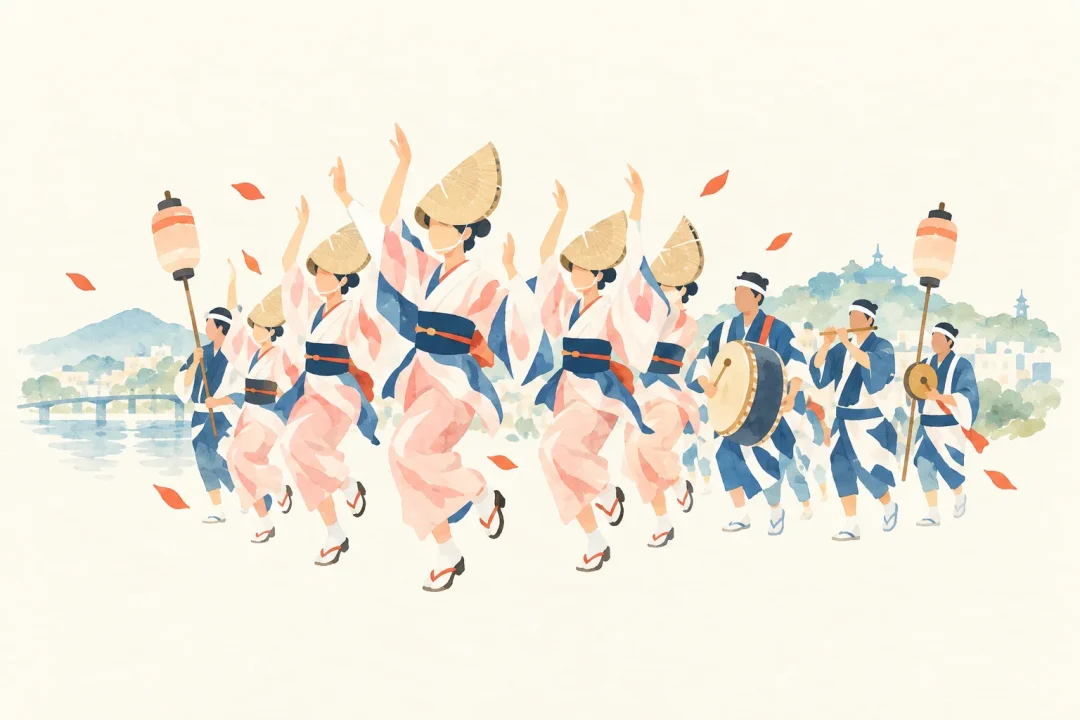
Okumiji’s hono sumo, preserving tradition through sasa dancing and leaps
Yabu’s Nettei Sumo
Festival information
EVENT INFORMATION- Season / frequency
- Records indicate that it is held every October, on the second Sunday. / Every year
- Location
- Mizutani
- Area
- Hyogo Prefecture・Yabu City(From Tokyo: approx. 2 h 40 min–3 h 10 min · bullet train)Prefecture-level estimate to a main station or airport, not the venue. Airport access, check-in and onward travel are extra; remote areas and islands can take much longer.
- Wishes behind the festival
- Required number of participants
- 2 adult men
- Last updated
- 2026/10/19
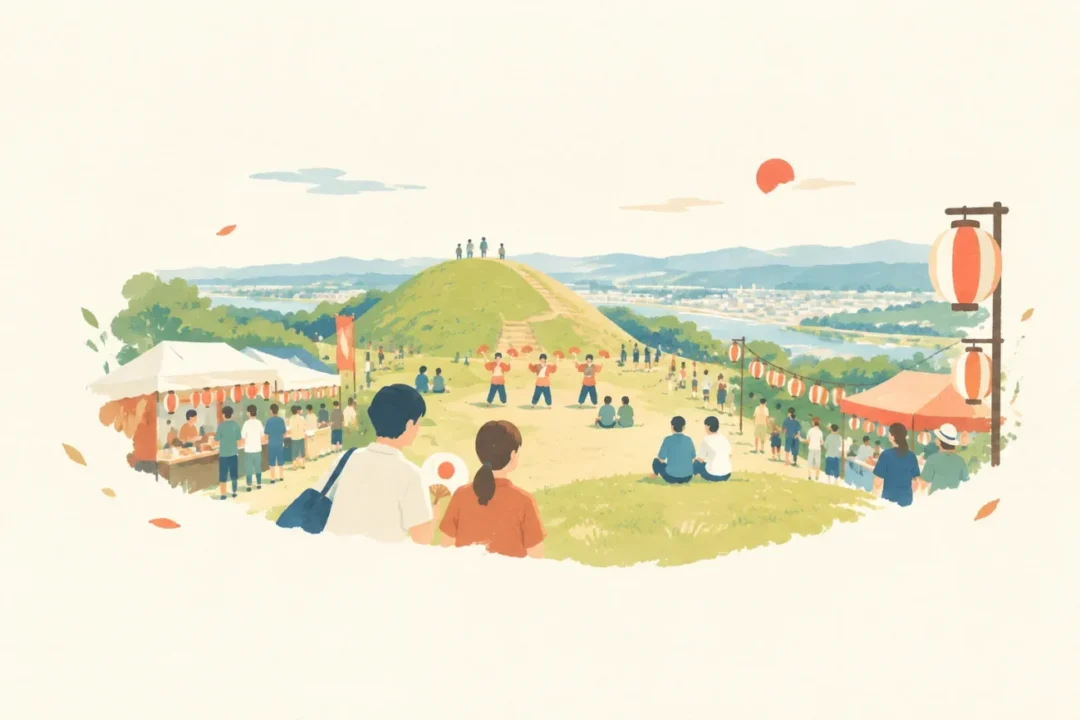
Sasa dancing and a distinctive form of sumo have been passed down at Mizutani in Okumiji, Yabu City, Hyogo Prefecture. Rather than a contest to determine a winner, this ritual shapes the festival through movements with swords, foot stomps, and hopping.
About Yabu’s Nettei Sumo
Yabu’s Nettei Sumo is a ritual form of sumo offered during the festival at Mizutani Jinja in Okumiji.
Two adult men perform distinctive movements without a ring or contest.
The ritual expresses prayers to pacify evil spirits and gratitude for the harvest, and local support the festival.
Source: 国指定文化財等データベース
Festival highlights
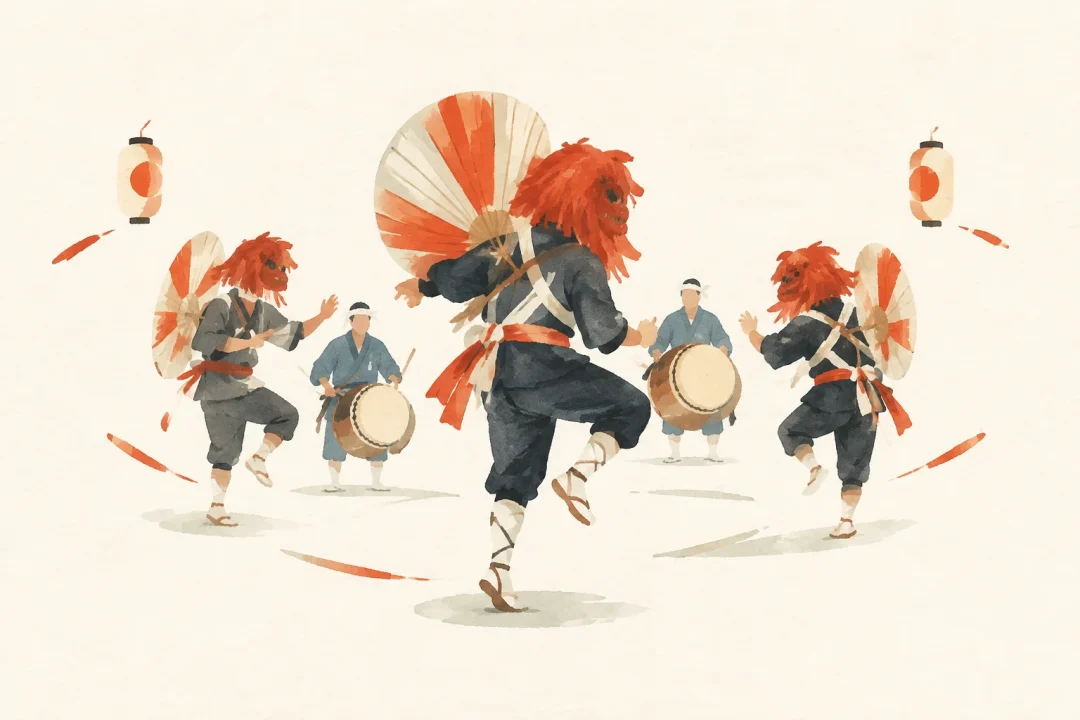
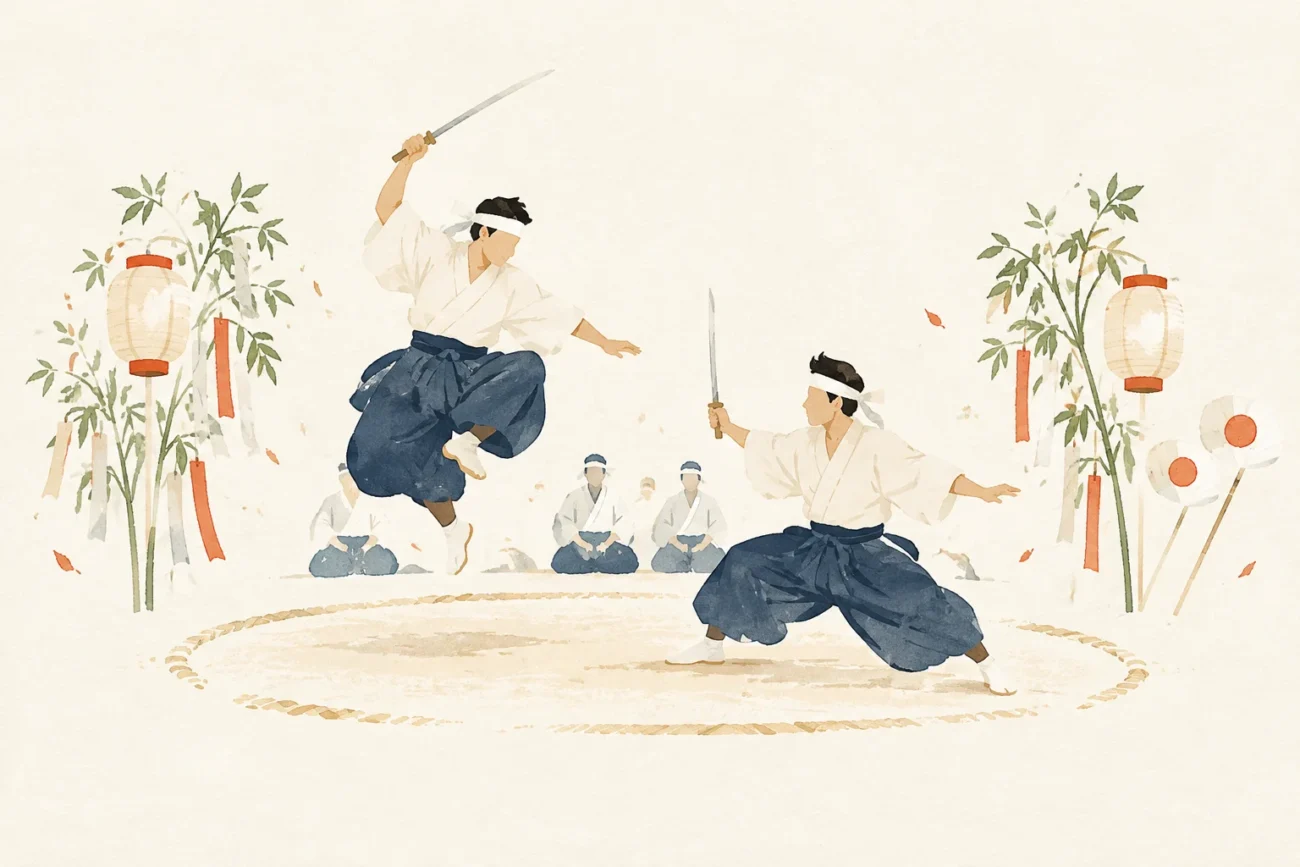
A highlight is the sequence of movements in which two adult men in kataginu and hakama hold swords aloft and advance by hopping with both feet.
After removing their clothing from the waist up, they stamp the ground, embrace each other around the neck, and hop around to the right.
Unlike conventional sumo, there is no ring or referee, and the participants do not compete to win or lose.
Source: まちの文化財(49) 養父のネッテイ相撲/養父市
Okumiji’s hono sumo, preserving tradition through sasa dancing and leaps
What to expect
On the day of the festival, are held from the afternoon. Afterward, a sasa dance called Hoiyara Odori is performed as a hono offering in front of Tawa Jinja.
Next, two adult men receive swords from the and perform bows, foot stomps, and movements in which they embrace each other around the neck and hop about in the middle clearing.
Afterward, they return the swords to the shinshoku, and a children’s sumo match takes place in the lowest ring.
How to take part
必要人数:成人男子2人
Location and access
- Venue and address
Okumeji, Mizutani Shrine grounds
Event venue 兵庫県養父市 水谷神社
This map uses the venue name. Check the official guide for the event area and entrances.
Dates and season
- Season
Records indicate that it is held every October, on the second Sunday.
- Frequency
Every year
Accommodation and hotels PR
Showing nearby accommodation.
Prices and availability are current at the time of retrieval. For multi-night stays, only the first night’s price is shown. Confirm the final price and directions to the venue with the booking provider. Select your dates again when using the area search link. Search area: within 3 km of Central Hyogo Prefecture / Yabu City (the search is not centered on the festival venue)
Origins and History of Yabu’s Nettei Sumo
Accounts note that the sasa dance was performed as a hono offering at Ifukube Jinja in Izushi in Tenpo 9.
Nettei Sumo is interpreted as a shinji that follows the tradition of Setsue Sumo, performed at the imperial court during the Heian period.
Records say that in the past, members of the group assigned miyato-ban duties performed the hono, but today the same people continue to do so regardless of who has those duties.
Official information
The Yabu City Board of Education features the sasa dance and Nettei Sumo, performed as hono offerings at Mizutani Jinja in Okumiji, as “Cultural Properties of Our Town.”
The National Designated Cultural Properties Database also provides information about the event’s origins, movements, and preservation group.
Yabu’s Nettei Sumo at a Glance
Yabu’s Nettei Sumo is a hono ritual held during the festival at Mizutani Jinja, expressing prayers to pacify evil spirits and gratitude for a plentiful harvest.
Following the afternoon shinji and sasa dance, a distinctive sumo ritual is performed without a ring or contest, culminating in a children’s sumo match.
This local festival has been passed down with support from the ujiko of Okumiji, including through the rotating miyato-ban duties.
Japanese Festivals.jp Editorial Team
Celebrating local culture and helping you discover a side of Japan you never knew.
Article updated: 2026/10/19
Submit information or a correction Submit photos of this festival