An autumn festival of kagura and dashi that keeps the memory of Kitamaebune ships alive
Yaganemori Hachimangu Shrine Annual Grand Festival
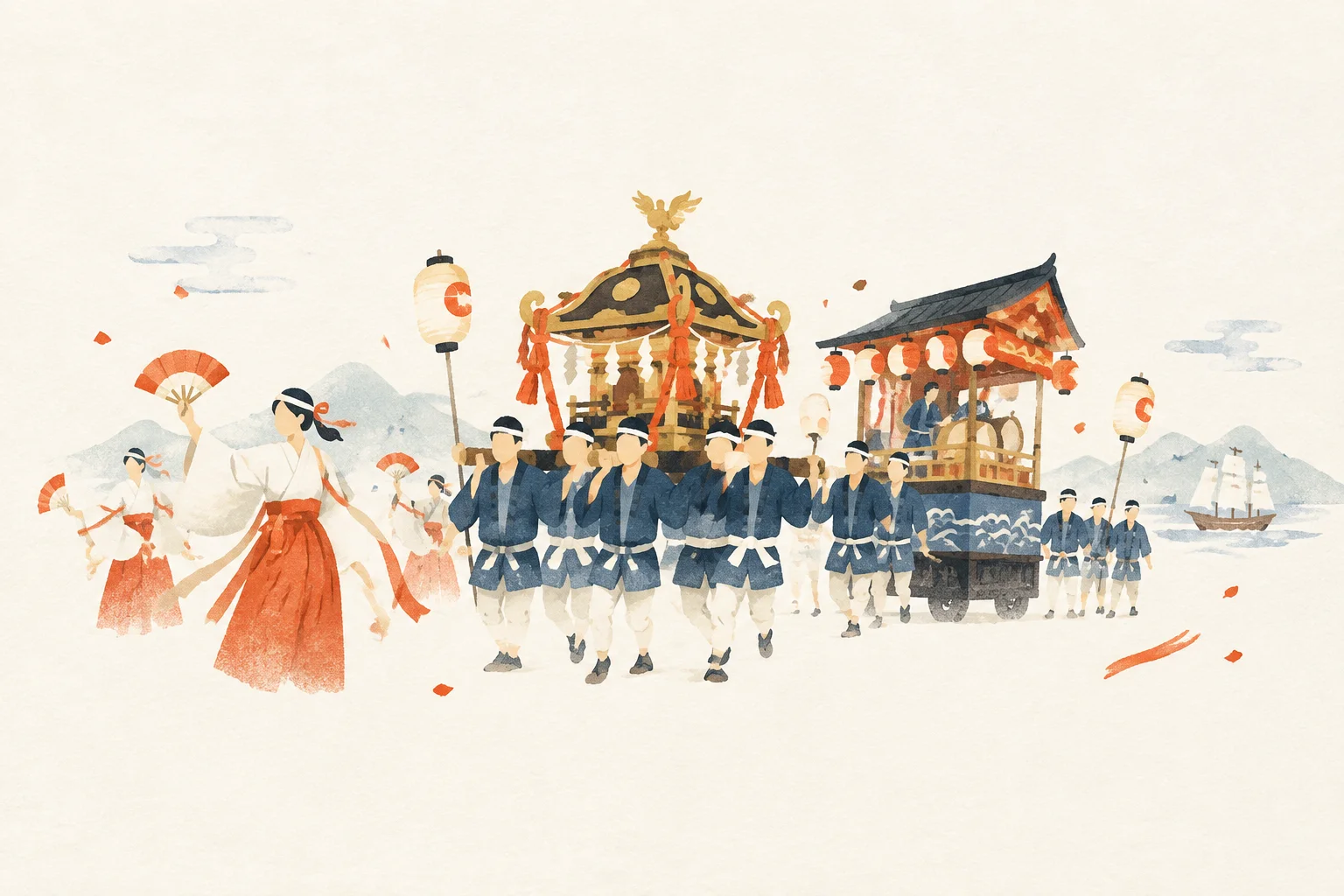
The 2026 edition of Yaganemori Hachimangu Shrine Annual Grand Festival has ended.
Festival information
EVENT INFORMATION- Dates
- 2026/09/14 〜 2026/09/16Ended
- Season / frequency
- September 14–16 / Every year
- Location
- Yaganemori Hachimangu Shrine and locations throughout Sai Village
- Area
- Aomori Prefecture・Sai Village(From Tokyo: approx. 3 h–3 h 30 min · bullet train)Prefecture-level estimate to a main station or airport, not the venue. Airport access, check-in and onward travel are extra; remote areas and islands can take much longer.
- Features
- Participation / viewing
- Spectators welcome
- Last updated
- 2026/10/19
The Yaganemori Hachimangu Shrine Annual Grand Festival has continued in Sai Village since the Genroku era. The procession of , , and through town carries on the legacy of Kyoto’s Gion Festival, brought here via Kitamaebune trading ships.
About Yaganemori Hachimangu Shrine Annual Grand Festival
The Yaganemori Hachimangu Shrine Annual Grand Festival is an autumn festival held every year in Sai Village, Aomori Prefecture.
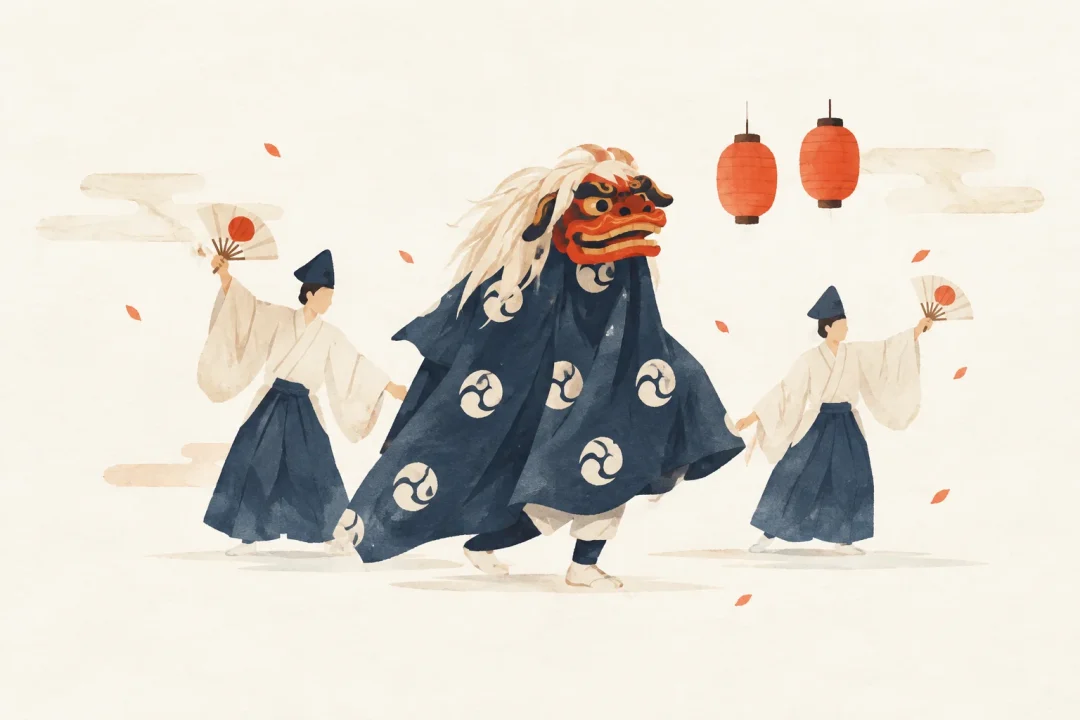
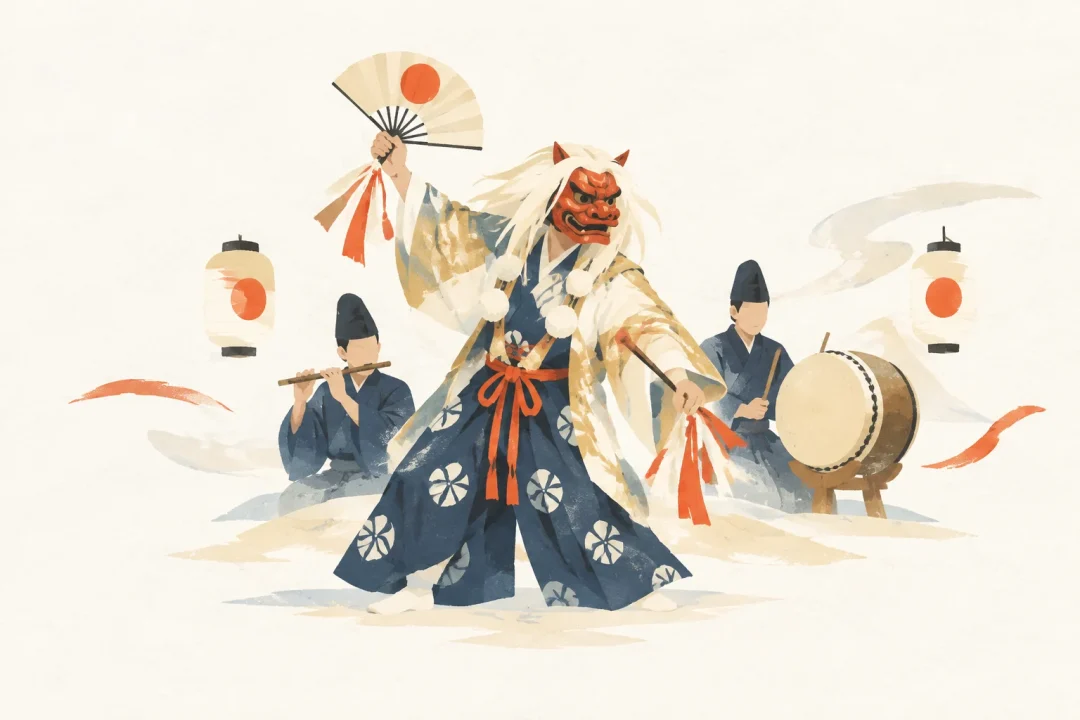
The festival has continued since the Genroku era, with kagura leading mikoshi and dashi through the town.
The procession preserves local traditions and echoes the Kyoto Gion Festival, whose influence arrived via Kitamaebune trading ships.
Source: 下北地域のイベント情報 - 青森県庁ホームページ / 箭根森八幡宮 – 佐井村 – 青森県の下北半島西側、津軽海峡に面する小さな村
Festival highlights
Highlights include a procession led by kagura, followed by dashi floats.
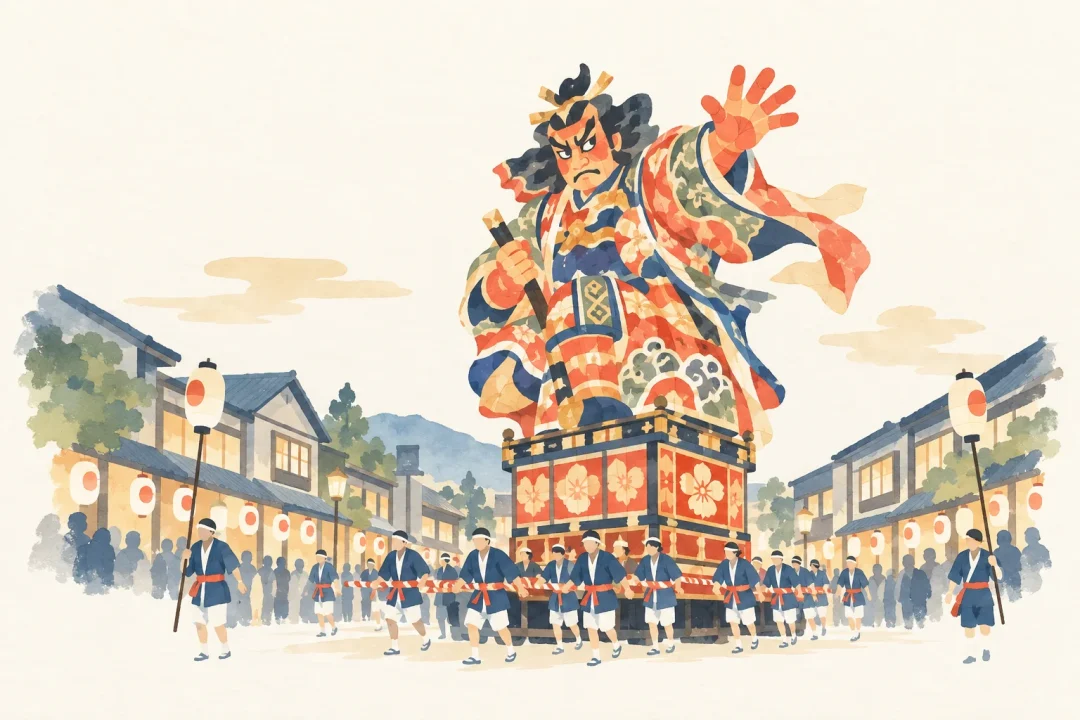
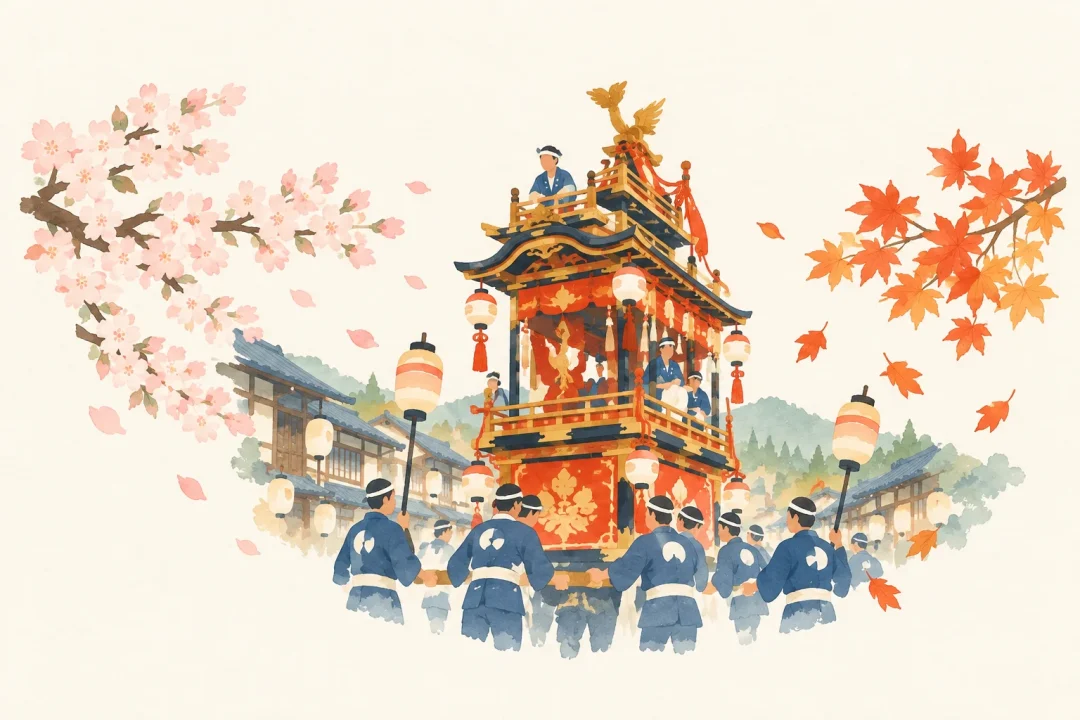
The dashi retain influences from Kyoto’s Gion Festival, brought here by Kitamaebune trading ships, evoking Sai Village’s historic maritime connections.
The full procession, with mikoshi, kagura, and dashi moving through town, conveys the festival’s scale and the community’s bonds.
An autumn festival of kagura and dashi that keeps the memory of Kitamaebune ships alive
What to expect
The festival begins with Miya-yoi, followed by the annual grand festival rites, the mikoshi procession, kagura performances, and a joint dashi procession.
The dashi follow the kagura and mikoshi as the procession makes its way through Sai Village.
Over the course of a 3-day festival held both day and night, you can watch the religious rites and community processions.
How to take part
Visitors can watch the event.
Location and access
- Venue and address
The event is held throughout Sai Village, centered around Yaganemori Hachimangu Shrine (37 Hachimandō, Sai Village).
- By car
Yaganemori Hachimangu Shrine is about 5 minutes by car from Alsus via National Route 338.
- Parking
There is no parking at Yaganemori Hachimangu Shrine.
The Sai Village Tourism Association recommends using the parking lot at Alsus.
Source: 箭根森八幡宮 | 青森県佐井村を旅しよう!/佐井村観光協会
Address 37 Hachimandō, Sai Village, Shimokita District, Aomori Prefecture
Dates and season
2026 event information (the listed dates have passed)
In 2026, the event was scheduled to begin with Miya-yoi on September 14 (Monday), followed by the annual grand festival on September 15 (Tuesday) and the 16th (Wednesday).
It is usually held over 3 days, from September 14 through the 16th.
Accommodation and hotels PR
Showing nearby accommodation.
Prices and availability are current at the time of retrieval. For multi-night stays, only the first night’s price is shown. Confirm the final price and directions to the venue with the booking provider. Select your dates again when using the area search link. Search area: within 3 km of Central Aomori Prefecture / Sai Village (the search is not centered on the festival venue)
Tips for your visit
The procession passes through Sai Village, so please watch from a place that does not obstruct traffic.
The areas around the procession may become crowded at certain times during the 3 days when the mikoshi and dashi are on the move.
The program differs between Miya-yoi and the annual grand festival, so it is a good idea to check the day’s information before visiting.
Nearby attractions
The Tsugaru Strait Culture Center Alsus is near Yane-mori Hachimangu Shrine.
According to the Sai Village Tourism Association, you can see arrowhead-shaped stones and pottery excavated from the grounds of Yane-mori Hachimangu Shrine at the Strait Museum on the 2nd floor of Alsus.
It’s a place where you can experience Sai Village’s history and local culture alongside the festival.
Origins and History of Yaganemori Hachimangu Shrine Annual Grand Festival
The date when Yaganemori Hachimangu Shrine was founded is unknown, but a record from Genroku 9 (1696) shows that permission was sought to hold a mikoshi procession, suggesting the shrine existed even earlier.
The annual grand festival is said to have begun in Genroku 9. Against the backdrop of trade with the Kamigata region via Kitamaebune ships, it preserves a tradition derived from Kyoto’s Gion Festival.
The dashi procession is also designated an Intangible Folk Cultural Property of Aomori Prefecture.
Official information
Information on the 2026 event can be found in Aomori Prefecture’s Shimokita regional events listings.
Information from Sai Village and the Sai Village Tourism Association also includes the venue address, the festival’s origins, and its usual dates.
Yaganemori Hachimangu Shrine Annual Grand Festival at a Glance
The Yaganemori Hachimangu Shrine Annual Grand Festival is a 3-day autumn festival that has continued in Sai Village since the Genroku era.
The procession of kagura, mikoshi, and dashi through town carries on the influence of Kyoto’s Gion Festival, brought here via Kitamaebune trading ships.
In 2026, the event was scheduled to begin with Miya-yoi on September 14, followed by the annual grand festival on the 15th and 16th.
Japanese Festivals.jp Editorial Team
Celebrating local culture and helping you discover a side of Japan you never knew.
Article updated: 2026/10/19
Submit information or a correction Submit photos of this festival