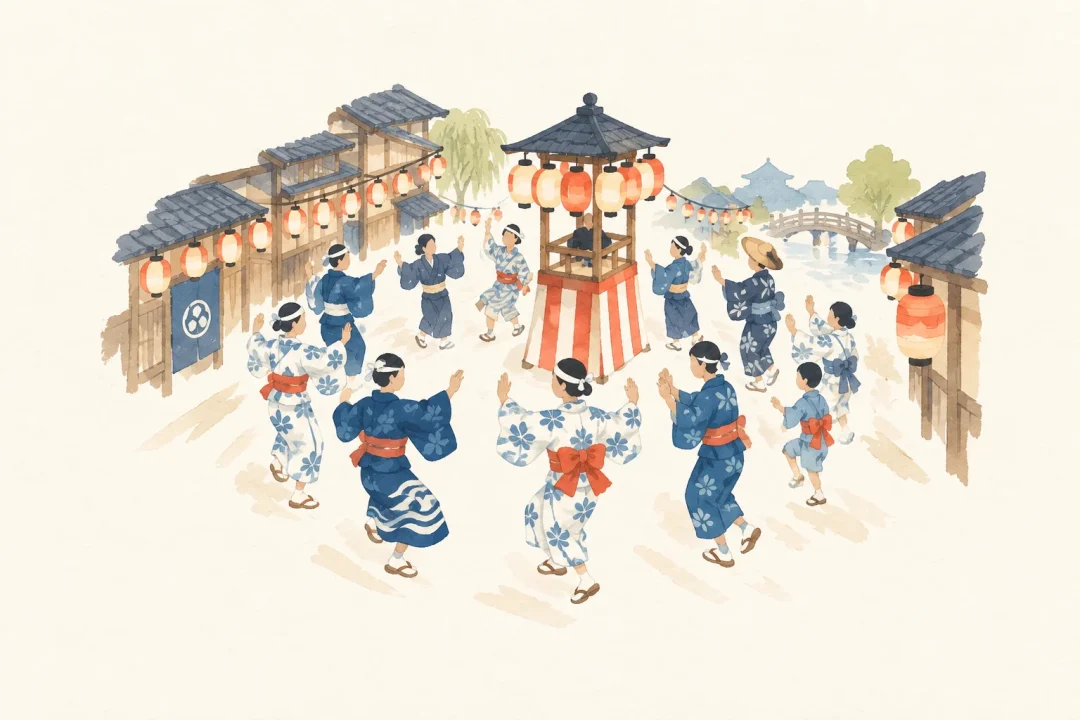
Bullfighting with no winners or losers, carrying on the memory of the Salt Road
Bullfighting
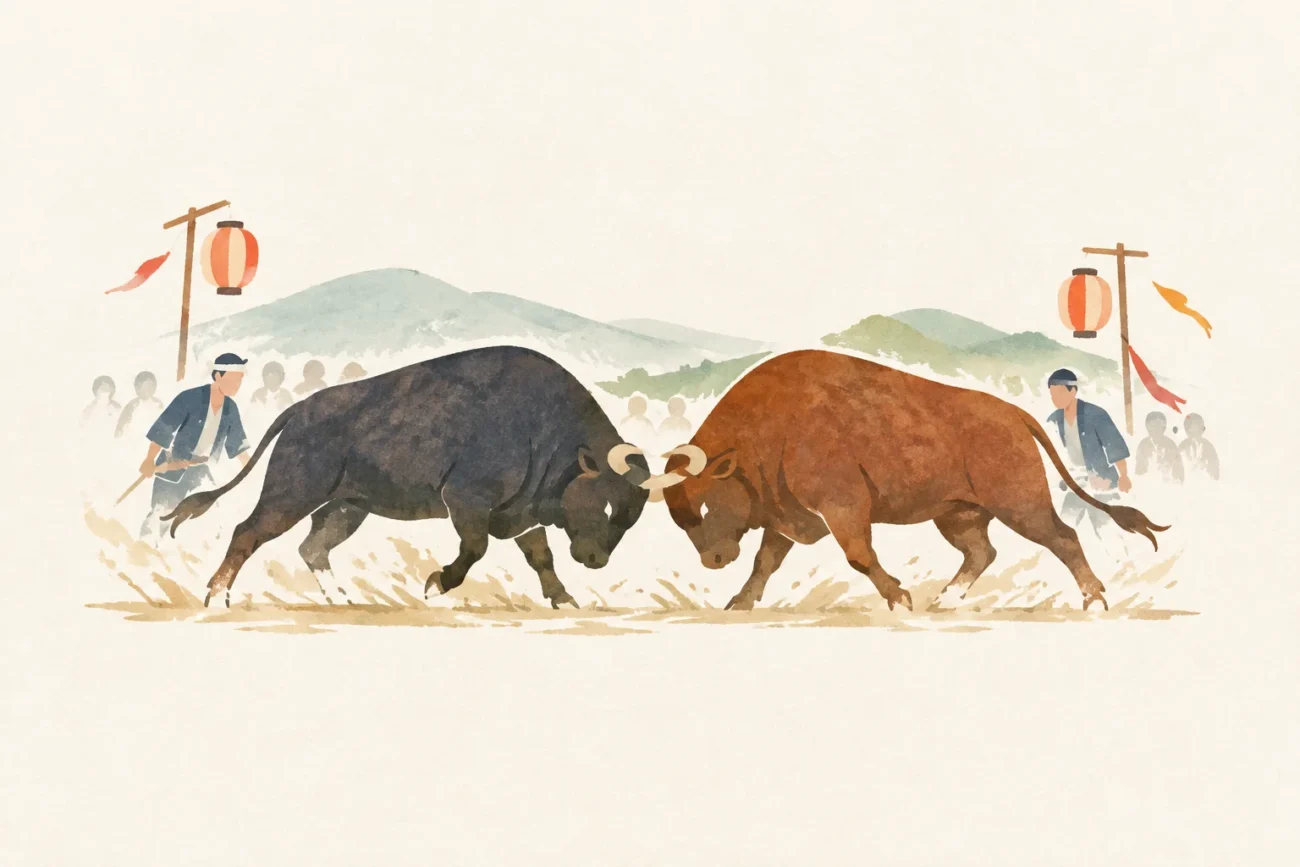
Festival information
EVENT INFORMATION- Season / frequency
- 4 times a year / 4 times a year
- Location
- Hiraniwa Kogen
- Area
- Iwate Prefecture・Kuji City(From Tokyo: approx. 2 h 10 min–2 h 40 min · bullet train)Prefecture-level estimate to a main station or airport, not the venue. Airport access, check-in and onward travel are extra; remote areas and islands can take much longer.
- Last updated
- 2026/11/12
Bullfighting passed down at Hiraniwa Kogen has its roots in the customs of the ushikata, the cattle handlers who supported the Salt Road in the Kuji region.
About Bullfighting
Bullfighting has its roots in the customs of the ushikata, the cattle handlers who supported the Salt Road in the Kuji region.
In the past, bulls locked horns to select a lead bull, called a “wagasa,” to safely guide herds carrying salt.
Today, the Hiraniwa Kogen Bullfighting Tournament is held at Hiraniwa Kogen, carrying on this tradition, and is designated an Intangible Folk Cultural Property of Kuji City.
Festival highlights
Highlights include the bulls locking horns to test their strength, and the distinctive format in which every bout ends in a draw, with no winner or loser declared.
When both bulls have the upper hand, the handlers who control them step in between and end the bout.
This prevents the cattle from developing a losing habit and is a distinctive feature of bullfighting in Hiraniwa, unlike tournaments where a winner and loser are declared.
Bullfighting with no winners or losers, carrying on the memory of the Salt Road
What to expect
In the bullfights of the past, cattle locked horns to select the strongest lead bull, called a “wagasa,” from among the herds carrying salt.
The ushikata controlled the wagasa and led herds of 5–7 cattle arranged in a line.
In today’s Hiraniwa Kogen Bullfighting Tournament, the bulls lock horns, and when both have the upper hand, the handlers step in to separate them and end the bout in a draw.
Location and access
- Venue
Hiraniwa Kogen
Event venue 岩手県久慈市 平庭高原
This map uses the venue name. Check the official guide for the event area and entrances.
Dates and season
- Season
4 times a year
- Frequency
4 times a year
Accommodation and hotels PR
Showing nearby accommodation.
Prices and availability are current at the time of retrieval. For multi-night stays, only the first night’s price is shown. Confirm the final price and directions to the venue with the booking provider. Select your dates again when using the area search link. Search area: within 3 km of Central Iwate Prefecture / Kuji City (the search is not centered on the festival venue)
Nearby attractions
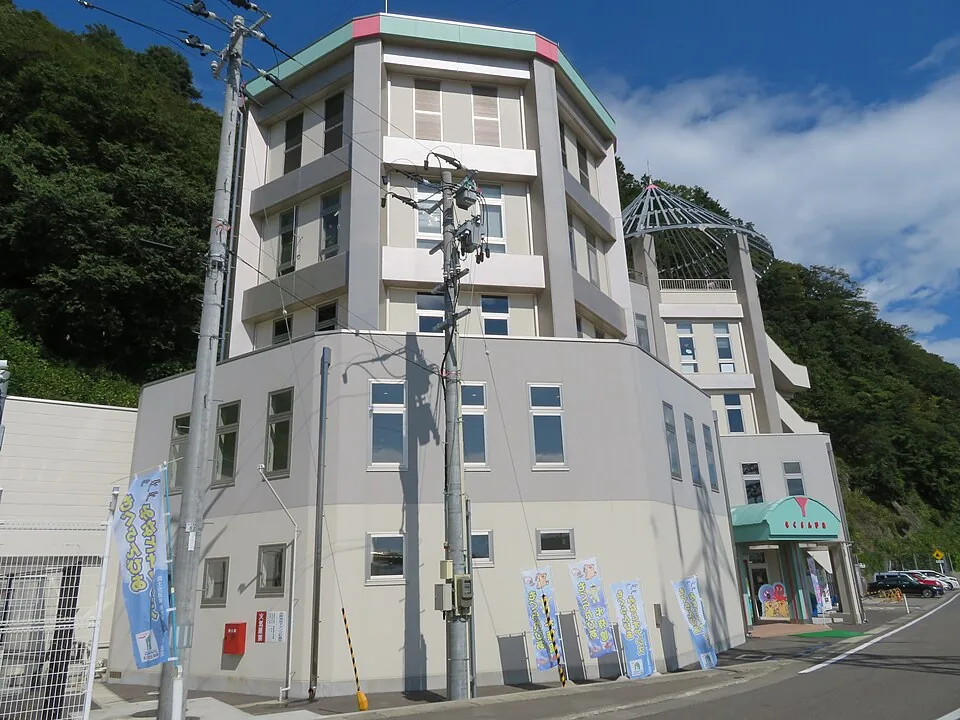
もぐらんぴあ
日本の岩手県久慈市にある水族館
写真:Ebiebi2 / CC BY-SA 4.0(resized and reformatted)
Photo source ·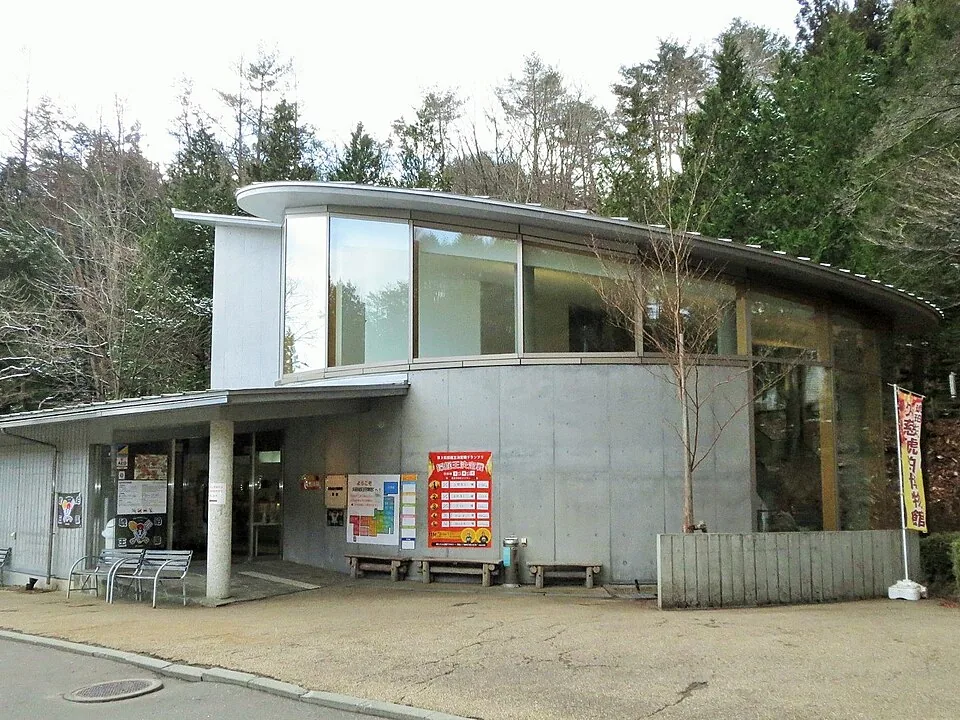
久慈琥珀博物館
岩手県久慈市にある博物館
写真:Ty19080914 / CC BY-SA 4.0(resized and reformatted)
Photo source ·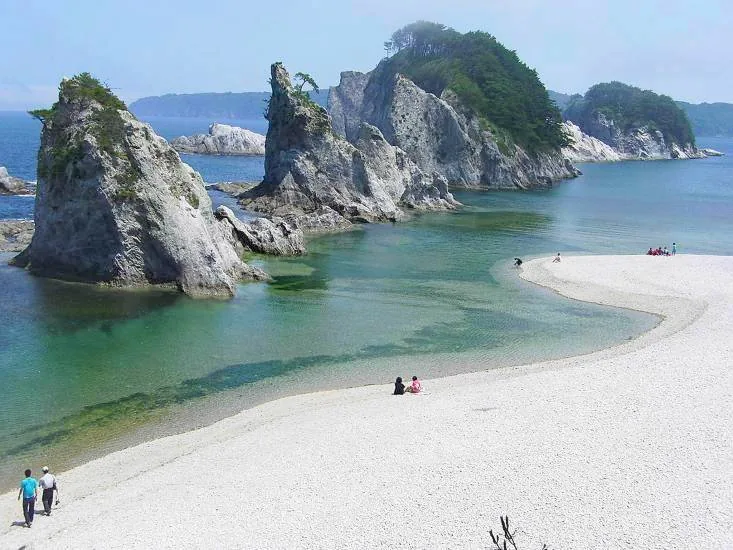
三陸復興国立公園
東北地方の三陸沿岸を区域とする国立公園
写真:Junpei Satoh / CC BY-SA 3.0(resized and reformatted)
Photo source ·Origins and History of Bullfighting
In the Kuji region, salt made during the Edo period was transported along the “Salt Road” toward Morioka and the Kazuno area, with ushikata leading the cattle trains.
Bullfighting was an important custom that helped prevent the cattle from fighting along the way and ensured the goods were transported safely.
Records show that bullfighting in its present form, performed for an audience, took place in Showa 35 (1960). It was adopted in earnest as a tourist event from Showa 58 (1983).
Official information
The pages “Materials Related to the Ushikata of the Kuji Region” and “The Salt Road and Bullfighting” provided by the Kuji City Board of Education’s Cultural Affairs Division introduce the history of the ushikata and the origins of bullfighting.
For inquiries, contact the Cultural Affairs Division of the Kuji City Board of Education.
Bullfighting at a Glance
Bullfighting is a cultural event rooted in the customs of the ushikata, the cattle handlers who carried goods along the Salt Road in the Kuji region.
The practice of having cattle lock horns to select a lead bull led to today’s Hiraniwa Kogen Bullfighting Tournament.
A distinctive feature of the tournament is that no winner or loser is declared: the handlers step in to end each bout in a draw. It is held 4 times a year, under the names “Wakaba Basho,” “Tsutsuji Basho,” “Shirakaba Basho,” and “Momiji Basho.”
Sources and references
Japanese Festivals.jp Editorial Team
Celebrating local culture and helping you discover a side of Japan you never knew.
Article updated: 2026/11/12