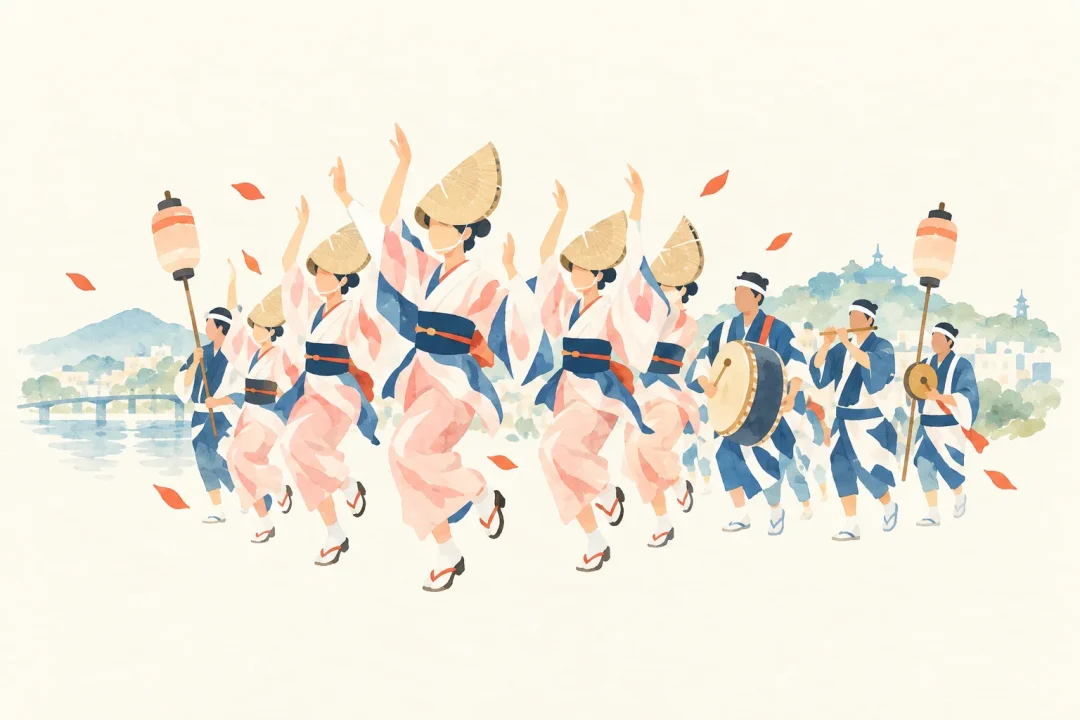
A grand procession tracing Edo-Tokyo history through Asakusa
Tokyo Jidai Festival

Festival information
EVENT INFORMATION- Season / frequency
- Held annually, but ended after the 2013 festival
- Location
- From the plaza north of the main hall of Sensoji Temple to the western end of Kaminarimon Street
- Area
- Tokyo Metropolis・Taito City(Within Tokyo: approx. 15 min–1 h by train (central areas))Prefecture-level estimate to a main station or airport, not the venue. Airport access, check-in and onward travel are extra; remote areas and islands can take much longer.
- Features
- Highlights and activities
- Required number of participants
- Past procession lineup: 30 teams, about 1,600 people
- Last updated
- 2026/10/19
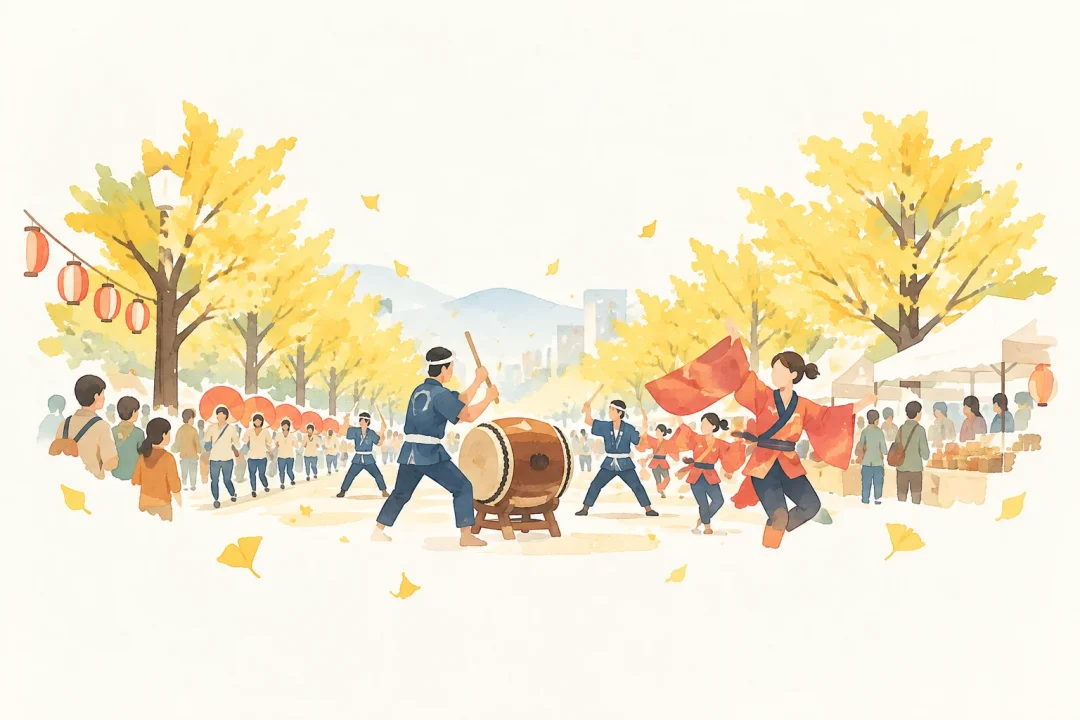
A festival that depicted history from Edo to Tokyo through costumes and a procession, with the area around Sensoji Temple as its setting.
Photo credits and terms of use
Photographer: Peter Van den Bossche from Mechelen, Belgium File:TokyoJidaiMatsuri 1@Asakusa, 2006-11-03.jpg / Wikimedia Commons / CC BY-SA 2.0 Pageant in Asakusa Uploaded by ChimeDisplay size only adjusted.May differ from the event currently featured.Photo credits and terms of use
Photographer: Peter Van den Bossche from Mechelen, Belgium File:TokyoJidaiMatsuri 6@Asakusa, 2006-11-03.jpg / Wikimedia Commons / CC BY-SA 2.0 Pageant in Asakusa Uploaded by ChimeDisplay size only adjusted.May differ from the event currently featured.Photo credits and terms of use
Photographer: Peter Van den Bossche from Mechelen, Belgium File:TokyoJidaiMatsuri 4@Asakusa, 2006-11-03.jpg / Wikimedia Commons / CC BY-SA 2.0 Pageant in Asakusa Uploaded by ChimeDisplay size only adjusted.May differ from the event currently featured.About Tokyo Jidai Festival
The Tokyo Jidai Festival is a period procession held around Sensoji Temple that depicts the changing history and culture from Edo to Tokyo.
A costume procession set off from Sensoji Temple and wound through the streets of Asakusa, introducing figures and customs from various periods.
It was held every year on November 3 from 1988, and ended after the 2013 festival.
It was an event where visitors could experience Asakusa’s historic streetscape and Edo-Tokyo culture together.
Source: 東京時代まつり - Wikipedia / 仲見世|東京時代祭(浅草寺周辺)
Festival highlights
The main highlight was a large-scale historical procession that traced several periods in sequence.
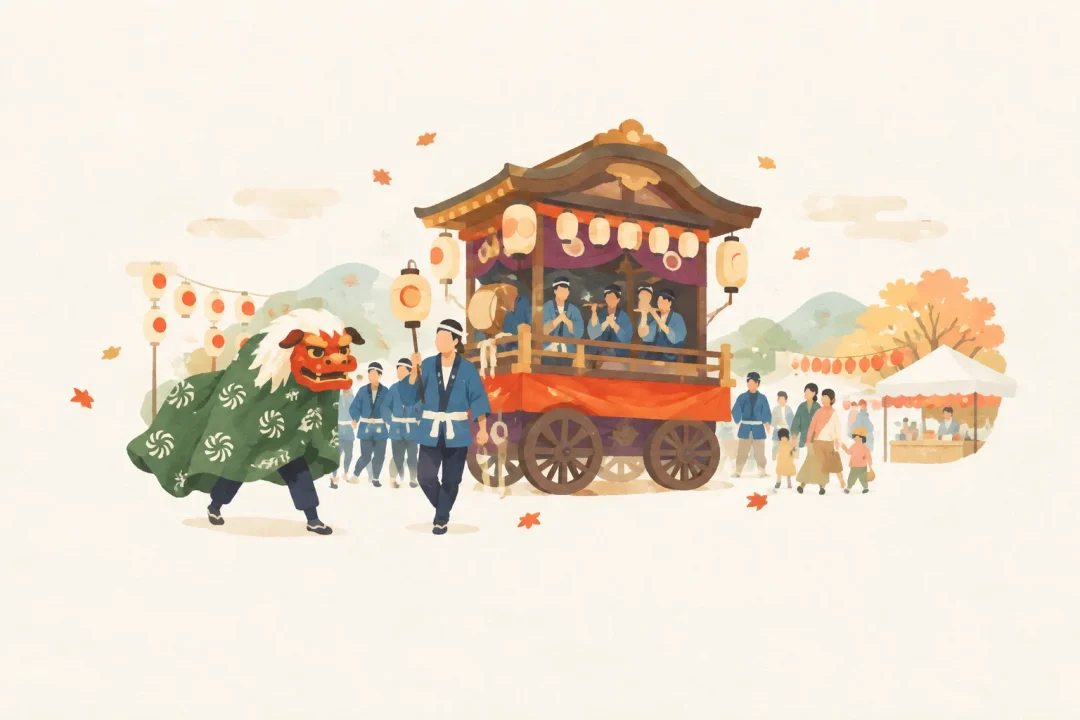
The procession featured diverse scenes, including the Golden Dragon Dance; Minamoto no Yoritomo and Hojo Masako; Tokugawa Ieyasu; ladies of the Ooku; a daimyo procession; the raid of the loyal retainers; Edo kabuki; and the opening of Japan to Western influence.
A distinctive feature was the procession of costumes and performances by 30 teams, about 1,600 people, moving around Sensoji Temple and bringing a historical picture scroll to life in the streets.
A grand procession tracing Edo-Tokyo history through Asakusa
What to expect
The procession set off from the plaza north of the main hall of Sensoji Temple, continued through the streets of Asakusa, and headed for the western end of Kaminarimon Street.
The program included the manifestation of the Asakusa Kannon, the founding of Edo, Tokugawa Ieyasu’s entry into Edo, sankin-kotai (alternate attendance), the Genroku Cherry Blossom Dance, Edo kabuki, the arrival of the Black Ships, and the opening of Japan to Western influence.
Spectators could enjoy watching the participants in period costumes and the performances pass by in sequence from along the route.
How to take part
The Tokyo Jidai Matsuri Executive Committee has since disbanded, and the festival itself has ended, so it cannot be presented as an event open to general participation.
In the past, about 1,600 people formed the procession in 30 teams, with participants said to have been made up of local residents and volunteers.
Source: 東京時代まつり(東京都)の見どころ|Nipponexus
Location and access
- Venue and address
The procession set off from the plaza north of the main hall of Sensoji Temple and traveled as far as the western end of Kaminarimon Street.
- Address
2-3-1 Asakusa, Taito City, Tokyo.
- Train and bus
It is a 5-minute walk to the main hall of Sensoji Temple from Asakusa Station on the Tobu Isesaki Line, Tokyo Metro Ginza Line, or Tsukuba Express, and a 7-minute walk from Asakusa Station on the Toei Asakusa Line.
Address Around 2-3-1 Asakusa, Taito City, Tokyo
Dates and season
- Frequency
Held annually, but ended after the 2013 festival
Accommodation and hotels PR
Showing nearby accommodation.
Prices and availability are current at the time of retrieval. For multi-night stays, only the first night’s price is shown. Confirm the final price and directions to the venue with the booking provider. Select your dates again when using the area search link. Search area: within 3 km of Central Tokyo Metropolis / Taito City (the search is not centered on the festival venue)
Tips for your visit
When the festival was held in the past, it went ahead in light rain and was canceled in severe weather.
The procession passes through the streets from around Sensoji Temple along Umamichi-dori and Kaminarimon-dori, so it is important to watch from a place that does not obstruct traffic.
However, the festival has now ended, so you cannot watch the procession in person in 2026.
Nearby attractions
Sensoji Temple, which served as the setting for the procession, is closely associated with the festival’s historic atmosphere.
Nakamise Street, the approach to Sensoji Temple, is lined with shops where visitors can experience Asakusa’s old Edo charm.
The Sumida River and Tokyo Skytree are also nearby, and the area is presented as a sightseeing destination to visit alongside Asakusa’s history and scenery.

上野恩賜公園
東京都の公園
写真:The original uploader was Sdalu at English Wikipedia . / CC BY-SA 3.0
Photo source ·
上野東照宮
東京都台東区の神社

国立科学博物館
東京都台東区にある国立博物館

国立西洋美術館
東京にある美術館

恩賜上野動物園
東京都台東区にある動物園

東京国立博物館
東京都台東区にある国立博物館

東京都美術館
東京都台東区にある美術館

浅草神社
東京都台東区の神社
Origins and History of Tokyo Jidai Festival
The Tokyo Jidai Festival began in 1988 and has used processions around Sensoji Temple to depict history from Edo to Tokyo.
It was held on Culture Day every year on November 3, with 25 editions through its final year in 2013.
The 2014 event was canceled due to the impact of Taito City’s improper accounting issue, and plans to resume it in 2015 did not come to fruition.
The executive committee was subsequently set to disband, bringing its 25-year history to a close.
Official information
The Tokyo Jidai Festival was organized by the Tokyo Jidai Festival Executive Committee.
Past information listed the Tokyo Metropolitan Government, Taito City, and others as supporters.
Tokyo Jidai Festival at a Glance
The Tokyo Jidai Festival was a festival held around Sensoji Temple, depicting history from Edo to Tokyo in a grand procession.
30 teams, about 1,600 people in historical costumes, performed scenes including the Golden Dragon Dance, a daimyo procession, Edo kabuki, and the opening of Japan to Western influence on the streets of Asakusa.
It was held 25 times between 1988 and 2013, but has since ended, and there are no plans to hold it in 2026.
Japanese Festivals.jp Editorial Team
Celebrating local culture and helping you discover a side of Japan you never knew.
Article updated: 2026/10/19
Submit information or a correction Submit photos of this festival