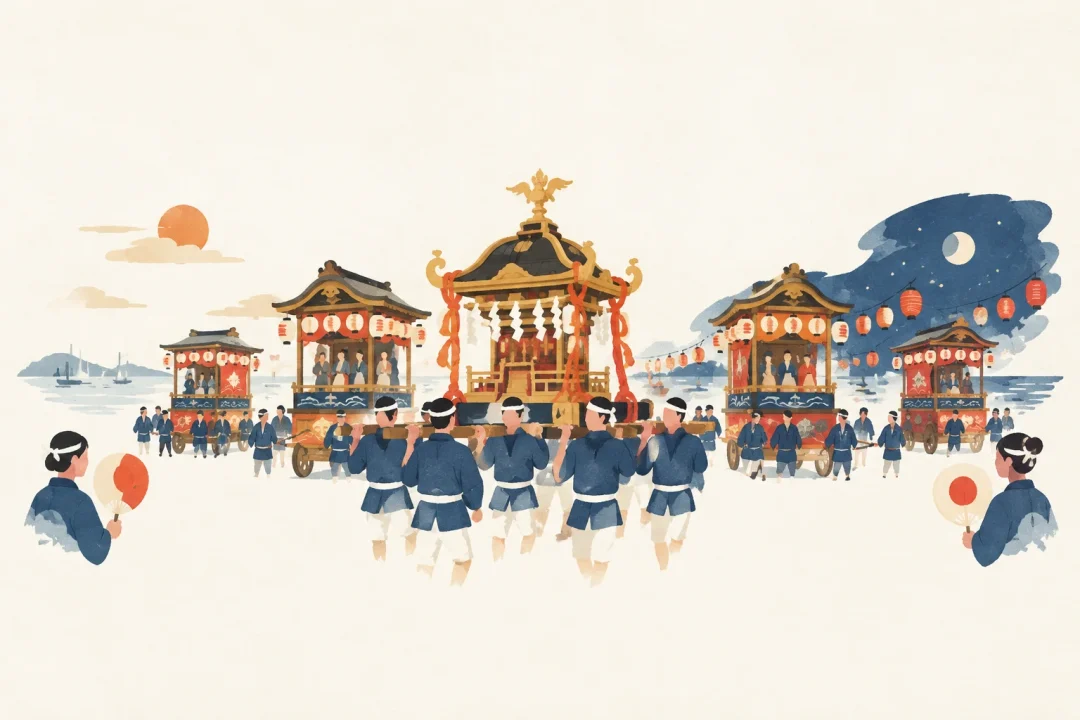
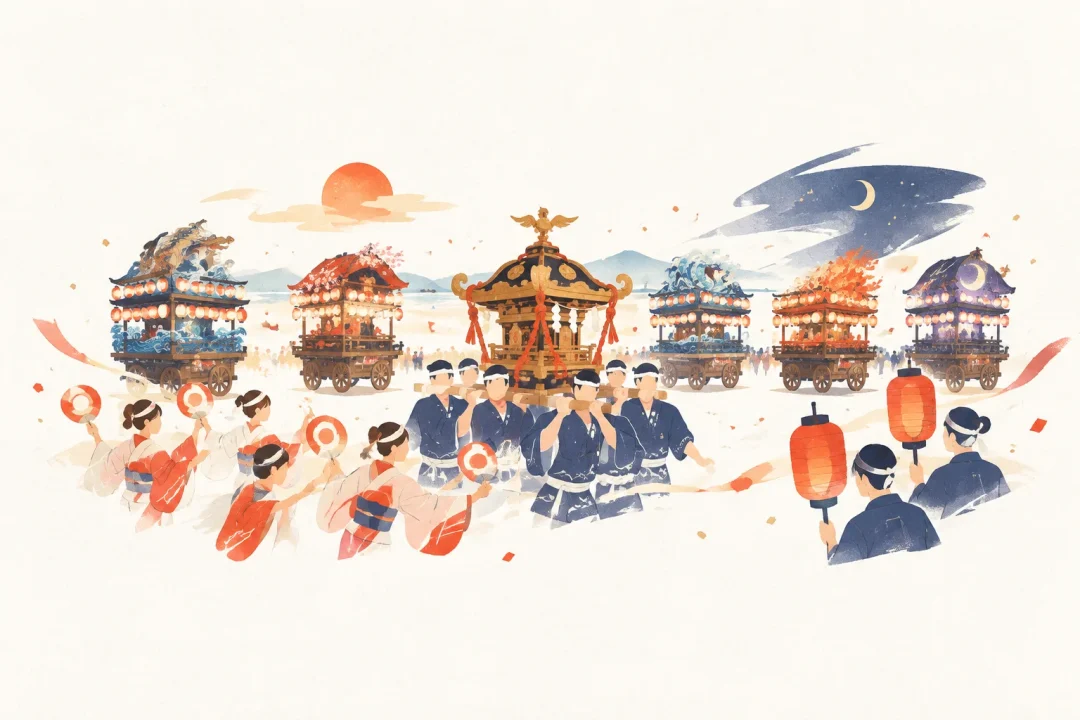
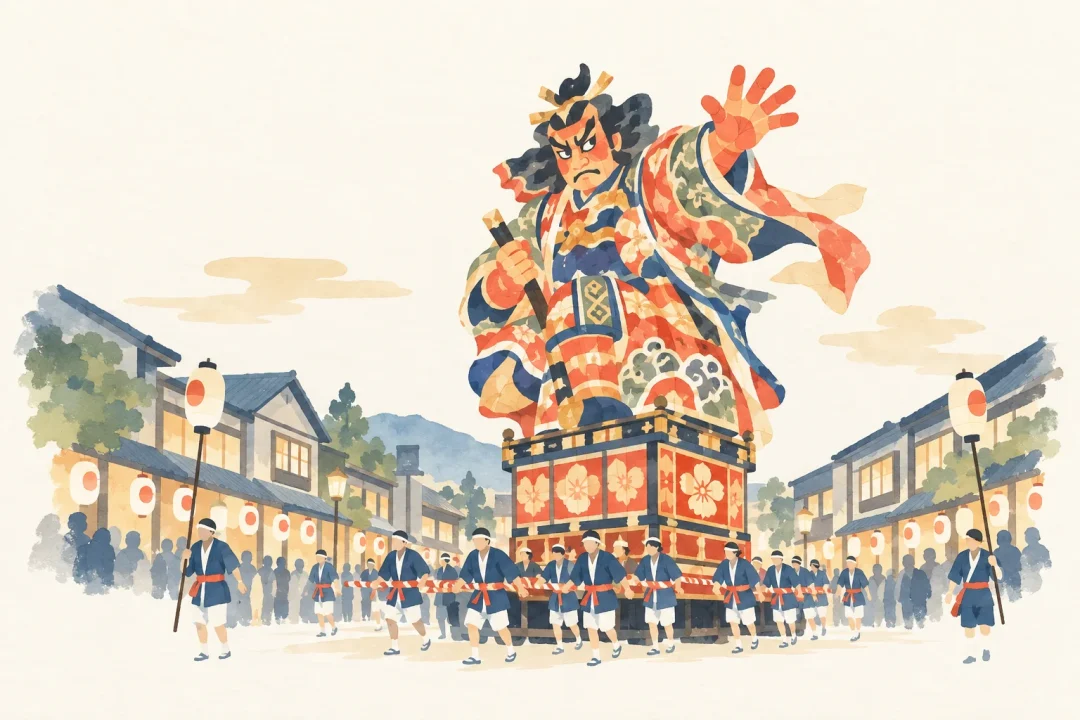
Ohata’s autumn festival, with mikoshi and seven dashi touring the port town
Ohata Festival

The 2026 edition of Ohata Festival has ended.
Festival information
EVENT INFORMATION- Dates
- 2026/09/14 〜 2026/09/16Ended
- Season / frequency
- Every year, September 14–16 / Every year
- Location
- The Ohata district centered on Ohata Hachimangu Shrine, Ohata Fishing Port and the main street
- Area
- Aomori Prefecture・Mutsu City(From Tokyo: approx. 3 h–3 h 30 min · bullet train)Prefecture-level estimate to a main station or airport, not the venue. Airport access, check-in and onward travel are extra; remote areas and islands can take much longer.
- Features
- Highlights and activities
- Participation / viewing
- Spectators welcome
- Last updated
- 2026/10/19
Centered on Ohata Hachimangu Shrine, the Ohata Grand Festival features , , and Noh performances traveling through the town and port.
About Ohata Festival
Ohata Festival is the signature festival of the Ohata district, held every September as the annual festival of Ohata Hachimangu Shrine.
The 14th is the eve-of-festival ceremony, while the 15th and 16th are the main festival days, featuring the mikoshi procession and return.
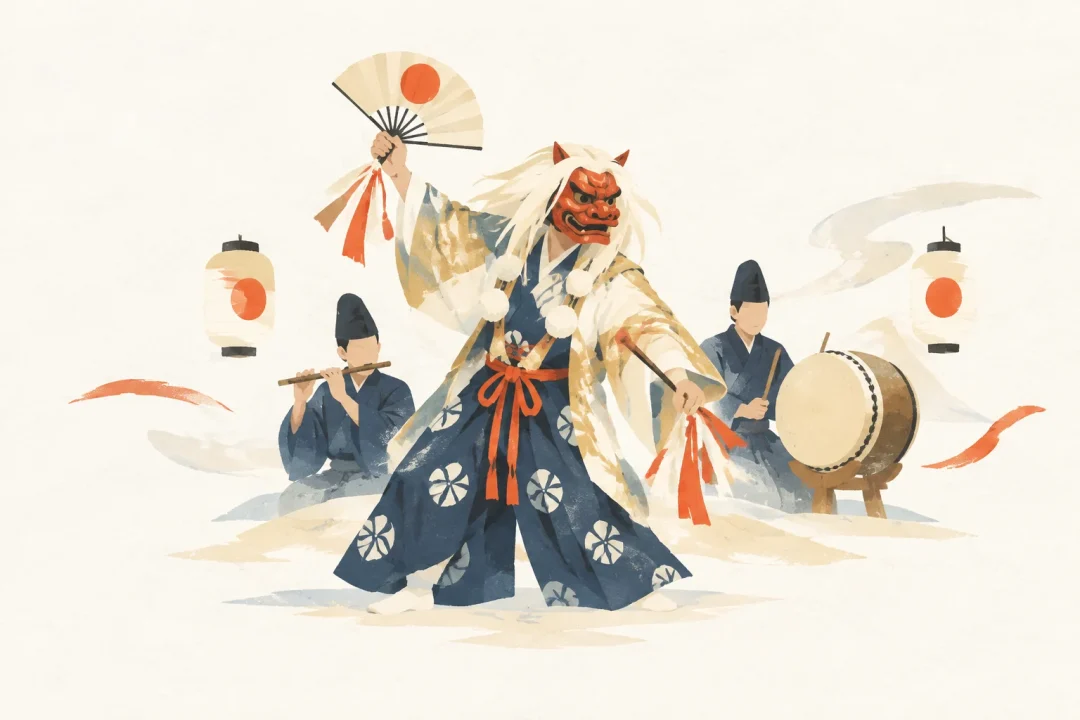
Mikoshi, dashi, kagura and Noh performances travel through town, bringing together local faith and neighborhood performing arts, which have been passed down over time.
The procession associated with the mikoshi is designated an Intangible Folk Cultural Property of Aomori Prefecture.
Source: 大畑八幡宮例大祭|観光・文化・スポーツ|むつ市
Festival highlights
A highlight is the procession, with kagura, Noh performances and dashi accompanying the mikoshi.
Each dashi represents a neighborhood. Seven appear: Hachimanyama, Kuramayama, Myojinmaru, Hojokai, Hoeikai, Nakajimayama and Tennyo-maru.
On the final day, shore prayers are held at Ohata Fishing Port. In the evening, Noh and kagura are performed simultaneously along the main street, and the dashi perform lively music.
Ohata’s autumn festival, with mikoshi and seven dashi touring the port town
What to expect
The festival begins with the eve-of-festival ceremony on the 14th, featuring dashi processions and performances of Noh and kagura.
On the 15th, the mikoshi sets out from the shrine, accompanied by a procession featuring kagura and dashi, and heads to Kasuga Shrine.
On the 16th, the procession travels from Kasuga Shrine to Ohata Fishing Port for shore prayers, then tours the town and returns to Ohata Hachimangu Shrine.
Each household welcomes the mikoshi and pays its respects. Noh performances and kagura make stops at gates to drive away and cleanse misfortune.
How to take part
Visitors can watch the event.
Location and access
- Venue and address
The festival is held mainly at Ohata Hachimangu Shrine (46 Minamimachi, Ohata, Mutsu, Aomori).
On the final day, Ohata Fishing Port and the main street also serve as procession routes.
- Train and bus
From JR Shimokita Station, take the Shimokita Kotsu bus on the Mutsu–Sai Line for about 36 minutes, get off at Ohata Kamishinmachi, then walk about 5 minutes.
- By car
About 27 minutes from JR Shimokita Station.
- Parking
Please use nearby paid parking.
Source: 大畑八幡宮例大祭|スポット・体験|【公式】青森県観光情報サイト Amazing AOMORI
Address 46 Minamimachi, Ohata, Mutsu, Aomori
Dates and season
2026 event information (the listed dates have passed)
The event was announced as scheduled for 3 days, from September 14 (month) through the 16th (Wednesday), in 2026.
On the 14th, the eve-of-festival ceremony runs from 7 p.m. to 9:30 p.m. The main festival takes place on the 15th and 16th, from 9 a.m. to 9 p.m. each day.
From the 14th to the 16th, the schedule includes the mikoshi procession and return, dashi processions, Noh performances and kagura.
Accommodation and hotels PR
Showing nearby accommodation.
Prices and availability are current at the time of retrieval. For multi-night stays, only the first night’s price is shown. Confirm the final price and directions to the venue with the booking provider. Select your dates again when using the area search link. Search area: within 3 km of Central Aomori Prefecture / Mutsu City (the search is not centered on the festival venue)
Nearby attractions
Nearby attractions listed for the Ohata Hachimangu Shrine Grand Festival include Ohata Seaside Park, the Daianji Temple Flower Festival and the Mutsu Science and Technology Museum.
All are listed as nearby spots on the Ohata Hachimangu Shrine Grand Festival information page.
If visiting alongside the festival, please check each facility’s operating status and visitor information.
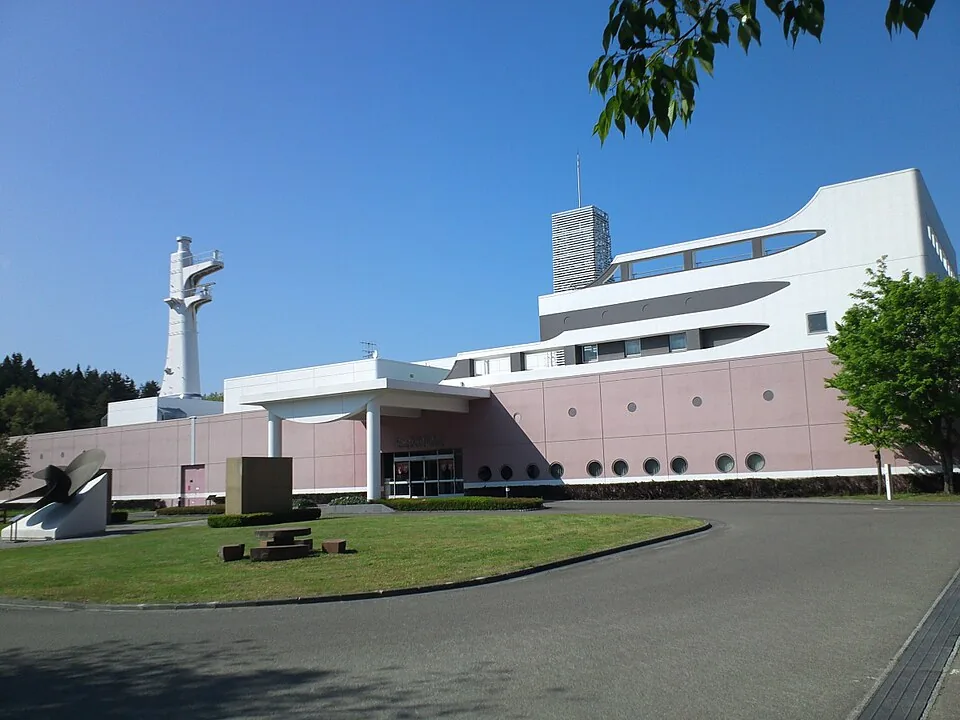
むつ科学技術館
青森県むつ市にある科学館
写真:kitakame / CC BY 3.0(resized and reformatted)
Photo source ·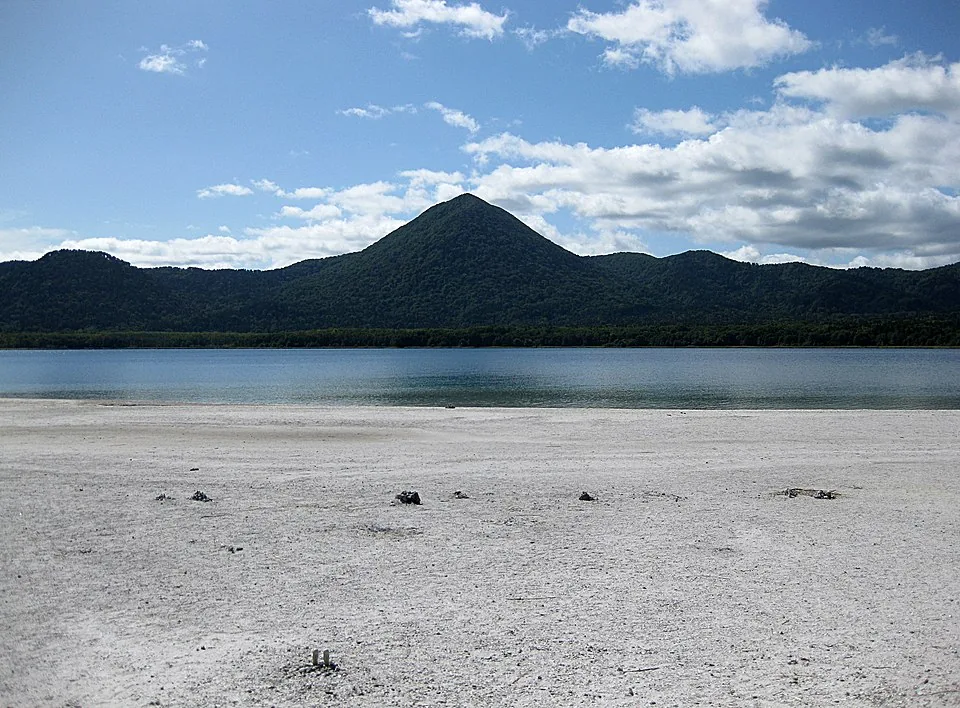
恐山
日本の青森県にある火山
写真:Douglas P Perkins ( Douglaspperkins ( talk )) / CC BY 3.0(resized and reformatted)
Photo source ·Origins and History of Ohata Festival
Ohata Hachimangu Shrine has long been a local shrine that has drawn the faith of the community. Villagers from nearby areas have supported the festival by performing kagura and serving as laborers.
Records state that in Kyoho 3 (1718), Hachimanyama set out from Honmachi, and in Kyoho 6 (1721), a decorative float emerged from Higashimachi.
Over time, dashi were added and the procession evolved into its present form, through events including the loss of festival equipment in fires and the separation of neighborhoods.
Official information
Official information is available on Mutsu City’s “Ohata Hachimangu Shrine Grand Festival” page.
The page includes the venue, the sequence of festival events, the procession route, and information about the dashi, Noh performances and kagura.
For inquiries, contact the Ohata Hachimangu Shrine office.
Ohata Festival at a Glance
Ohata Festival is the annual festival of the Ohata district in Mutsu City, with mikoshi, 7 dashi, kagura and Noh performances traveling through town, centered on Ohata Hachimangu Shrine.
The festival unfolds across the shrine, port and neighborhoods: the eve-of-festival ceremony on the 14th, the procession on the 15th, and the shore prayers and return procession on the 16th.
The dashi music, kagura and Noh performances offer a chance to experience the local festival culture passed down over approximately 300 years.
Japanese Festivals.jp Editorial Team
Celebrating local culture and helping you discover a side of Japan you never knew.
Article updated: 2026/10/19
Submit information or a correction Submit photos of this festival