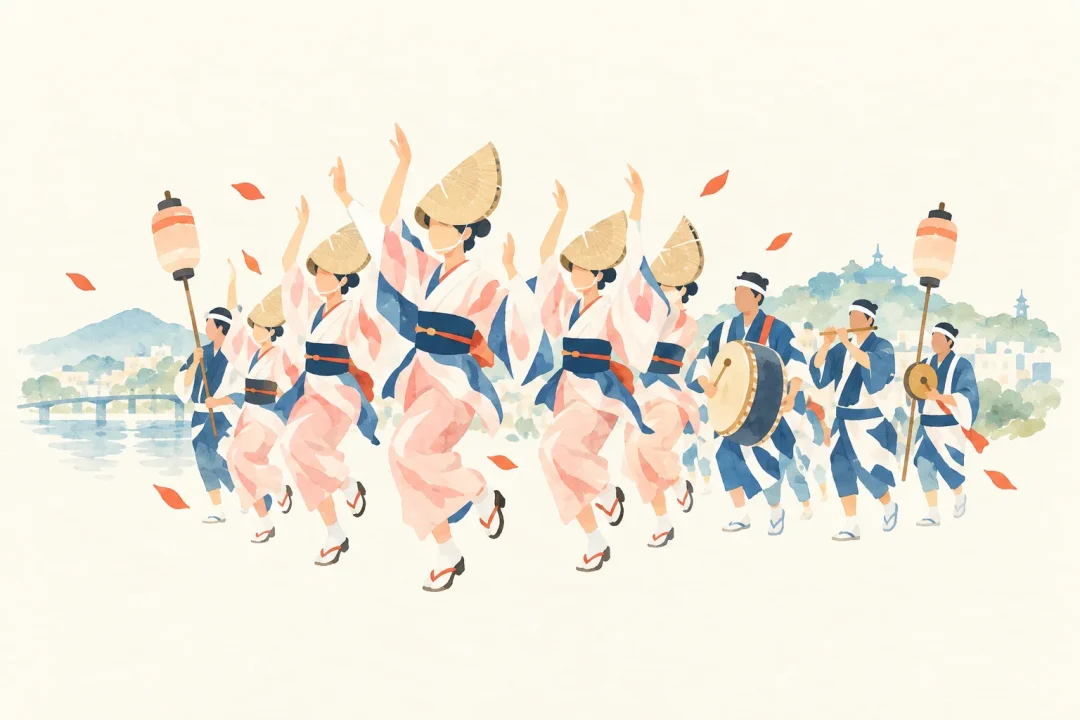
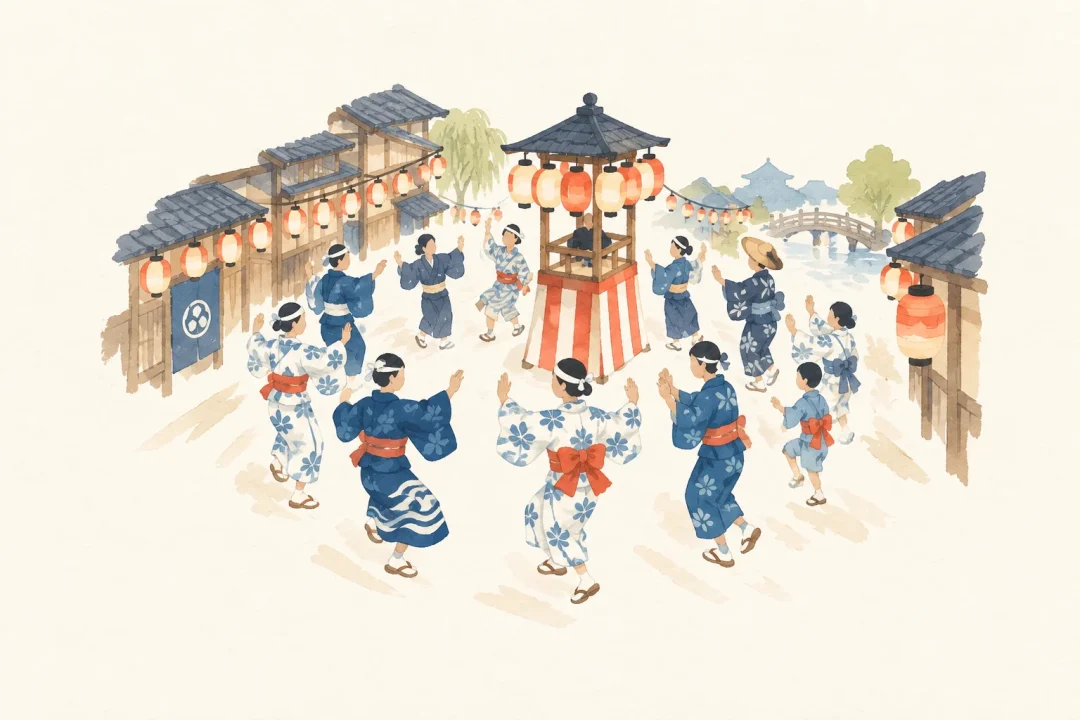
From Hei-mukae to the O-no-mai and shishimai: a harvest festival passed down in Miyashiro
Yumi Shrine Grand Festival
Festival information
EVENT INFORMATION- Season / frequency
- Every year on May 1 / Every year
- Location
- Yumi Shrine
- Area
- Fukui Prefecture・Mihama Town(From Tokyo: approx. 2 h 50 min–3 h 20 min · bullet train)Prefecture-level estimate to a main station or airport, not the venue. Airport access, check-in and onward travel are extra; remote areas and islands can take much longer.
- Highlights and activities
- Wishes behind the festival
- Last updated
- 2026/11/12
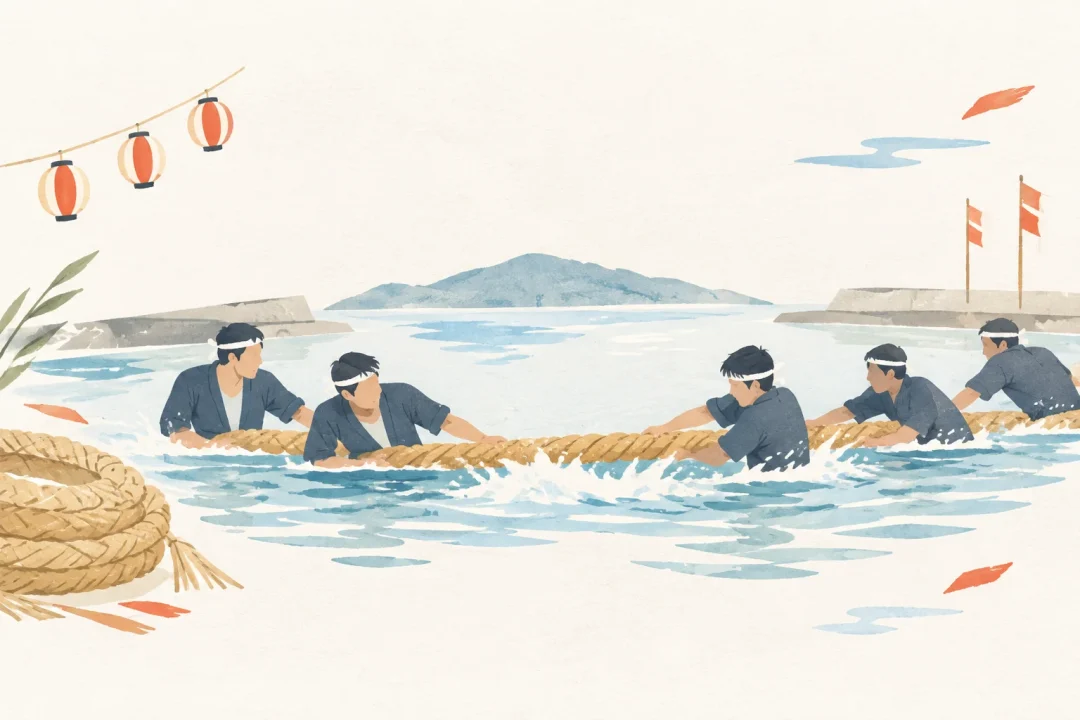
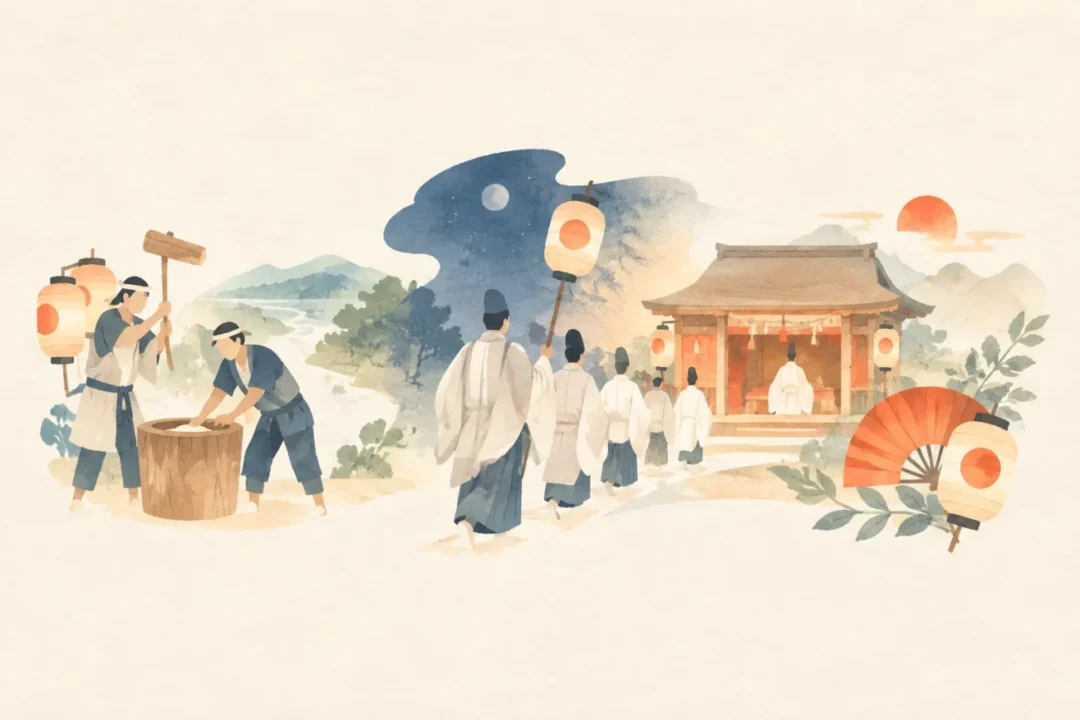
The annual grand festival, praying for a bountiful harvest, is held at Yumi Shrine in Miyashiro, Mihama Town. A local traditional event, it features Hei-mukae and Hei-oshi, followed by offerings of the O-no-mai and .
About Yumi Shrine Grand Festival
The Yumi Shrine Grand Festival is held every year on May 1 in Miyashiro, Mihama Town.
As part of the festival praying for a bountiful harvest, all the communities take part in Hei-mukae and Hei-oshi.
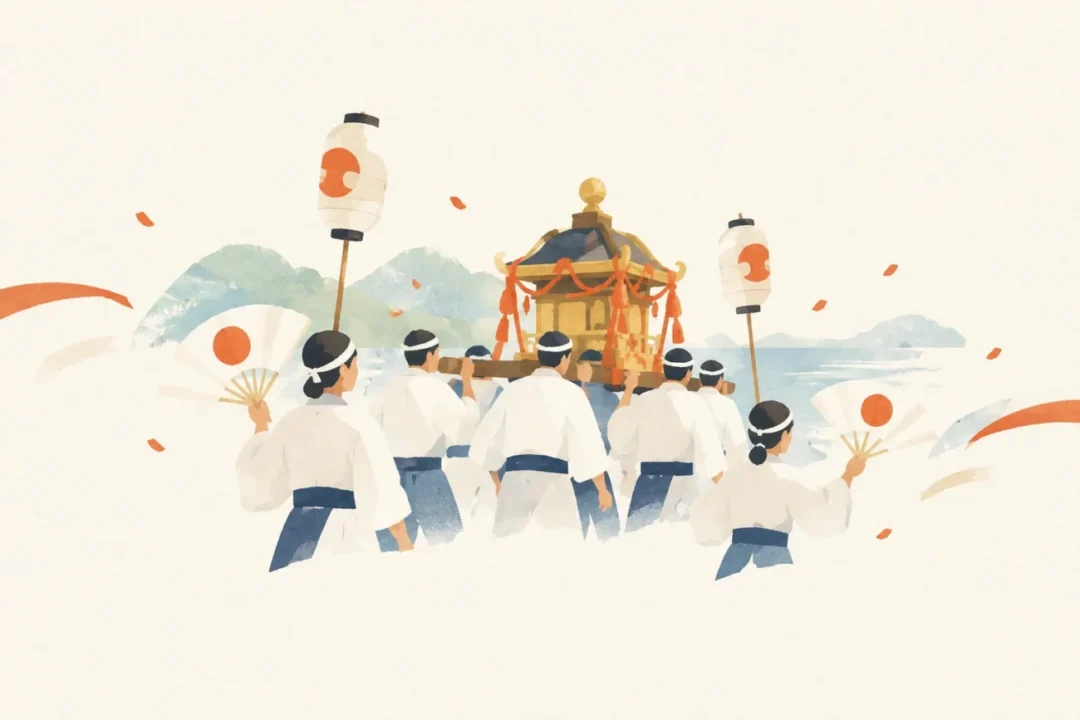
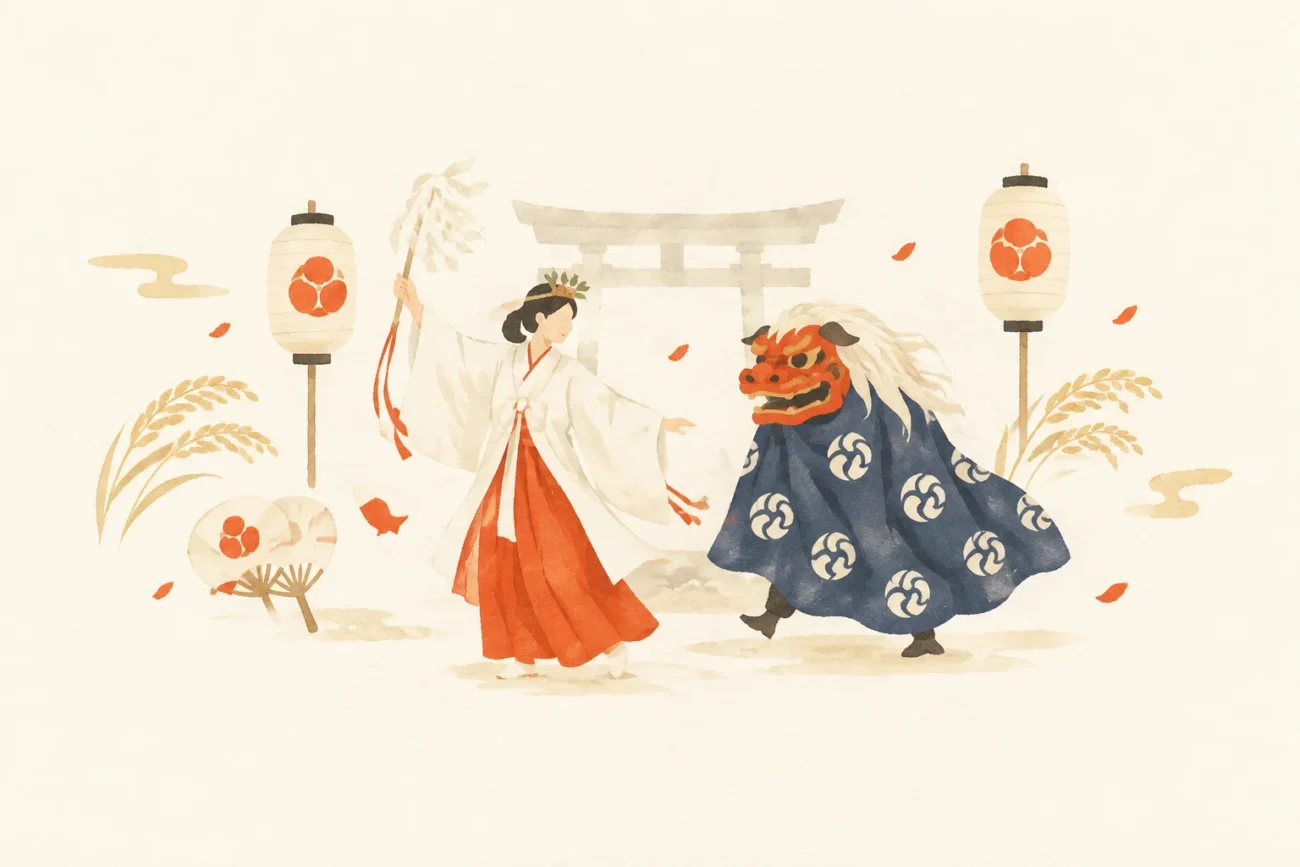
Afterward, the O-no-mai, featuring phoenix crowns, and the shishimai are offered, carrying the region’s religious faith and traditional performing arts into the present.
Festival highlights
Highlights include Hei-mukae and Hei-oshi, held at the start of the festival in all the ujiko communities.
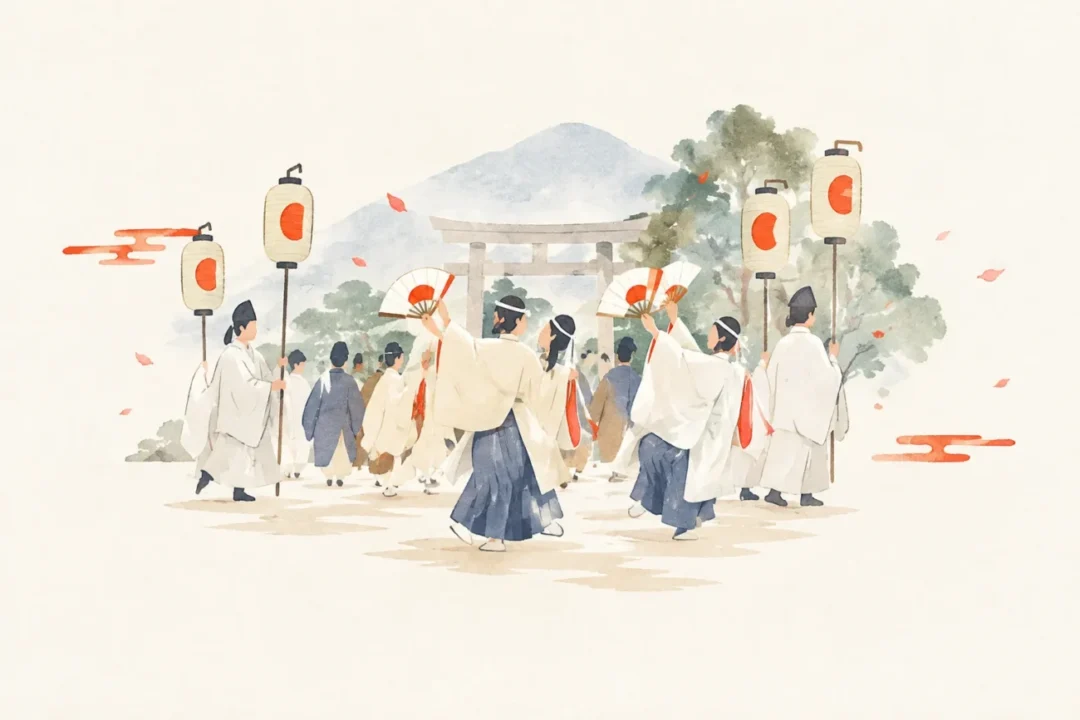
Next, the O-no-mai is performed as an offering, with dancers wearing phoenix crowns moving gracefully.
In contrast, the shishimai is performed vigorously, giving the festival a range of distinct styles.
The O-no-mai is designated an intangible folk cultural property by the prefecture, and the grand festival by the town.
From Hei-mukae to the O-no-mai and shishimai: a harvest festival passed down in Miyashiro
What to expect
At the festival, all the ujiko communities first take part in Hei-mukae, followed by Hei-oshi.
The offerings include the O-no-mai, performed by dancers wearing phoenix crowns, and the shishimai.
The O-no-mai is said to be graceful, while the shishimai is vigorous, giving each a distinct character.
No information is provided about how members of the public can participate or the conditions for viewing.
Location and access
- Venue and address
Yumi Shrine, Miyashiro, Mihama Town
Event venue 福井県美浜町 弥美神社
This map uses the venue name. Check the official guide for the event area and entrances.
Dates and season
- Season
Every year on May 1
- Frequency
Every year
Accommodation and hotels PR
Showing nearby accommodation.
Prices and availability are current at the time of retrieval. For multi-night stays, only the first night’s price is shown. Confirm the final price and directions to the venue with the booking provider. Select your dates again when using the area search link. Search area: within 3 km of Central Fukui Prefecture / Mihama Town (the search is not centered on the festival venue)
Nearby attractions

若狭国吉城歴史資料館
日本の福井県三方郡美浜町にある博物館
Origins and History of Yumi Shrine Grand Festival
The Yumi Shrine Grand Festival is held every year as a festival praying for a bountiful harvest.
The grand festival was designated an intangible folk cultural property by the town in Heisei 10 July 13, and the O-no-mai was designated an intangible folk cultural property by the prefecture in Showa 31 March 12.
Available materials do not give details about the festival’s origins or when it began, but they describe Hei-mukae, Hei-oshi, and offerings of the O-no-mai and shishimai.
Official information
The Mihama Town official website’s “Main Cultural Properties of Mihama Town” page describes the designation categories, dates, and offerings of the Yumi Shrine Grand Festival and the O-no-mai.
Yumi Shrine Grand Festival at a Glance
The Yumi Shrine Grand Festival is a local festival held every year on May 1 in Miyashiro, Mihama Town, to pray for a bountiful harvest.
Hei-mukae and Hei-oshi, performed by all the ujiko communities, are followed by offerings of the O-no-mai, featuring dancers wearing phoenix crowns, and shishimai.
The event is recognized as a local cultural property, with the grand festival designated by the town and the O-no-mai by the prefecture.
Sources and references
Japanese Festivals.jp Editorial Team
Celebrating local culture and helping you discover a side of Japan you never knew.
Article updated: 2026/11/12