A summer in Matsumoto’s castle town, alive with song and mikoshi
Matsumoto Bonbon and Aoyama-sama
Festival information
EVENT INFORMATION- Season / frequency
- The event is generally held from early August through around the period.
- Location
- Various locations in Matsumoto City
- Area
- Nagano Prefecture・Matsumoto City(From Tokyo: approx. 1 h 20 min–1 h 50 min · bullet train)Prefecture-level estimate to a main station or airport, not the venue. Airport access, check-in and onward travel are extra; remote areas and islands can take much longer.
- Highlights and activities
- Wishes behind the festival
- Age restrictions
- Bonbon has traditionally been for girls and Aoyama-sama for boys, but this varies by neighborhood association.
- Last updated
- 2026/10/19
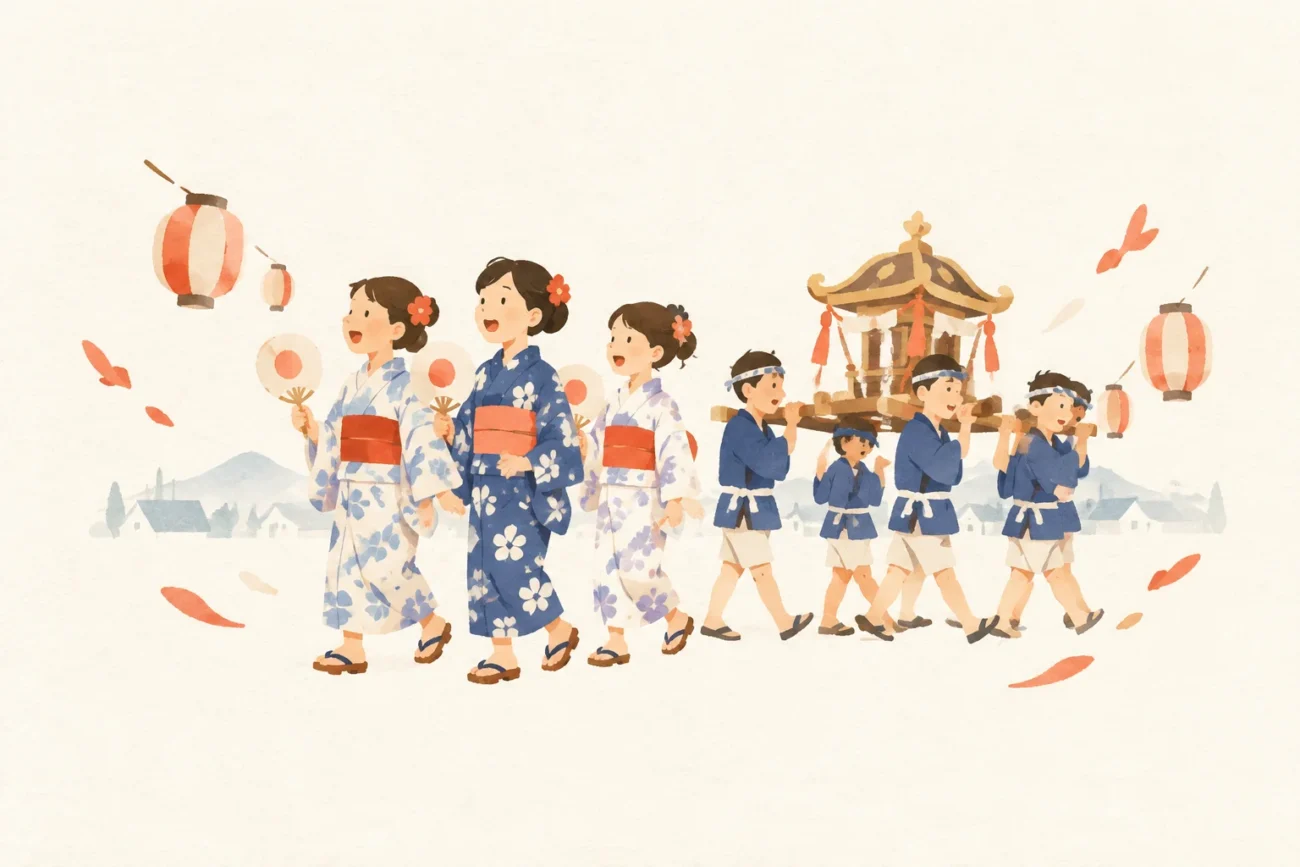
Matsumoto Bonbon and Aoyama-sama is a summer community event unique to Matsumoto, in which children walk through neighborhoods singing and calling out. For Bonbon, girls walk and sing in ; for Aoyama-sama, children carry a from house to house. Said to have continued since around the end of the Edo period, the event has been passed down in close connection with local life.
About Matsumoto Bonbon and Aoyama-sama
Matsumoto Bonbon and Aoyama-sama are two local events passed down in Matsumoto’s castle town.
For Bonbon, girls walk and sing wearing yukata, paper flowers, and Chinese lanterns made from ground cherries. For Aoyama-sama, children carry a mikoshi bearing a banner and visit homes around the neighborhood.
The event is said to have begun around the end of the Edo period, mainly in Honmachi, Nakamachi, and Higashimachi. It has since spread to residential areas on the outskirts.
It is also designated as an Intangible Folk Cultural Property Selected by Nagano Prefecture.
Source: 松本のぼんぼん・青山様 - 松本市ホームページ
Festival highlights
A highlight of Bonbon is seeing the children walk through the neighborhood singing, with paper flowers in their hair, Chinese lanterns made from ground cherries hanging from their yukata, and wearing pokkuri clogs.
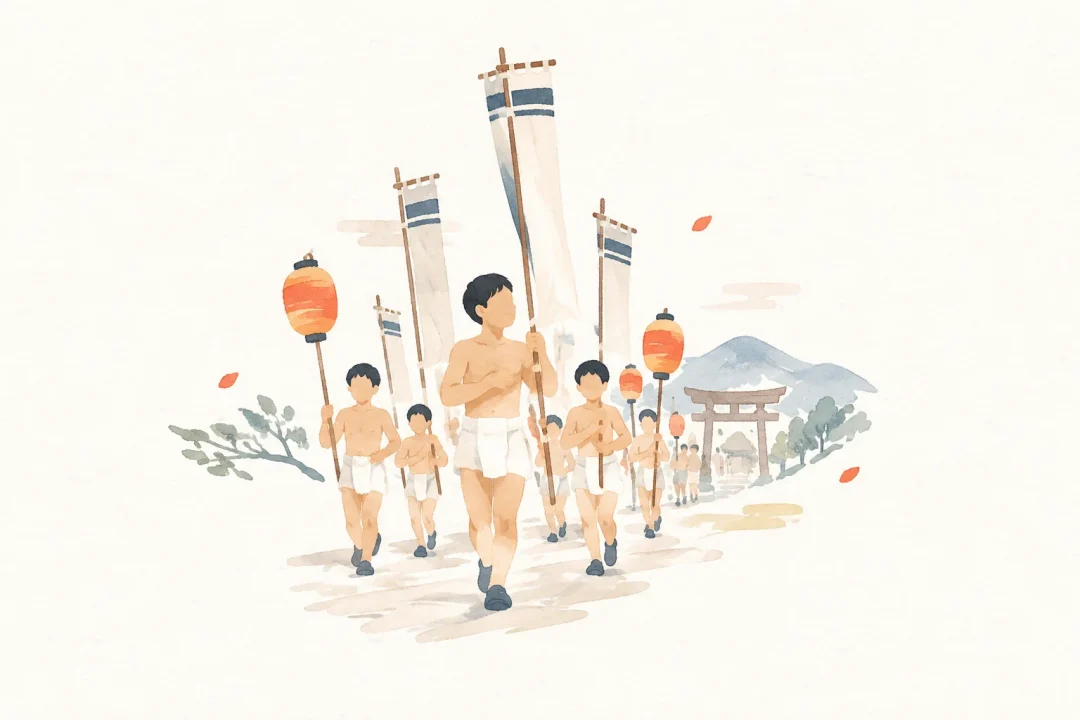
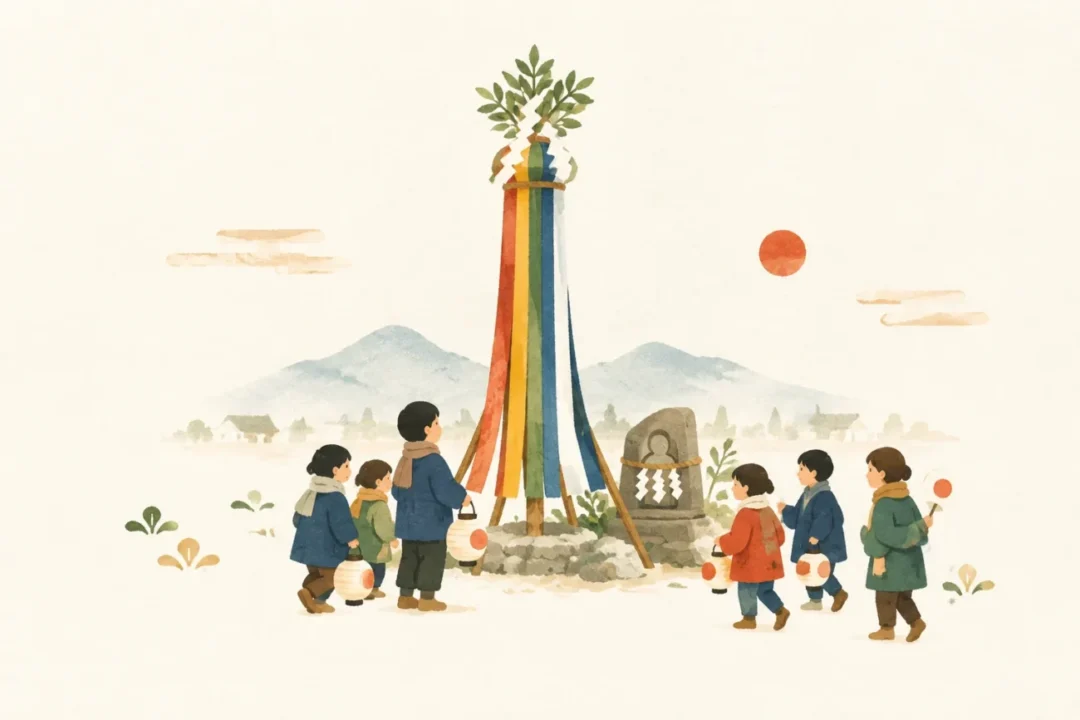
For Aoyama-sama, a mikoshi bearing a small banner for “Aoyama ” and calls from the participants move through the neighborhood.
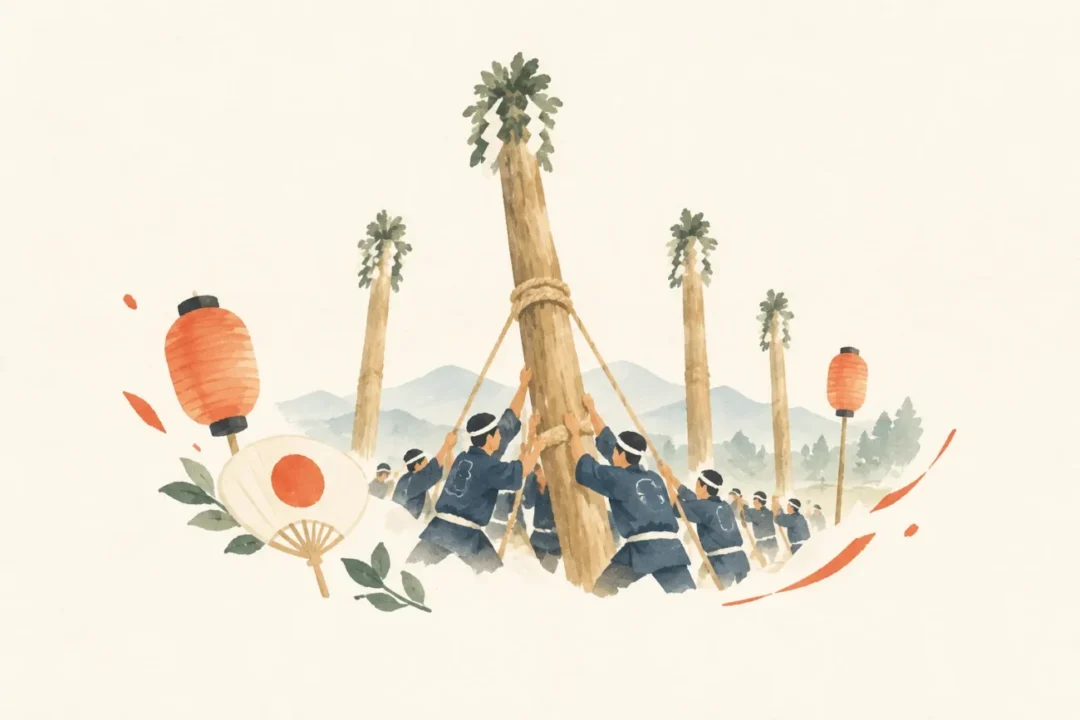
The mikoshi is decorated with green cedar branches, said to welcome the spirits of ancestors, and the way it is carried, the roles, and the use of flutes, bells, and vary by neighborhood association.
A summer in Matsumoto’s castle town, alive with song and mikoshi
What to expect
For Bonbon, participating children dress up and walk through the neighborhood singing.
For Aoyama-sama, children divide up roles by school grade, such as carrying the mikoshi, carrying a stand on which to rest it, or carrying a donation box, and visit homes while calling out.
In some neighborhoods, the event also includes visiting a jinja or a departure ceremony, or shaking the mikoshi in front of homes; the proceedings vary from place to place.
How to take part
This is a children’s event organized mainly by neighborhood associations, and it is not described as an event where general visitors may freely join the procession.
Bonbon has traditionally been a girls’ event and Aoyama-sama a boys’ event, though in recent years girls have also taken part in Aoyama-sama in some neighborhoods.
If you watch, it is best to observe from a little distance so as not to obstruct the local procession or visits to homes.
Location and access
- Venue and address
Various locations in Matsumoto City.
The event moves through each neighborhood.
Address Various locations in Matsumoto City, Nagano Prefecture
Dates and season
- Season
The event is generally held from early August through around the Obon period.
Accommodation and hotels PR
Showing nearby accommodation.
Prices and availability are current at the time of retrieval. For multi-night stays, only the first night’s price is shown. Confirm the final price and directions to the venue with the booking provider. Select your dates again when using the area search link. Search area: within 3 km of Central Nagano Prefecture / Matsumoto City (the search is not centered on the festival venue)
Tips for your visit
The timing of the event, the procession route, and whether Bonbon and Aoyama-sama are held vary by neighborhood association.
As the mikoshi and children’s procession visit homes, take care not to block their route or enter the properties they visit without permission.
Even when listening to the calls and songs up close, please remain an observer of the local event and be considerate of those around you when taking photos.
Nearby attractions


旧開智学校
長野県松本市にある明治時代の擬洋風建築の小学校校舎。2019年に近代学校建築として初めて国宝に指定された

松本城
長野県松本市にある城

松本市四賀化石館
長野県松本市にある博物館
写真:photo: Qurren ( talk ) Taken with Canon IXY 10S / CC BY-SA 3.0
Photo source ·
松本市立考古博物館
長野県松本市中山にある博物館

松本市美術館
長野県松本市にある美術館

乗鞍岳
飛騨山脈南部の長野県松本市と岐阜県高山市にまたがる山
Origins and History of Matsumoto Bonbon and Aoyama-sama
Bonbon and Aoyama-sama are said to have begun around the end of the Edo period, mainly in Honmachi, Nakamachi, and Higashimachi.
The event spread from the castle town to new residential areas on the outskirts, but there was a period when it fell into decline, partly due to a decrease in the number of children.
Around Showa 60, a group of local volunteers was formed to preserve and pass on the tradition. It has supported its continuation by holding gatherings and song workshops, and the event has been growing lively again in recent years.
Official information
The Matsumoto City Department of Culture and Tourism’s Cultural Properties Division introduces “Matsumoto Bonbon and Aoyama-sama.”
It is designated as an Intangible Folk Cultural Property Selected by Nagano Prefecture. For inquiries, contact the Cultural Properties Division’s Cultural Properties Team.
Matsumoto Bonbon and Aoyama-sama at a Glance
Matsumoto Bonbon and Aoyama-sama is a local Matsumoto event consisting of children walking through the neighborhood singing Bonbon songs and Aoyama-sama, in which children carry a mikoshi from house to house.
The children’s costumes and roles are distinctive, including yukata, paper flowers, Chinese lanterns made from ground cherries, and a mikoshi decorated with green cedar branches.
As the details and schedule vary by neighborhood association, visitors should respect how each community conducts the event and quietly observe its atmosphere.
Japanese Festivals.jp Editorial Team
Celebrating local culture and helping you discover a side of Japan you never knew.
Article updated: 2026/10/19
Submit information or a correction Submit photos of this festival