Kakumagawa’s Bon Odori, carried on through bonfires and hayashi music
Kakumagawa Bon Odori
The 2026 edition of Kakumagawa has ended.
Festival information
EVENT INFORMATION- Dates
- 2026/08/14Ended
- Season / frequency
- Every year on August 14 / Every year
- Location
- Old Gosan-kei-mae Main Street, Kakumagawamachi
- Area
- Akita Prefecture・Daisen City(From Tokyo: approx. 3 h 40 min–4 h 10 min · bullet train)Prefecture-level estimate to a main station or airport, not the venue. Airport access, check-in and onward travel are extra; remote areas and islands can take much longer.
- Highlights and activities
- Participation / viewing
- Open to public participation / spectators welcome
- Participation fee
- Free
- Last updated
- 2026/10/22
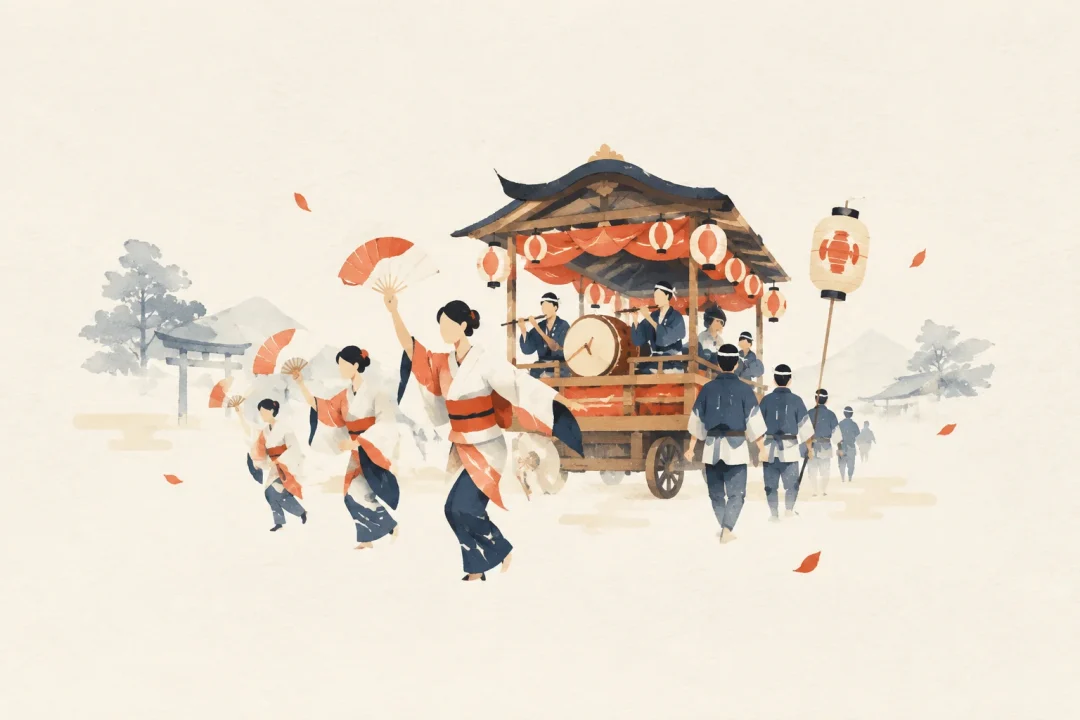
Kakumagawa Bon Odori, which dates back to the Edo period, is an Intangible Folk Cultural Property of Daisen City. Dancers form a circle in and woven hats to the sound of flute and drum music. Local children also help carry on the tradition.
About Kakumagawa Bon Odori
Kakumagawa Bon Odori is a Bon dance passed down in Kakumagawamachi, Daisen City, Akita Prefecture, and is designated an Intangible Folk Cultural Property of Daisen City.
It originated in the Edo period, when the town prospered through water transport on the Omono River, and the preservation society carries on the dance and hayashi music.
Children from local nursery schools, elementary schools, and junior high schools also join the dancing, helping pass the town’s traditional culture on to the next generation.
Source: 角間川町盆踊り 開催案内
Festival highlights
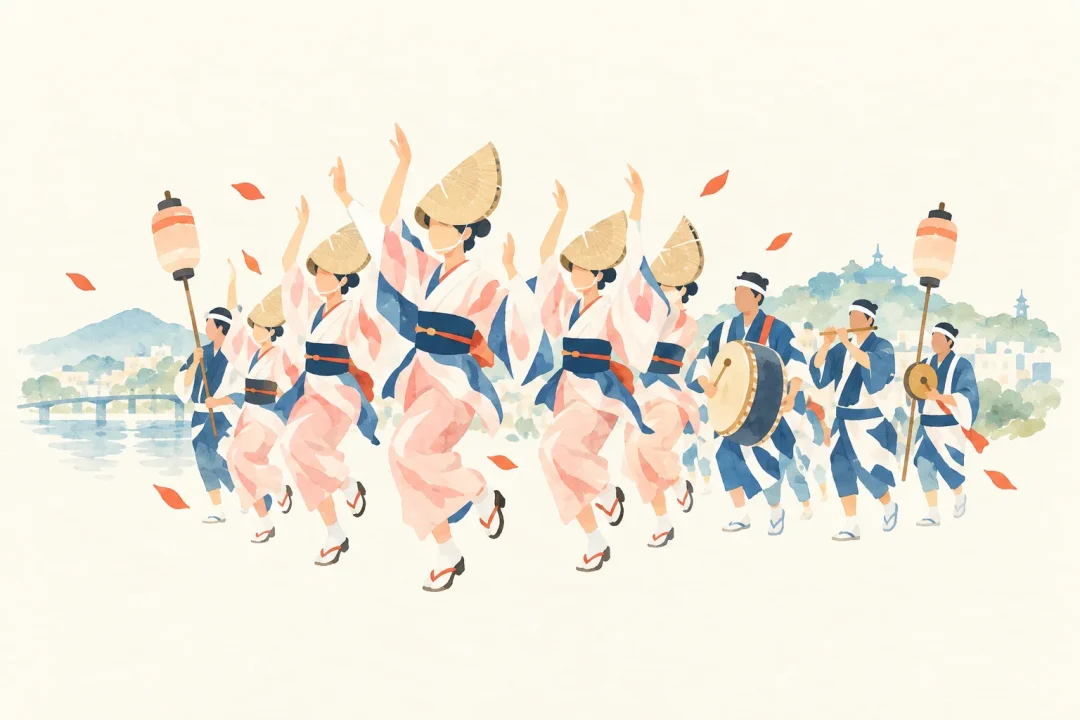
A highlight is the group of dancers in matching yukata and woven hats, moving to the sound of flute and drum hayashi music.
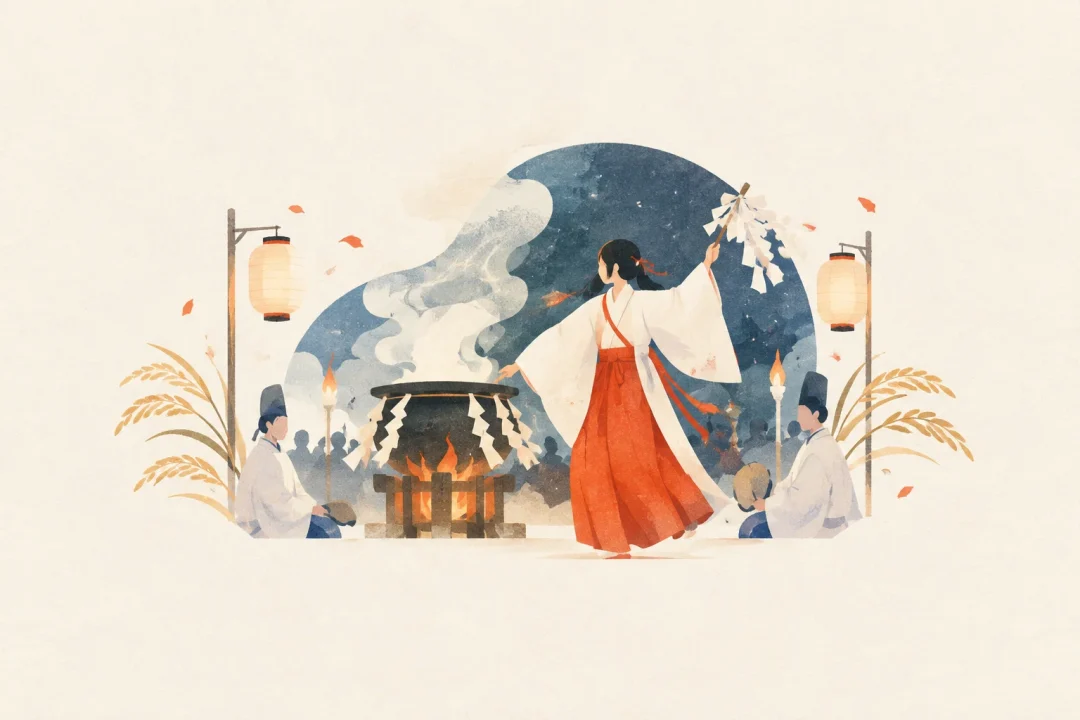
On the main street facing the former Gosan-ke, dancers form a circle around bonfires and members of the preservation society and local children dance with graceful, flowing movements.
Near the venue, visitors can also see historic residences of former landowning families, including the Hongo, Arakawa, and Kitajima family homes.
Kakumagawa’s Bon Odori, carried on through bonfires and hayashi music
What to expect
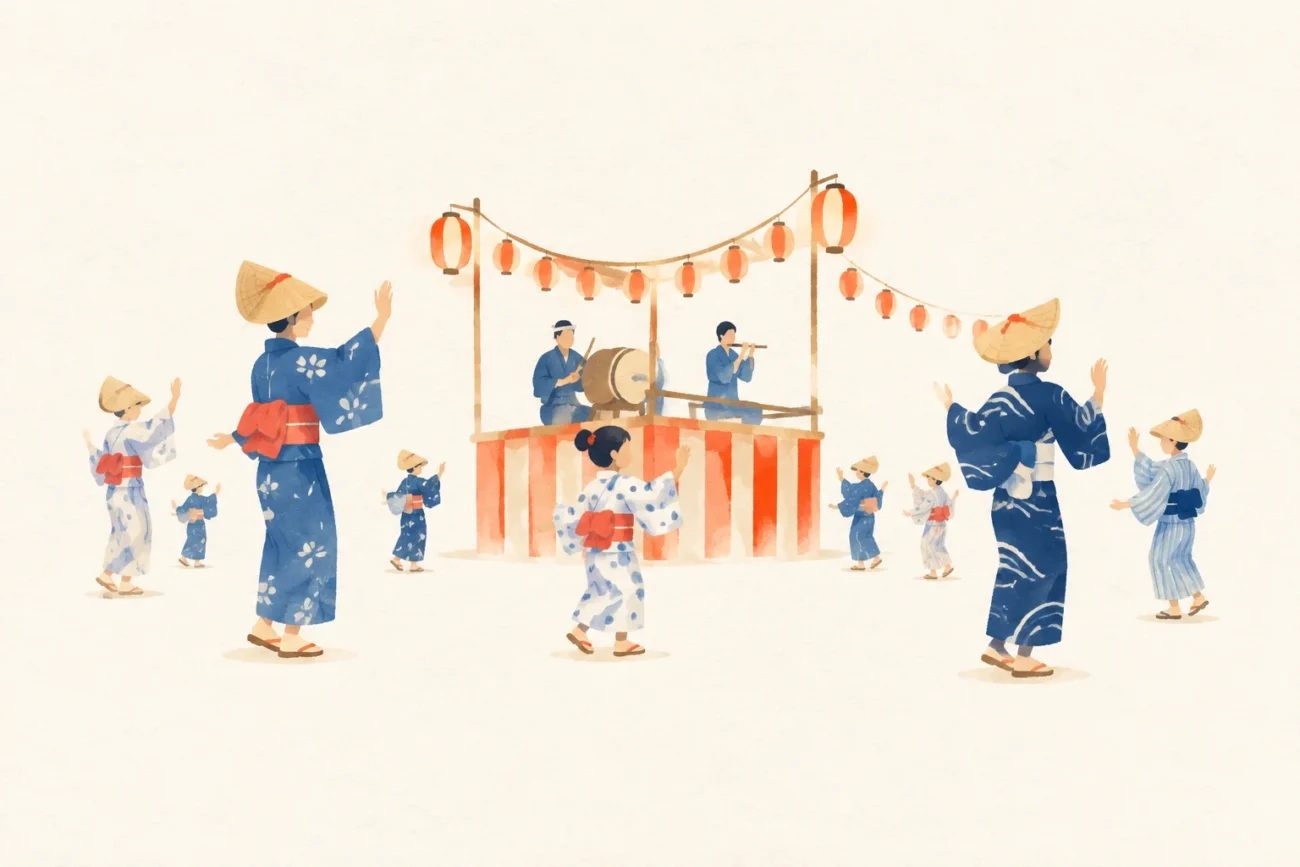
During the main event, dancers form a circle to the sound of flutes, drums, and hayashi music, with members of the preservation society and local children taking part.
Each year, the preservation society holds dance and hayashi practice sessions and carries on the tradition at Kakumagawa Nursery School and local elementary and junior high schools.
Official yukata, hats, and other items are available to borrow; those interested can apply to the preservation society.
Source: 角間川町盆踊り 参加案内
How to take part
Participation is open to everyone, not just members of the preservation society or local residents; visitors and Bon Odori enthusiasts from other areas are welcome to dance freely.
Clothing is up to you, and everyday clothes are welcome.
Since general participation and costume rental conditions are announced separately, you must apply in advance if you wish to borrow a yukata or similar item.
No advance application is required to join the dancing, and clothing is up to you.
Official yukata, obi, woven hats, and sandals can be borrowed by reserving them through the preservation society office.
There are 30 sets in total for men and women; rentals are not on a first-come, first-served basis and close when supplies run out.
Location and access
- Venue and address
Old Gosan-kei-mae Main Street, Kakumagawamachi / 1, Azayotsukamachi, Kakumagawamachi, Daisen City
- Train and bus
Get off at Naka-kamimachi bus stop on the Ugo Kotsu bus
- By car
About 15 minutes from JR Omagari Station
- Parking
Use parking near the venue; 50 spaces
Source: 【地図・アクセス】 - 角間川盆踊り(秋田県大仙市) - 夏休みおでかけガイド2026
Address 1, Azayotsukamachi, Kakumagawamachi, Daisen City
Dates and season
2026 event information (the listed dates have passed)
2026年8月14日(金)19:00〜21:00に開催予定と案内されていました。
The event goes ahead in light rain; in rainy weather, it is held at Kakumagawa Community Center.
Accommodation and hotels PR
Showing nearby accommodation.
Prices and availability are current at the time of retrieval. For multi-night stays, only the first night’s price is shown. Confirm the final price and directions to the venue with the booking provider. Select your dates again when using the area search link. Search area: within 3 km of Central Akita Prefecture / Daisen City (the search is not centered on the festival venue)
Tips for your visit
The event goes ahead in light rain, but in rainy weather the venue changes to Kakumagawa Community Center.
During the regular event, Kakumagawa Main Street is closed to traffic, so visitors arriving by car should use parking near the venue.
If you would like to borrow a yukata or hat, reserve one with the preservation society office well in advance, as quantities are limited.
Source: 角間川町盆踊り 公式HP
Nearby attractions
On the main street facing the venue, visitors can see historic residences of former landowning families, including the Hongo family home, a Registered Tangible Cultural Property of Japan, as well as the Arakawa and Kitajima family homes.
These buildings are located near the Kakumagawa Bon Odori venue and are notable sights connected with the festival’s historic streetscape.
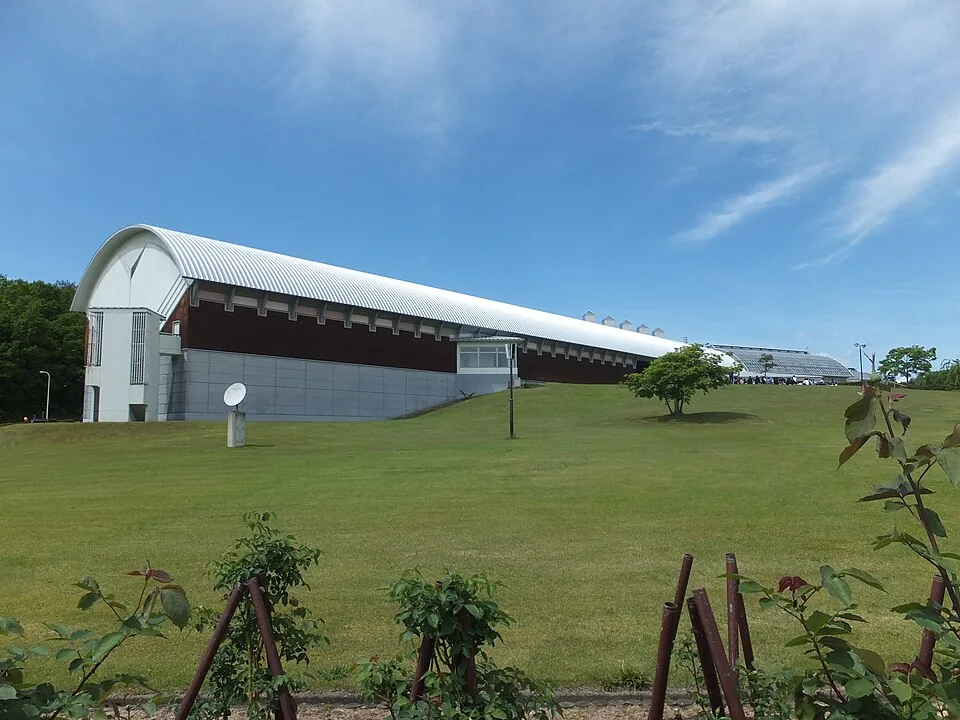
秋田県立農業科学館
秋田県大仙市にある博物館
写真:掬茶 / CC BY-SA 4.0(resized and reformatted)
Photo source ·
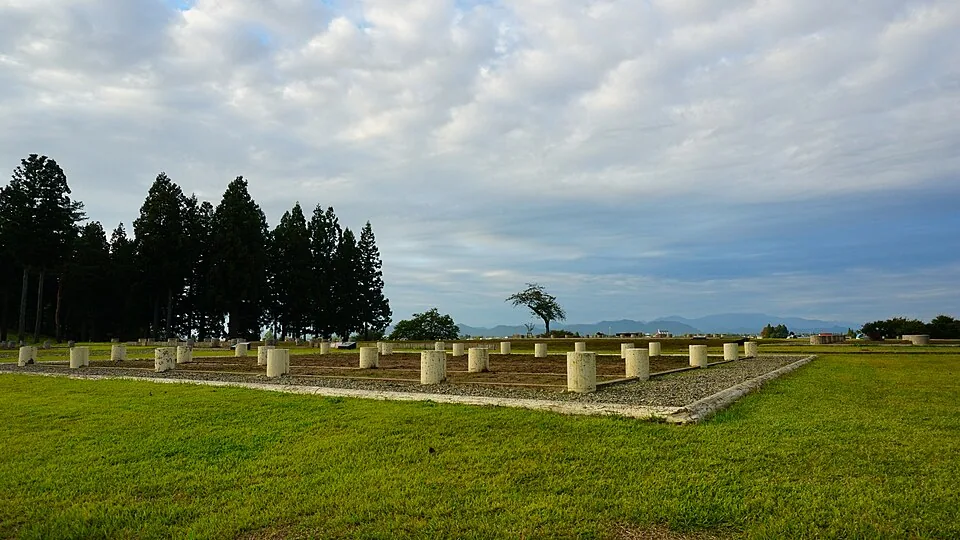
払田柵跡
秋田県大仙市・美郷町にある古代城柵遺跡
写真:掬茶 / CC BY-SA 4.0(resized and reformatted)
Photo source ·Origins and History of Kakumagawa Bon Odori
Kakumagawa Bon Odori is said to have originated in the Edo period, when Kakumagawamachi prospered through water transport on the Omono River.
It was designated an Intangible Folk Cultural Property of former Omagari City in 1967, and is now an Intangible Folk Cultural Property of Daisen City.
The preservation society holds practice sessions at local schools and elsewhere, passing traditional dances and hayashi music on to the next generation.
Official information
角間川盆踊り公式HP:角間川町盆踊り 公式HP
Kakumagawa Bon Odori at a Glance
Kakumagawa Bon Odori is a local Bon dance that originated in the Edo period and is designated an Intangible Folk Cultural Property of Daisen City.
Its distinctive features include hayashi music played on flutes and drums, yukata and woven hats, and a circle of dancers around bonfires. Children from nursery school through junior high school also carry on the tradition.
Everyone is welcome to join, and yukata and hats are available to borrow.
Japanese Festivals.jp Editorial Team
Celebrating local culture and helping you discover a side of Japan you never knew.
Article updated: 2026/10/22
Submit information or a correction Submit photos of this festival