A traditional Hinata event where yamabushi climb a sacred tree and offer prayers
Hojo-bo’s Shinboku Nobori
The 2026 edition of Hojo-bo’s Shinboku Nobori has ended.
Festival information
EVENT INFORMATION- Dates
- 2026/04/15Ended
- Season / frequency
- Every year on April 15 / Every year
- Location
- Hojo-bo (Hinata Yakushi)
- Area
- Kanagawa Prefecture・Isehara City(From Tokyo: approx. 30 min–1 h · train)Prefecture-level estimate to a main station or airport, not the venue. Airport access, check-in and onward travel are extra; remote areas and islands can take much longer.
- Wishes behind the festival
- Participation / viewing
- Spectators welcome
- Last updated
- 2026/10/19
Shinboku Nobori, passed down at Hinata Yakushi in Isehara City, carries the legacy of Shugendo into the present. It is a series of ceremonial offerings in which yamabushi climb a sacred tree and perform prayers, goma fire rituals, and even mochi throwing.
About Hojo-bo’s Shinboku Nobori
Hojo-bo’s Shinboku Nobori is a traditional event associated with Shugendo, held at events such as the spring grand festival of Hinata Yakushi.
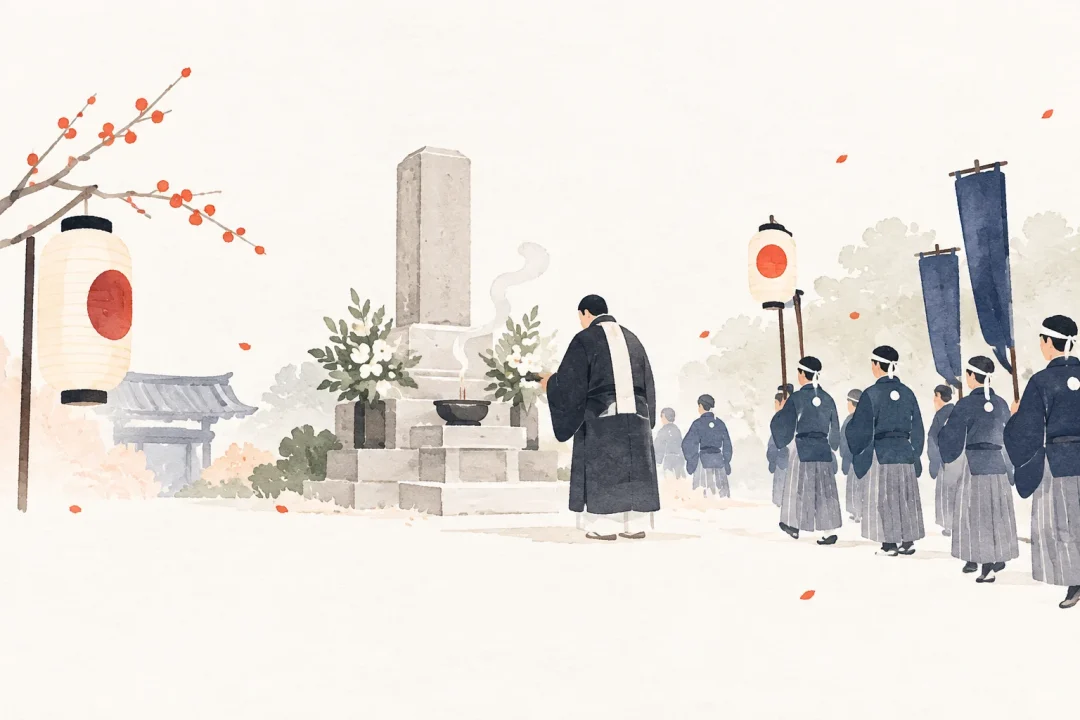
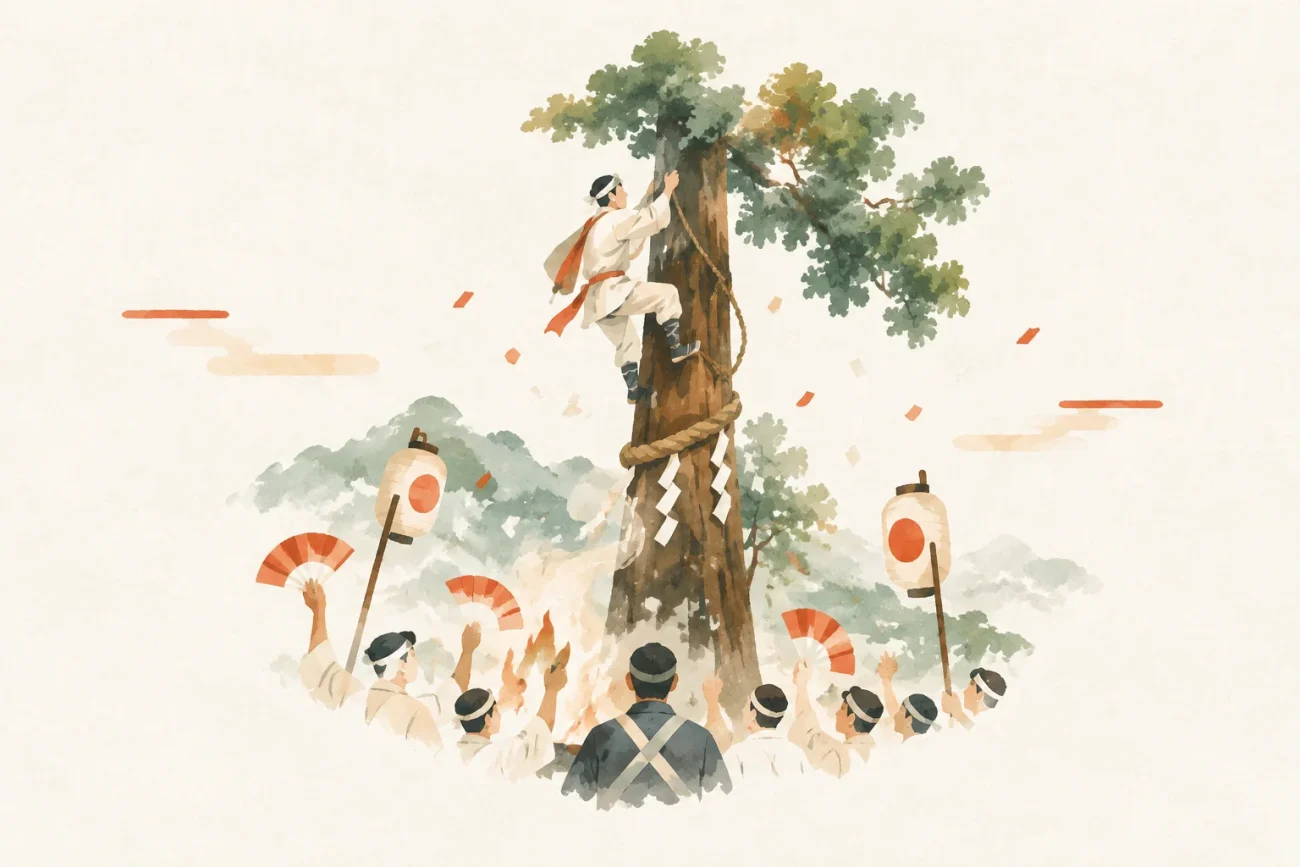
The sight of yamabushi climbing the chinquapin tree in front of the main hall to pray carries on Hinata’s mountain worship and Shugendo culture.
Ryozenji Temple, the predecessor of Hojo-bo, was a training center where many practitioners trained as a focal point of Hinata Shugendo.
Today, local volunteers support the event.
Source: 宝城坊(日向薬師)の「神木のぼり」 | 伊勢原市 / 宝城坊の神木のぼり 文化遺産オンライン
Festival highlights
A major highlight is the sight of yamabushi climbing the sacred tree, which stands about 5 meters tall in the .
The ceremony conveys the legacy of Shugendo through an entrance accompanied by conch-shell blowing, an exchange of questions and answers with yamabushi from elsewhere, and movements wielding a mountain sword.
Another distinctive feature is that it unfolds as a series of rituals, from prayers accompanied by a goma fire ritual to the final mochi throwing.
Source: 伊勢原・日向薬師4月15日に春季例大祭 伝統の「神木のぼり」も | 伊勢原 | タウンニュース
A traditional Hinata event where yamabushi climb a sacred tree and offer prayers
What to expect
During the event, yamabushi enter while blowing conch shells and exchange questions and answers with yamabushi from elsewhere.
After that, the yamabushi climb the chinquapin tree in front of the main hall to pray, then wield a mountain sword to drive away evil.
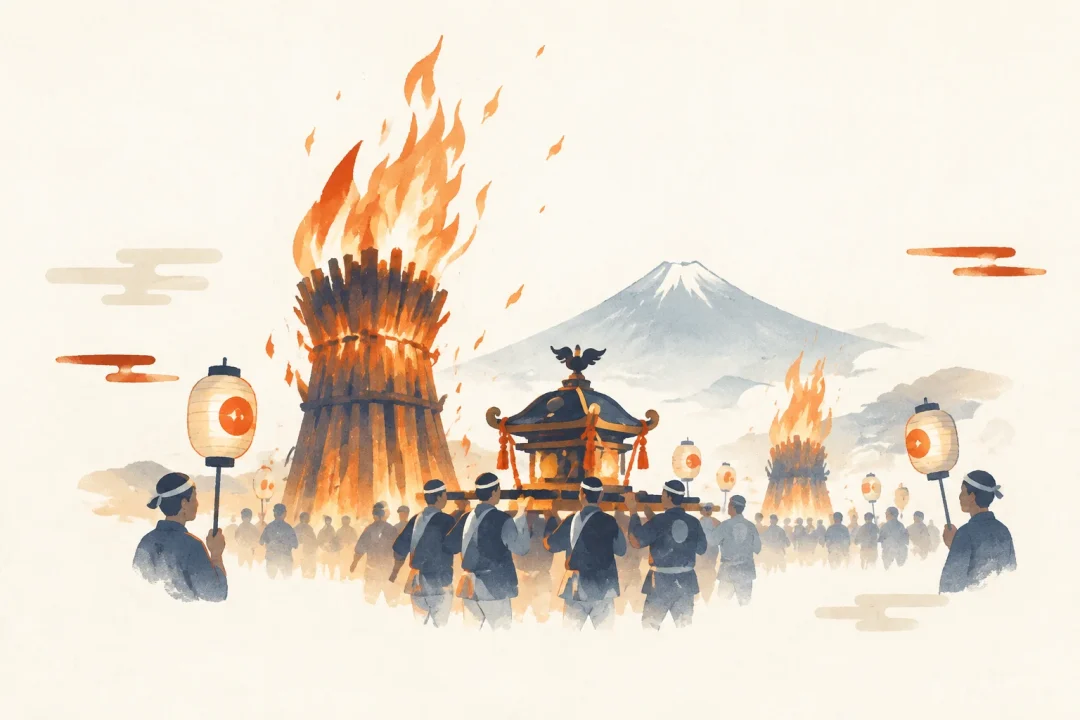
The event concludes with mochi throwing after the goma fire ritual.
How to take part
Shinboku Nobori is a ceremonial offering performed by yamabushi and local volunteers.
General visitors can enjoy the event by watching the rituals and witnessing the prayers and mochi throwing.
Location and access
- Venue and address
Hojo-bo (Hinata Yakushi) / 1644 Hinata, Isehara City, Kanagawa Prefecture
- Train and bus
Take the Kanagawa Chuo Kotsu bus bound for “Hinata Yakushi” from boarding area 3 at the north exit of Isehara Station. Get off at the final stop, “Hinata Yakushi,” and walk for 20 minutes.
Source: 日向 歴史散策 | 日向エリア | (一社)伊勢原市観光協会 公式ホームページ
Address 1644 Hinata, Isehara City, Kanagawa Prefecture
Dates and season
2026 event information (the listed dates have passed)
According to the 2026 event information, the Spring Grand Festival was scheduled for April 15 (Wednesday), from 9 a.m. to 5 p.m., with the sacred tree-climbing ritual to be dedicated from 1 p.m.
The sacred tree-climbing ritual is described as an event held each year on April 15.
Accommodation and hotels PR
Showing nearby accommodation.
Prices and availability are current at the time of retrieval. For multi-night stays, only the first night’s price is shown. Confirm the final price and directions to the venue with the booking provider. Select your dates again when using the area search link. Search area: within 3 km of Central Kanagawa Prefecture / Isehara City (the search is not centered on the festival venue)
Tips for your visit
When visiting cultural properties, shrines, and temples on the grounds, follow the permission and instructions of the people responsible for their management, view them quietly, and take your rubbish with you.
Visitors are advised to watch out for land leeches, bears, fallen trees, and falling branches around Hinata’s cultural properties, depending on the season and location.
Hinata Yakushi may close its gates if the weather worsens, such as in rain or snow.
Source: いせはら文化財サイト | 伊勢原市
Nearby attractions
The Hinata area around the venue has historic shrines and temples, including Hinata Shrine, Jōhatsu Ganji Temple and its inner sanctuary, and Sekiunji Temple.
Hinata Shrine is described as enshrining two deities who helped establish Hinata Yakushi.
Nearby are also Yoroi-zuka, a late Kofun-period circular burial mound, and Katsugoro Jizo, which represents the skills of stonemasons.
Origins and History of Hojo-bo’s Shinboku Nobori
The origins of Shinboku Nobori are unclear, but it is mentioned in the 1817 *Edo Meisho Zue*, suggesting that it was widely known during the Edo period.
Originally, this was a ritual in which practitioners prayed for safety before and after mountain-entry ascetic training.
After it ceased due to the ban on Shugendo in the early Meiji period, it was revived in 1974 as “Shinboku Nobori” and has continued to the present day.
Official information
Isehara City features Hojo-bo (Hinata Yakushi)’s “Shinboku Nobori” as a cultural property.
This official guide provides information on the event’s origins, the sequence of rituals, and the address.
Hojo-bo is also referred to as Hinata Yakushi in Isehara City’s tourism guide.
Source: 日向薬師宝城坊 | 伊勢原市
Hojo-bo’s Shinboku Nobori at a Glance
Hojo-bo’s Shinboku Nobori is a ceremonial offering associated with Shugendo, passed down at Hinata Yakushi.
Yamabushi climb a sacred tree about 5 meters tall and perform exchanges of questions and answers, prayers, movements with a mountain sword, goma fire rituals, and mochi throwing.
It is held around April 15 at events such as Hojo-bo’s spring grand festival. The venue is Hojo-bo, at 1644 Hinata, Isehara City.
Japanese Festivals.jp Editorial Team
Celebrating local culture and helping you discover a side of Japan you never knew.
Article updated: 2026/10/19
Submit information or a correction Submit photos of this festival