A traditional Miyakonojo event entrusting local wishes to a child’s horse and a daimyo procession
Homambo Ageuma

Festival information
EVENT INFORMATION- Location
- Minamikata (Suwa) Shrine
- Area
- Miyazaki Prefecture・Miyakonojo City(From Tokyo: approx. 1 h 40 min–2 h · flight time only)Prefecture-level estimate to a main station or airport, not the venue. Airport access, check-in and onward travel are extra; remote areas and islands can take much longer.
- Wishes behind the festival
- Last updated
- 2026/11/11
Homambo Ageuma is an intangible folk cultural property passed down in Miyakonojo City. A procession centered on a horse carrying a child and packhorses is dedicated at Minamikata (Suwa) Shrine. Alongside wishes for abundant harvests and household safety, distinctive local processions and horse handlers’ songs are passed down.
About Homambo Ageuma
Homambo Ageuma is a rare intangible folk cultural property preserved in Miyakonojo City, Miyazaki Prefecture.
Passed down in Homambo, Takajo Town, it is considered an old-style rite for sending off Sakugami, a deity associated with crops.
A procession centered on a horse carrying a child and packhorses is dedicated at Minamikata (Suwa) Shrine, preserving local traditions and adaptations.
Festival highlights
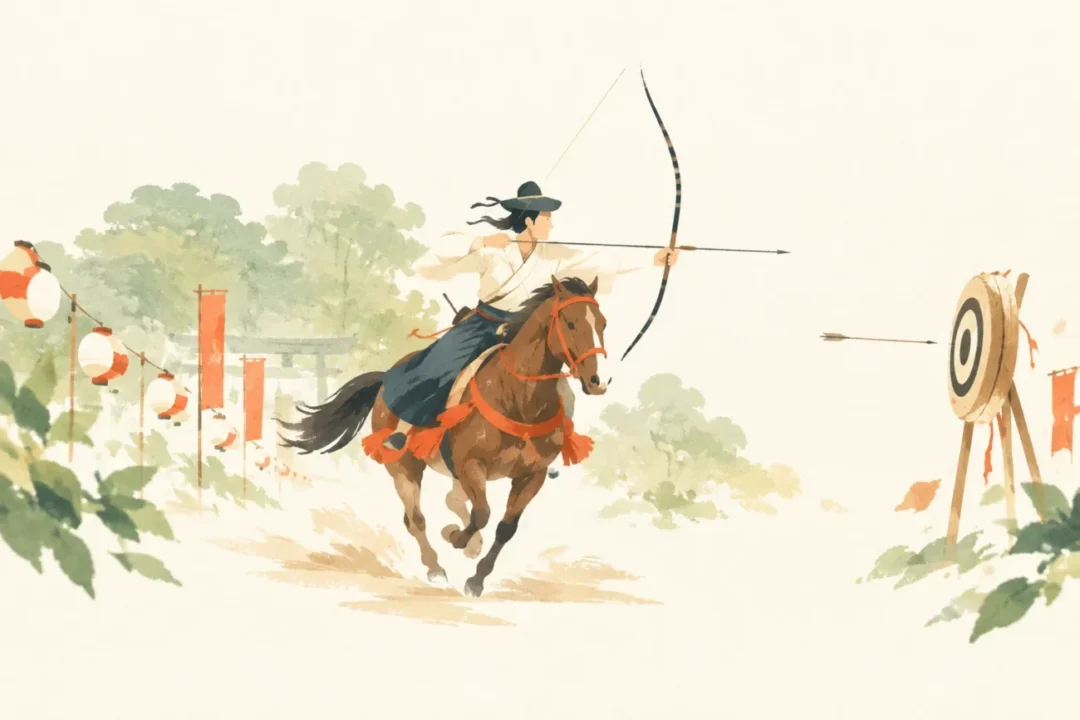
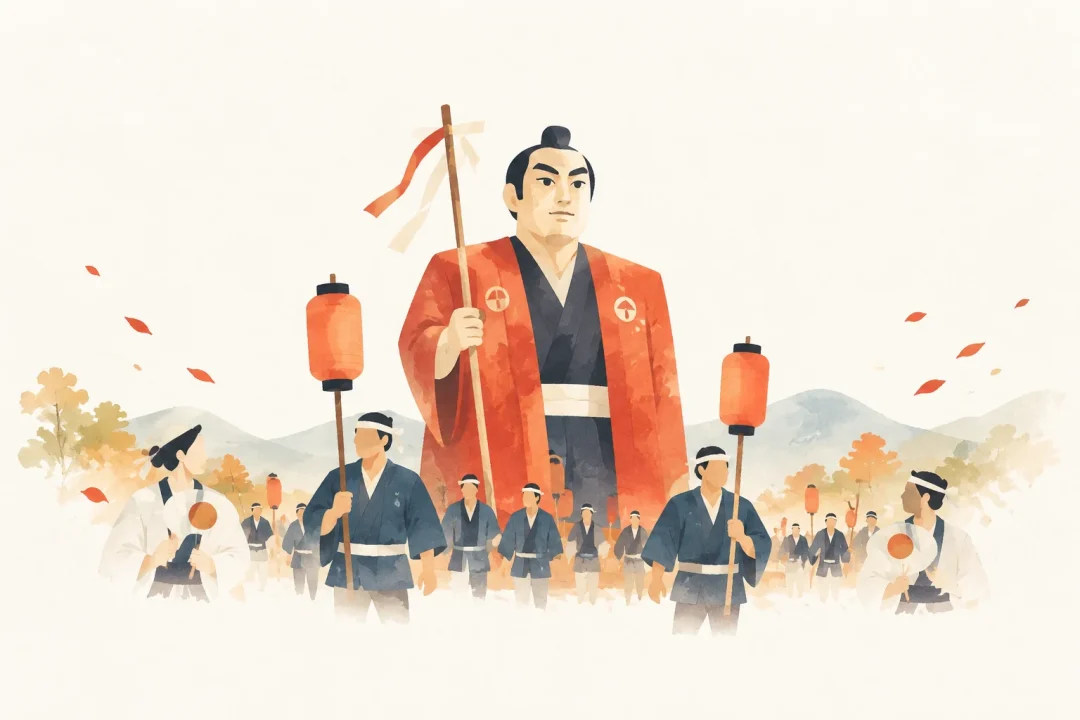
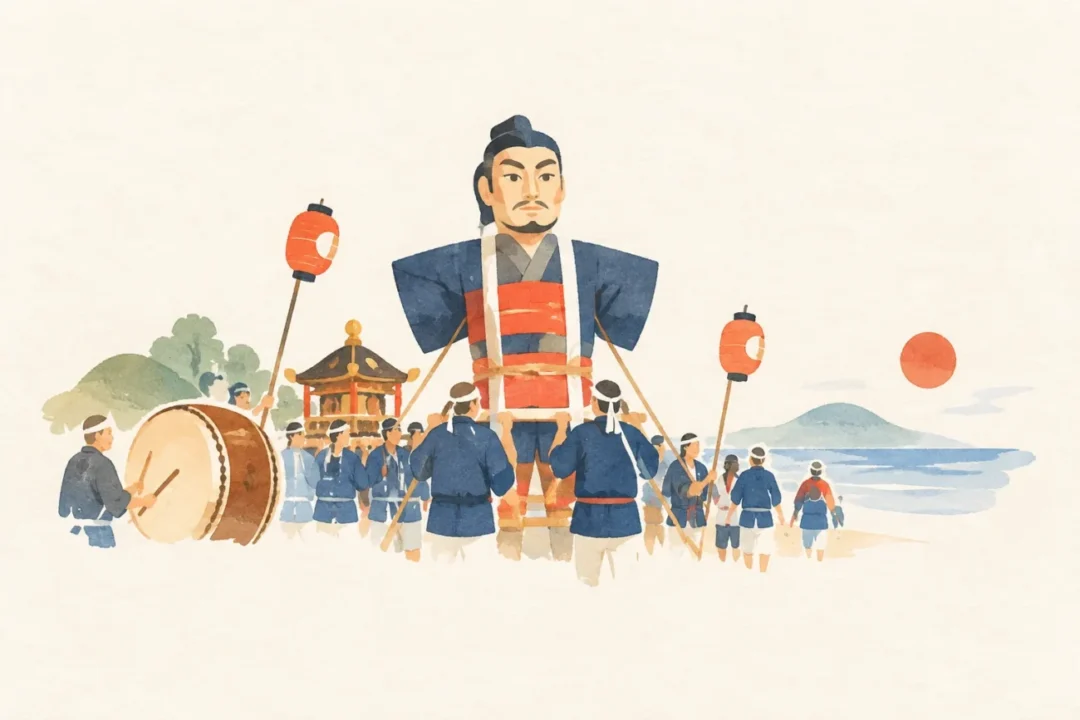
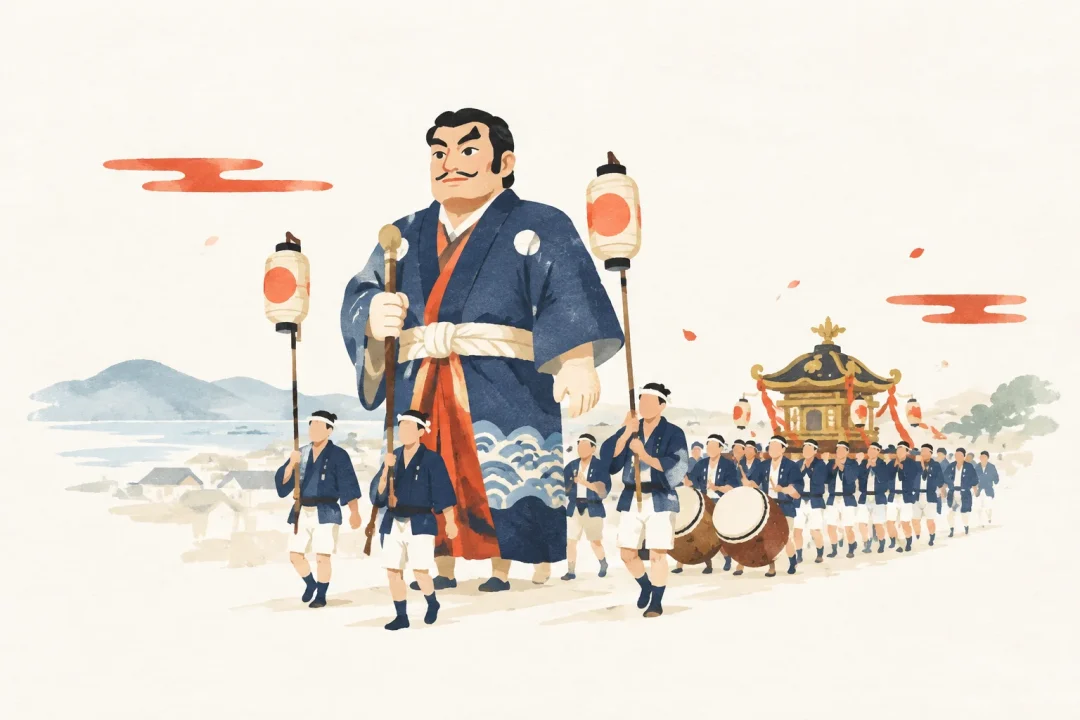
A highlight is the procession modeled on a daimyo procession, centered on a horse carrying a child and packhorses.
Adults accompanying the procession also help protect the horses as it makes its way to Minamikata (Suwa) Shrine.
The number of participants, role names, and horse handlers’ songs reflect local traditions and adaptations, preserving a form unique to Homambo.
A traditional Miyakonojo event entrusting local wishes to a child’s horse and a daimyo procession
What to expect
During the event, a horse carrying a child is followed by horses carrying loads. Adults form a procession to protect the horses and child as they proceed.
The procession takes the form of dedicating horses at Minamikata (Suwa) Shrine.
The number of participants, role names, and horse handlers’ songs vary by district, and adaptations made as the traditions were passed down are also preserved.
Location and access
- Venue and address
Minamikata (Suwa) Shrine in Homambo, Takajo Town
Event venue 宮崎県都城市 南方神社
This map uses the venue name. Check the official guide for the event area and entrances.
Accommodation and hotels PR
Showing nearby accommodation.
Prices and availability are current at the time of retrieval. For multi-night stays, only the first night’s price is shown. Confirm the final price and directions to the venue with the booking provider. Select your dates again when using the area search link. Search area: within 3 km of Central Miyazaki Prefecture / Miyakonojo City (the search is not centered on the festival venue)
Nearby attractions

早水公園
宮崎県の公園・庭園のスポットです。

旭丘神社
宮崎県都城市姫城町にある神社

観音池公園
宮崎県の公園・庭園のスポットです。

都城島津邸
宮崎県の博物館・美術館のスポットです。

都城市立美術館
宮崎県都城市にある美術館

都城歴史資料館
宮崎県都城市にある資料館
Origins and History of Homambo Ageuma
Homambo Ageuma is a rite that preserves an old-style ceremony for sending off Sakugami, a deity associated with crops.
It is said that the origins incorporate wishes for abundant harvests, household safety, and good health, as well as prayers for the stability of the Shimazu clan, safe passage during sankin-kotai journeys, and the hopes of farmers.
As one of the ageuma horse-dedication rites preserved in the Miyakonojo Basin, it is passed down in the form of dedicating horses at Suwa (Minamikata) Shrine.
Official information
都城市公式ページ:穂満坊あげ馬(ほまんぼうあげうま) - 宮崎県都城市ホームページ
Homambo Ageuma at a Glance
Homambo Ageuma is an intangible folk cultural property passed down in Homambo, Takajo Town, Miyakonojo City.
A procession of a horse carrying a child, packhorses, and adults is dedicated at Minamikata (Suwa) Shrine, with local adaptations reflected in the horse handlers’ songs and the names of the roles.
Against a backdrop of wishes for abundant harvests and household safety, it carries on the tradition of ageuma horse rites in the Miyakonojo Basin.
Sources and references
Japanese Festivals.jp Editorial Team
Celebrating local culture and helping you discover a side of Japan you never knew.
Article updated: 2026/11/11