Prayers and performing arts passed down in Furaken, with Miroku and flag bearers making their rounds
Furaken Mīminmē

Festival information
EVENT INFORMATION- Season / frequency
- day 1 of lunar month 4 / Typically held
- Location
- Furaken community, Furaken Community Center
- Area
- Okinawa Prefecture・Nanjo City(From Tokyo: approx. 2 h 30 min–3 h · flight time only)Prefecture-level estimate to a main station or airport, not the venue. Airport access, check-in and onward travel are extra; remote areas and islands can take much longer.
- Features
- Highlights and activities
- Wishes behind the festival
- Last updated
- 2026/11/11
Passed down in Furaken, Nanjo City, Mīminmē is a harvest festival in which Miroku and flag bearers travel through the community and offer prayers at places of worship. The record documents performing arts unique to Furaken, including children’s dances and traditional stick-fighting.
About Furaken Mīminmē
The Furaken Mīminmē is a local event held on day 1 of lunar month 4 in Furaken, Nanjo City.
It was once also called “Sudichirā Arashī” and is said to have originated in a contest to see whose newly woven clothes were best when changing from winter to summer clothing.
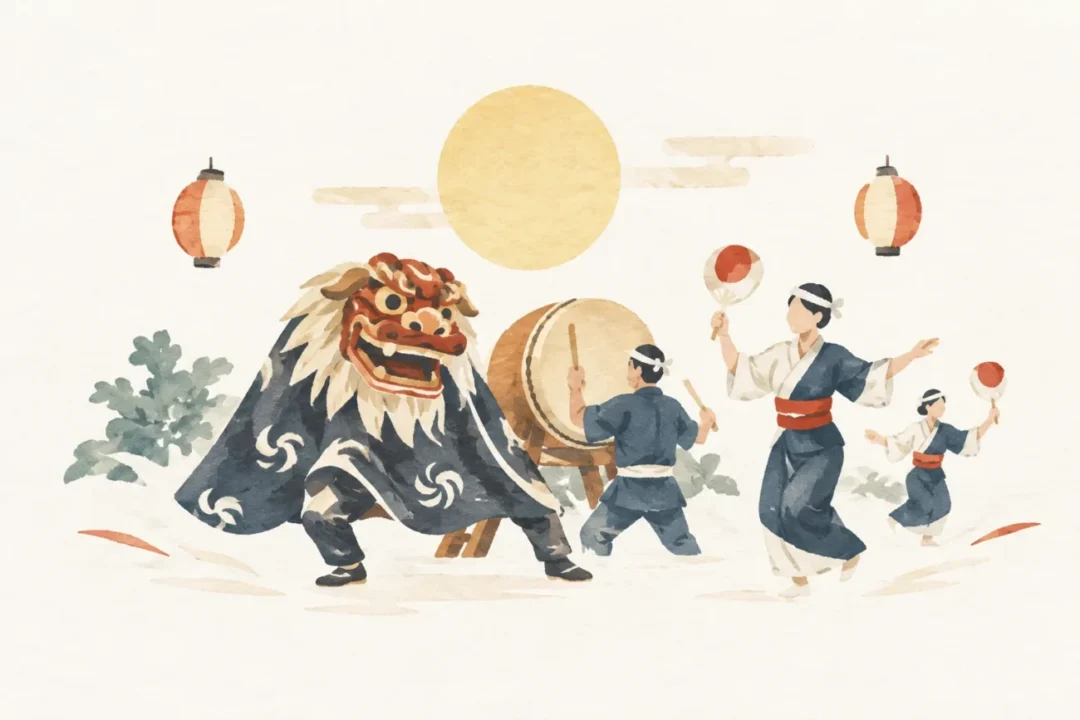
Over time, singing and dancing became a prominent part of the event, which is also sometimes called a harvest festival in the community.
Festival highlights
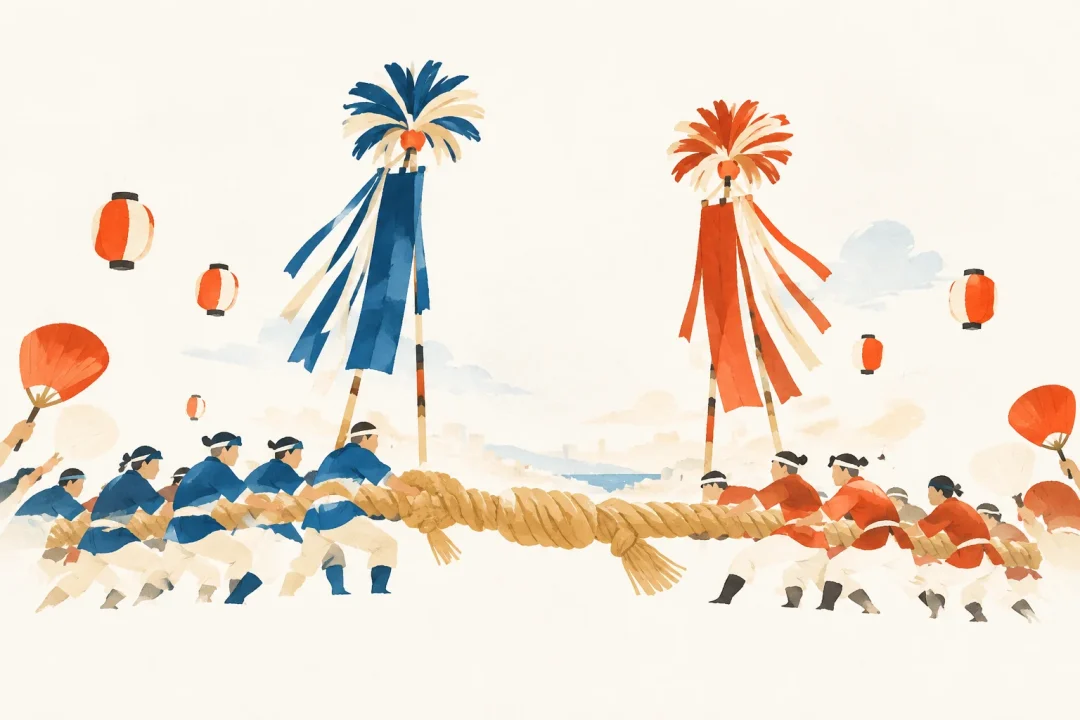
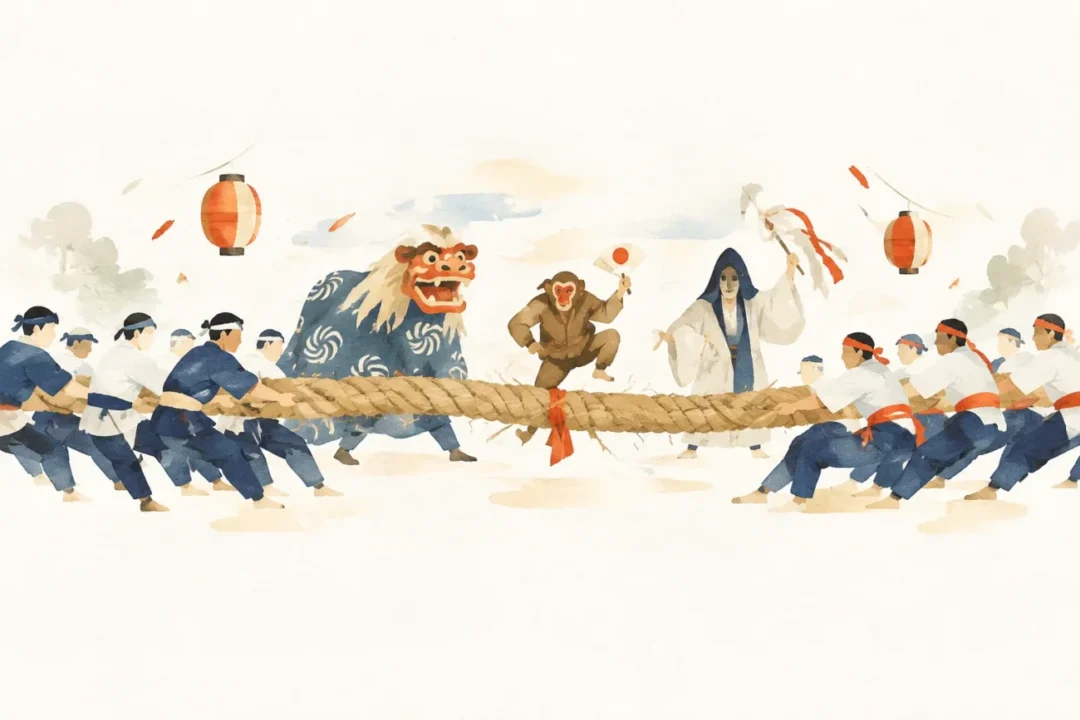
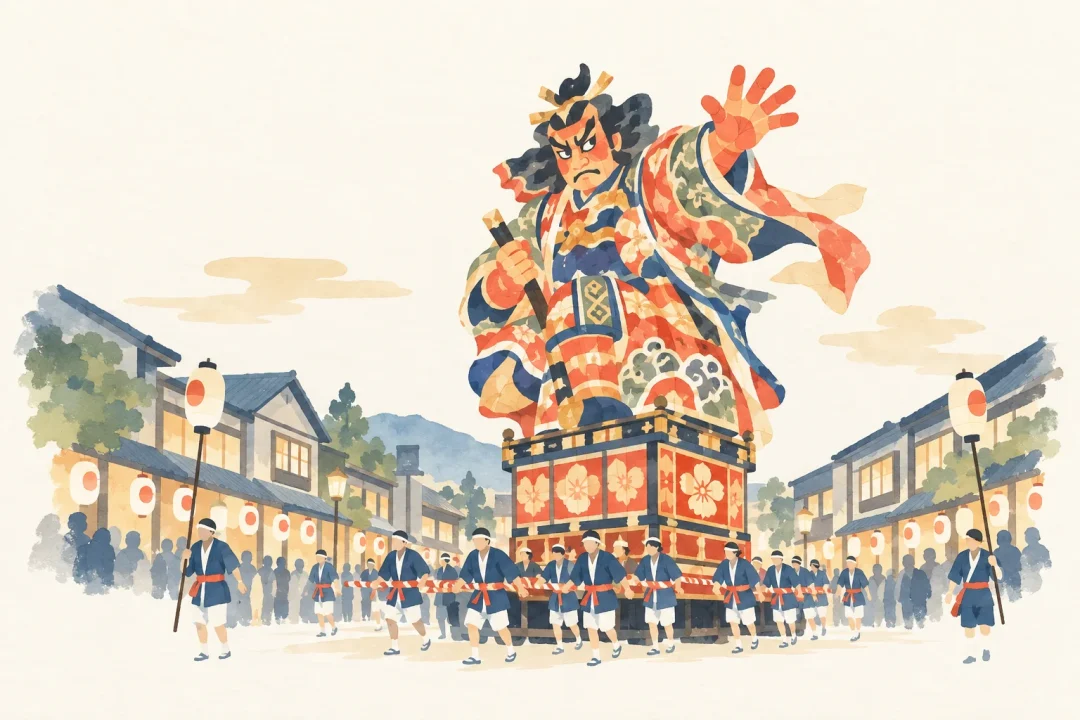
In a typical year, Miroku (Miruku) appears in the Michi-junē procession, accompanied by flag bearers and children as they make their way through the community’s main places of worship and open spaces.
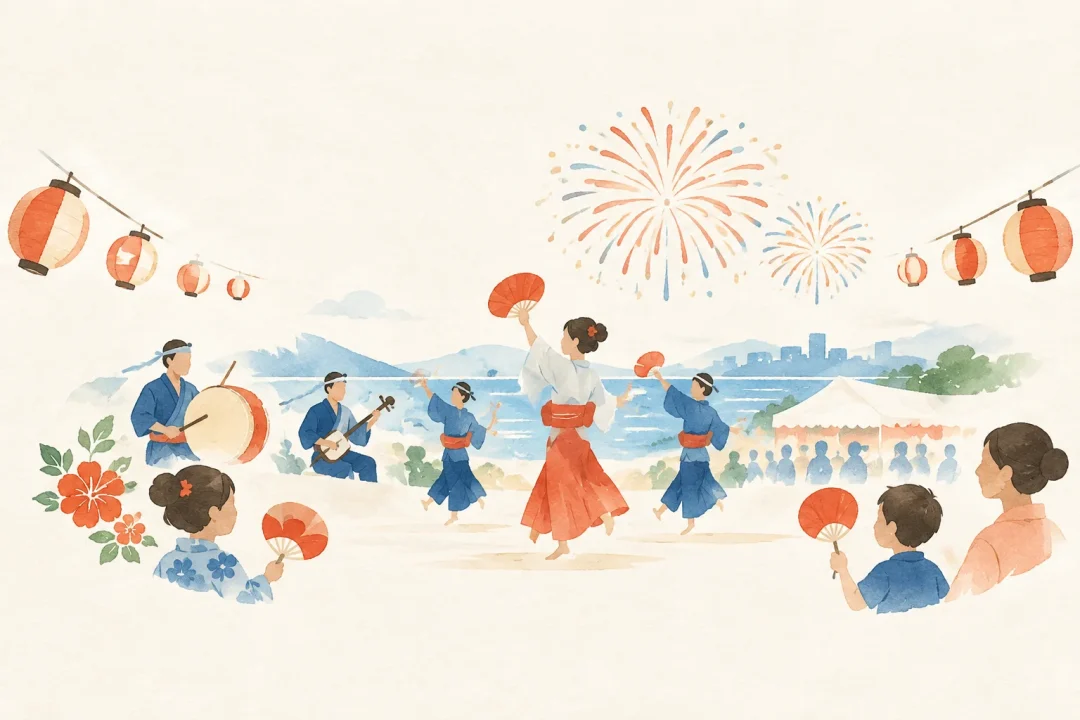
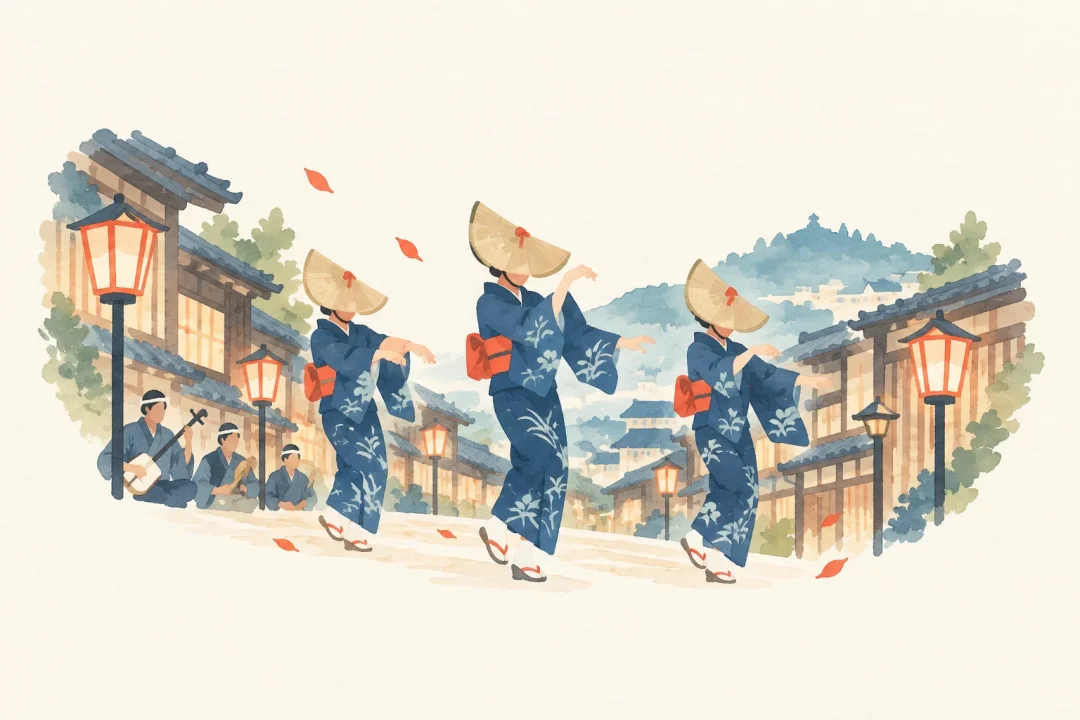
Children’s dances and spirited traditional stick-fighting demonstrations by young people are also presented.
In the evening, a wide variety of performances take place on the community center stage, bringing the event to life with local performing arts and the children’s special appearance.
Prayers and performing arts passed down in Furaken, with Miroku and flag bearers making their rounds
What to expect
During the event, Miroku, flag bearers, and children set out from the Teruya family home, visit places of worship in the community, and offer prayers.
The Michi-junē procession is described as led by a flag, followed by a gong, , Miroku, children, and others, moving along while singing.
Two flag heads are set up at the community center, and performances are typically presented on the evening stage.
Location and access
- Venue and address
Furaken community, Furaken Community Center
- By car
Naha Airport Expressway, Haebaru-kita Interchange
Address Furaken community, Furaken Community Center, Furaken, Nanjo City, Okinawa Prefecture
Dates and season
- Season
day 1 of lunar month 4
- Frequency
Typically held
Accommodation and hotels PR
Showing nearby accommodation.
Prices and availability are current at the time of retrieval. For multi-night stays, only the first night’s price is shown. Confirm the final price and directions to the venue with the booking provider. Select your dates again when using the area search link. Search area: within 3 km of Central Okinawa Prefecture / Nanjo City (the search is not centered on the festival venue)
Nearby attractions
Origins and History of Furaken Mīminmē
Mīminmē was once called “Sudichirā Arashī.”
“Sudichirā” means bashō-fu cloth, and “Arashī” means a contest. The event is said to have originated in the practice of competing to see whose newly woven clothes were best during the seasonal change of clothes.
Singing and dancing flourished at these contests, and the event is said to have developed into today’s Mīminmē.
Official information
The Nanjo Digital Archive, which documents local events in Nanjo City, features details about the Furaken Mīminmē and scenes from 2022.
Furaken Mīminmē at a Glance
The Furaken Mīminmē is a local event in Furaken, Nanjo City. It is said to have grown out of a custom of competing to see whose newly woven textiles were best during the seasonal change of clothes, from which singing and dancing developed.
In a typical year, the event features a Michi-junē procession with Miroku and flag bearers, prayers at places of worship, children’s dances, and traditional stick-fighting.
Performances are held at the community center in the evening, but from 2020 to 2022, some were scaled back or canceled as a precaution against infectious diseases. In 2022, community officials offered prayers and set up the flag heads.
Sources and references
Japanese Festivals.jp Editorial Team
Celebrating local culture and helping you discover a side of Japan you never knew.
Article updated: 2026/11/11