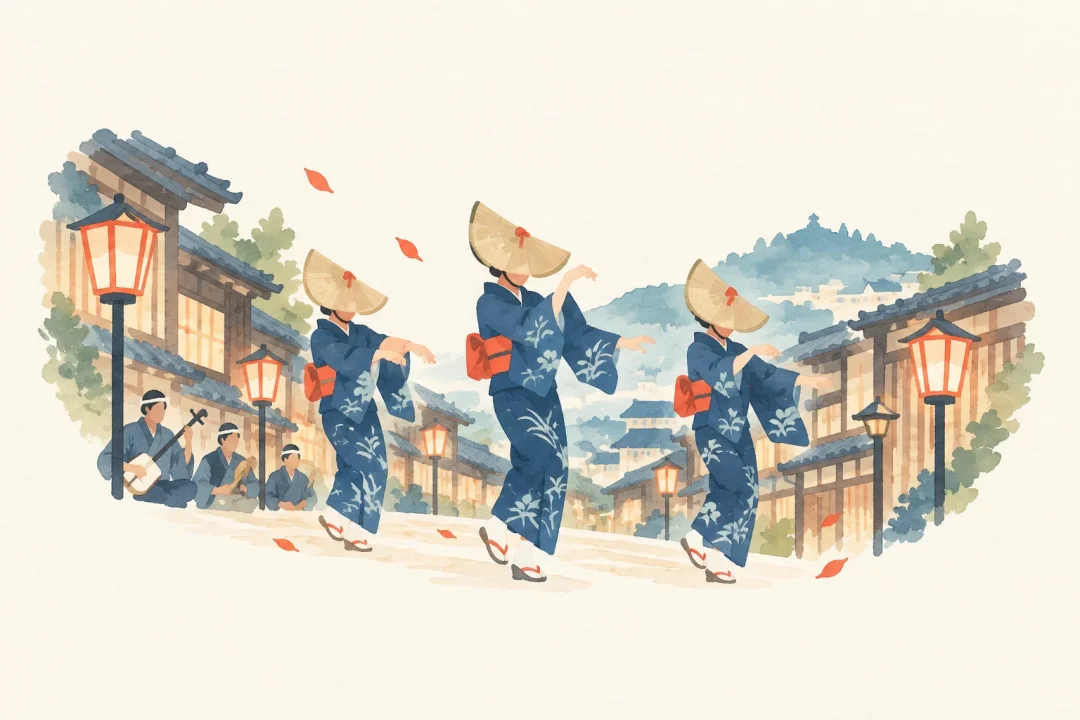
A lion dance alive with tradition in Urasoe on Jugoya, preserving its movements and melodies
Jirikyaku Lion Dance
The 2026 edition of Jirikyaku has ended.
Festival information
EVENT INFORMATION- Dates
- 2026/09/25Ended
- Season / frequency
- Around the Jugoya on day 15 of lunar month 8 / Every year
- Area
- Okinawa Prefecture・Urasoe City(From Tokyo: approx. 2 h 30 min–3 h · flight time only)Prefecture-level estimate to a main station or airport, not the venue. Airport access, check-in and onward travel are extra; remote areas and islands can take much longer.
- Features
- Highlights and activities
- Wishes behind the festival
- Participation / viewing
- Spectators welcome
- Last updated
- 2026/10/19
This traditional performing art is passed down in Jirikyaku, Urasoe City, as part of the Jugoya Festival. A single lion performs a variety of movements to the accompaniment of drums and flutes.
About Jirikyaku Lion Dance
The Jirikyaku lion dance is a traditional performing art passed down in Jirikyaku, Urasoe City, Okinawa Prefecture.
It is performed at harvest festivals on the 15th and 17th nights of the eighth lunar month and is considered one of the representative lion dances of Okinawa Island.
The lion head and body are made using locally sourced materials and are preserved and passed down by the community, led by the preservation association.
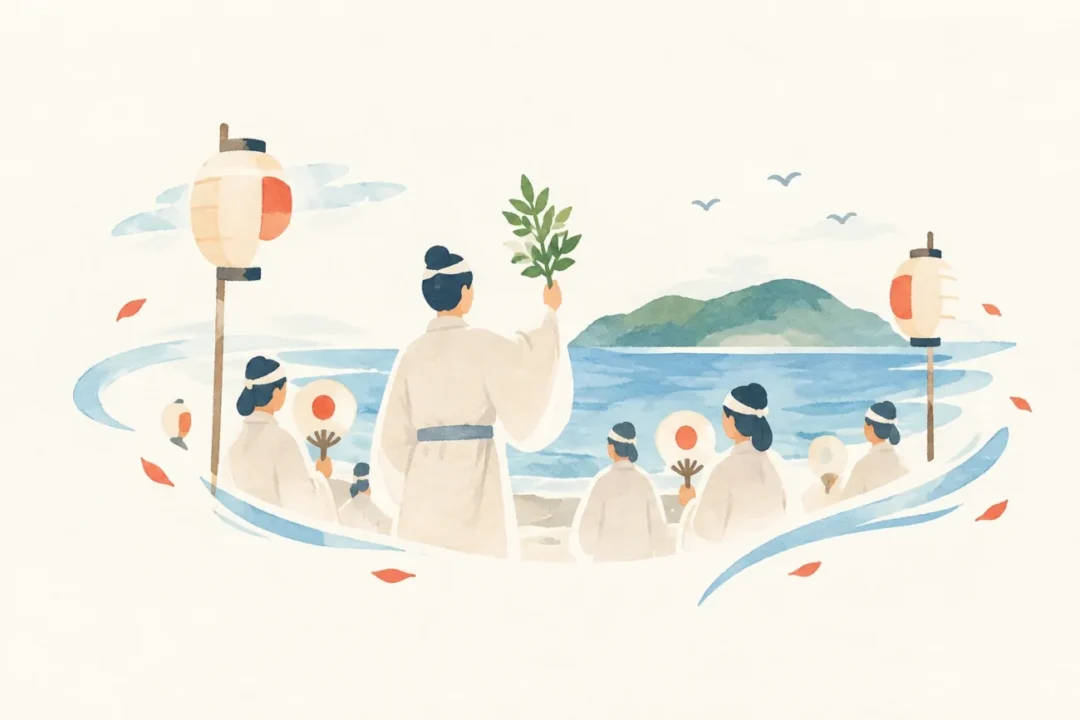
It is an important folk performing art in Urasoe, closely connected to the local Jugoya Festival.
Source: 国指定文化財等データベース
Festival highlights
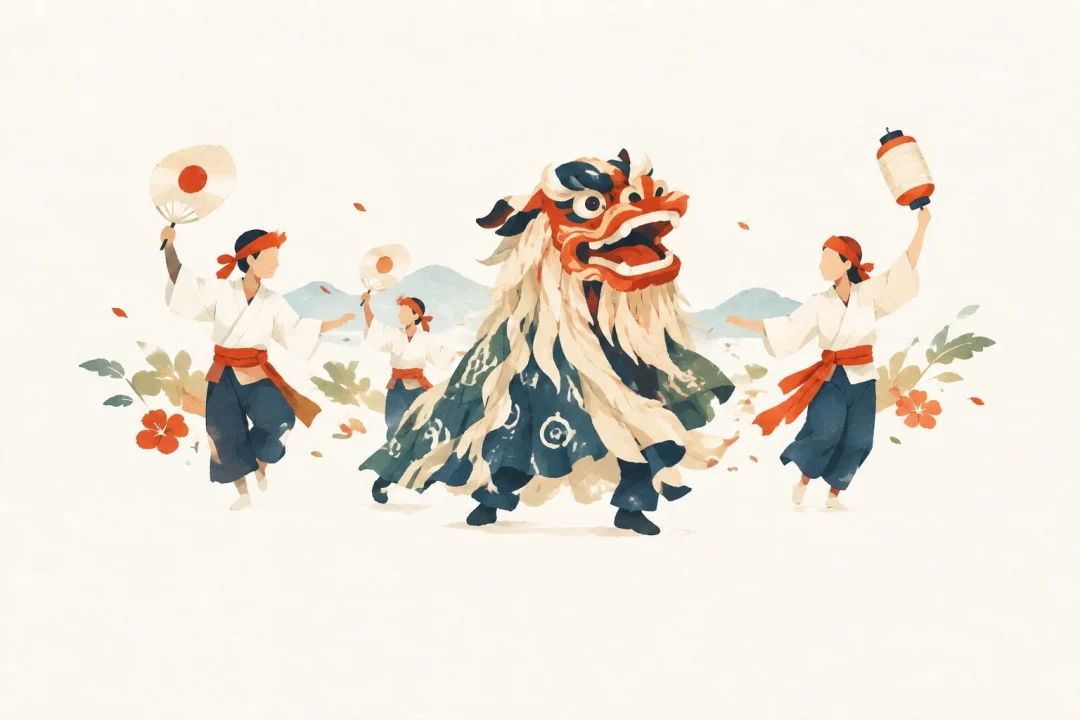
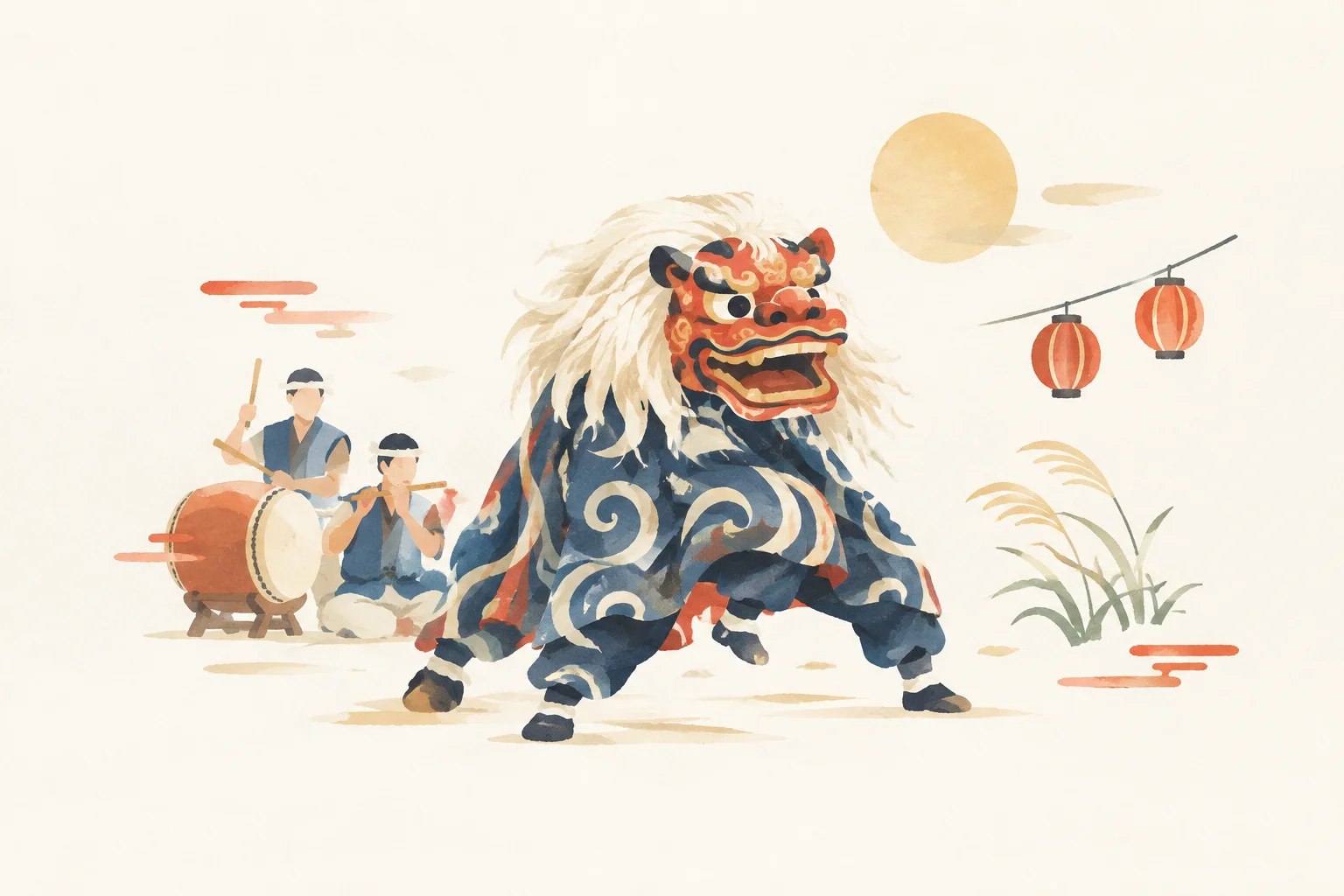
One highlight is the way two performers, one playing the front legs and the other the back legs, operate a single lion and perform a variety of movements to the accompaniment of music.
Acrobatic routines and mimicry, including ball play, munegui, shirami-kaki, and rolling over, unfold in intricate detail.
The Jirikyaku lion dance is notable for preserving many movements in precise detail. Its high kicks and powerful steps are also striking.
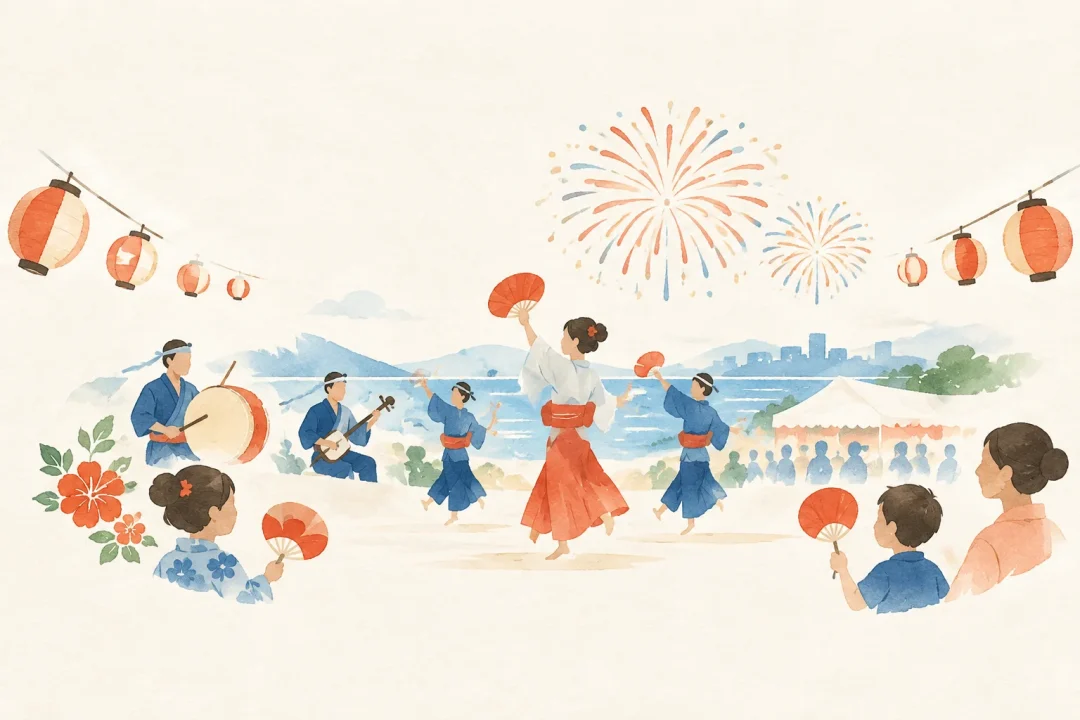
The dance is supported by the sounds of drums, flutes, gongs, and conch shells.
A lion dance alive with tradition in Urasoe on Jugoya, preserving its movements and melodies
What to expect
At the Jugoya Festival, the Jirikyaku lion dance is performed after acts such as lion dances by local children.
Guided by a lion-tamer performer, the lion plays with a ball, frolics with a stick, and shows off its agility.
The repertoire includes ritual movements as well as playful ones, with different movements for each piece.
Local residents are involved not only in the performance on stage but also in preparations and upkeep.
How to take part
General visitors can watch the lion dance that has been passed down in the community.
Performers are mainly people involved in the event, such as members of the preservation association and local children.
Whether anyone can join in the lion dance performances depends on the information provided for each year’s event and on local recruitment arrangements.
Location and access
- Address
Urasoe City
Host municipality 沖縄県浦添市
This map shows the surrounding area, not the exact venue location.
Dates and season
2026 event information (the dates listed have passed)
In 2026, a lion dance was performed as part of the Jugoya Festival in Jirikyaku, Urasoe City, on September 25 (Friday).
It is held around the Jugoya on day 15 of lunar month 8.
Accommodation and hotels PR
Showing nearby accommodation.
Prices and availability are current at the time of retrieval. For multi-night stays, only the first night’s price is shown. Confirm the final price and directions to the venue with the booking provider. Select your dates again when using the area search link. Search area: within 3 km of Central Okinawa Prefecture / Urasoe City (the search is not centered on the festival venue)
Tips for your visit
As the lion dance is performed as part of the local Jugoya Festival, the program may include not only the dance but also performances by children and other community events.
Please respect the program and the atmosphere at the venue, and follow local guidance about entering the performance area or taking photographs during the performance.
Young children may be frightened by the lion's movements or sounds, so it is a good idea to observe how they are reacting as you watch.
Nearby attractions
Related attractions around Jirikyaku include Jirikyaku Shisa Street and the monument to Jirikyaku Bridge.
Both are introduced as local points of interest associated with Jirikyaku.
If you plan to visit alongside the festival, check whether each site is open and how it can be visited.

浦添市美術館
沖縄県浦添市にある美術館
Origins and History of Jirikyaku Lion Dance
The Jirikyaku lion dance has been passed down for more than 400 years. It is said to have been started by a person named Korei Gushiken.
After the Battle of Okinawa, when the community and its equipment had been lost, residents restored the village meeting hall, lion, costumes, and props, and revived the Jugoya Festival.
Over time, the festival program was scaled back due to factors such as urbanization, but the lion dance continues to be passed down every year as its centerpiece.
In 1973, it was designated a Selected Intangible Folk Cultural Property of Japan.
Official information
The Agency for Cultural Affairs' Database of Nationally Designated Cultural Properties introduces the Jirikyaku lion dance as a folk performing art passed down in Jirikyaku, Urasoe City, Okinawa Prefecture.
The preservation organization is the Jirikyaku Lion Dance Preservation Association.
Urasoe City's information also notes that the lion dance was performed at the Jirikyaku Residents' Association's Jugoya Festival.
Jirikyaku Lion Dance at a Glance
The Jirikyaku lion dance is a traditional performing art passed down alongside the Jugoya Festival in Jirikyaku, Urasoe City.
Two performers operate a single lion, presenting ball play and a variety of acrobatic movements to the accompaniment of drums, flutes, and other instruments.
Passed down for more than 400 years, it continues today after being revived following the war and sustained with the support of the community.
In 2026, it was performed on September 25.
Japanese Festivals.jp Editorial Team
Celebrating local culture and helping you discover a side of Japan you never knew.
Article updated: 2026/10/19
Submit information or a correction Submit photos of this festival