Welcoming spring in Hachinohe with harvest-prayer dances and ornate eboshi hats
Enburi
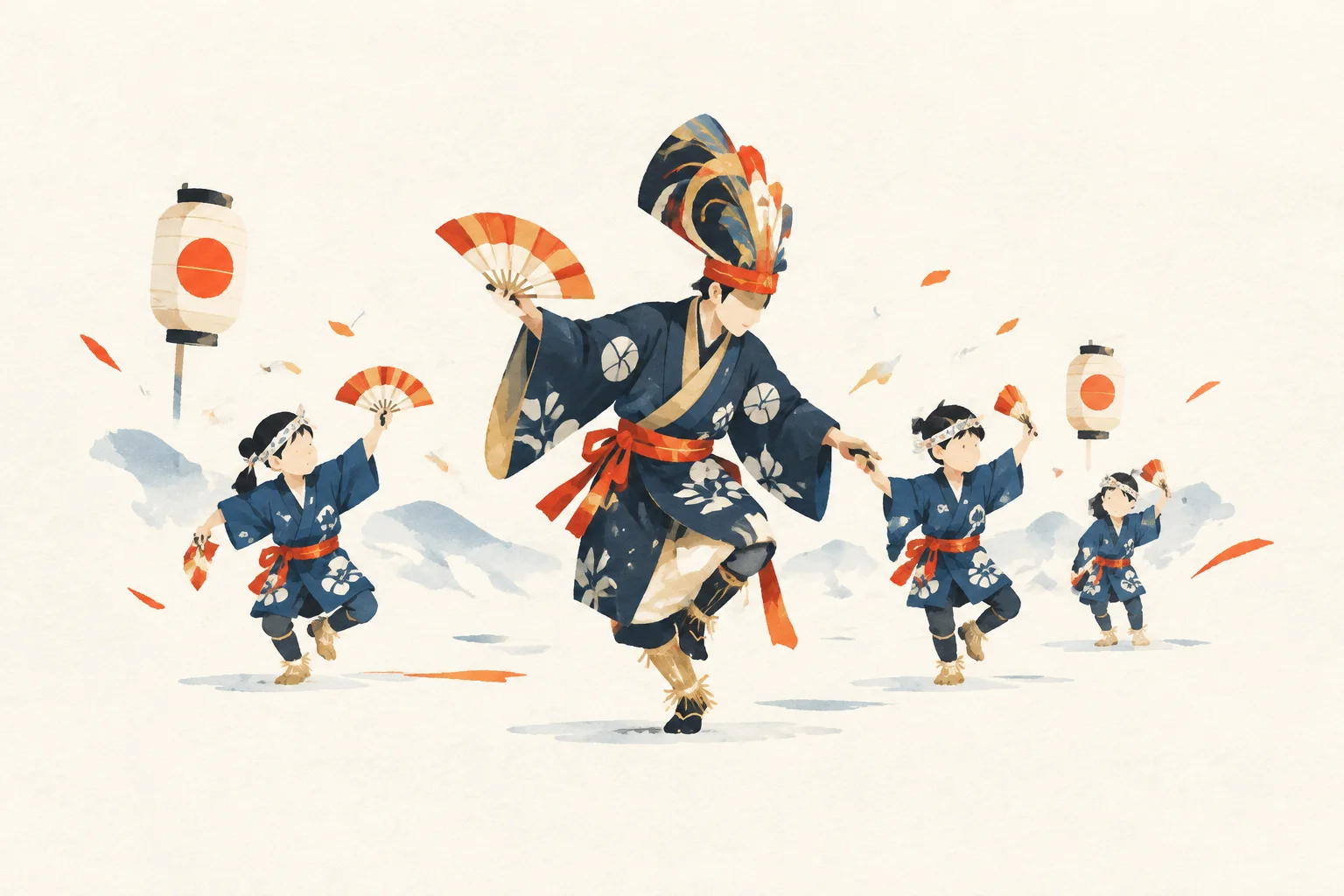
The 2026 edition of Enburi has ended.
Festival information
EVENT INFORMATION- Dates
- 2026/02/17 〜 2026/02/20Ended
- Season / frequency
- February 17–February 20 / Every year
- Location
- Central Hachinohe, Hachinohe City Hall Civic Plaza, and other locations
- Area
- Aomori Prefecture・Hachinohe City(From Tokyo: approx. 3 h–3 h 30 min · bullet train)Prefecture-level estimate to a main station or airport, not the venue. Airport access, check-in and onward travel are extra; remote areas and islands can take much longer.
- Highlights and activities
- Wishes behind the festival
- Participation / viewing
- Spectators welcome
- Last updated
- 2026/10/19
Enburi brightens Hachinohe’s winter with folk performances that express prayers for a good harvest through dance. The tayū’s suri dance in ornate eboshi hats and celebratory performances by children take place in the streets and at shrines.
About Enburi
Photo credits and terms of use
Photographer: Suikotei File:Honhachinohe Station 19920219.jpg / Wikimedia Commons / CC BY-SA 4.0 Own work by the contributorDisplay size only adjusted.May differ from the event currently featured.Enburi is an early-spring passed down in southern Aomori Prefecture. It is a celebratory performing art expressing prayers for a good harvest that year.
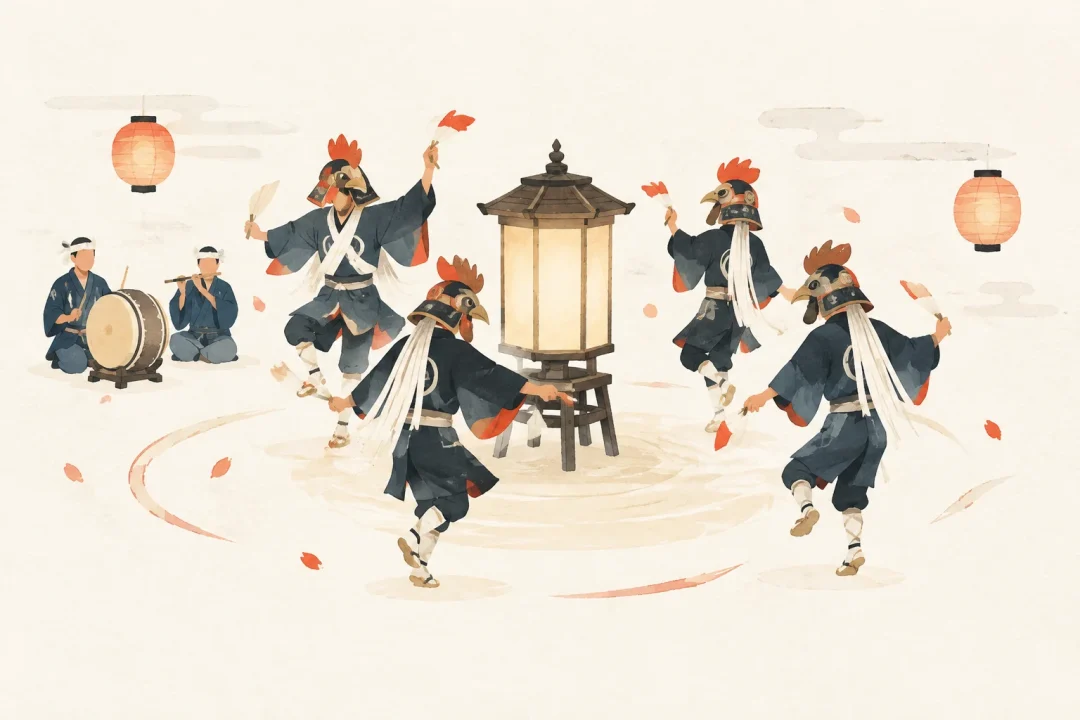
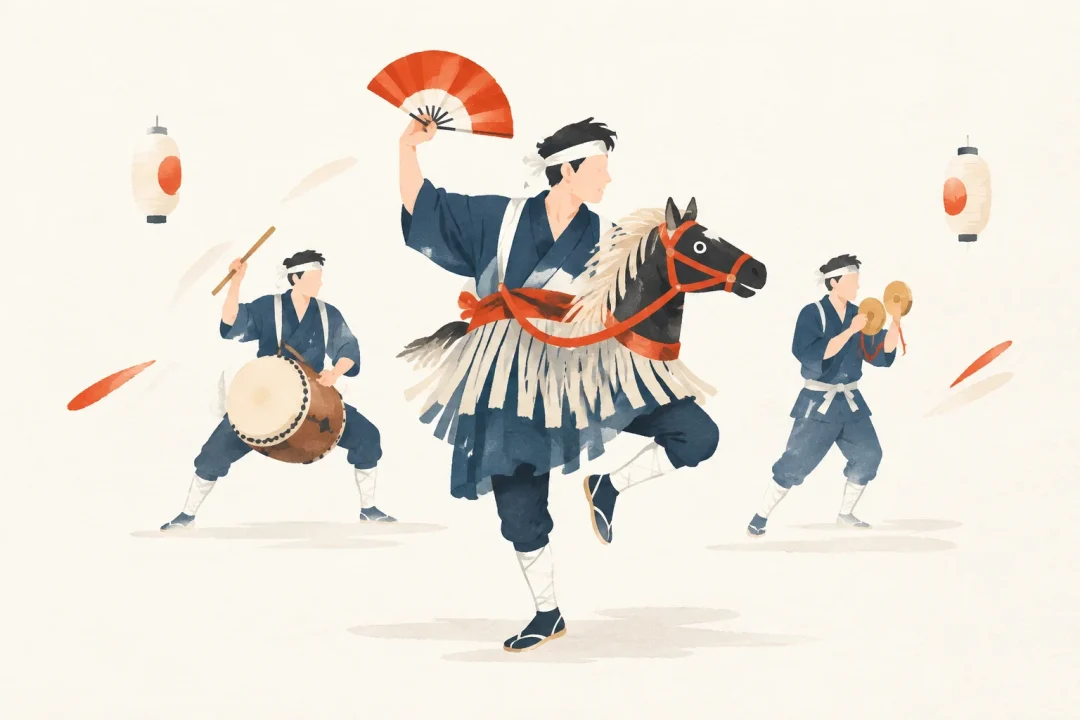
Held mainly in Hachinohe City, the festival features performers known as tayū, who wear ornate eboshi hats shaped like horse heads and perform distinctive dances representing the motions of rice cultivation.
It has also been designated a National Important Intangible Folk Cultural Property, preserving the region’s agricultural culture and beliefs to this day.
Source: 八戸えんぶり|イベント|【公式】青森県観光情報サイト Amazing AOMORI / えんぶり - Wikipedia
Festival highlights
The main highlight is the simultaneous Enburi performance, when more than 30 Enburi groups gather in central Hachinohe and dance together.
The tayū vigorously swing their heads and thrust their jangī into the ground as they perform the suri dance.
Between dances, children perform celebratory acts such as the Pine Dance, Ebisu Dance, and Daikoku Dance.
Some dances are performed at night by bonfire, offering a different atmosphere from the daytime.
Source: The 2026 Hachinohe Enburi Festival Schedule | Visit Hachinohe |The Offical Guide to Hachinohe, Japan
Welcoming spring in Hachinohe with harvest-prayer dances and ornate eboshi hats
What to expect
The events begin early in the morning on February 17 with a dance offering at Chojasan Shinra Shrine, followed by the Enburi procession and then the simultaneous Enburi performance in the city center.
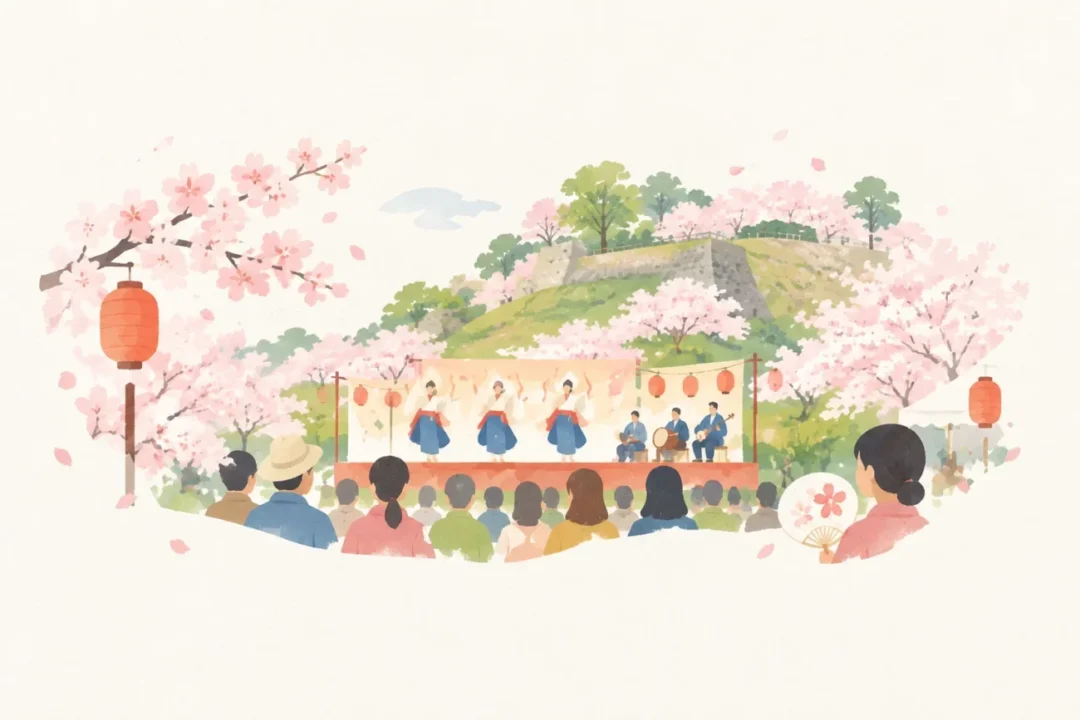
Performances continue at locations such as the city hall, the public hall, and the Nejo Castle Site. During the festival, “Oniwa Enburi” is also held in a garden, as is the nighttime “Kagaribi Enburi” by bonfire.
Performances include not only the tayū’s suri dance, but also celebratory and comic acts accompanied by flutes, drums, and hand gongs.
How to take part
Visitors can watch the event.
Location and access
- Venue and address
Central Hachinohe, Hachinohe City Hall Civic Plaza, and other locations.
The main location is Hachinohe City, Aomori Prefecture.
- Train and bus
About a 10-minute walk from Hon-Hachinohe Station on the JR Hachinohe Line.
A shuttle bus from Misawa Airport takes about 50 minutes.
- By car
About 25 minutes by car from Hachinohe Station.
Address Hachinohe City, Aomori Prefecture
Dates and season
2026 Event Information (the listed dates have passed)
The 2026 event schedule listed offerings, the Enburi procession, simultaneous Enburi performances, and stage performances over 4 days, from February 17 to February 20.
The schedule listed offerings at Chojasan Shinra Shrine and simultaneous Enburi performances in the city center on February 17, as well as Enburi performances at the Nejo Castle Site on February 18 and the 19th.
The schedule and participating groups may change due to weather or other conditions.
Source: 8-2 まつり・イベントに関する質問/八戸市
Accommodation and hotels PR
Showing nearby accommodation.
Prices and availability are current at the time of retrieval. For multi-night stays, only the first night’s price is shown. Confirm the final price and directions to the venue with the booking provider. Select your dates again when using the area search link. Search area: within 3 km of Central Aomori Prefecture / Hachinohe City (the search is not centered on the festival venue)
Tips for your visit
The venues are spread across several locations, including the city center, shrines, the public hall, and gardens, so it is recommended that you check the venue and time for each performance you want to see and plan your travel accordingly.
The 2026 information notes that the schedule and participating groups may change depending on conditions such as the weather.
Some performances held in gardens at night or by bonfire require reserved seating or advance tickets.
Nearby attractions
At the Nejo Castle Site, information is available about Enburi performances and an “Enburi Exhibition” at the adjacent Hachinohe City Museum.
After watching the festival dances and events, you can learn about local culture through exhibits related to Enburi.
For details about the exhibits and opening hours, please check the information from the Hachinohe City Museum.
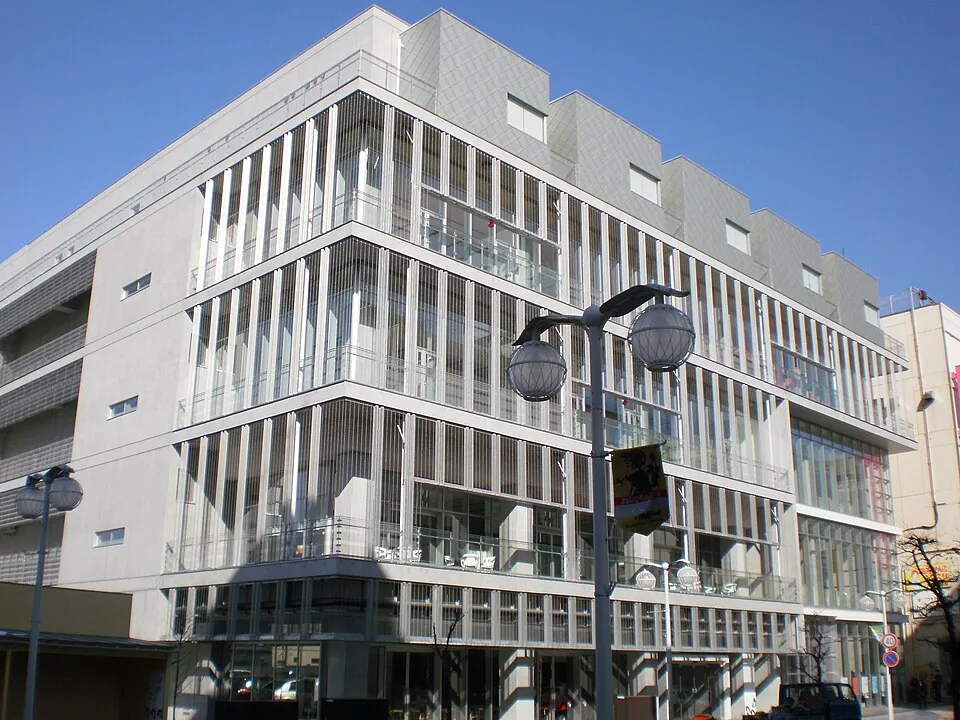
はっち
青森県八戸市にある文化観光交流施設
写真:Wakkubox / CC BY-SA 3.0(resized and reformatted)
Photo source ·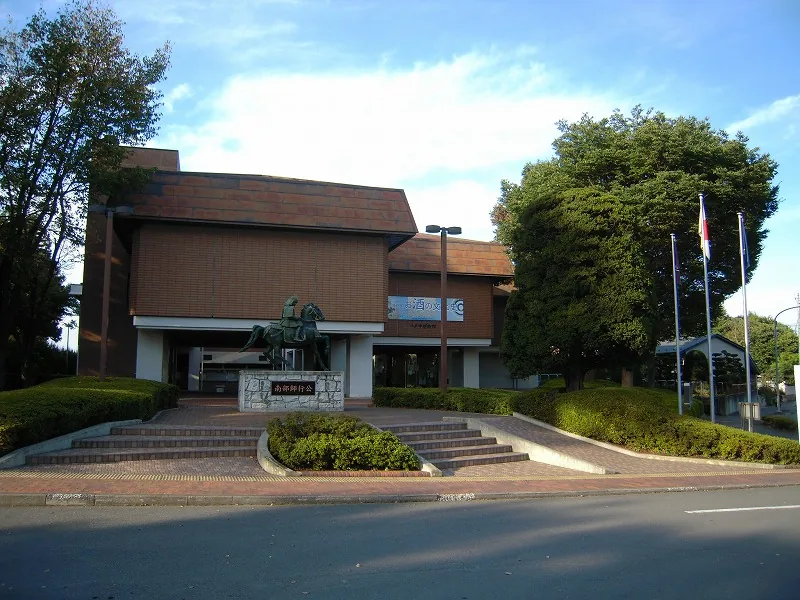
八戸市博物館
青森県八戸市根城にある博物館
写真:Mutimaro / CC BY-SA 3.0(resized and reformatted)
Photo source ·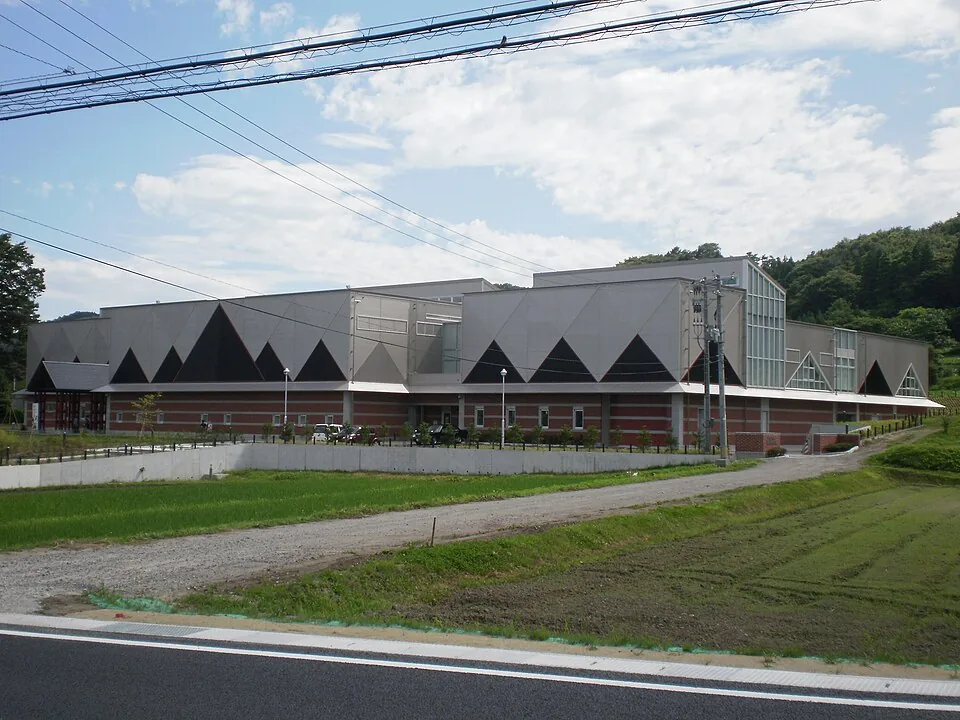
八戸市埋蔵文化財センター 是川縄文館
青森県八戸市にある埋蔵文化財センター
写真:Wakkubox / CC BY-SA 3.0(resized and reformatted)
Photo source ·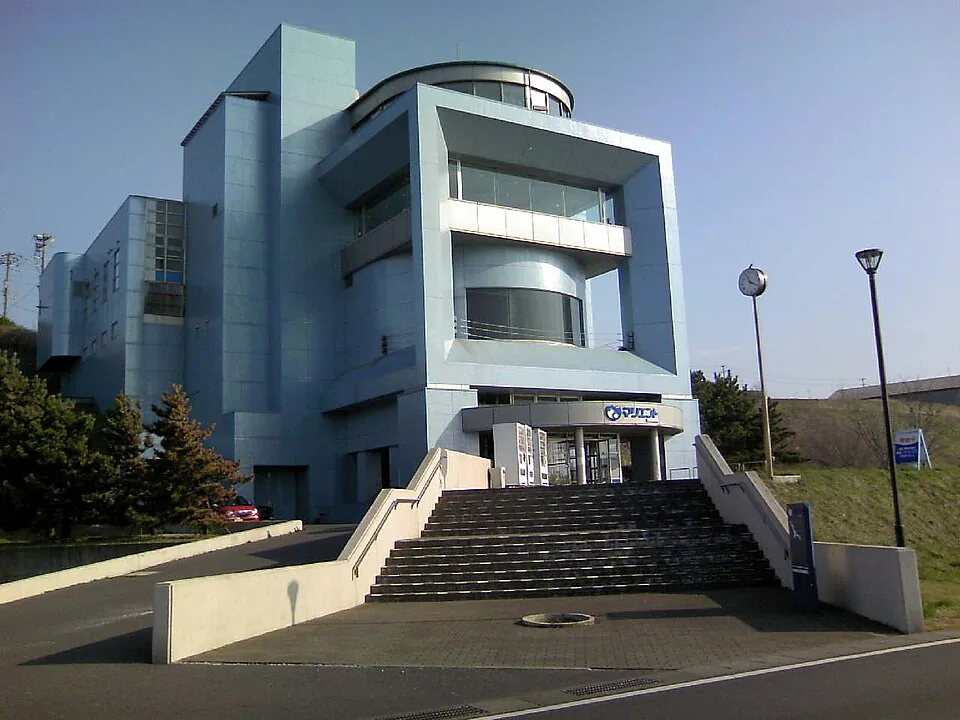
八戸市水産科学館
青森県八戸市にある科学館
写真:house-nasu / CC BY 2.5(resized and reformatted)
Photo source ·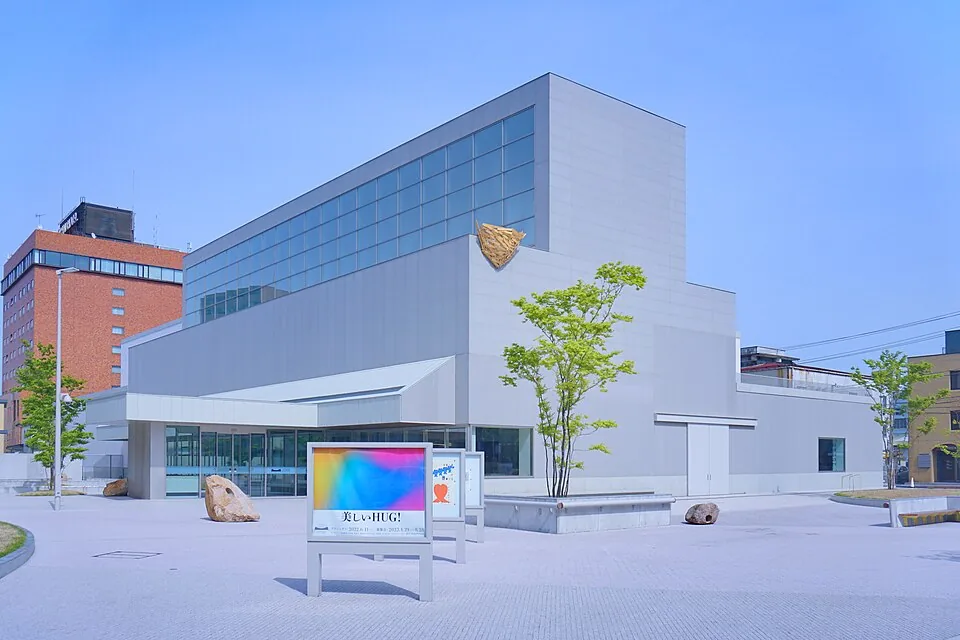
八戸市美術館
青森県八戸市にある公立美術館
写真:掬茶 / CC BY-SA 4.0(resized and reformatted)
Photo source ·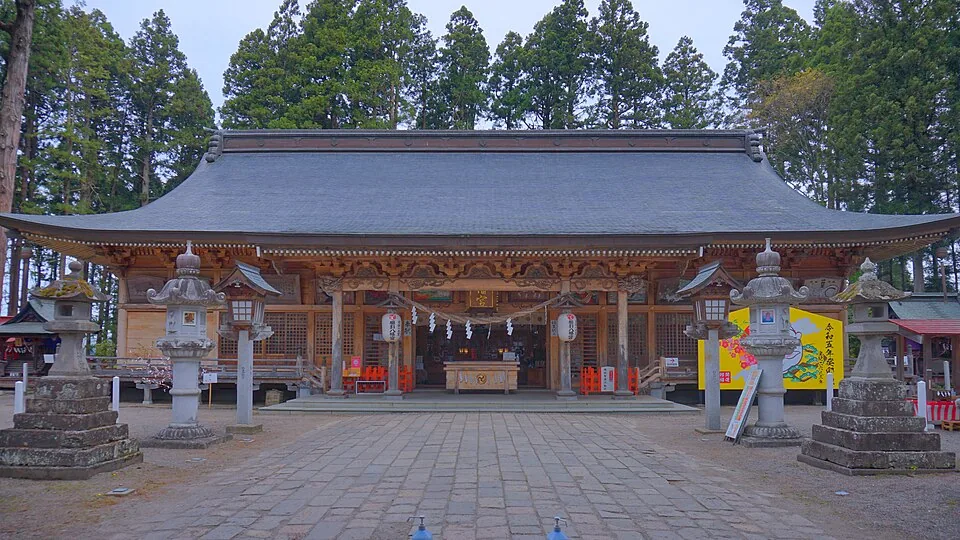
櫛引八幡宮
青森県八戸市にある神社
写真:掬茶 / CC BY-SA 4.0(resized and reformatted)
Photo source ·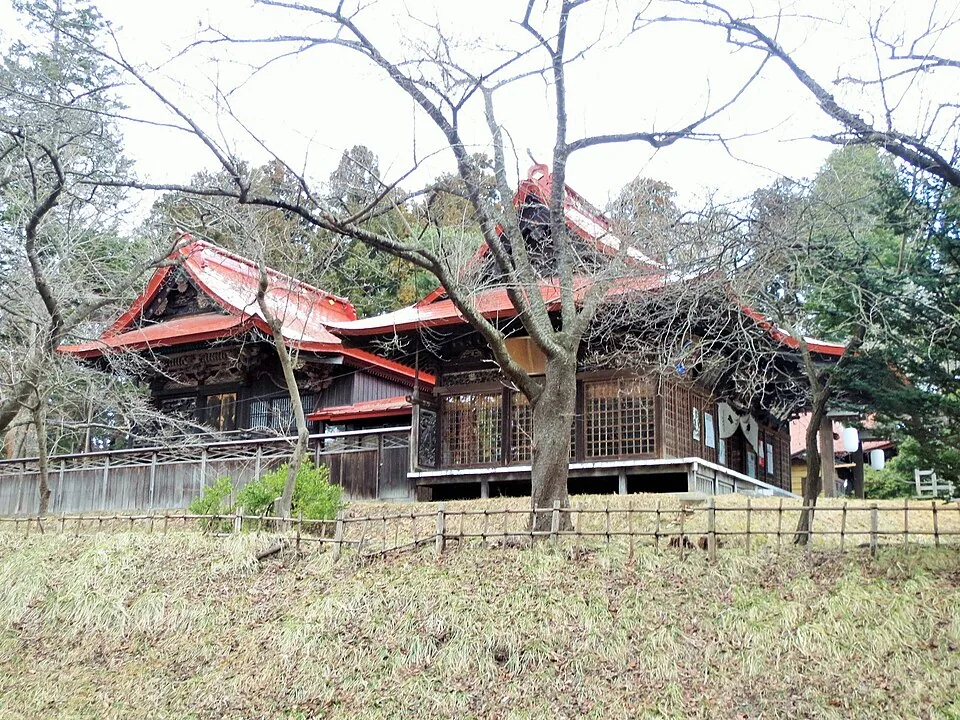
長者山新羅神社
青森県八戸市の長者山山上にある神社
写真:Ty19080914 / CC BY-SA 4.0(resized and reformatted)
Photo source ·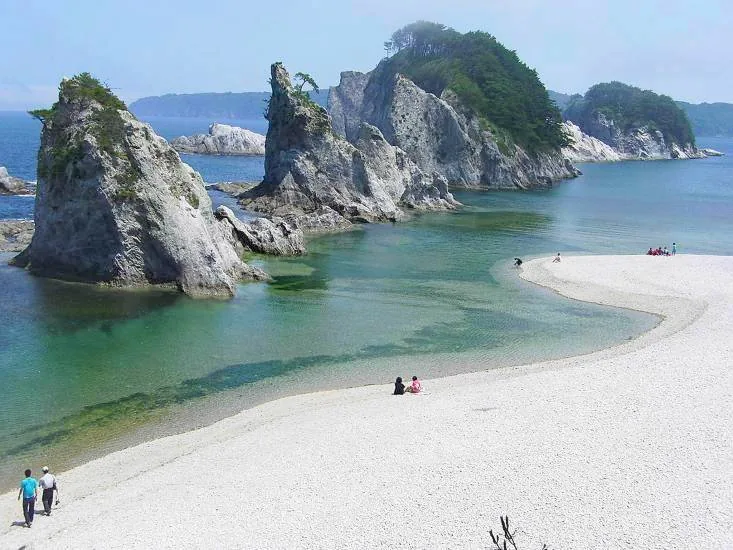
三陸復興国立公園
東北地方の三陸沿岸を区域とする国立公園
写真:Junpei Satoh / CC BY-SA 3.0(resized and reformatted)
Photo source ·Origins and History of Enburi
Enburi is said to take its name from the “eburi,” an agricultural tool used to level rice fields before planting.
It was originally held during the old Little New Year, but was temporarily banned shortly after the Meiji Restoration and revived in 1881 as a ritual at Chojasan Shinra Shrine.
In 1897, the Enburi procession and the Inari Okami procession began, and in 1909 the festival was moved to its current dates.
In 1979, it was designated a National Important Intangible Folk Cultural Property.
Official information
Details of the 2026 Hachinohe Enburi event schedule, venues, and performance times are available on “VISIT Hachinohe,” Hachinohe City’s tourism information website.
You can also check the event dates and activities in the city center on the official Aomori Prefecture tourism website and in information from Hachinohe City.
Enburi at a Glance
Enburi is a traditional Hachinohe event that expresses prayers for a good harvest and the movements of rice cultivation through the powerful suri dance of the tayū and celebratory performances by children.
Enjoy a variety of dances at multiple locations, from offerings at shrines and simultaneous Enburi performances in the city center to stage performances and nighttime events.
Pay attention to the ornate eboshi hats and sweeping head movements to better appreciate what makes Enburi unique.
Japanese Festivals.jp Editorial Team
Celebrating local culture and helping you discover a side of Japan you never knew.
Article updated: 2026/10/19
Submit information or a correction Submit photos of this festival