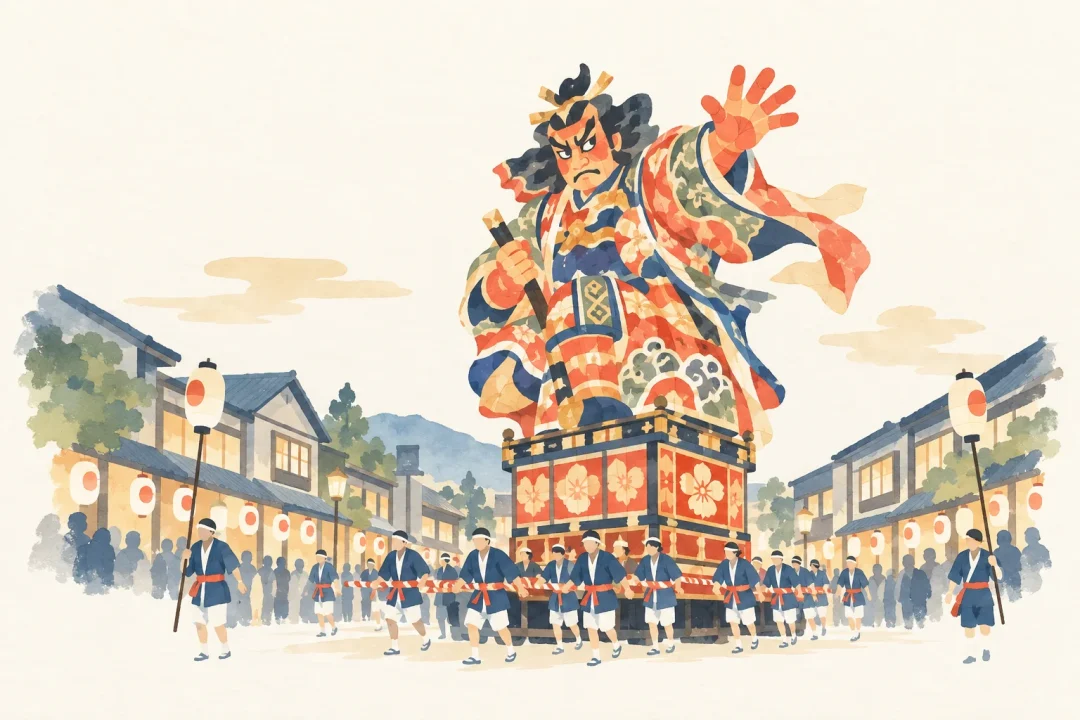
An autumn tradition praying for a bountiful harvest, embodied in a dashi built without nails
The Honzan Shinji at Yamazaki Hachimangu
Festival information
EVENT INFORMATION- Season / frequency
- Every year in late September, on Saturday and Sunday / Every year
- Location
- Yamazaki Hachimangu and its
- Area
- Yamaguchi Prefecture・Shunan City(From Tokyo: approx. 1 h 35 min–1 h 55 min · flight time only)Prefecture-level estimate to a main station or airport, not the venue. Airport access, check-in and onward travel are extra; remote areas and islands can take much longer.
- Highlights and activities
- Wishes behind the festival
- Last updated
- 2026/11/12
The Honzan at Yamazaki Hachimangu is an autumn festival in Shunan City that carries on prayers for a bountiful harvest and the ancient craft of -making. The dashi, assembled without nails using vines and cross-sections of pine trunks, reflects the community’s traditions.
About The Honzan Shinji at Yamazaki Hachimangu
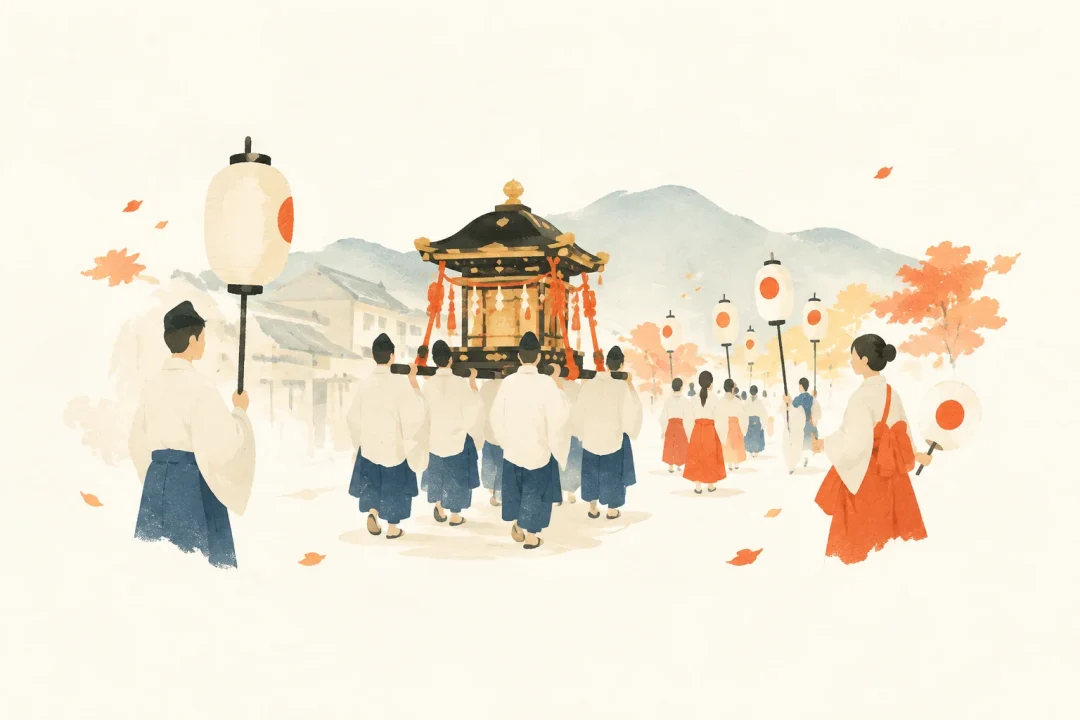
The Honzan Shinji at Yamazaki Hachimangu is an autumn festival in Shunan City held at Yamazaki Hachimangu and along its sando.
Originally, this shinji was held to prevent bird damage and natural disasters after the rice ears had ripened and to pray for a bountiful harvest.
Today, it is held as part of the district’s autumn festival, and ancient customs remain in the way the dashi is assembled.
Festival highlights
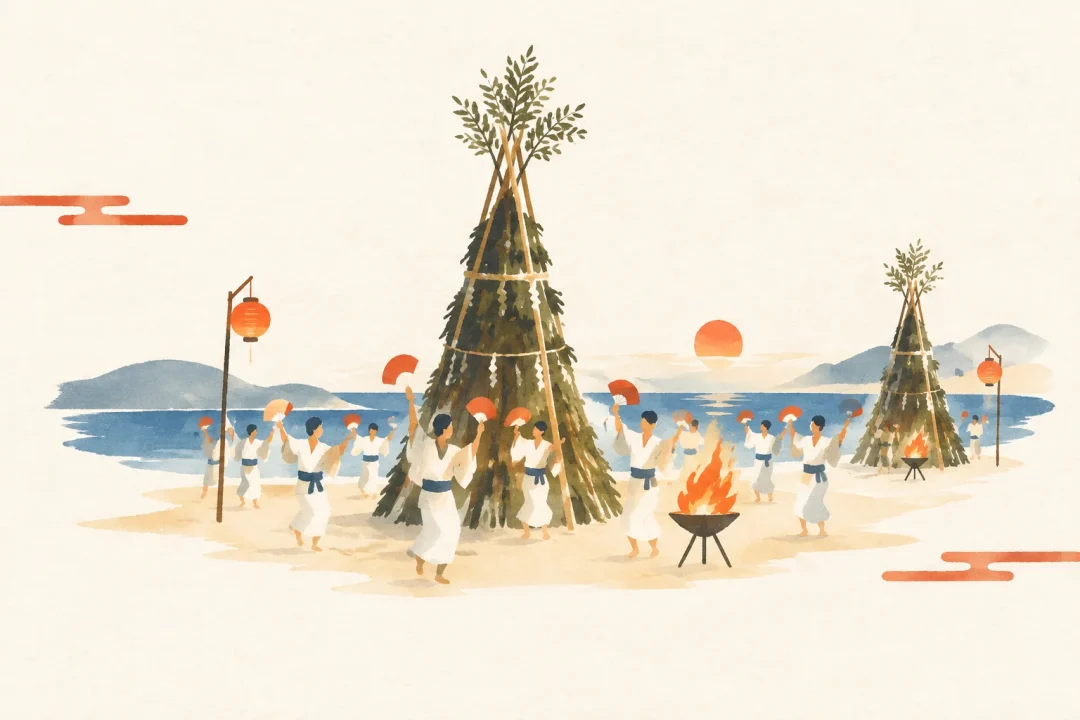
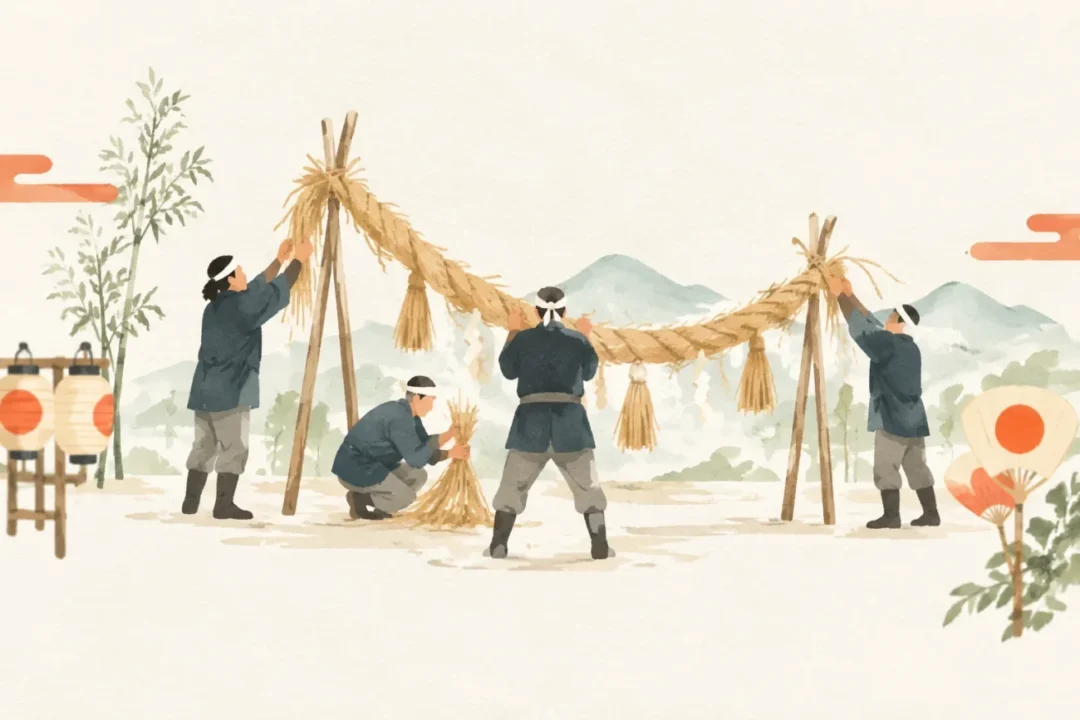
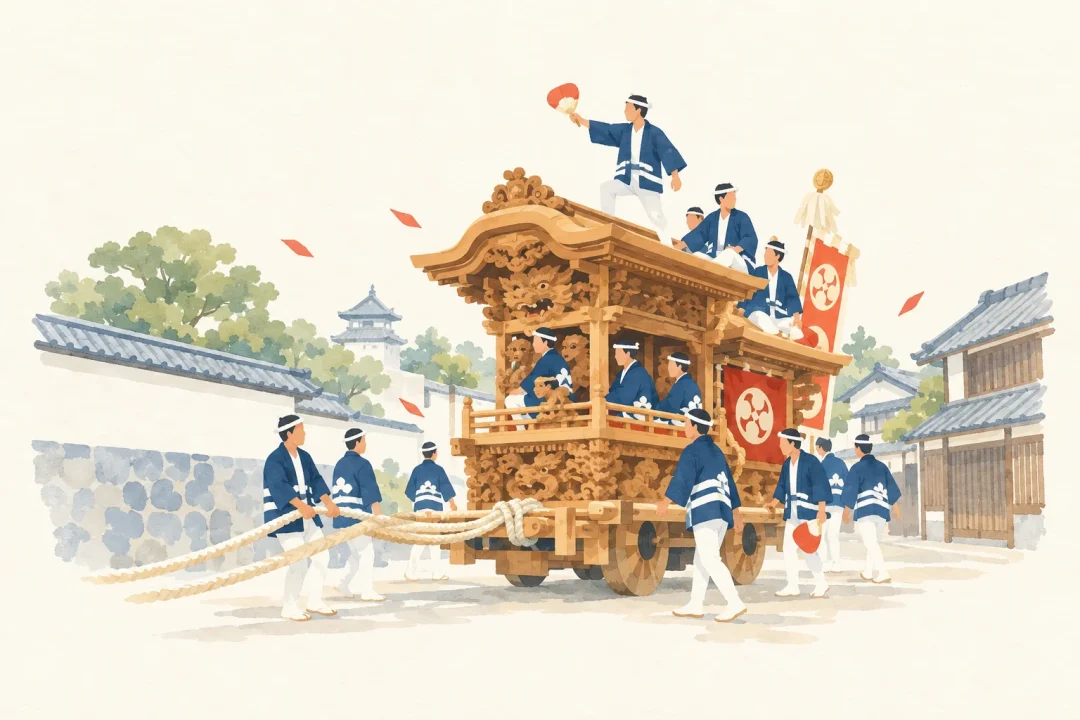
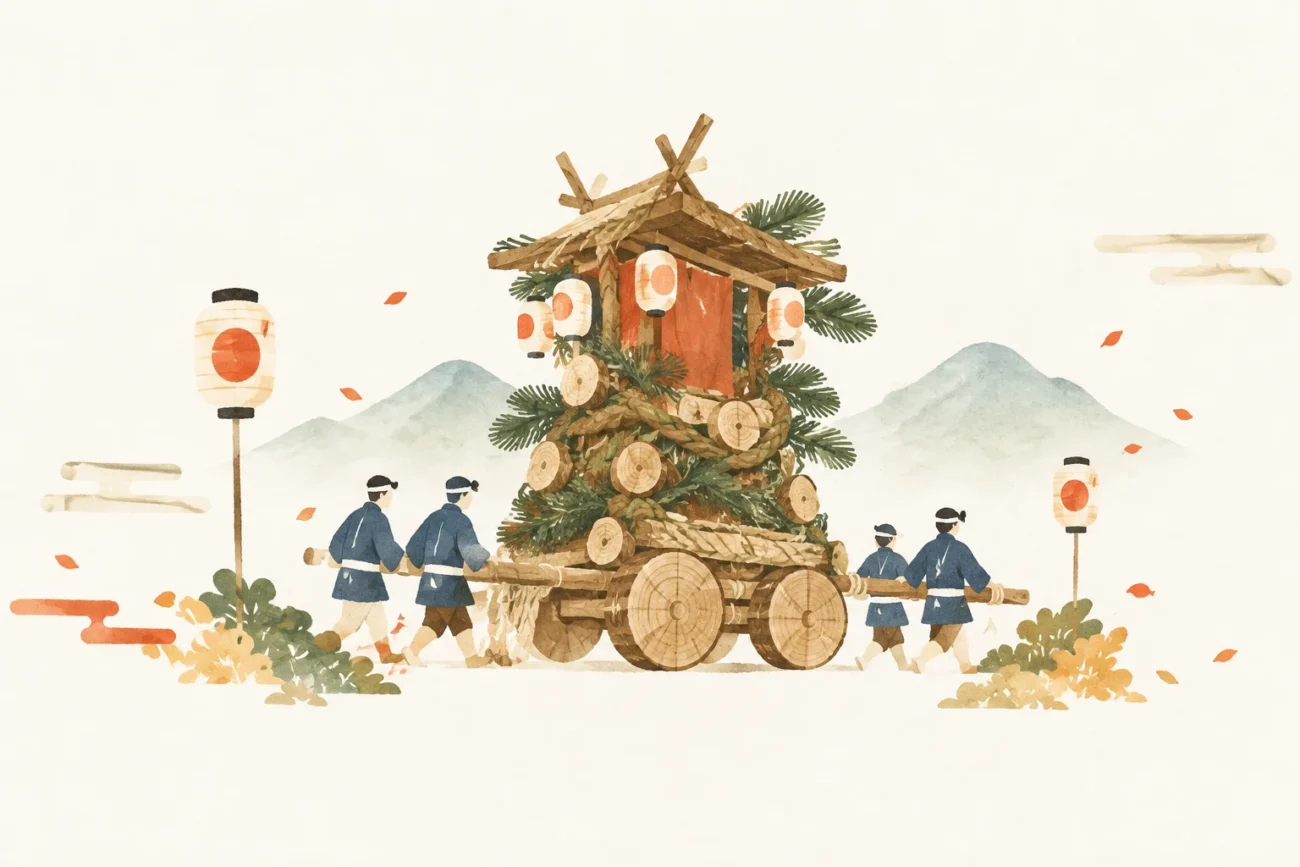
A highlight is the traditional technique of assembling the dashi without using a single nail.
The dashi is tied together with about 450 kilograms of vines, and cross-sections of pine trunks are used for its wheels.
A distinctive feature is that ancient customs remain intact in the choice of materials and the way the dashi is assembled.
An autumn tradition praying for a bountiful harvest, embodied in a dashi built without nails
What to expect
The shinji takes place at Yamazaki Hachimangu and along its sando, where traditions associated with the dashi are passed down.
The dashi is assembled using sacred pine, bamboo, vines, and other materials, and damaged parts have been replaced over time.
The traditional method uses no nails: the parts are tied together with vines, and cross-sections of pine trunks serve as the wheels.
Location and access
- Venue and address
Yamazaki Hachimangu and its sando / 1-6-13 Miyanomae, Shunan City, Yamaguchi Prefecture (Yamazaki Hachimangu)
- Train and bus
15 minutes on foot from Shin-Nanyo Station on the JR Sanyo Main Line
Address 1-6-13 Miyanomae, Shunan City, Yamaguchi Prefecture (Yamazaki Hachimangu)
Dates and season
- Season
Every year in late September, on Saturday and Sunday
- Frequency
Every year
Accommodation and hotels PR
Showing nearby accommodation.
Prices and availability are current at the time of retrieval. For multi-night stays, only the first night’s price is shown. Confirm the final price and directions to the venue with the booking provider. Select your dates again when using the area search link. Search area: within 3 km of Central Yamaguchi Prefecture / Shunan City (the search is not centered on the festival venue)
Nearby attractions

万葉の森
山口県周南市

周南市美術博物館
山口県周南市にある美術博物館

回天記念館
山口県の博物館・美術館のスポットです。
Origins and History of The Honzan Shinji at Yamazaki Hachimangu
The Honzan Shinji at Yamazaki Hachimangu is believed to have taken the form of the festival that continues today by the mid-18th century at the latest.
Records from 1740 and historical documents dating from 1793 through the Meiji period confirm that materials for the dashi were sourced and it was assembled by replacing damaged parts as needed.
The name Yamazaki Hachimangu was changed from Shoji Hachimangu in 1864.
Official information
It is listed on the official Yamaguchi Prefecture tourism website, Oidemase Yamaguchi, and in Yamaguchi Prefecture’s cultural property information.
The Honzan Shinji at Yamazaki Hachimangu at a Glance
The Honzan Shinji at Yamazaki Hachimangu is an autumn festival in Shunan City that originated as a shinji to prevent bird damage and natural disasters and pray for a bountiful harvest.
The dashi is assembled without nails, using about 450 kilograms of vines and cross-sections of pine trunks.
By the mid-18th century, the festival had taken the form that continues today, passing ancient customs down to the present.
Sources and references
Japanese Festivals.jp Editorial Team
Celebrating local culture and helping you discover a side of Japan you never knew.
Article updated: 2026/11/12