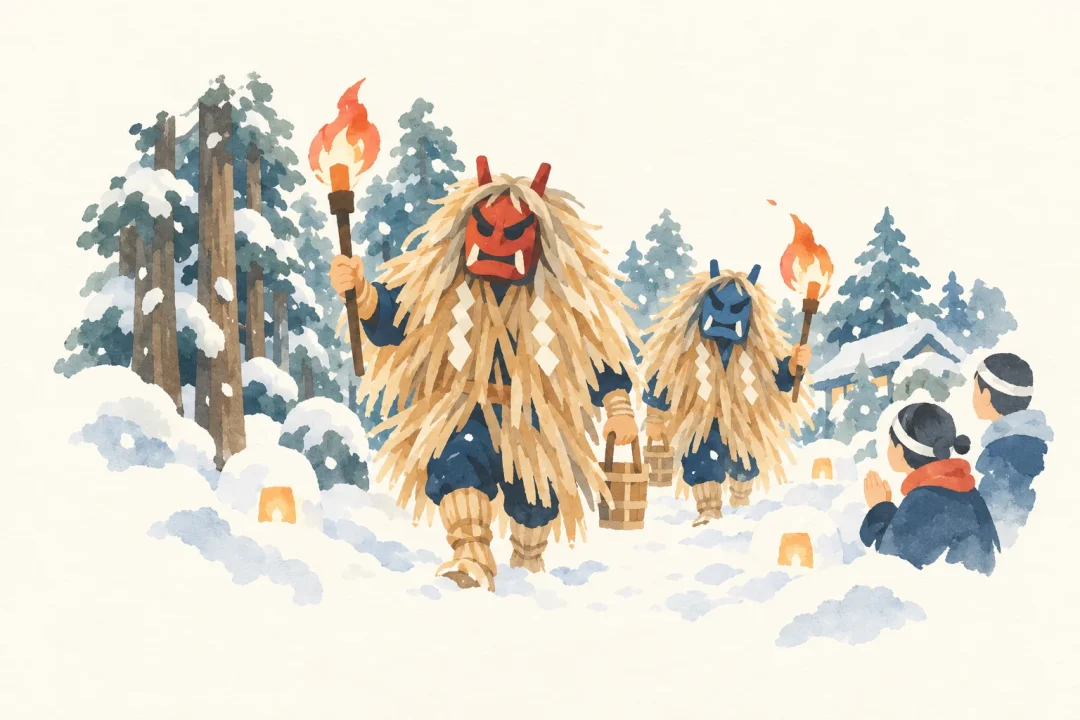
An elegant kagura passed down by Tsugaru’s Shinto priests and alive in its festivals
Tsugaru Kagura
Festival information
EVENT INFORMATION- Season / frequency
- Irregular. During the Yoimiya and annual festivals at major shrines in the Tsugaru region / Irregular
- Area
- Aomori Prefecture・Hirosaki City(From Tokyo: approx. 3 h–3 h 30 min · bullet train)Prefecture-level estimate to a main station or airport, not the venue. Airport access, check-in and onward travel are extra; remote areas and islands can take much longer.
- Highlights and activities
- Participation / viewing
- Not open to public participation
- Required number of participants
- The full form requires seven
- Last updated
- 2026/10/19
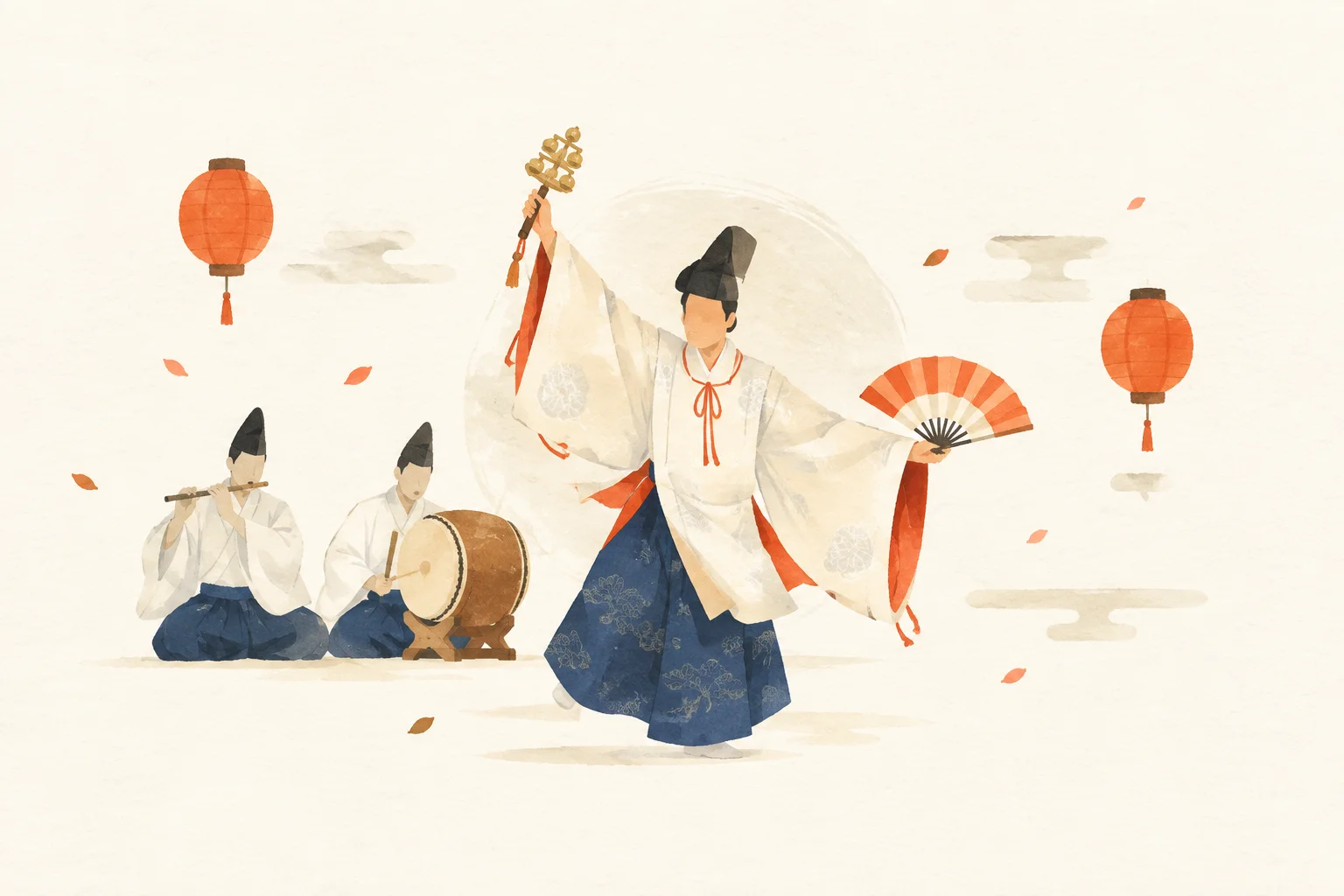
Tsugaru is a form of kagura passed down by Shinto priests in the Tsugaru region and offered at shrine festivals. Dances associated with religious rites are performed to the accompaniment of flutes, drums, and other instruments.
About Tsugaru Kagura
Tsugaru Kagura is a form of kagura passed down by Shinto priests in the Tsugaru region.
Kagura is offered at each shrine’s festival in the kagura hall or , and is distinguished by its strong ritual character rather than its entertainment value.
It is still passed down by Shinto priests throughout the Tsugaru region and performed in connection with local festivals.
It is designated as an Intangible Folk Cultural Property of Aomori Prefecture and selected as an Intangible Folk Cultural Property of Japan.
Source: 津軽神楽|青森県庁ウェブサイト Aomori Prefectural Government / 津軽神楽 - 弘前市 / 国指定文化財等データベース
Festival highlights
A highlight is the formal presentation of dances by Shinto priests, accompanied by flutes, small hand drums, drums, shaku-byoshi clappers, and other instruments.
The repertoire includes Kamiiri-mai, Hoken, Chitose, Yumi-tate, and O-, among other varied dances associated with religious rites.
Opportunities to see it vary by area and shrine. This traditional performing art can be experienced amid the solemn atmosphere of a festival.
An elegant kagura passed down by Tsugaru’s Shinto priests and alive in its festivals
What to expect
At the offering, priests perform dances passed down by their organization to the accompaniment of flutes, drums, and other instruments.
The Agency for Cultural Affairs’ description lists twelve pieces, including Kamiiri-mai, Hoken, Yumi-tate, Yuhira-hiraimai, Kunigatame-mai, and O-shishimai.
The full form is said to require seven priests, and performances may be held during each shrine’s Yoimiya or annual festival.
How to take part
Tsugaru Kagura is a performing art performed by shinshoku; it is not a format in which general visitors participate as performers.
As it is offered at events such as yoimiya and reisai at individual , opportunities to watch depend on each festival.
The Tsugaru Kagura Preservation Society or the municipal board of education is listed as a contact for inquiries about viewing performances.
Location and access
- Address
Hirosaki City
Host municipality 青森県弘前市
This map shows the surrounding area, not the exact venue location.
Dates and season
The timing of Tsugaru Kagura performances is irregular.
It may be presented at representative jinja in the Tsugaru region around the time of yoimiya and reisai.
Accommodation and hotels PR
Showing nearby accommodation.
Prices and availability are current at the time of retrieval. For multi-night stays, only the first night’s price is shown. Confirm the final price and directions to the venue with the booking provider. Select your dates again when using the area search link. Search area: within 3 km of Central Aomori Prefecture / Hirosaki City (the search is not centered on the festival venue)
Tips for your visit
Tsugaru Kagura is not performed on a regular schedule; it is offered in connection with each shrine’s Yoimiya or annual festival.
If you would like to watch, it is best to check with the Tsugaru Kagura Preservation Society or the shrine or local authority hosting the event before visiting.
As this is a performance held as part of a religious rite, please watch quietly and take care not to disrupt activities at the shrine or the offering.
Nearby attractions
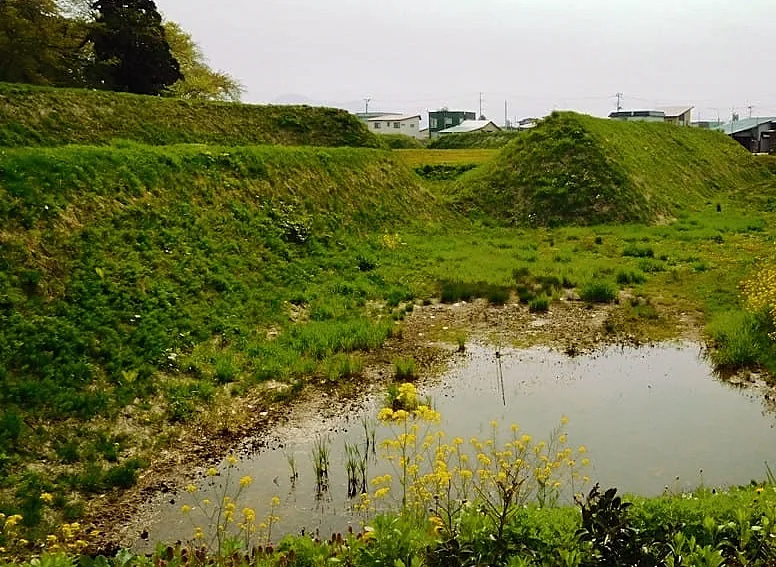
堀越城
青森県の城・史跡のスポットです。
写真:MChew / CC BY-SA 4.0(resized and reformatted)
Photo source ·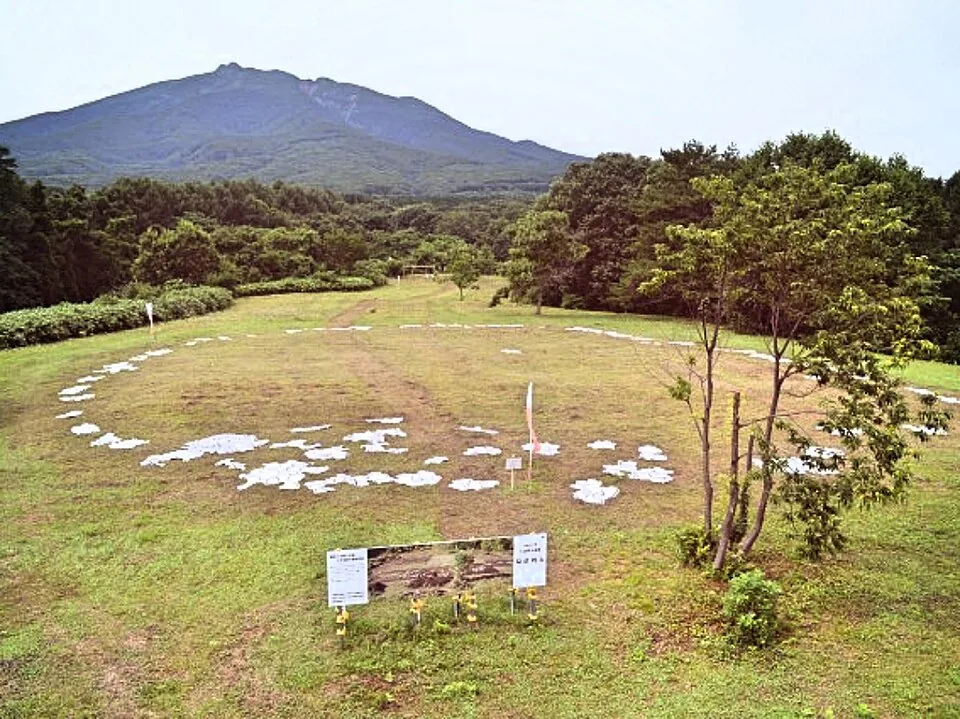
大森勝山遺跡
青森県弘前市にある縄文時代の環状列石を主体とする集落遺跡
写真:MChew / CC BY-SA 4.0(resized and reformatted)
Photo source ·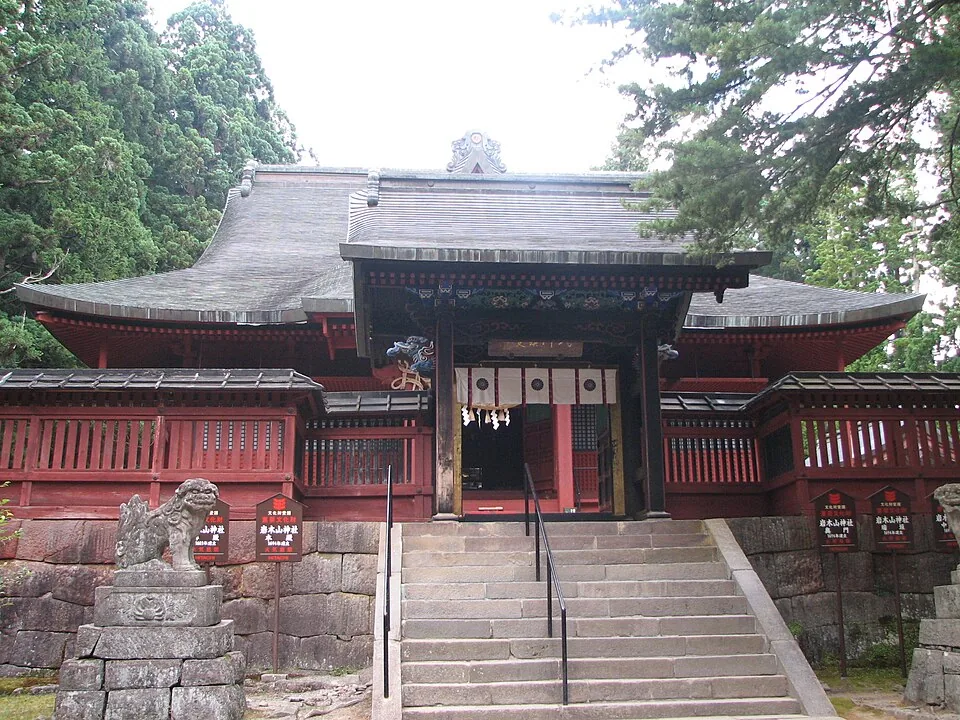
岩木山神社
青森県弘前市にある神社
写真:nnh / Public domain(resized and reformatted)
Photo source ·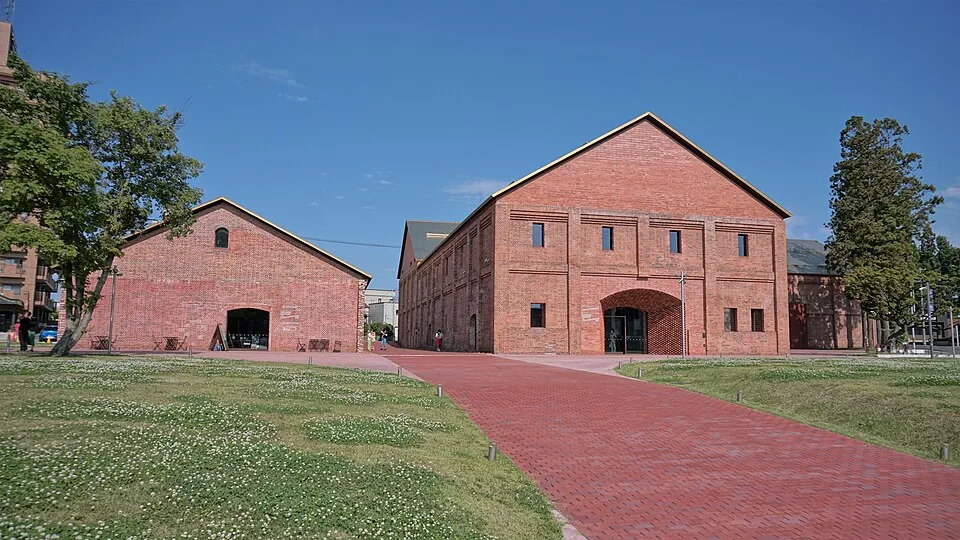
弘前れんが倉庫美術館
青森県弘前市にある現代美術館
写真:掬茶 / CC BY-SA 4.0(resized and reformatted)
Photo source ·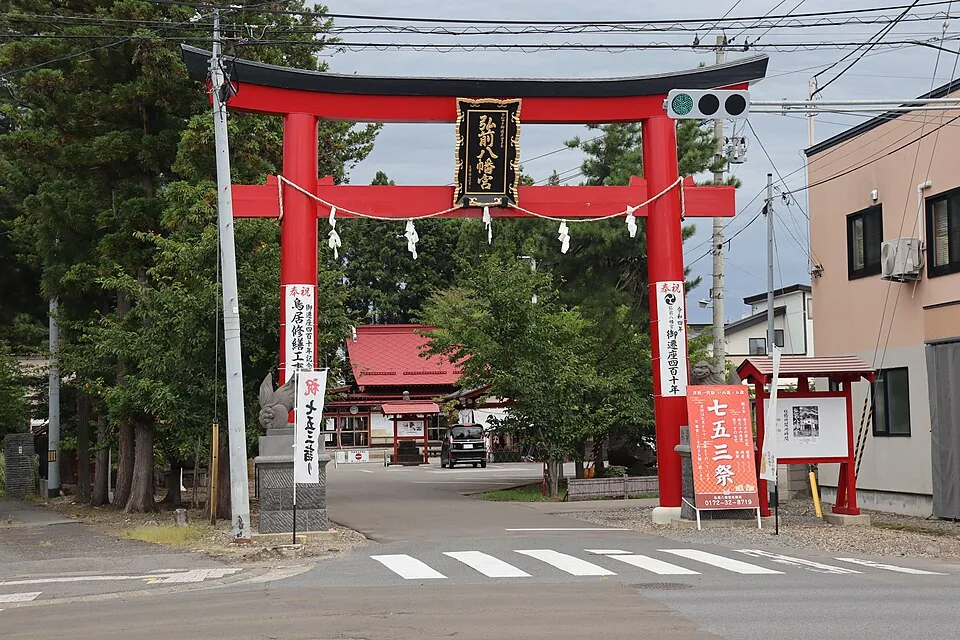
弘前八幡宮
弘前市にある神社
写真:AT@wiki from Japan / CC BY-SA 2.0(resized and reformatted)
Photo source ·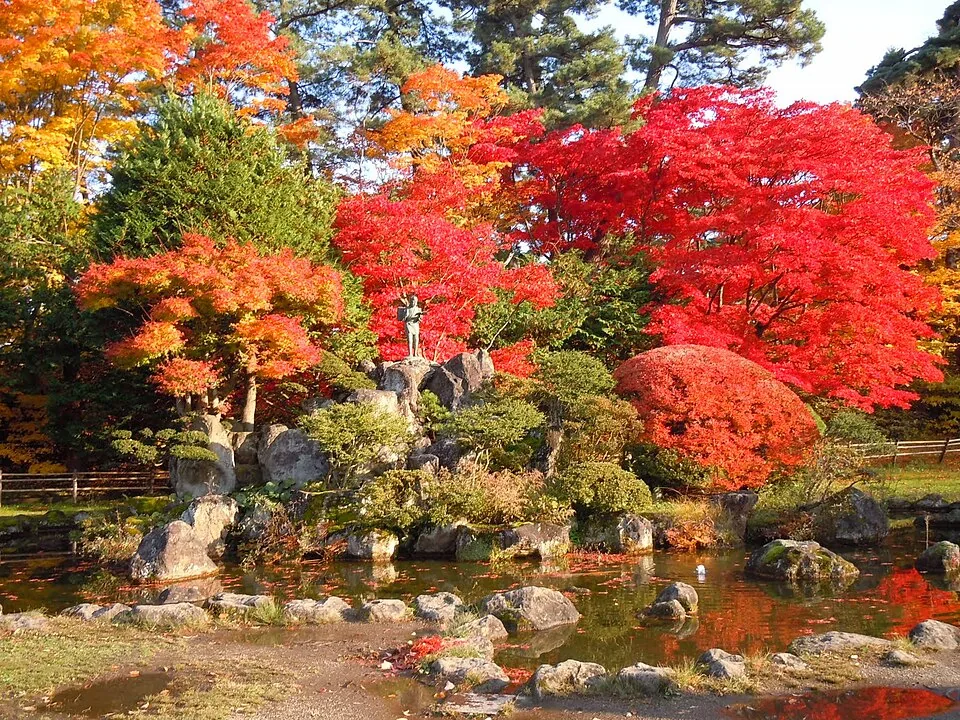
弘前公園
青森県弘前市にある公園
写真:Feri88 / CC BY 3.0(resized and reformatted)
Photo source ·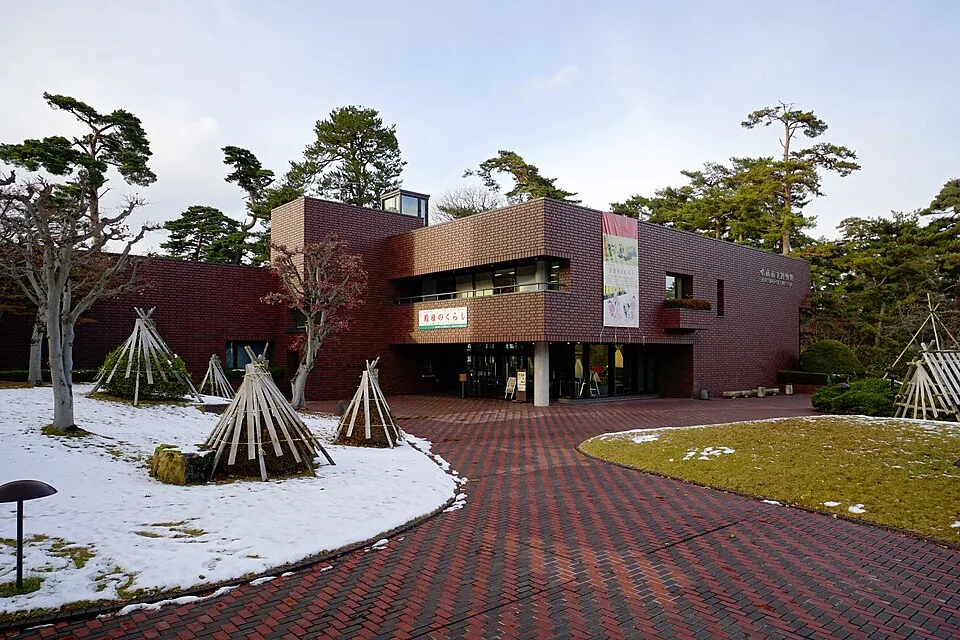
弘前市立博物館
青森県弘前市にある博物館
写真:663highland / CC BY-SA 4.0(resized and reformatted)
Photo source ·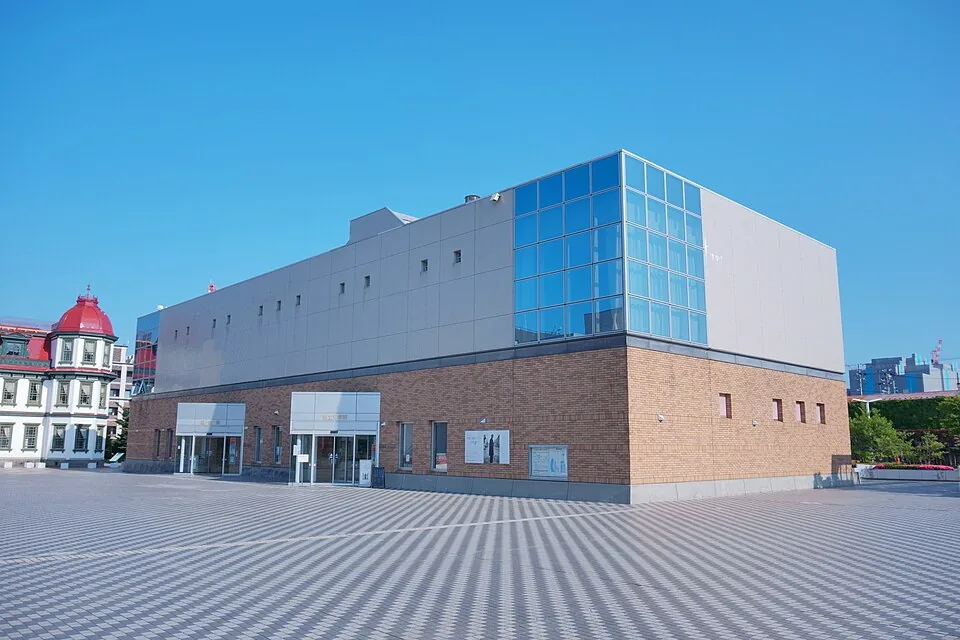
弘前市立郷土文学館
青森県弘前市にある文学館
写真:掬茶 / CC BY-SA 4.0(resized and reformatted)
Photo source ·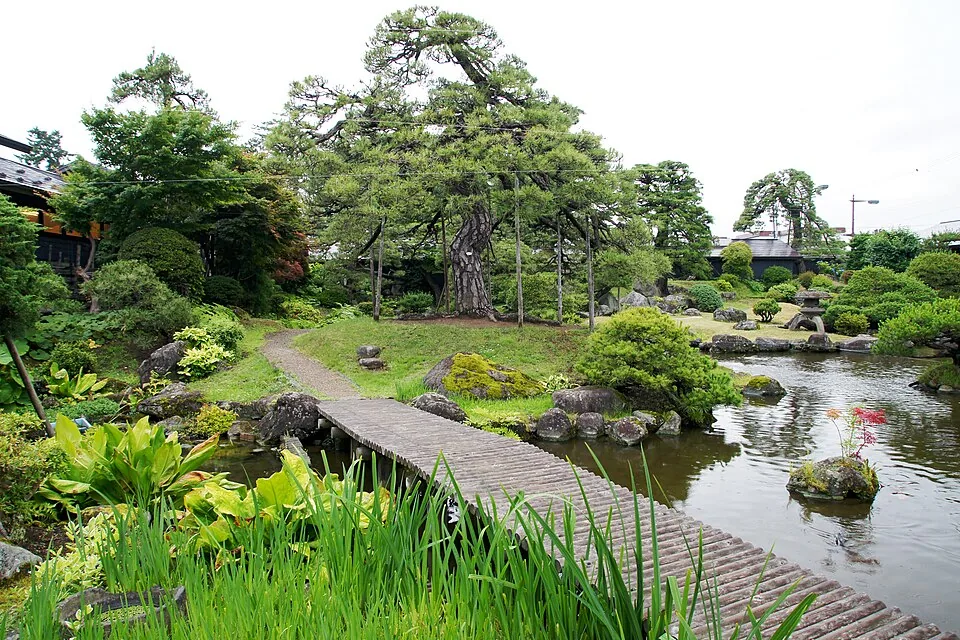
揚亀園
青森県弘前市の津軽藩ねぷた村にある日本庭園
写真:663highland / CC BY 2.5(resized and reformatted)
Photo source ·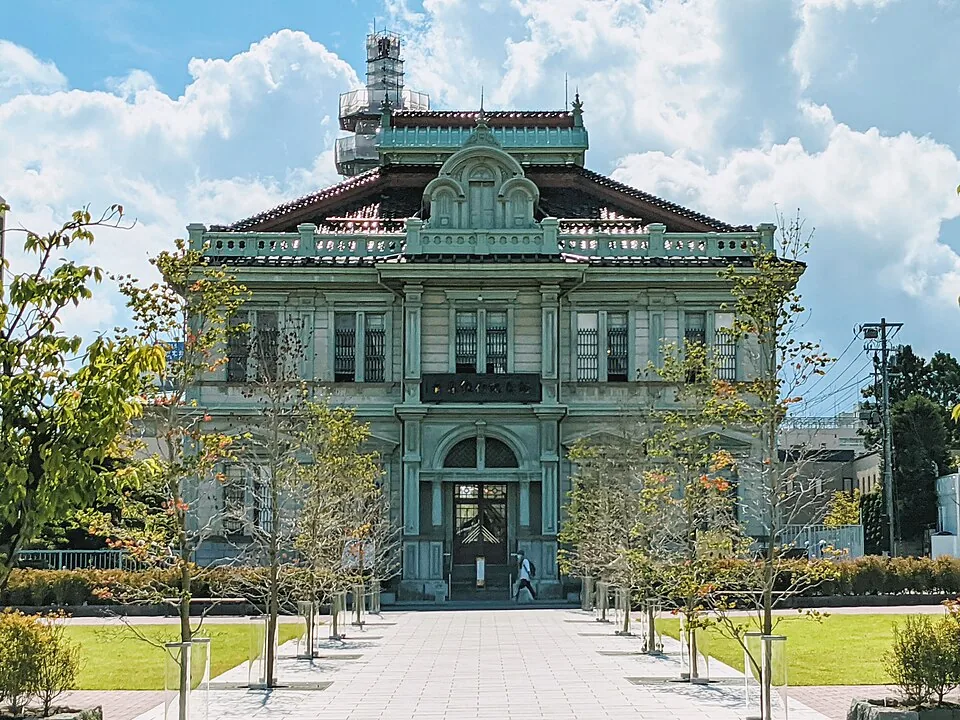
旧第五十九銀行本店本館
青森県弘前市にある歴史的建造物
写真:Kaburamata / CC0(resized and reformatted)
Photo source ·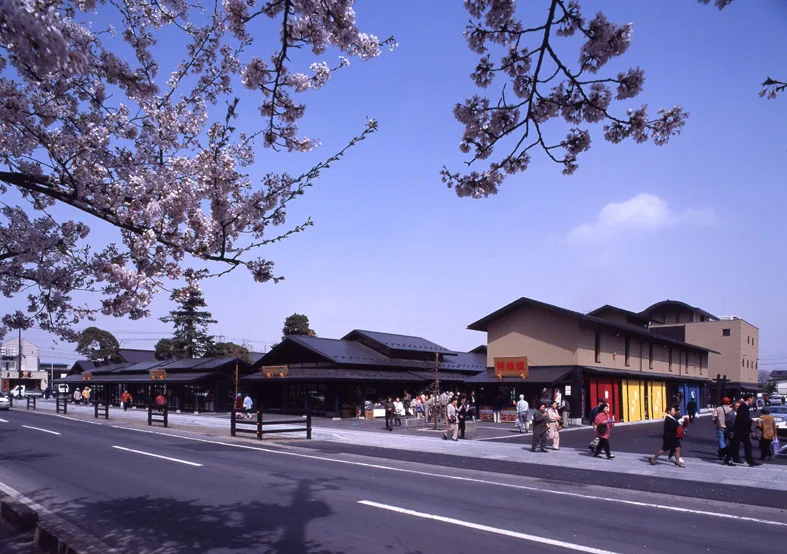
津軽藩ねぷた村
青森県弘前市にある観光施設
写真:津軽藩ねぷた村 / CC BY-SA 3.0(resized and reformatted)
Photo source ·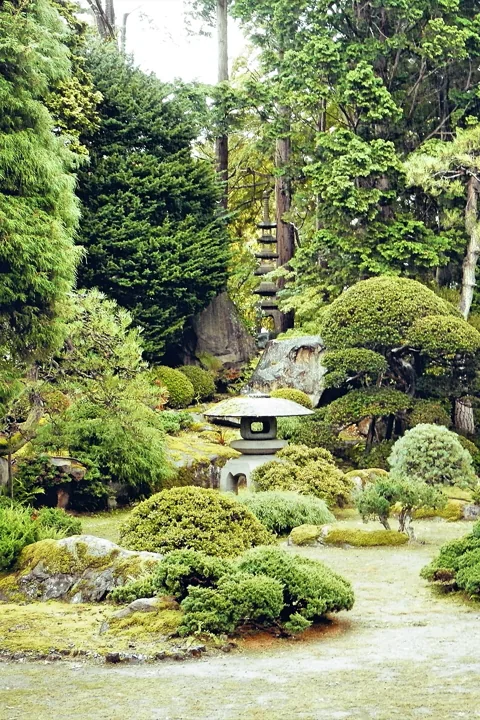
瑞楽園
青森県の公園・庭園のスポットです。
写真:MChew / CC BY-SA 4.0(resized and reformatted)
Photo source ·Origins and History of Tsugaru Kagura
Tsugaru Kagura is said to have begun when Sekiya Bungo, who oversaw Seki Myojin in Tsugaru Fujisaki during the Shotoku era, obtained permission from the Tsugaru Domain to study kagura and passed it on to Tsugaru shrine families.
According to Hirosaki City, Sekiya Bungonokami Yasutaka trained in Edo and Kyoto from 1712 to 1714, then created the dances with Yamabe Tango of Tosho-gu after returning to the domain.
There were many dances in the Edo period, but they were streamlined from the Meiji period onward, and passed down as the current program.
Official information
The Agency for Cultural Affairs’ database of nationally designated cultural properties, Aomori Prefecture, and Hirosaki City publish information about Tsugaru Kagura, its cultural-property designation, and preservation groups.
The Tsugaru Kagura Preservation Society or the municipal board of education is listed as a contact for inquiries about viewing performances.
Tsugaru Kagura at a Glance
Tsugaru Kagura is a traditional performing art with a strong ritual character, offered by Shinto priests in the Tsugaru region at festivals.
Several dances are performed to the accompaniment of flutes, drums, and other instruments; the full form requires seven priests.
Japanese Festivals.jp Editorial Team
Celebrating local culture and helping you discover a side of Japan you never knew.
Article updated: 2026/10/19
Submit information or a correction Submit photos of this festival