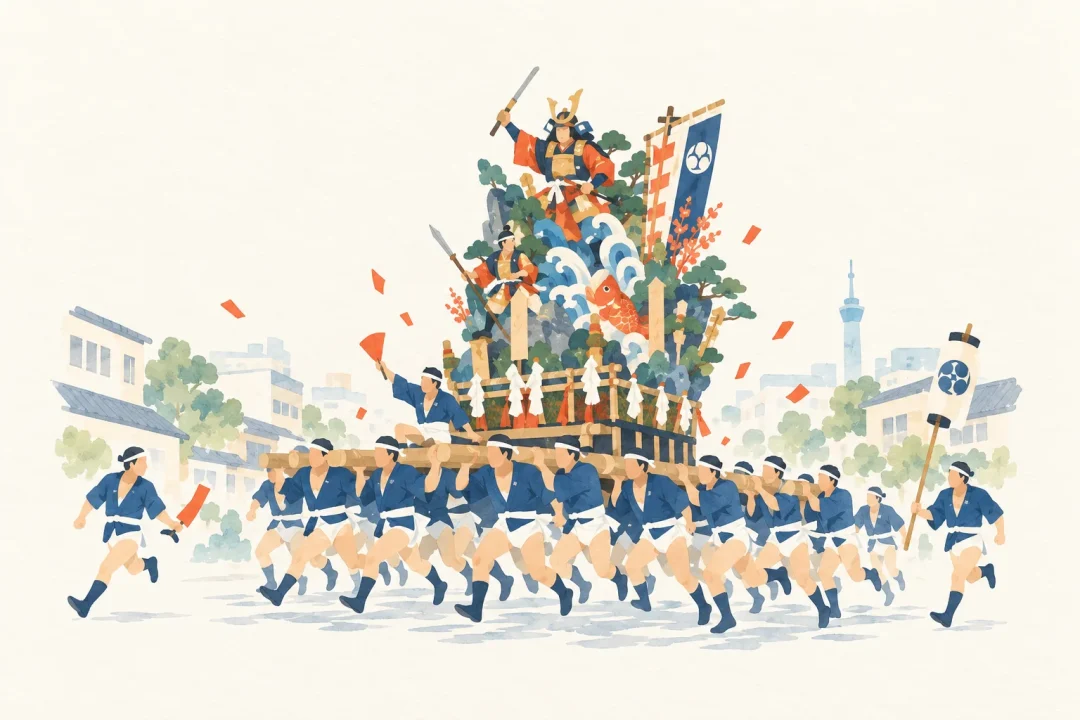
A traditional rite of remembrance carrying prayers from Shoren-ji Temple to the riverside
Shoren-ji Temple's River Segaki
The 2026 edition of Shoren-ji Temple's River Segaki has ended.
Festival information
EVENT INFORMATION- Dates
- 2026/08/26Ended
- Season / frequency
- Every year on August 26 / Once a year
- Location
- Shoren-ji Temple
- Area
- Osaka Prefecture・Osaka City(From Tokyo: approx. 2 h 30 min–3 h · bullet train)Prefecture-level estimate to a main station or airport, not the venue. Airport access, check-in and onward travel are extra; remote areas and islands can take much longer.
- Highlights and activities
- Wishes behind the festival
- Participation / viewing
- Spectators welcome
- Last updated
- 2026/10/19
River Segaki, a rite to pray for the spirits of the deceased, is held at Shoren-ji Temple in Dempo, Konohana Ward, Osaka City. After the Buddhist service, a ceremonial procession carrying a moves through town, and scattered flower petals and wooden prayer tablets are floated by the river.
About Shoren-ji Temple's River Segaki
Shoren-ji Temple's river Segaki is a Buddhist rite held at Shoren-ji Temple in Dempo, Konohana Ward, Osaka City, to pray for the spirits of the deceased by the river.
Segaki is understood as an act of offering food and drink and praying for the spirits of those with and without living connections who suffer in the realm of hungry ghosts.
The observance has continued since Kyoho 6 (1721) and is designated an Intangible Folk Cultural Property by Osaka City.
Source: 大阪市此花区:正蓮寺 (此花区の案内>区の歴史)
Festival highlights
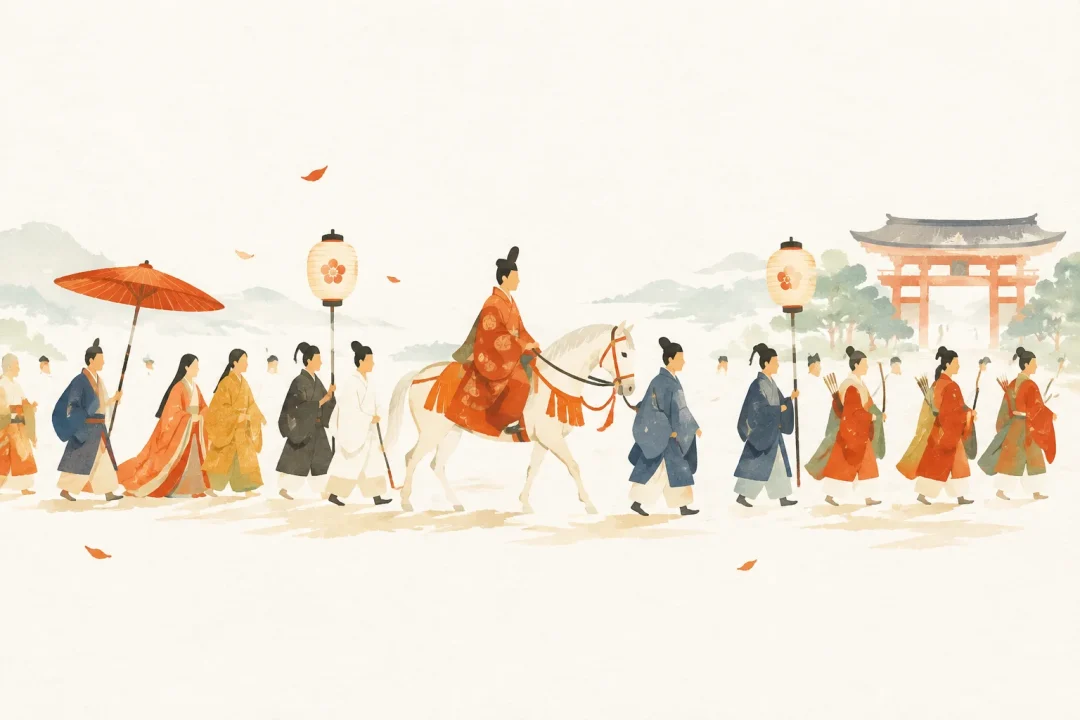
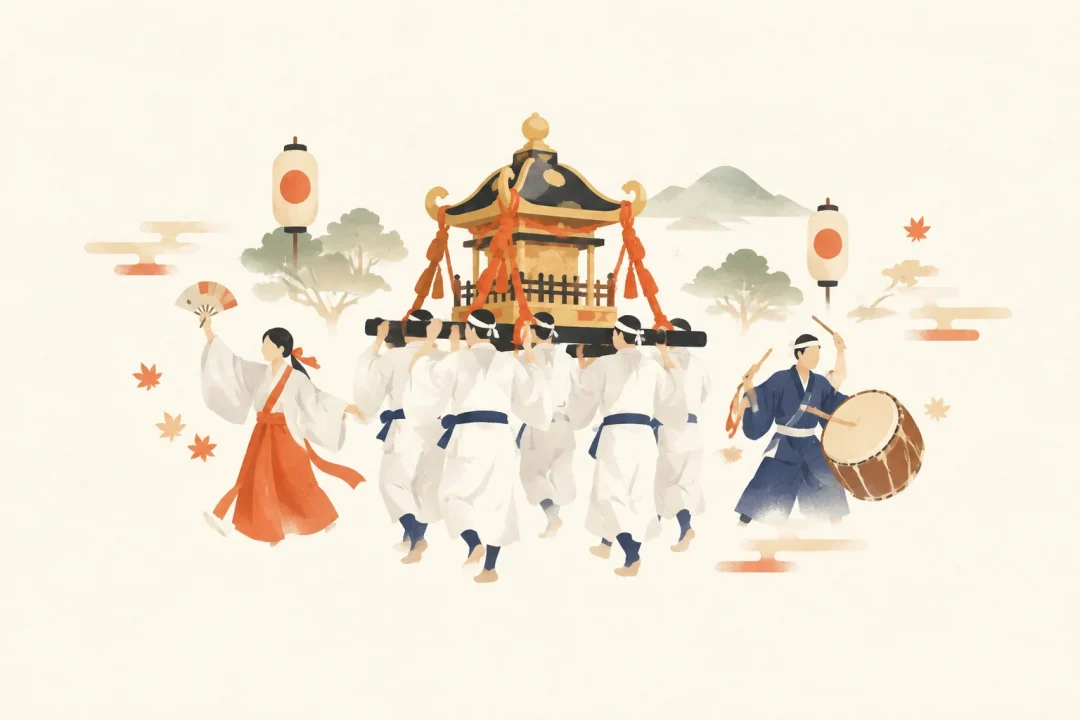
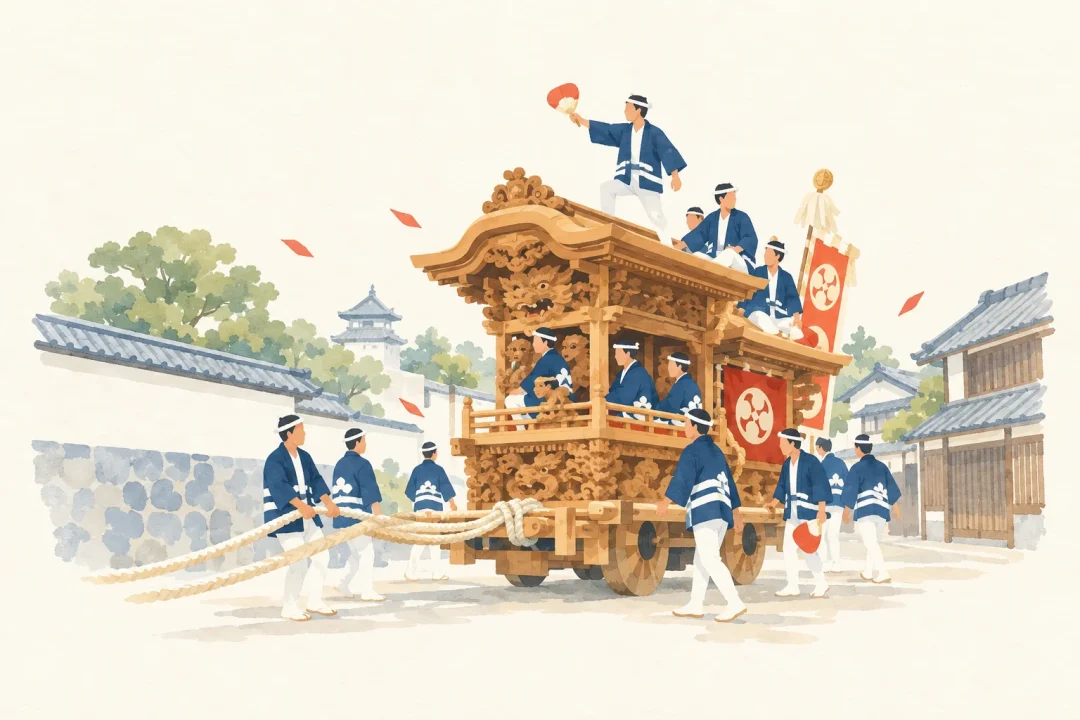
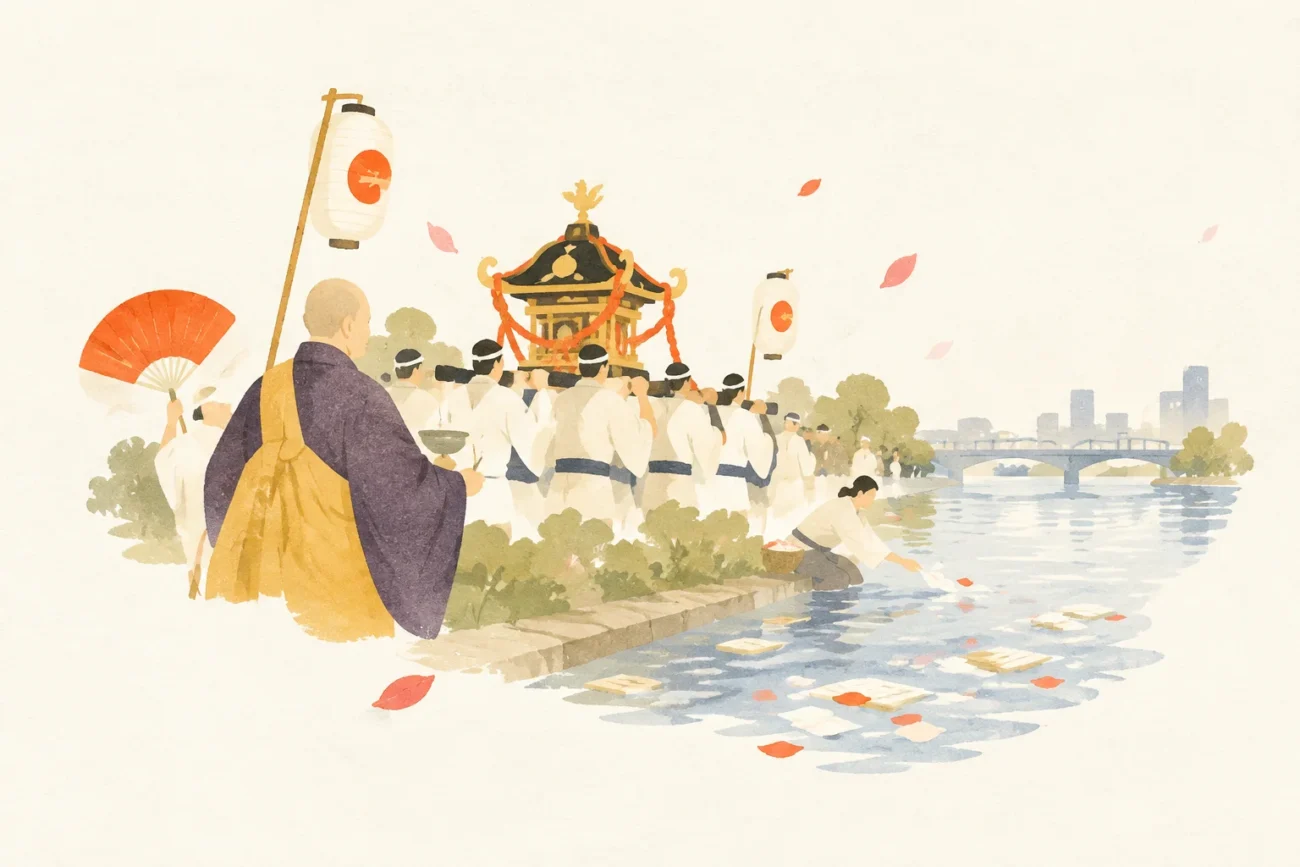
A highlight is the ceremonial procession after the Buddhist service, when a mikoshi bearing a standing image of the ancestral teacher is carried through town as participants chant the title of the Lotus Sutra.
The procession heads to the ferry landing, where offerings are made by the riverbank and in connection with the boats, and scattered flower petals and wooden prayer tablets are floated on the water.
The event is distinctive because its setting includes not only the temple service but also the local streets and riverside.
Source: 日蓮宗新聞社 : 大阪市 伝法大川施餓鬼
A traditional rite of remembrance carrying prayers from Shoren-ji Temple to the riverside
What to expect
In 2026, a Buddhist sermon was given shortly after noon, followed by a service at 2 p.m. and then a ceremonial procession with a mikoshi.
Parishioners and invited guests attended, and children also chanted a ceremonial text during the service.
The ceremonial procession passed through town toward the ferry landing, where scattered flower petals and wooden prayer tablets were floated by the river as offerings.
How to take part
Parishioners and invited guests attend the event, and visitors can observe the Buddhist service and riverside rites of remembrance.
Whether members of the public can take part in the ceremony and how to attend should be confirmed before the event.
When watching, please respect that this is a place of prayer for the deceased and avoid disrupting the proceedings.
Location and access
- Venue and address
Shoren-ji Temple (6-4-4 Dempo, Konohana Ward, Osaka City)
- Train and bus
Get off at Torishima 2-chome on the Osaka City Bus, then walk about 150 m south.
Address 6-4-4 Dempo, Konohana Ward, Osaka City
Dates and season
2026 event information (the listed date has passed)
In 2026, the observance was held on August 26 (Wednesday), and the Buddhist service began at 2 p.m.
The 2026 event has ended.
This event is usually held on August 26.
Accommodation and hotels PR
Showing nearby accommodation.
Prices and availability are current at the time of retrieval. For multi-night stays, only the first night’s price is shown. Confirm the final price and directions to the venue with the booking provider. Select your dates again when using the area search link. Search area: within 3 km of Central Osaka Prefecture / Osaka City (the search is not centered on the festival venue)
Tips for your visit
As the event includes a Buddhist service at the temple and rites of remembrance by the river, please observe quietly from a place that does not obstruct the ceremony or attendees.
Take care where you walk and near the water during the riverside portions of the event.
Event times, the program, and how the riverside activities are conducted may vary from year to year, so check before visiting.
Nearby attractions
A marker for the old Amagasaki Kaido road stands in front of Shoren-ji Temple.
The marker can be explored alongside river Segaki as a point of interest for learning about the history of the same site as Shoren-ji Temple.
Please follow local guidance for details on how to view the marker and any access conditions.

難波八阪神社
大阪市にある神社

ユニバーサル・スタジオ・ジャパン
日本の大阪府大阪市此花区にあるテーマパーク

Sumiyoshi Taisha
大阪市住吉区の神社

国立国際美術館
大阪市北区中之島にある美術館

坐摩神社
大阪市中央区の神社

大阪ビジネスパーク
大阪市中央区にある超高層ビル群

大阪城公園
大阪市の公園

大阪天満宮
大阪市北区にある神社

大阪市立東洋陶磁美術館
大阪市北区中之島にある美術館

大阪市立科学館
大阪市北区中之島にある科学館

大阪市立美術館
大阪市天王寺区にある美術館

大阪歴史博物館
大阪府大阪市中央区にある博物館
Origins and History of Shoren-ji Temple's River Segaki
Shoren-ji Temple is said to have originated when Shoren Nipo founded a small hermitage in Kan'ei 2 (1625).
River Segaki began in Kyoho 6 (1721) and has been known since the Edo period.
The present main hall dates from Meiji 7, and river Segaki was designated an Intangible Folk Cultural Property by Osaka City in fiscal year Heisei 16.
Official information
Osaka City's Konohana Ward provides information on Shoren-ji Temple's location, transportation, history, the origins of the river Segaki observance, and its designation as a cultural property.
Details of the 2026 event are available in a report by the Nichiren Shu Newspaper Company.
Shoren-ji Temple's River Segaki at a Glance
Shoren-ji Temple's river Segaki is a riverside rite of remembrance in Dempo, Konohana Ward, that has continued since Kyoho 6 (1721).
After the Buddhist service, a ceremonial procession carrying a mikoshi moves through town, and scattered flower petals and wooden prayer tablets are floated down the river to pray for the spirits of the deceased.
It is an Intangible Folk Cultural Property designated by Osaka City and an event that conveys the ties between the temple, the local community, and the river.
Japanese Festivals.jp Editorial Team
Celebrating local culture and helping you discover a side of Japan you never knew.
Article updated: 2026/10/19
Submit information or a correction Submit photos of this festival