Niisato’s Harvest Festival, where the settlement’s prayers live on in the lions, stick-fighting, and women’s dance
Niisato Harvest Festival
Festival information
EVENT INFORMATION- Season / frequency
- Day of the Earth on lunar calendar: June / Once a year
- Area
- Okinawa Prefecture・Miyakojima City(From Tokyo: approx. 2 h 30 min–3 h · flight time only)Prefecture-level estimate to a main station or airport, not the venue. Airport access, check-in and onward travel are extra; remote areas and islands can take much longer.
- Wishes behind the festival
- Last updated
- 2026/10/23
A Harvest Festival passed down in Niisato, Ueno, Miyakojima City. Through , stick-fighting, the women’s dance, and tug-of-war, people give thanks for a good harvest and pray for the community’s development.
About Niisato Harvest Festival
Niisato’s Harvest Festival is held on the Day of the Earth on lunar calendar: June in Niisato, Ueno, Miyakojima City.
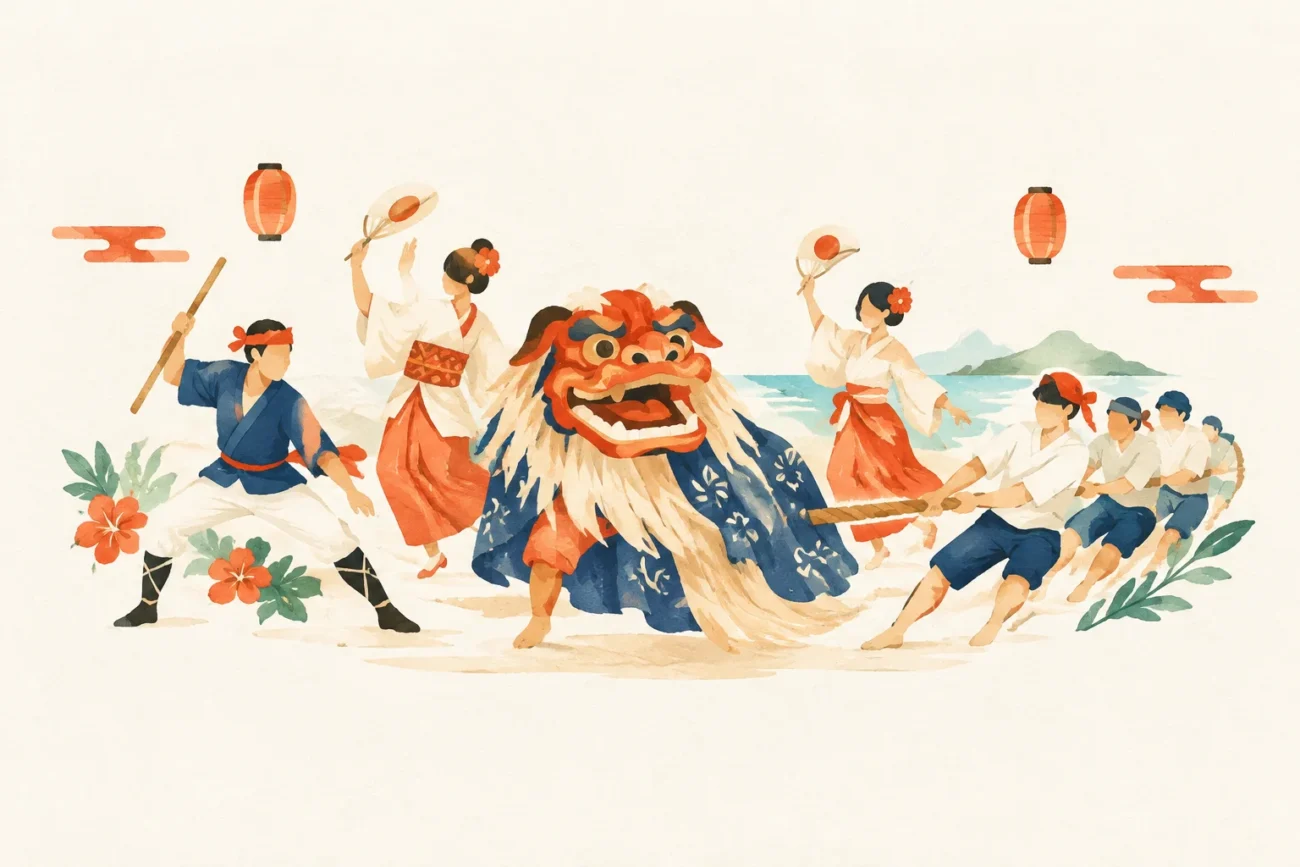
The festival is made up of lion dances, stick-fighting, the women’s dance, tug-of-war, and other events, and is passed down as a celebration giving thanks for a good harvest and praying for the settlement’s development.
It is also listed as a Miyakojima City-designated Intangible Folk Cultural Property.
Source: 【市指定:無形民俗】新里の豊年祭|宮古島市の文化財|宮古島市 / 宮古島市の文化財|観光・イベント情報|宮古島市
Festival highlights
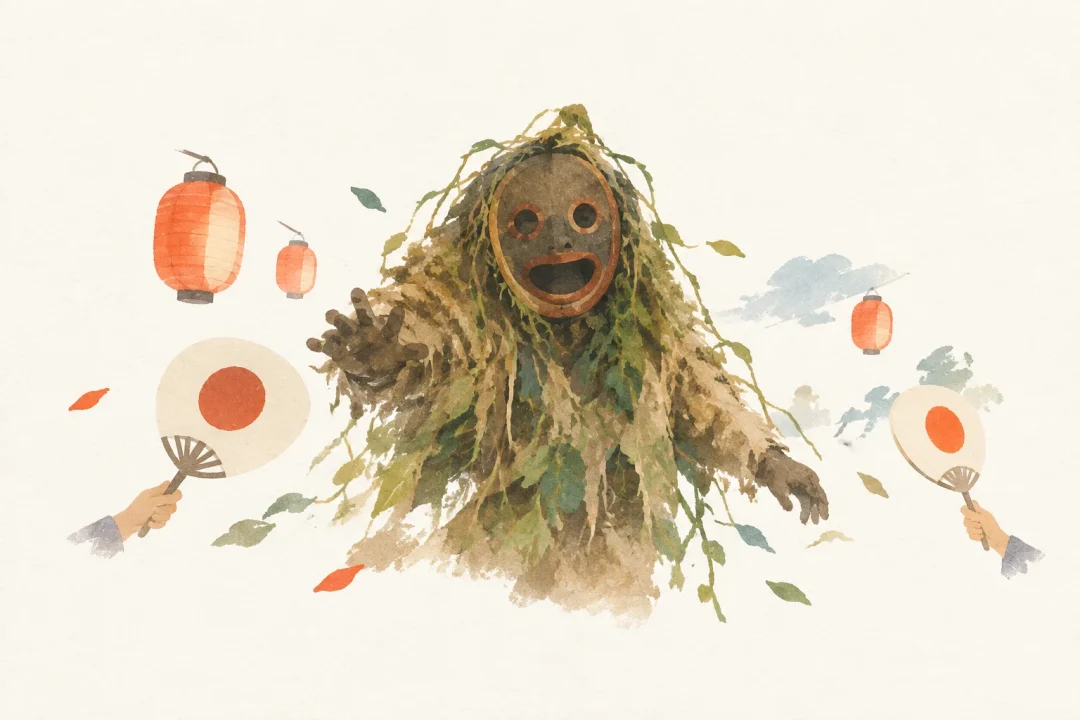
The highlight is the sight of the 2 male and female lions raising their heads when urged on by the music and parading as if alive.
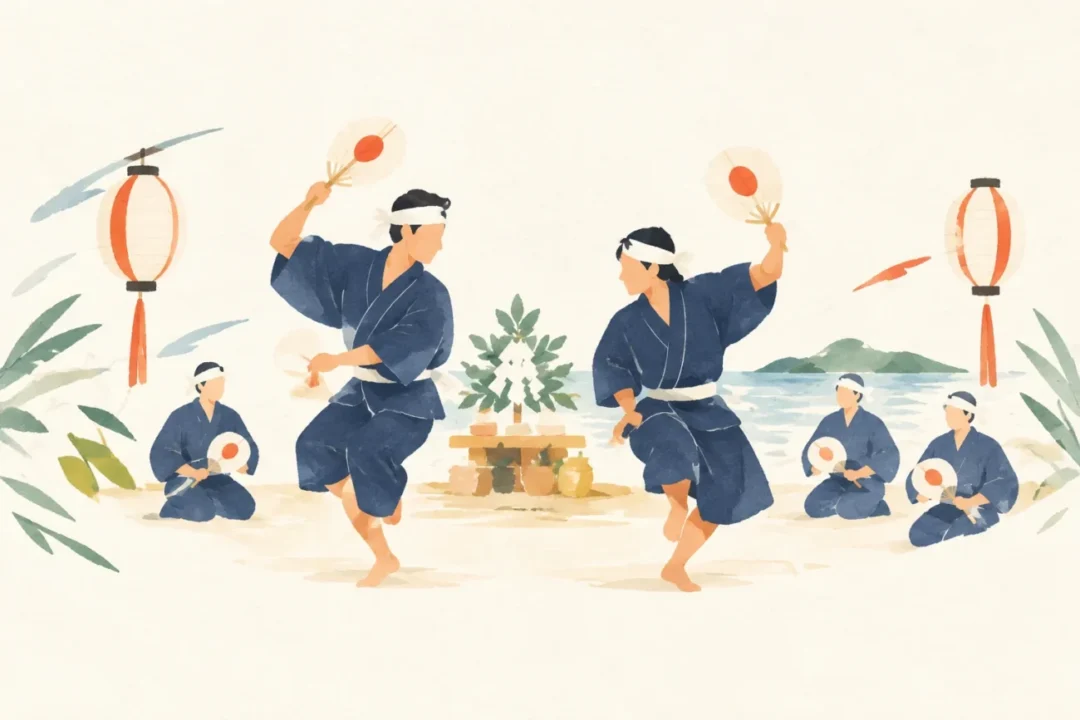
During the stick-fighting, the men shout, leap into the air, and strike their sticks together with great force.
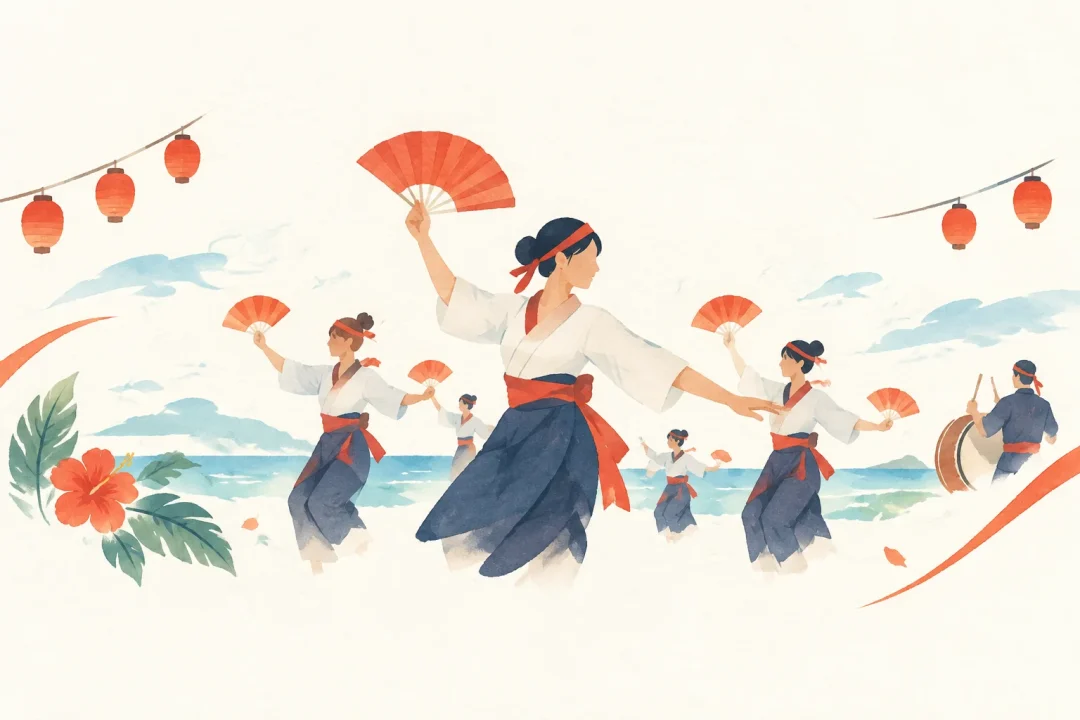
In contrast to the bold stick-fighting dance, the women’s dance is passed down as a poignant, plaintive performance.
Niisato’s Harvest Festival, where the settlement’s prayers live on in the lions, stick-fighting, and women’s dance
What to expect
At the festival, shrine attendants and settlement officials pray at the utaki, followed by offerings and performances.
According to the recorded account, tug-of-war, lion dances, stick-fighting, and the women’s dance took place in the afternoon.
A custom is also described of preparing a soybean and kelp stew for the festival and sharing it with participants as “yū.”
Location and access
- Address
Miyakojima City
Host municipality 沖縄県宮古島市
This map shows the surrounding area, not the exact venue location.
Dates and season
- Season
Day of the Earth on lunar calendar: June
- Frequency
Once a year
Accommodation and hotels PR
Showing nearby accommodation.
Prices and availability are current at the time of retrieval. For multi-night stays, only the first night’s price is shown. Confirm the final price and directions to the venue with the booking provider. Select your dates again when using the area search link. Search area: within 3 km of Central Okinawa Prefecture / Miyakojima City (the search is not centered on the festival venue)
Nearby attractions

うえのドイツ文化村
沖縄県宮古島市上野にあるテーマパーク
写真:Uzumaki~jawiki at Japanese Wikipedia / CC BY-SA 3.0
Photo source ·
宮古島市熱帯植物園
沖縄県宮古島市にある植物園

宮古島市総合博物館
沖縄県宮古島市にある博物館
Origins and History of Niisato Harvest Festival
The festival’s origins are unclear, but one theory holds that it began as people who had moved from Motomajima, near the coast, to the settlement’s current elevated site after the Great Meiwa Tsunami of 1771, and migrants from Irabu Island and elsewhere established their faith.
Niisato settlement was later incorporated into Shimoji Village in 1908, became Niisato, Ueno Village in 1948, and became Niisato, Ueno, Miyakojima City, in the 2005 merger.
Records state that the Harvest Festival was designated an Intangible Folk Cultural Property in 1995.
Official information
Miyakojima City, “Niisato Harvest Festival [City-designated Intangible Folk Cultural Property]” cultural property page
Niisato Harvest Festival at a Glance
Niisato’s Harvest Festival, an Intangible Folk Cultural Property of Niisato, Ueno, Miyakojima City, is held on the Day of the Earth on lunar calendar: June.
Traditions include male and female lion dances, stick-fighting with forceful clashes of sticks, a plaintive women’s dance, and tug-of-war.
One theory links its origins to the settlement’s reconstruction after the Great Meiwa Tsunami, and records describe it as a local festival praying for a good harvest and freedom from illness and misfortune.
Japanese Festivals.jp Editorial Team
Celebrating local culture and helping you discover a side of Japan you never knew.
Article updated: 2026/10/23
Submit information or a correction Submit photos of this festival