The prayers of Toyomatsu, passed down through taiko, hot-water purification, and horseback contests
Shinji—Watari-byoshi, Miyaza, Oyudate Shinji, and Yabusame Shinji
Festival information
EVENT INFORMATION- Season / frequency
- Every year October, on the eve of the autumn festival / Every year
- Location
- Tsuruoka Hachiman (Toyomatsu)
- Area
- Hiroshima Prefecture・Jinseki-Kogen Town(From Tokyo: approx. 3 h 50 min–4 h 20 min · bullet train)Prefecture-level estimate to a main station or airport, not the venue. Airport access, check-in and onward travel are extra; remote areas and islands can take much longer.
- Highlights and activities
- Last updated
- 2026/11/14
These , passed down at Tsuruoka Hachiman in Toyomatsu, Jinseki-Kogen Town, comprise Watari-byoshi, Miyaza, Oyudate Shinji, and Shinji. The deities are welcomed on the eve of the autumn festival, followed by dances, purification with hot water, and a horse-based divination for the year ahead.
About Shinji—Watari-byoshi, Miyaza, Oyudate Shinji, and Yabusame Shinji
These shinji have been passed down at Tsuruoka Hachiman in Toyomatsu, Jinseki-Kogen Town, and comprise Watari-byoshi, Miyaza, Oyudate Shinji, and Yabusame Shinji.
As the guardian shrine of 8 nearby villages, it has been run by the shrine families and their association in the area, known as the association of 8 shrines.
Every year October, on the eve of the autumn festival, the deities of the area are welcomed, and is performed around the dance pavilion.
This event preserves ancient customs in which deities and people connect through kagura.
Festival highlights
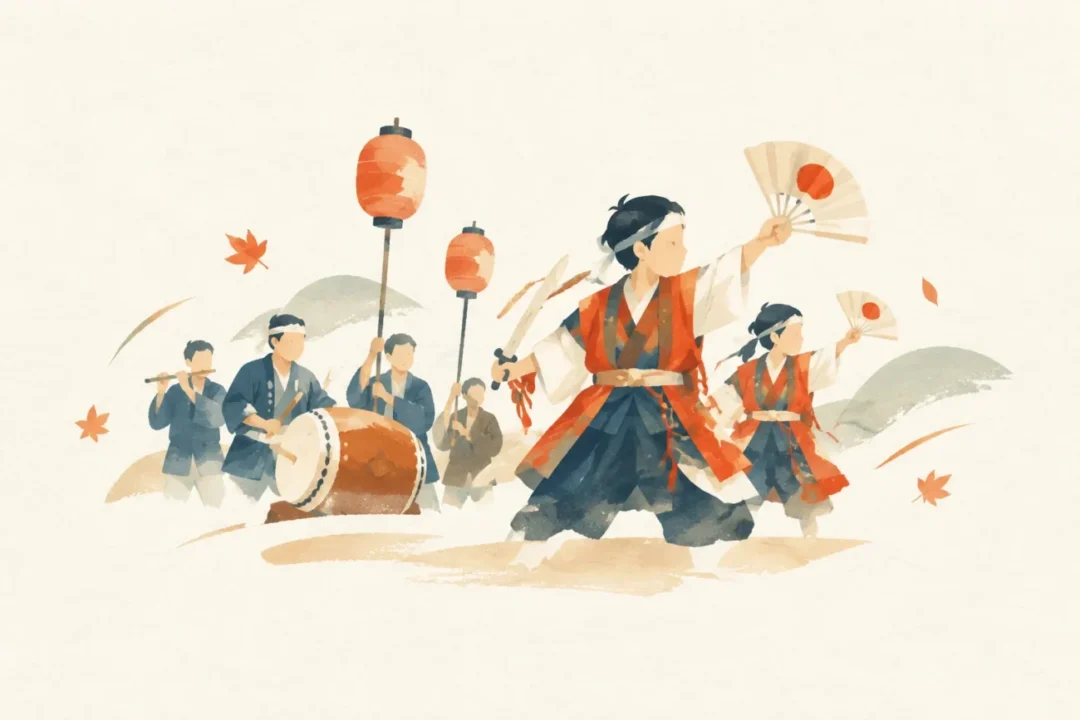
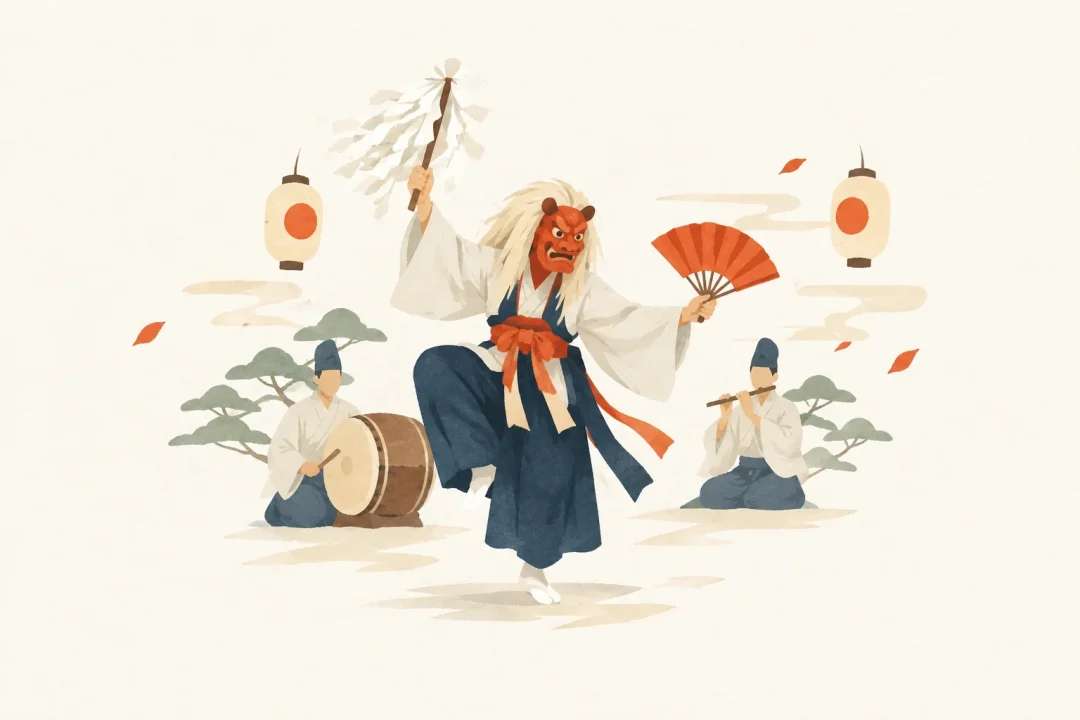
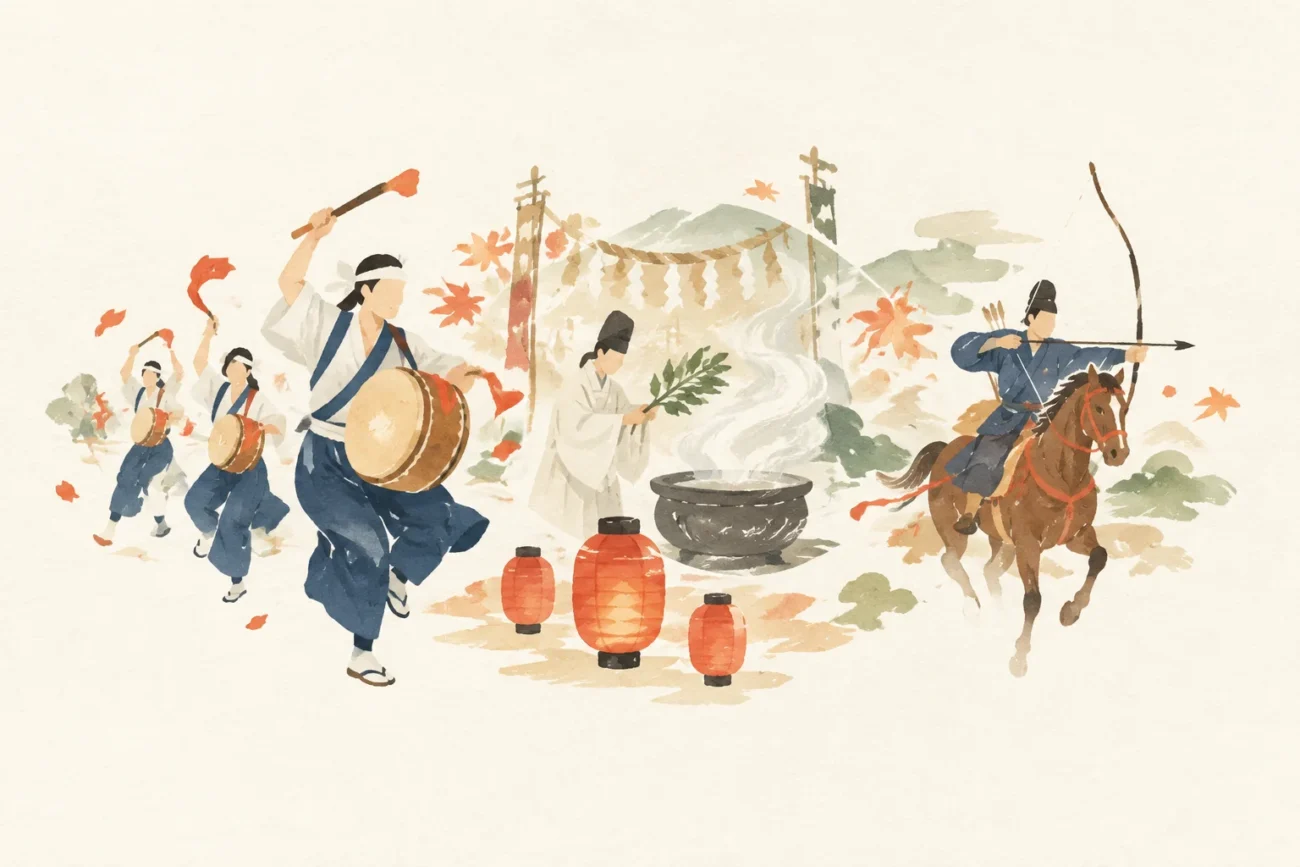
A highlight is Watari-byoshi, which combines taiko dances with accompaniment of the .
At the Miyaza, and ujiko share a naorai banquet, while in Oyudate Shinji, water is heated and used for purification.
In Yabusame Shinji, Kami-Toyomatsu and Shimo-Toyomatsu compete on horseback, and divine the year ahead.
Each shinji has a distinct character: music, a naorai banquet, purification with hot water, or a horseback contest.
The prayers of Toyomatsu, passed down through taiko, hot-water purification, and horseback contests
What to expect
The event begins by welcoming the deities of the area on the eve of the autumn festival.
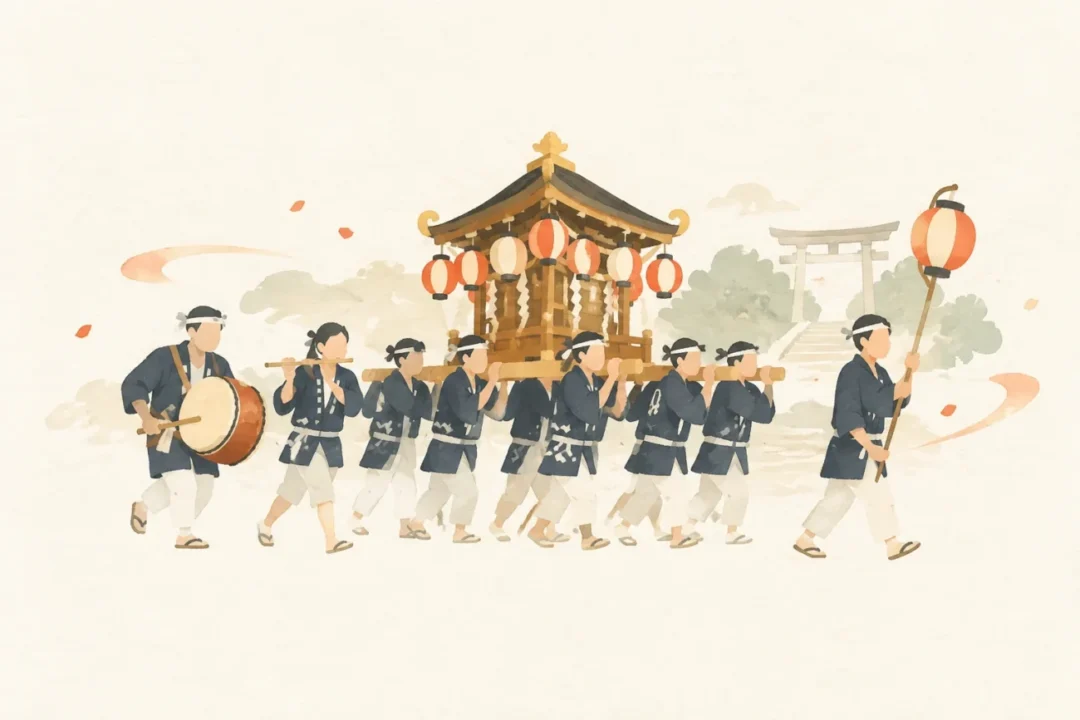
In Watari-byoshi, ujiko from Kami-Toyomatsu and Shimo-Toyomatsu join together to perform taiko dances and accompany the mikoshi as offerings. At the Miyaza, shinshoku and ujiko share a naorai banquet.
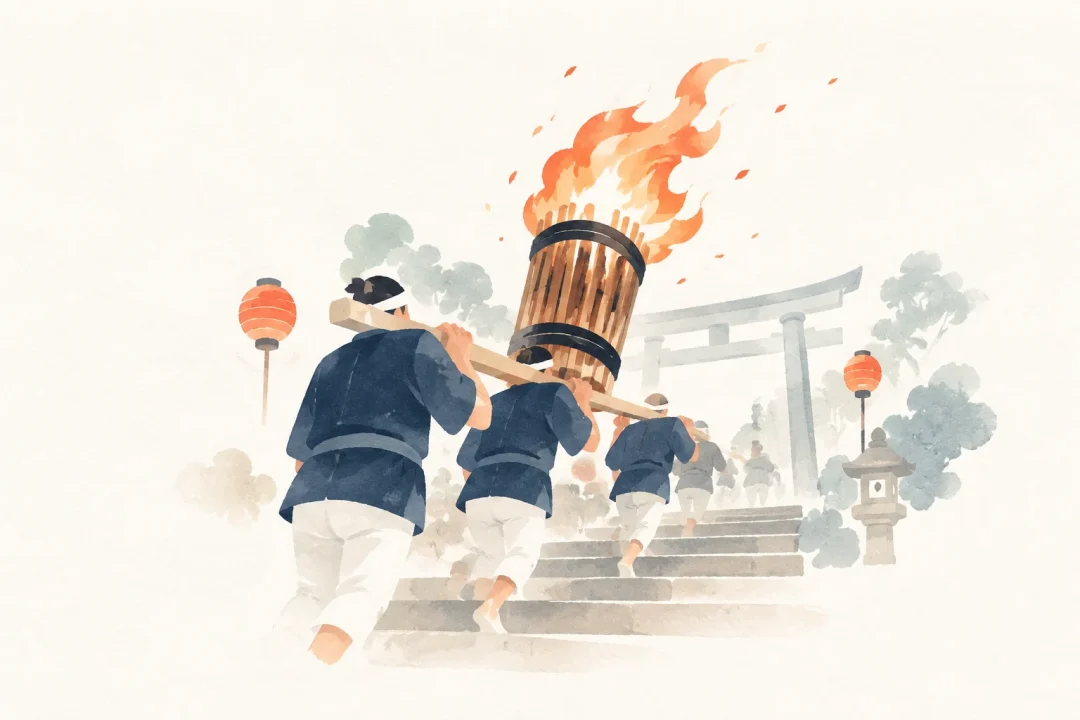
Oyudate Shinji takes place during the Miyaza proceedings: water is heated and used for purification.
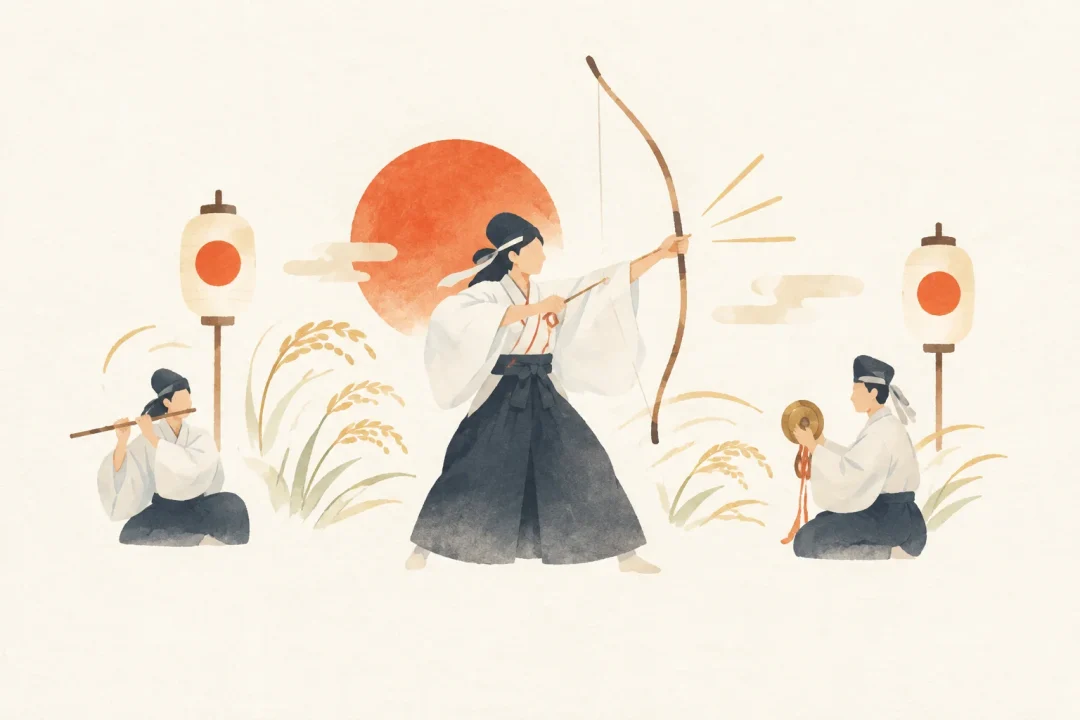
In Yabusame Shinji, ujiko offer horses, and Kami-Toyomatsu and Shimo-Toyomatsu compete to determine the outcome and divine the year ahead.
Location and access
- Venue and address
Tsuruoka Hachiman (Toyomatsu, Jinseki-Kogen Town)
Address Toyomatsu, Jinseki-Kogen Town, Jinseki District
Dates and season
- Season
Every year October, on the eve of the autumn festival
- Frequency
Every year
Accommodation and hotels PR
Showing nearby accommodation.
Prices and availability are current at the time of retrieval. For multi-night stays, only the first night’s price is shown. Confirm the final price and directions to the venue with the booking provider. Select your dates again when using the area search link. Search area: within 3 km of Central Hiroshima Prefecture / Jinseki-Kogen Town (the search is not centered on the festival venue)
Origins and History of Shinji—Watari-byoshi, Miyaza, Oyudate Shinji, and Yabusame Shinji
Tsuruoka Hachiman is the guardian shrine of 8 nearby villages, and the festival has been conducted by the shrine families and their association within the area, known as the association of 8 shrines.
Held every year October on the eve of the autumn festival as a shrine-hall observance to welcome the deities, it is described as preserving ancient customs to this day.
The arrangement of Watari-byoshi, Miyaza, Yudate, and Yabusame brings together ujiko offerings, a banquet, purification, and divination for the year ahead as one continuous festival.
Official information
According to materials from Hiroshima Prefecture, “Shinji—Watari-byoshi, Miyaza, Oyudate Shinji, and Yabusame Shinji” was designated a prefectural Intangible Folk Cultural Property in Showa 41 April 28.
Jinseki-Kogen Town, Jinseki District, is listed as its location.
Shinji—Watari-byoshi, Miyaza, Oyudate Shinji, and Yabusame Shinji at a Glance
These shinji are a prefectural Intangible Folk Cultural Property passed down at Tsuruoka Hachiman in Toyomatsu, Jinseki-Kogen Town.
Every year October, on the eve of the autumn festival, the deities of the area are welcomed, and Watari-byoshi, Miyaza, Oyudate Shinji, and Yabusame Shinji are performed.
Taiko dances and mikoshi accompaniment, a naorai shared by ujiko and shinshoku, purification with hot water, and a horseback contest with divination for the year ahead come together to convey the festival that unites 8 villages.
Sources and references
Japanese Festivals.jp Editorial Team
Celebrating local culture and helping you discover a side of Japan you never knew.
Article updated: 2026/11/14