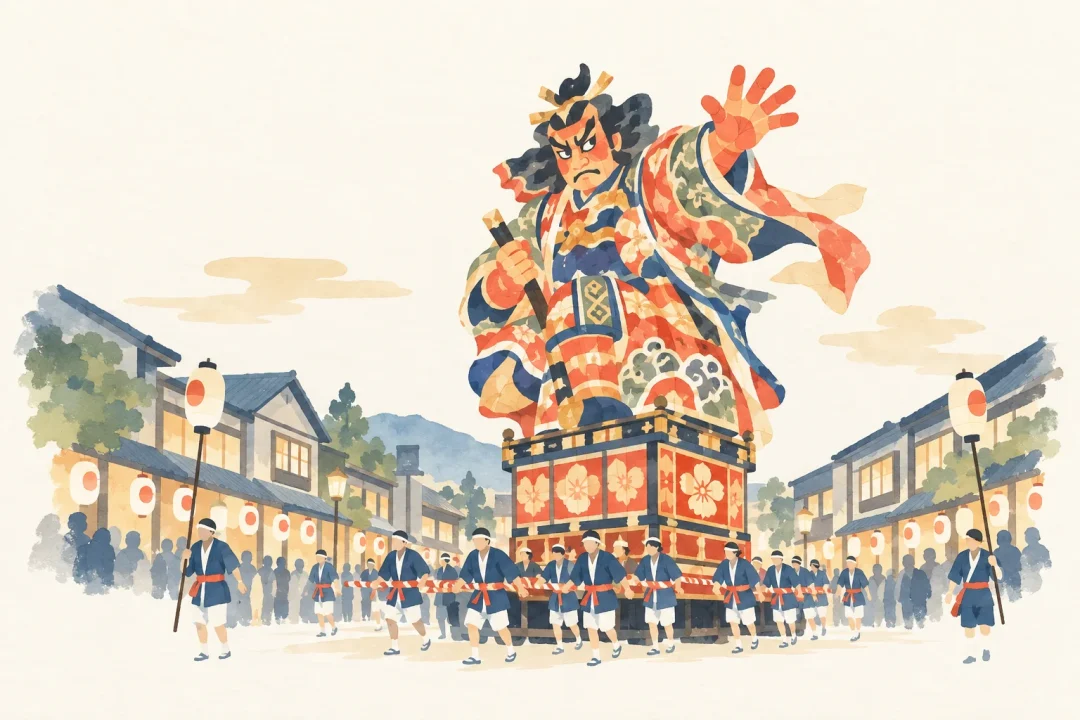
Guided by song and taiko, two deities link the village in Hondō-chō’s procession ritual
Oshissama no Owatari
Festival information
EVENT INFORMATION- Season / frequency
- Every year
- Location
- Takao Shrine’s “Yoi-no-Miya” to the “Machite-no-Miya”
- Area
- Fukui Prefecture・Fukui City(From Tokyo: approx. 2 h 50 min–3 h 20 min · bullet train)Prefecture-level estimate to a main station or airport, not the venue. Airport access, check-in and onward travel are extra; remote areas and islands can take much longer.
- Highlights and activities
- Wishes behind the festival
- Participation / viewing
- Spectators welcome
- Last updated
- 2026/11/22
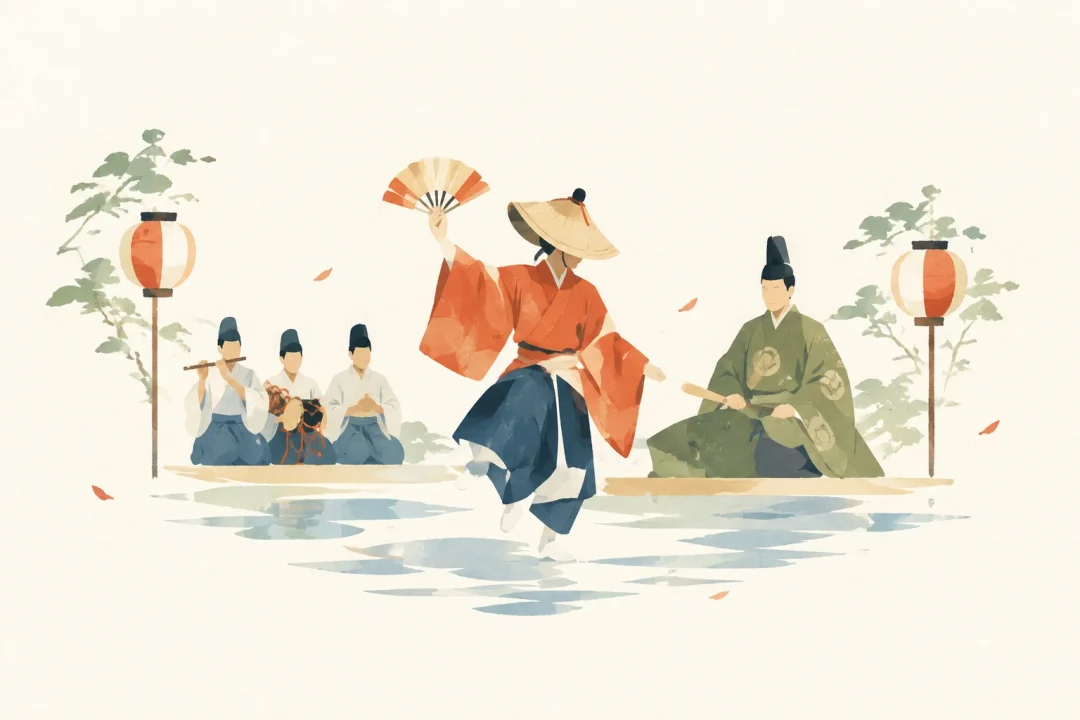
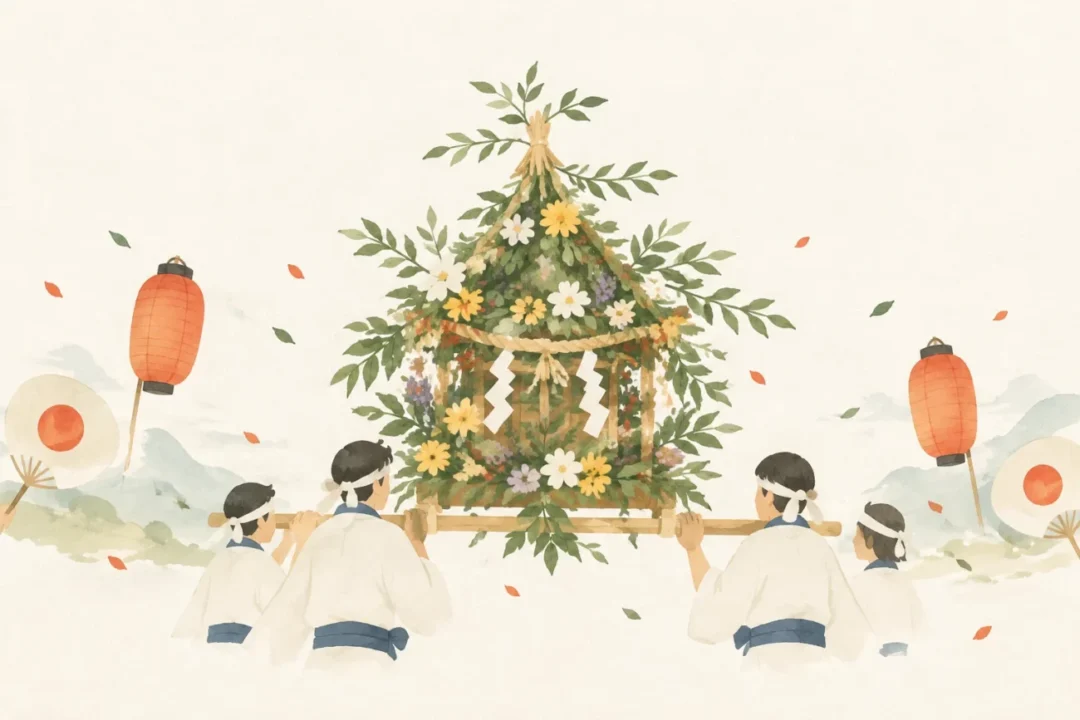
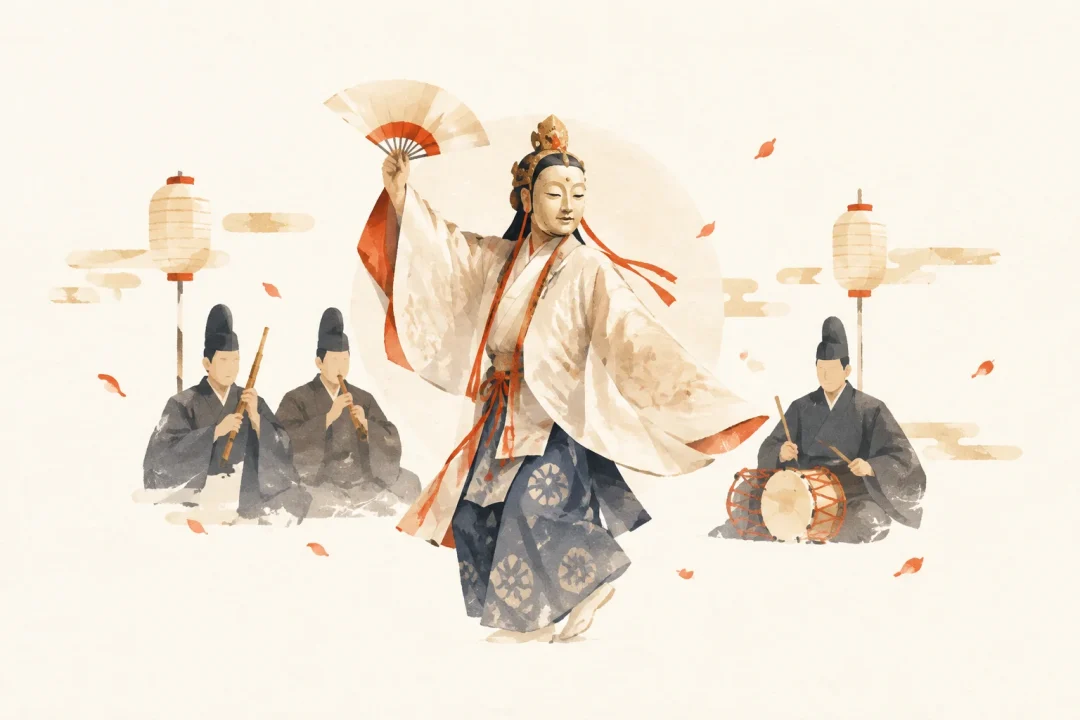
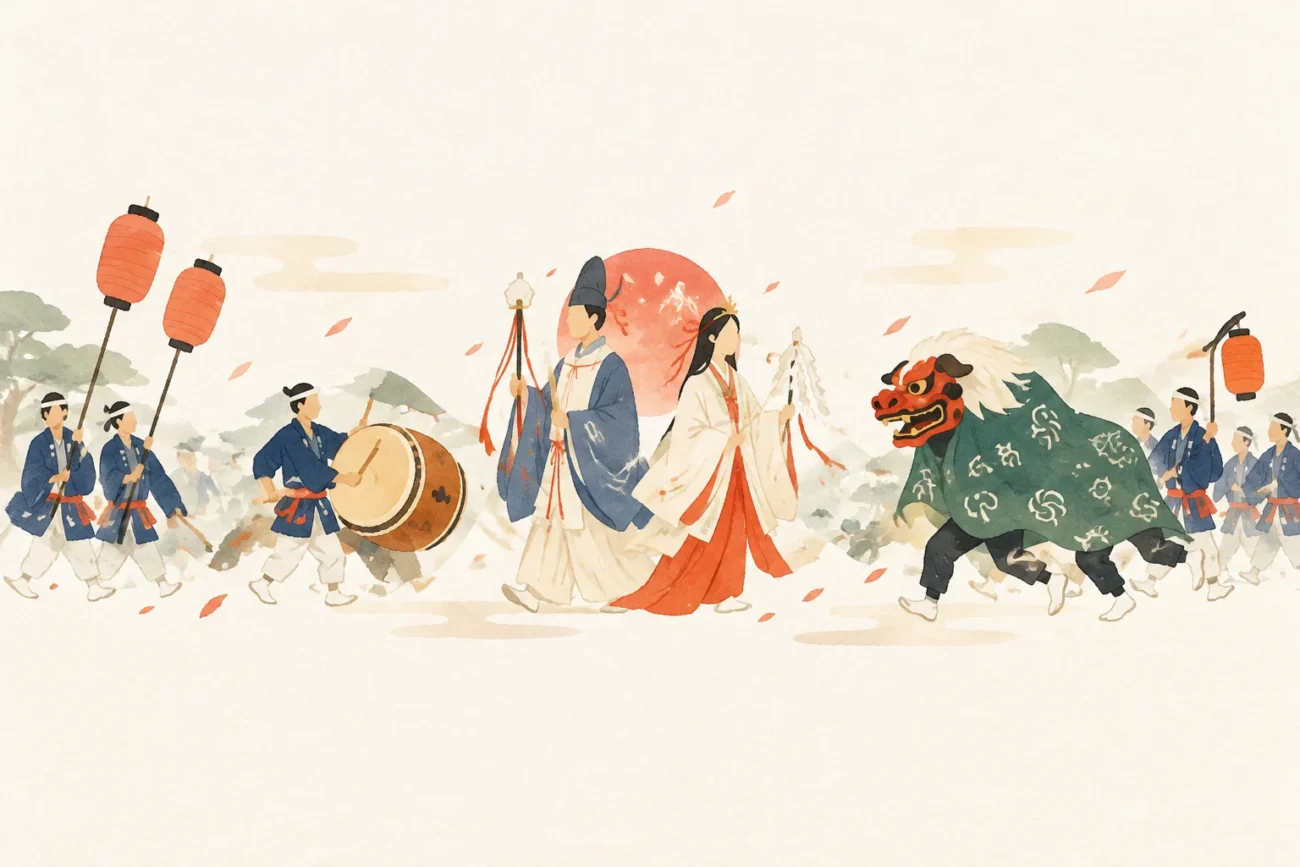
Oshissama no Owatari, passed down in Hondō-chō, Fukui City, is a ritual in which two deities, Sarutahiko and Ame-no-Uzume, travel between Takao Shrine and its otabisho. Local traditions are carried on through the procession to song and , the lion head’s dash, and other movements.
About Oshissama no Owatari
Oshissama no Owatari is a prefecture-designated intangible folk cultural property passed down at Takao Shrine in Hondō-chō, Fukui City.
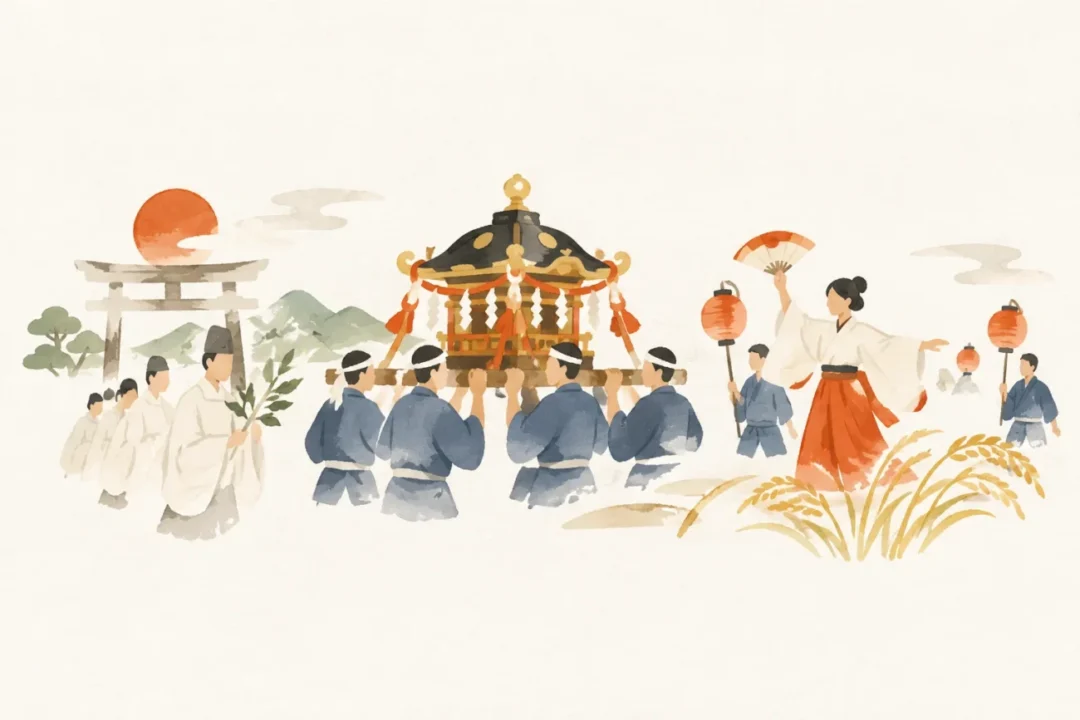
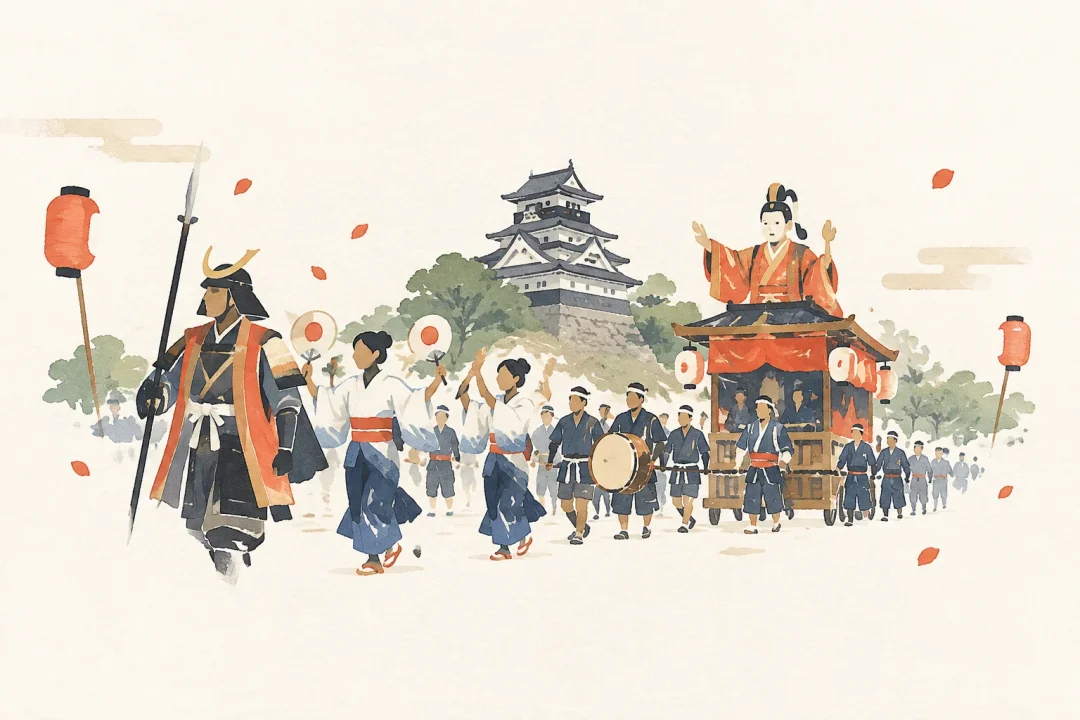
Two deities, Sarutahiko and Ame-no-Uzume, make a procession from “Yoi-no-Miya” in the grounds of Takao Shrine to the otabisho “Machite-no-Miya,” about 800 meters away.
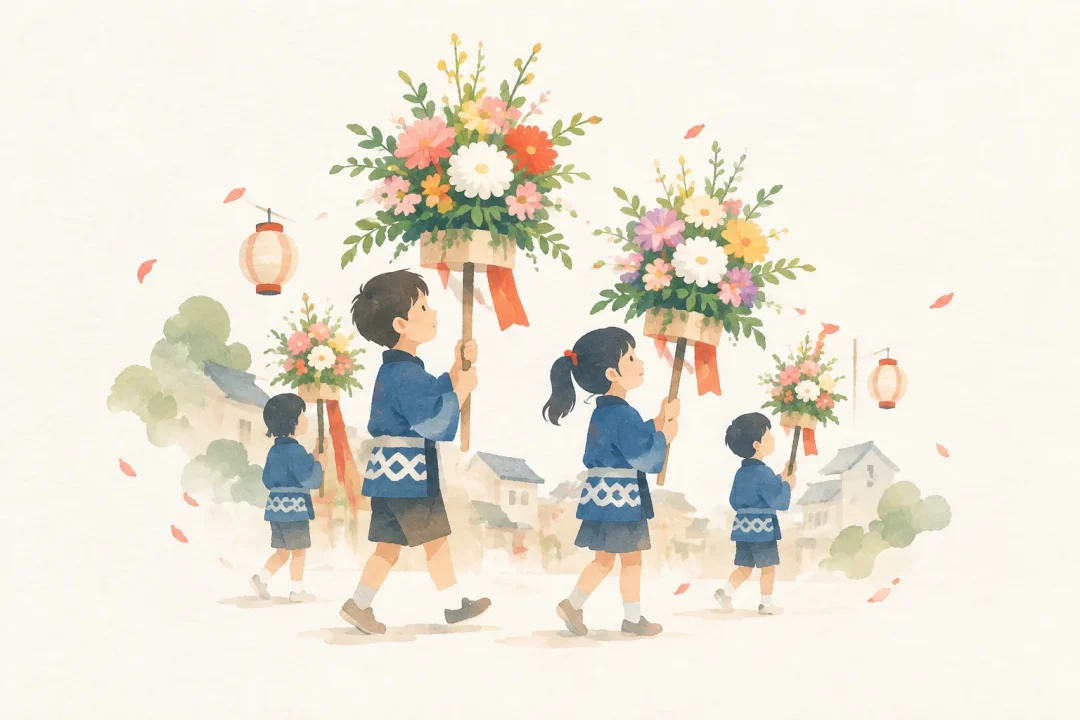
Led by Hana-Ossama, the procession of children pulling a rope as they sing, followed by Oshissama, continues as part of the community’s way of life.
Festival highlights
Highlights include the procession moving to song and taiko, and the climactic scene in which Oshissama rushes energetically into the otabisho or shrine.
Children pull a rope as they sing traditional songs, while the distinctive taiko rhythm gradually quickens.
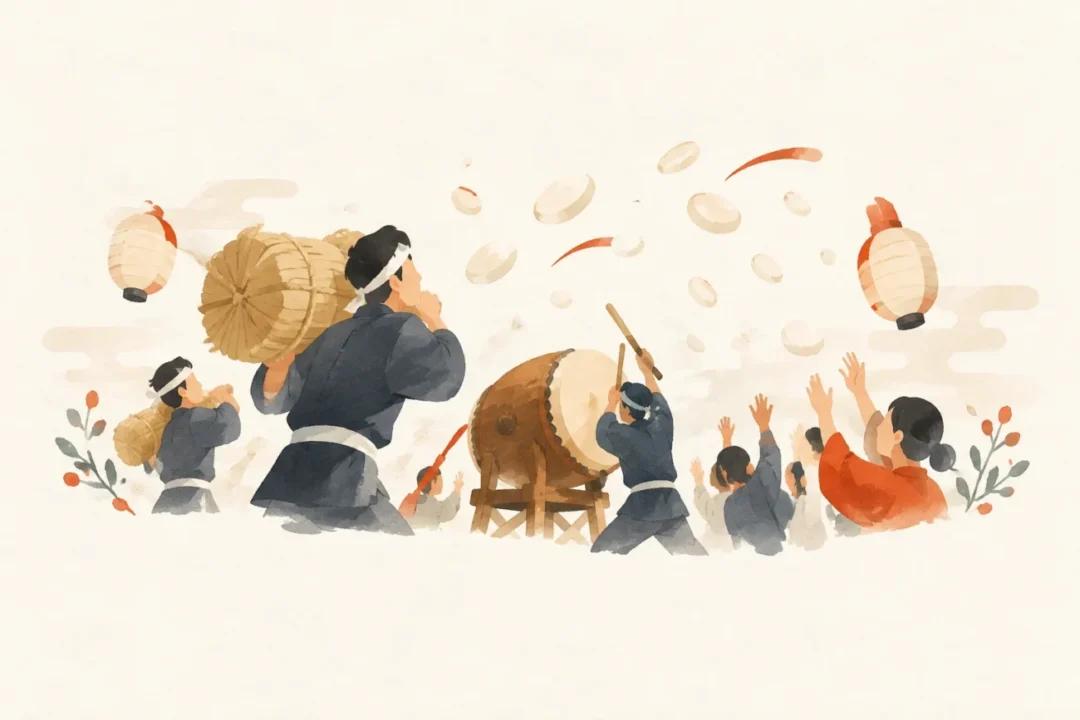
At the otabisho, people also compete for rice known as Onmoku. The lion head dressed in a divine robe and the roles played by people from different parts of the community are also distinctive features.
Guided by song and taiko, two deities link the village in Hondō-chō’s procession ritual
What to expect
The event consists of the procession from Yoi-no-Miya to the otabisho, followed the next day by a ritual procession back along the same route.
Following the lead of Hana-Ossama, village officials and children proceed while singing, and Oshissama moves slowly to the beat of the taiko.
The two deities spend the night at the otabisho. The event continues with the contest for Onmoku, their return the next day, and a dance and dash at the shrine.
How to take part
Village officials, children, and people connected with the community take on roles in the procession.
A 2024 introductory article says that members of the general public are welcome to come and watch.
Location and access
- Venue and address
Takao Shrine (5-10 Hondō-chō, Fukui City) / Takao Shrine’s “Yoi-no-Miya” to the otabisho “Machite-no-Miya”
- Train and bus
From Fukui Station, take the Keifuku Bus on the Sakuragaoka Danchi Line to Hondō, then walk about 2 minutes.
Address 5-10 Hondō-chō, Fukui City, Fukui Prefecture
Dates and season
- Frequency
Every year
Accommodation and hotels PR
Showing nearby accommodation.
Prices and availability are current at the time of retrieval. For multi-night stays, only the first night’s price is shown. Confirm the final price and directions to the venue with the booking provider. Select your dates again when using the area search link. Search area: within 3 km of Central Fukui Prefecture / Fukui City (the search is not centered on the festival venue)
Tips for your visit
The procession travels between Takao Shrine and the otabisho, and the atmosphere differs between the nighttime procession and the daytime return.
As the event passes along roads within the and the settlement, please follow local guidance and the instructions of those involved, and avoid disrupting the procession or community activities.
Nearby attractions

おさごえ民家園
福井県福井市にある博物館

一乗谷朝倉氏遺跡
福井県福井市にある遺跡

柴田神社
福井市にある神社
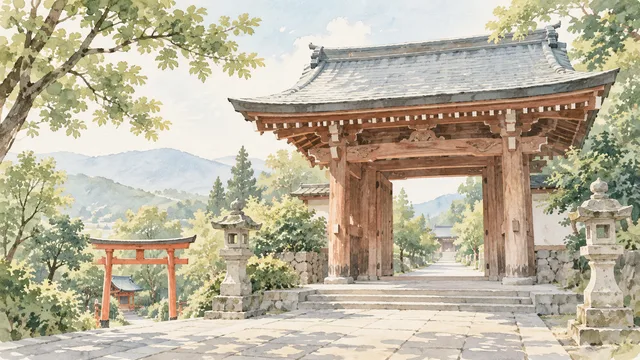

Shinmei Jinja
福井県福井市にある神社

福井市愛宕坂茶道美術館
福井県福井市にある美術館

福井市橘曙覧記念文学館
福井県福井市にある文学館

福井市水道記念館
福井県福井市にある博物館

福井市立郷土歴史博物館
福井県福井市にある博物館

福井市美術館
福井県福井市にある美術館
写真:藤谷良秀 (Yoshihide Fujitani) / CC BY-SA 4.0
Photo source ·
福井市自然史博物館
福井県福井市にある博物館

福井県立こども歴史文化館
福井県福井市城東にある博物館
Origins and History of Oshissama no Owatari
According to an account in the Echizen-kuni Meiseki-kō from Bunka 12 (1815), Oshissama no Owatar i is thought to have been performed at least since the late early-modern period.
According to tradition, the festival began to honor a warrior said to be a descendant of Sarutahiko Ōkami, who defeated a monster and restored peace to the village.
Today, the Takao Shrine Supporters’ Association and others carry on the tradition. It became a Fukui Prefecture-designated intangible folk cultural property in Heisei 31March 22.
Official information
Fukui City’s cultural property guide describes Oshissama no Owatari as a prefecture-designated intangible folk cultural property performed during Takao Shrine’s autumn festival.
For inquiries, contact the Cultural Properties Protection Division of the Fukui City Board of Education Secretariat.
Oshissama no Owatari at a Glance
Oshissama no Owatari is a traditional ritual in which two deities make a procession between Takao Shrine in Hondō-chō, Fukui City, and its otabisho.
The main highlights are Hana-Ossama leading the way, the children singing and pulling the rope, Oshissama’s procession to the taiko, the contest for Onmoku, and the dash into the shrine.
The event is documented from the late early-modern period and continues to be passed down in the community as a prefecture-designated intangible folk cultural property.
Sources and references
Japanese Festivals.jp Editorial Team
Celebrating local culture and helping you discover a side of Japan you never knew.
Article updated: 2026/11/22