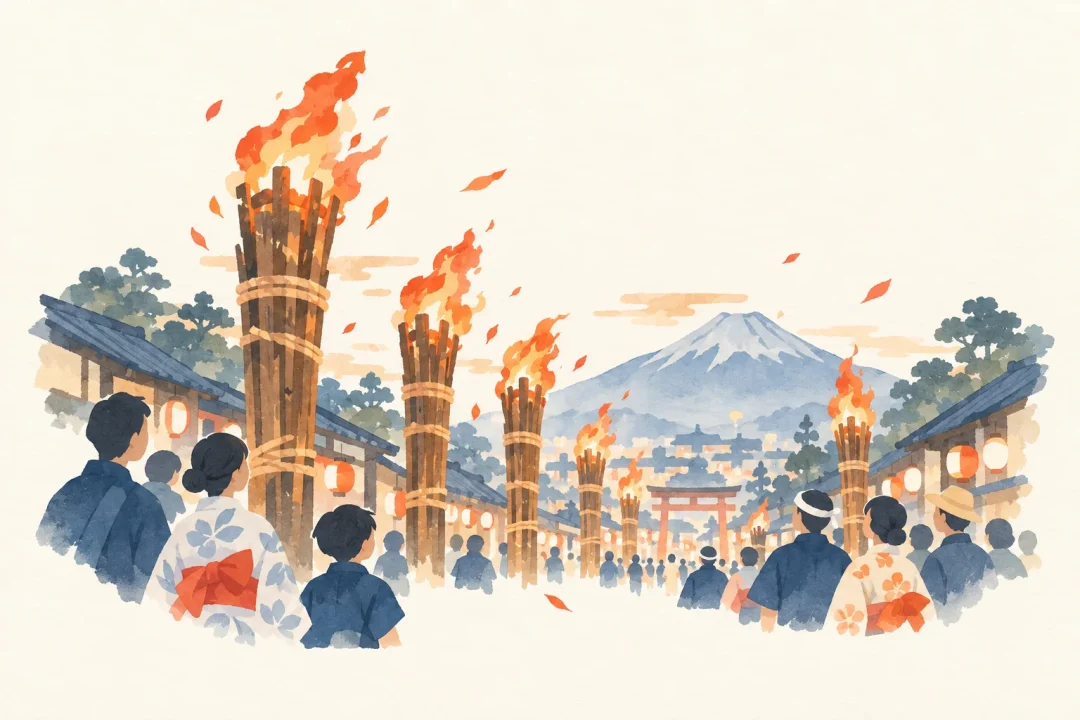
A mochi-throwing shinji passed down in Sabae, praying to ward off misfortune and for a good harvest
Okonai
Festival information
EVENT INFORMATION- Season / frequency
- From January to February / Every year
- Area
- Fukui Prefecture・Sabae City(From Tokyo: approx. 2 h 50 min–3 h 20 min · bullet train)Prefecture-level estimate to a main station or airport, not the venue. Airport access, check-in and onward travel are extra; remote areas and islands can take much longer.
- Wishes behind the festival
- Participation / viewing
- Open to public participation
- Participation fee
- Free
- Last updated
- 2026/11/12
Okonai is a traditional New Year’s event passed down in the Kitanakayama and Kawada districts of Sabae City. preserved by local people unfolds, including mochi throwing, drums, and the movements of young people carrying rice bales. Wishes to ward off misfortune, pray for a good harvest, and ensure good health are entrusted to the mochi.
About Okonai
Okonai is a traditional New Year’s event held in the Kitanakayama and Kawada districts of Sabae City.
Centered on mochi throwing, the event carries wishes to ward off misfortune, pray for a good harvest, and ensure good health.
In the Kawada district, accounts also describe local young people running while carrying a large bamboo pole and a rice bale.
The event is cherished and preserved by local people, and passed on to the next generation.
Festival highlights
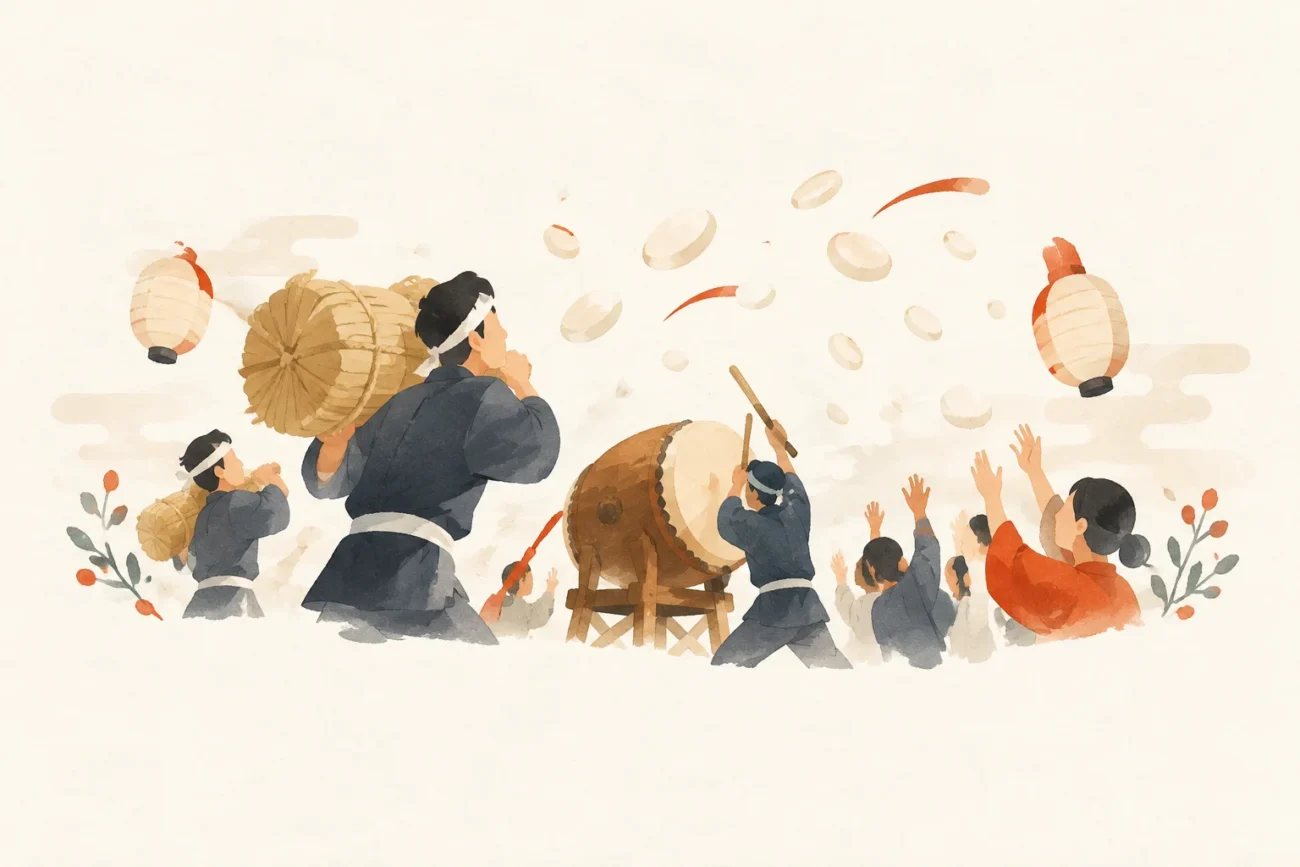
Highlights include the energetic movements of young people, prompted by the sound of taiko drums, followed by the mochi throwing.
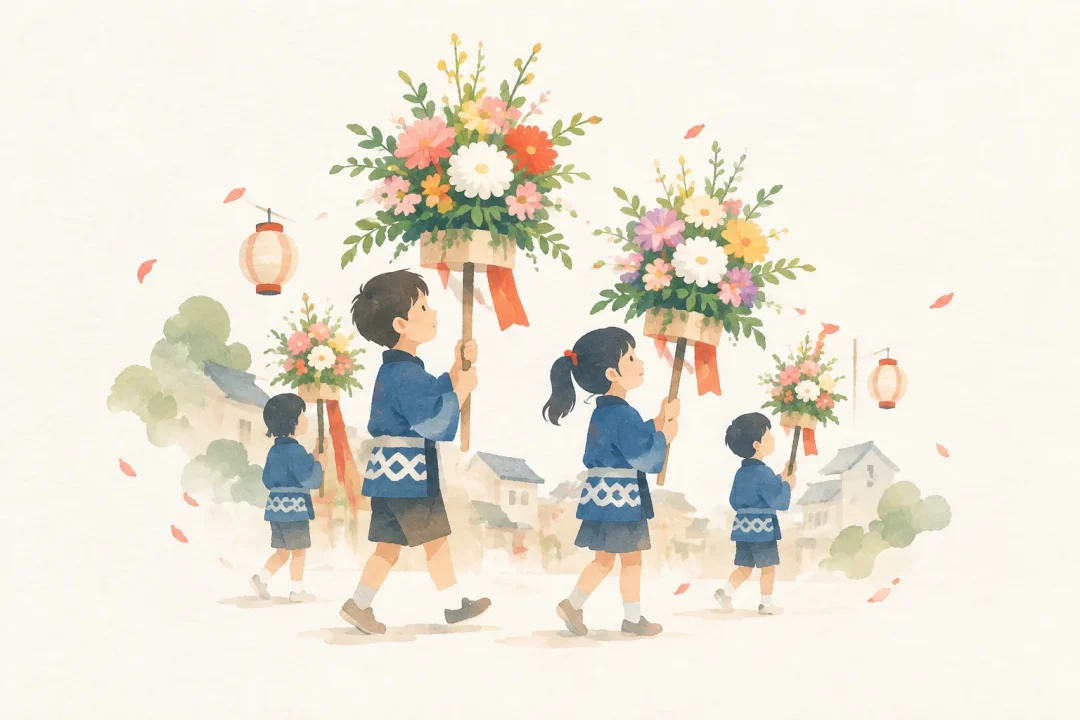
In the Kawada district, young people carrying rice bales tied to bamboo poles charge off in various directions.
Then mochi is thrown from above, and the gathered crowd picks up the pieces that fall.
The mochi throwing can be over quickly, and the event’s pace can change dramatically.
A mochi-throwing shinji passed down in Sabae, praying to ward off misfortune and for a good harvest
What to expect
During the event, people in an unlucky year and others scatter mochi, which the gathered crowd picks up after it lands.
In the Kawada district, the national flag is raised, and young people move while carrying a rice bale to the sound of taiko drums before the mochi throwing begins.
According to an introduction to the Kitanakayama district, men aged 42 and 61, both in an unlucky year, each scattered 1 bale of mochi as a rite to ward off misfortune.
One account describes the mochi throwing as lasting about 10 to 20 minutes.
How to take part
Okonai in Sabae City is described as open to everyone, with free admission.
At the mochi-throwing event, you take part by picking up the mochi that is thrown.
At the mochi-throwing event, you take part by picking up the mochi that is thrown.
The article recommends bringing a hat, work gloves, clothes you don’t mind getting dirty, rubber boots, and a bag for the mochi.
No information about advance registration is provided.
Location and access
- Venue and address
Tonajinja Shrine: Kamitoguchi-cho, Sabae City, Fukui Prefecture / Shikiyama Shrine: Kawada district
- Train and bus
Kuzuryu Line, 1 hour 6 minutes on foot from Echizen-Togo Station / Happiline Fukui Line, 1 hour 6 minutes on foot from Kita-Sabae Station / 2 minutes on foot from Kamitoguchi bus stop / 5 minutes on foot from Kamitoguchi-kita bus stop
- By car
Not listed
- Parking
Not listed
Event venue 福井県鯖江市 刀那神社 福井県鯖江市上戸口町
This map uses the venue name. Check the official guide for the event area and entrances.
Dates and season
- Season
From January to February
- Frequency
Every year
Accommodation and hotels PR
Showing nearby accommodation.
Prices and availability are current at the time of retrieval. For multi-night stays, only the first night’s price is shown. Confirm the final price and directions to the venue with the booking provider. Select your dates again when using the area search link. Search area: within 3 km of Central Fukui Prefecture / Sabae City (the search is not centered on the festival venue)
Tips for your visit
The mochi is thrown from above, and pieces that land on the ground get muddy, so bring a hat and work gloves, and wear clothes you don’t mind getting dirty and rubber boots.
A bag for the mochi can also come in handy.
There are accounts of the mochi throwing ending quickly, so be sure not to miss the sequence of events.
Nearby attractions

鯖江市西山動物園
福井県鯖江市にある動物園
Origins and History of Okonai
The exact date when Okonai began is unknown, but one account says it was already being held 300 years ago.
The event is said to have developed through a blending of purification rites, ceremonies praying for a good harvest, and the Buddhist concept of charitable giving.
It has been passed down as a local annual event, with those who throw the mochi praying to ward off misfortune and those who pick it up praying for good health.
The Kawada district also features Shikki Shrine, which preserves the names of people who worked in the lacquerware industry.
Okonai at a Glance
Okonai is a New Year’s mochi-throwing event passed down in the Kitanakayama and Kawada districts of Sabae City.
The sequence of taiko drums, young people carrying rice bales, and mochi throwing reflects the community’s energy and the customs handed down through generations.
Wishes to ward off misfortune, pray for a good harvest, and ensure good health sustain the event.
Dates and activities vary by venue, so check the information from the relevant shrine before visiting.
Japanese Festivals.jp Editorial Team
Celebrating local culture and helping you discover a side of Japan you never knew.
Article updated: 2026/11/12