A grand festival every 60 years, honoring a National Treasure bell and carrying forward the community’s prayers
Koshō Festival
Festival information
EVENT INFORMATION- Season / frequency
- Once every 60 years / Once every 60 years
- Location
- The Yamanouchi and Kita-Kamakura area, centered on Engakuji Temple
- Area
- Kanagawa Prefecture・Kamakura City(From Tokyo: approx. 30 min–1 h · train)Prefecture-level estimate to a main station or airport, not the venue. Airport access, check-in and onward travel are extra; remote areas and islands can take much longer.
- Highlights and activities
- Wishes behind the festival
- Participation / viewing
- Spectators welcome
- Last updated
- 2026/10/19
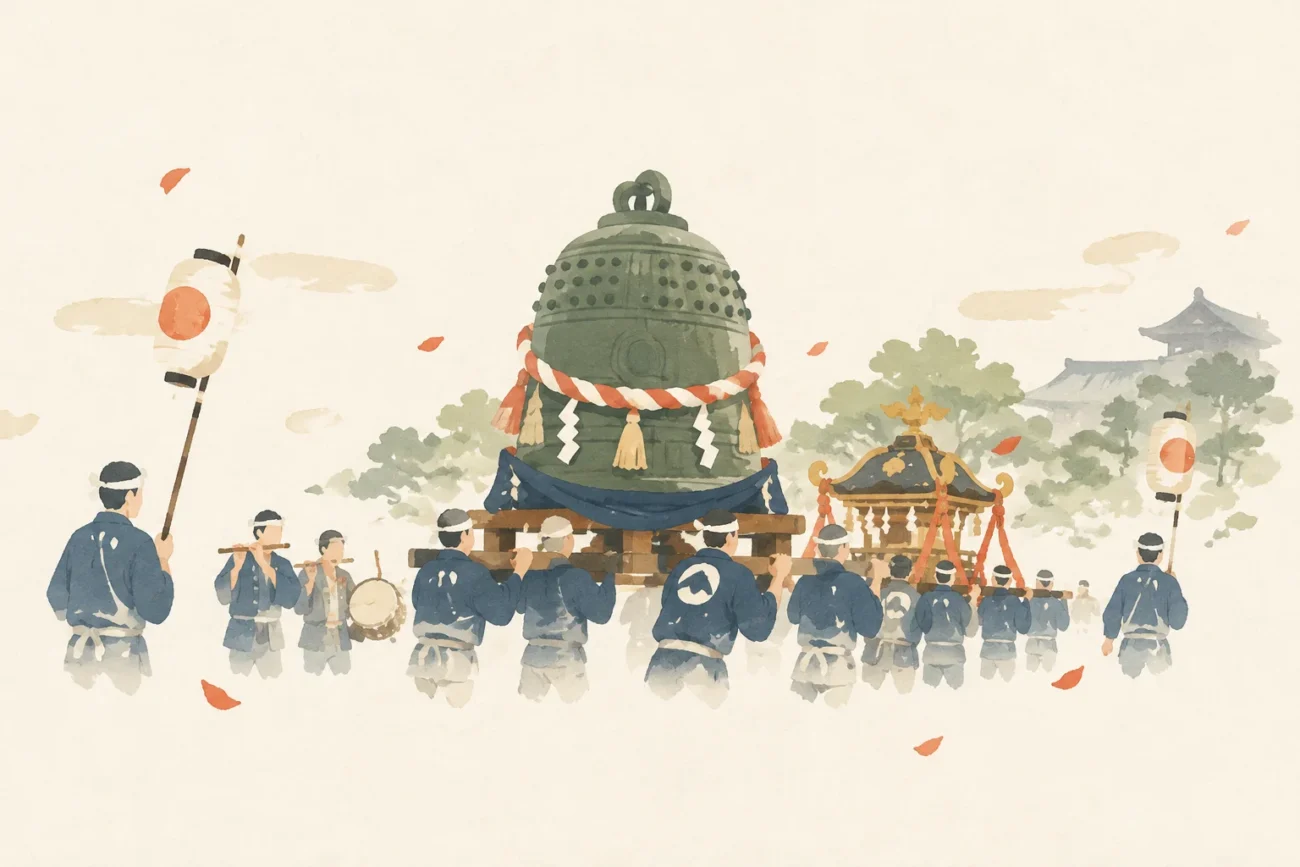
A grand festival in Kamakura’s Yamanouchi area, held once every 60 years to honor Engakuji Temple’s great bell, a National Treasure. A procession featuring a papier-mâché great bell, , and travels through Kita-Kamakura, sharing the festival culture preserved and passed down by local temples, shrines, and the community.
About Koshō Festival
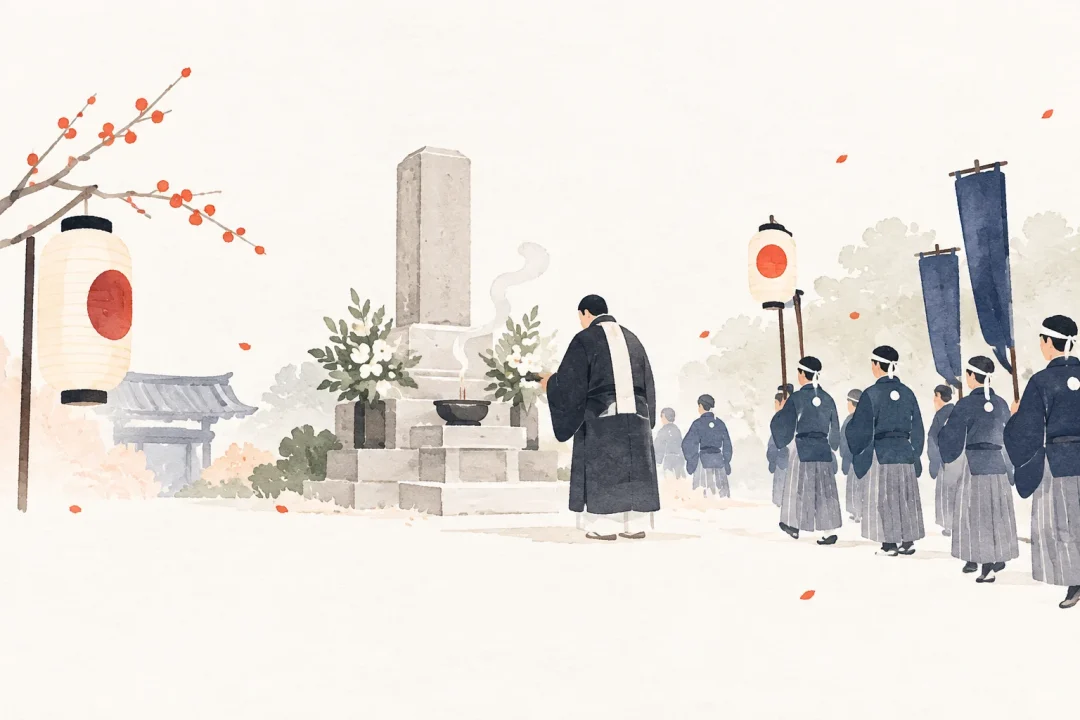
The Koshō Festival is a grand festival held once every 60 years to honor the great bell, a National Treasure passed down at Engakuji Temple.
The great bell was cast in 1301 at the instigation of Hojo Sadatoki.
The festival has been passed down as a tradition that brings together the communities of Yamanouchi and Kita-Kamakura, along with the faith of local temples and shrines, centered on Engakuji Temple.
Festival highlights
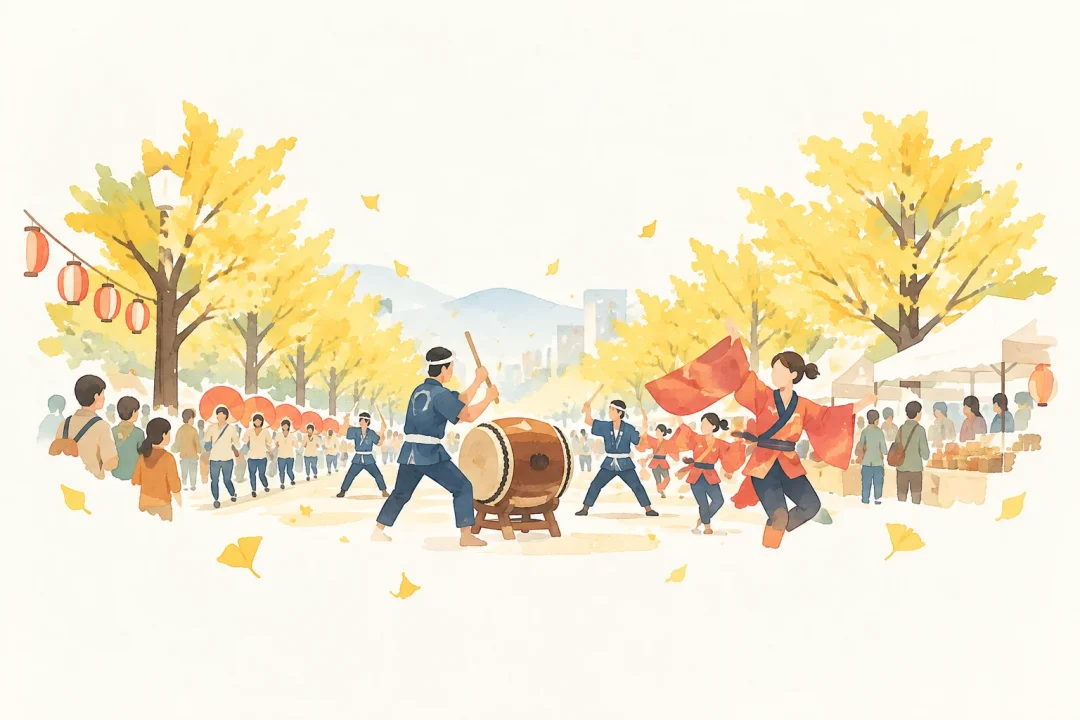
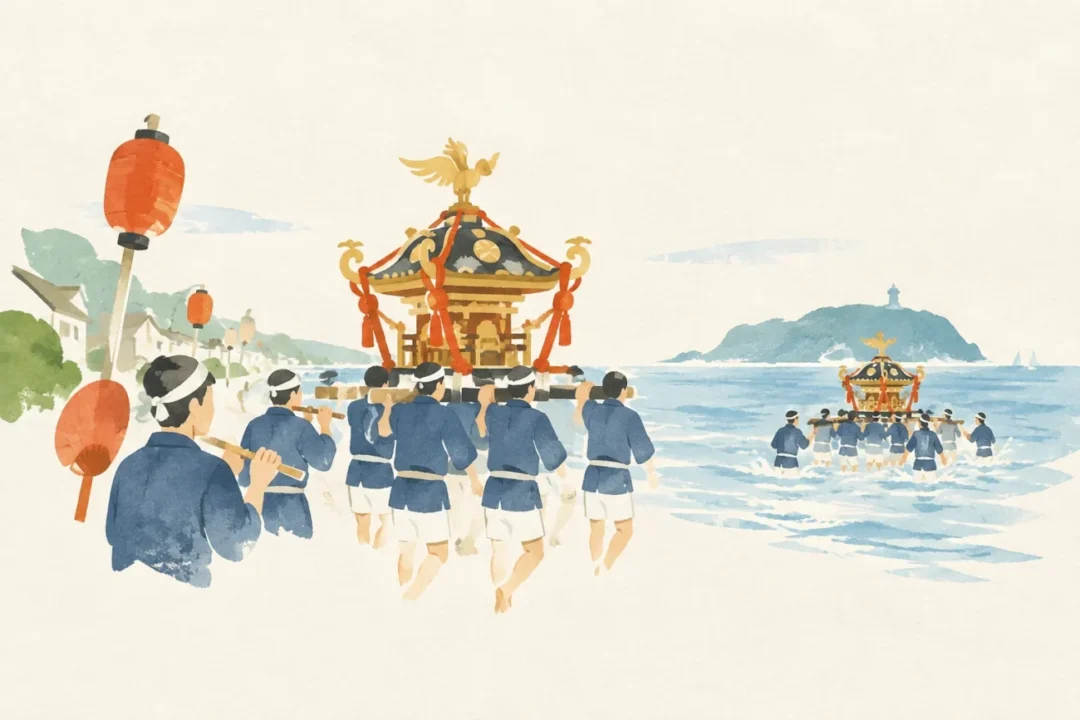
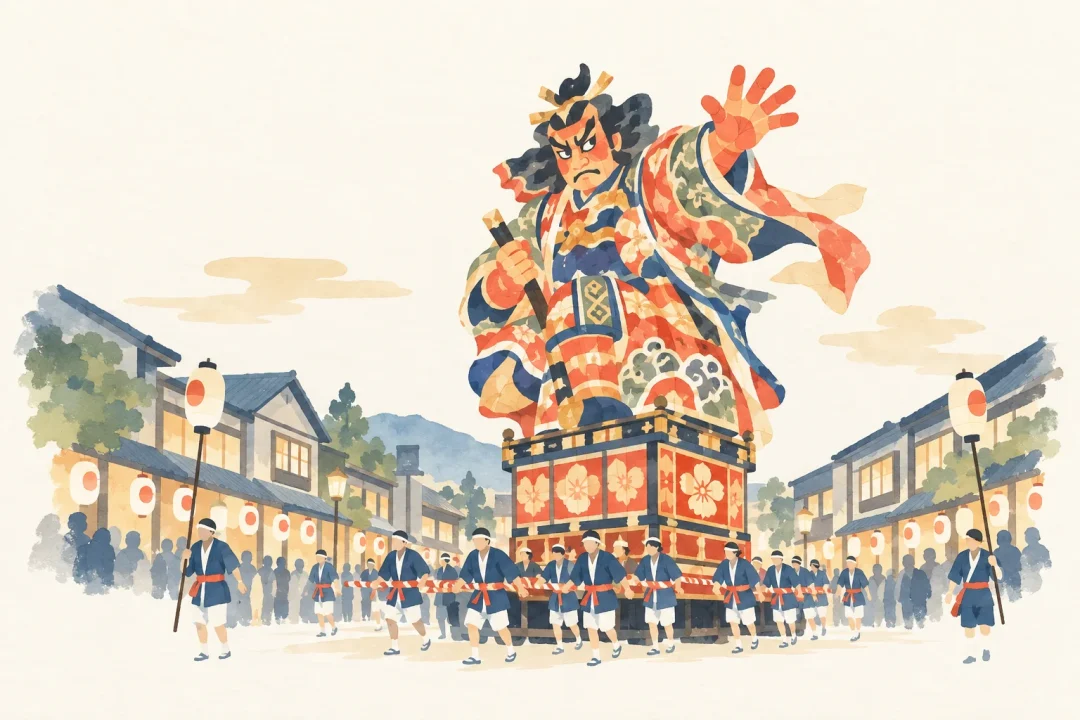
A highlight is the large procession centered around a papier-mâché replica of the great bell.
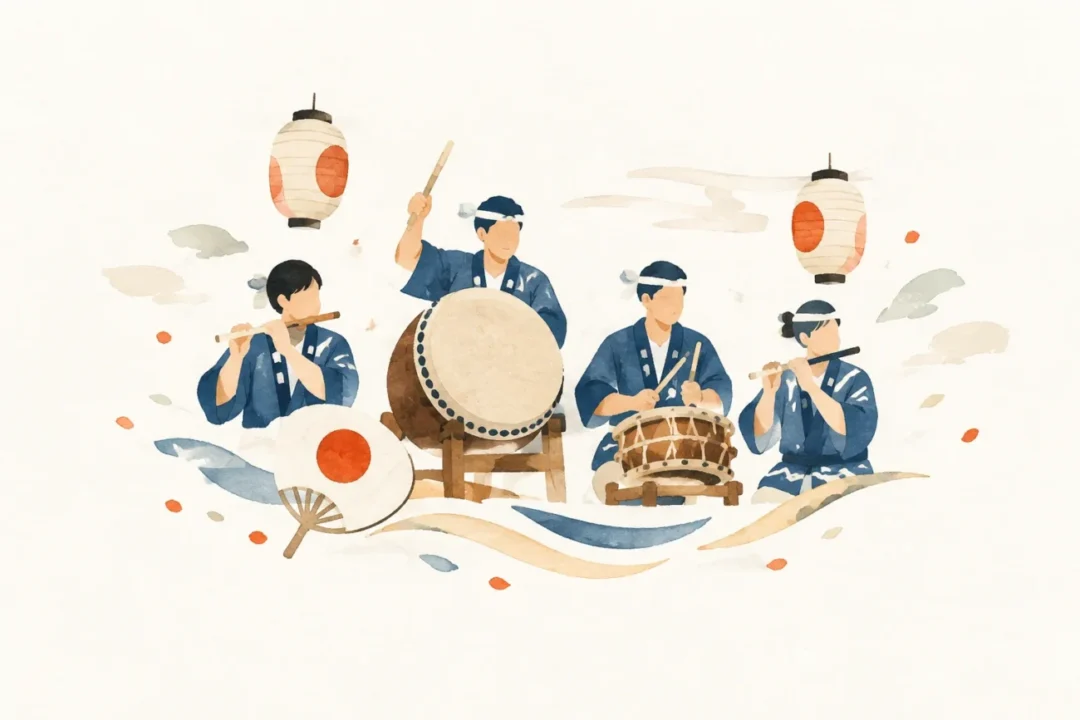
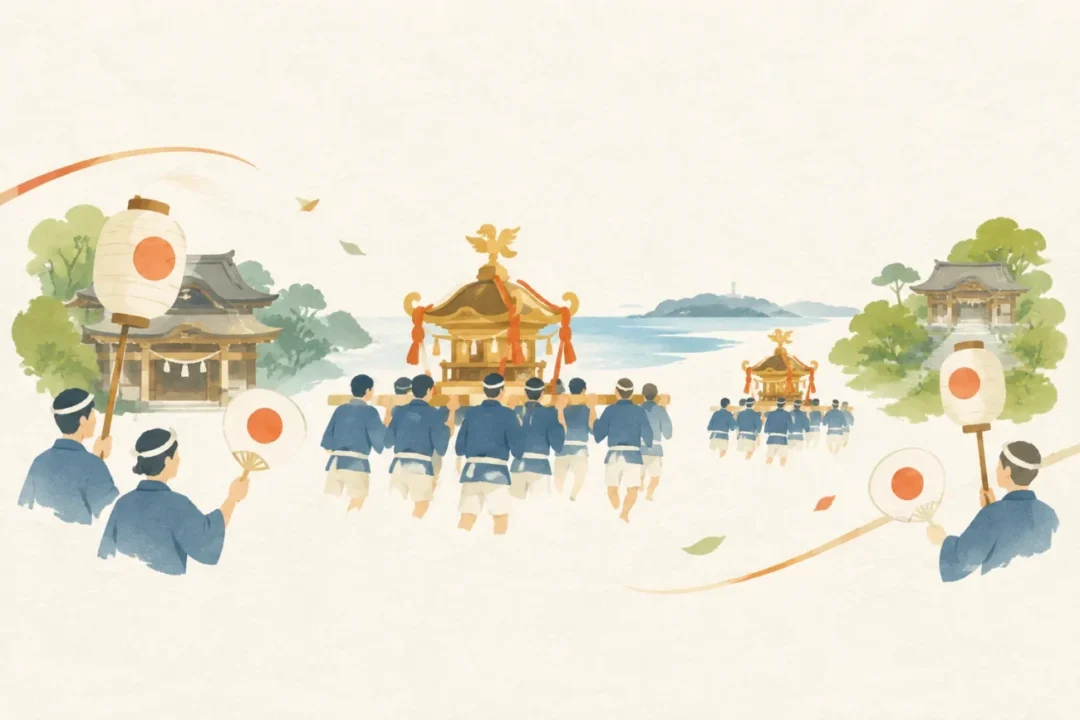
Hayashi musicians and mikoshi joined the procession, which traveled from Kenchoji Temple via the Kobukuroya intersection to Engakuji Temple.
Yakumo Shrine’s Menkake procession is also part of a tradition presented at the Koshō Benzaiten Grand Festival, reflecting its ties to local festival culture.
Source: 山ノ内八雲神社 | 鎌倉市最古かつ最大の庚申塔や安倍晴明石の鎮座する北鎌倉の鎮守
A grand festival every 60 years, honoring a National Treasure bell and carrying forward the community’s prayers
What to expect
The festival features a procession of papier-mâché figures shaped like the great bell, flags, mikoshi, hayashi musicians, and more, traveling through the area.
Rituals related to Engakuji Temple and Enoshima Shrine’s Benzaiten are held, and temples, shrines, and local residents jointly support the grand festival.
In 2023, elementary school students helped make a papier-mâché great bell, and after it arrived, a ceremony was held in which adults passed the festival flag to children.
How to take part
The festival is supported by Engakuji Temple, Enoshima Shrine, Yakumo Shrine, local residents, and others.
Local preservation societies and related organizations take part in the procession, hayashi, and mikoshi.
Check the event guidance when it is held to find out whether general visitors can take part in festival operations or the procession.
Location and access
- Venue and address
The festival takes place in the Yamanouchi and Kita-Kamakura area, centered on Engakuji Temple, along a route from Kenchoji Temple via the Kobukuroya intersection to Engakuji Temple.
Event venue 神奈川県鎌倉市 円覚寺を中心とする山ノ内
This map uses the venue name. Check the official guide for the event area and entrances.
Dates and season
- Season
Once every 60 years
- Frequency
Once every 60 years
Accommodation and hotels PR
Showing nearby accommodation.
Prices and availability are current at the time of retrieval. For multi-night stays, only the first night’s price is shown. Confirm the final price and directions to the venue with the booking provider. Select your dates again when using the area search link. Search area: within 3 km of Central Kanagawa Prefecture / Kamakura City (the search is not centered on the festival venue)
Tips for your visit
The festival procession travels through the Yamanouchi district and the Kita-Kamakura area, so what you see varies depending on where you watch.
During past events, notices were issued about road closures to vehicles and bus suspensions or route changes in connection with the Ōgane Benten Grand Festival.
For traffic restrictions and service changes in 2026, check the notices issued when the event is held.
Nearby attractions
Nearby are Kenchoji Temple and Engakuji Temple, both associated with the Koshō Festival procession.
Yakumo Shrine is also in the Yamanouchi district, where you can explore the ties between the Koshō Festival and local festival culture.
Highlights at Yakumo Shrine include the Menkake procession and Seimei Stone, which is associated with a legend about protection from fire.

佐助稲荷神社
神奈川県鎌倉市佐助にある神社
写真:Houze from San Francisco / CC BY-SA 2.0
Photo source ·
鎌倉宮
神奈川県鎌倉市二階堂にある神社

鶴岡八幡宮
神奈川県鎌倉市雪ノ下にある神社
Origins and History of Koshō Festival
The great bell was cast in 1301 at the instigation of Hojo Sadatoki, and the Koshō Festival began as a festival to honor it.
Records confirm that it was held in 1480, and it is considered a festival dating back to the medieval period.
Since the Edo period, temples, shrines, and local residents have jointly held the grand festival, which has been passed down as an event held every 60 years.
Source: 鎌倉市/特集展「洪鐘祭-60年に一度の祭礼の記録-」開催のご案内
Official information
Kamakura City held a special exhibition at the Kamakura Museum of History and Culture featuring historical materials, picture scrolls, archival photographs, and explanatory panels related to the Koshō Festival.
The exhibition explores the history of the Koshō Festival and offers visitors the chance to learn about Engakuji Temple’s great bell and the festival held once every 60 years.
For information about the festival itself, please check announcements from Engakuji Temple, related organizations, or Kamakura City.
Koshō Festival at a Glance
The Koshō Festival is a grand event held once every 60 years, passed down through the combined efforts of temples, shrines, and the Yamanouchi community, centered on Engakuji Temple’s great bell, a National Treasure.
A papier-mâché great bell, mikoshi, hayashi musicians, and the procession travel through Kita-Kamakura, bringing ancient faith and local traditions to life.
If you plan to visit, we recommend checking the guidance on the procession route and traffic restrictions.
Japanese Festivals.jp Editorial Team
Celebrating local culture and helping you discover a side of Japan you never knew.
Article updated: 2026/10/19
Submit information or a correction Submit photos of this festival