Reading Hayama’s harvest prospects and the course of the seasons through water and wooden tablets
Moriyama Shrine’s Yobari ritual
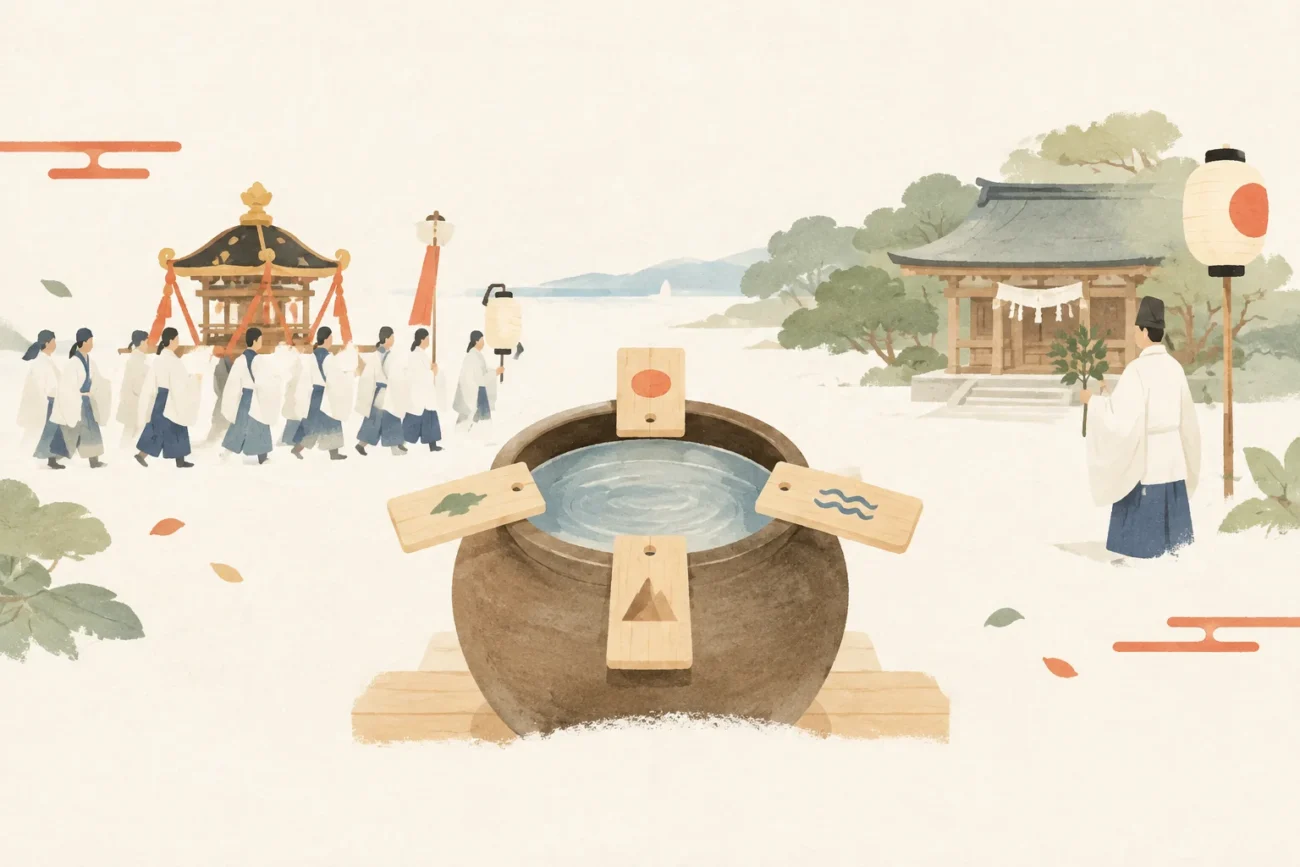
The 2026 edition of Moriyama Shrine’s Yobari ritual has ended.
Festival information
EVENT INFORMATION- Dates
- 2026/09/26 〜 2026/09/27Ended
- Season / frequency
- Typically, the main events are the Yobari ritual on the last Saturday of August and the water-drawing ritual on the following Sunday. / Every year
- Location
- Moriyama Shrine (Moriyama ) and the surrounding Isshiki area of Hayama
- Area
- Kanagawa Prefecture・Hayama(From Tokyo: approx. 30 min–1 h · train)Prefecture-level estimate to a main station or airport, not the venue. Airport access, check-in and onward travel are extra; remote areas and islands can take much longer.
- Highlights and activities
- Wishes behind the festival
- Participation / viewing
- Open to public participation / spectators welcome
- Last updated
- 2026/10/19
Moriyama Shrine’s Yobari ritual is a traditional Hayama event in which the harvest prospects for the five grains and the weather are divined from the water in a jar and the condition of wooden tablets placed in the four cardinal directions. The annual festival also features a procession and a water-drawing ritual, continuing the traditions of processions through the community and rituals in the shrine hall.
About Moriyama Shrine’s Yobari ritual
Moriyama Shrine’s Yobari ritual is a traditional ritual held in conjunction with the annual festival to divine the weather and harvest.
Water drawn from Azuma Shrine the previous year is stored in a jar. The following year, the amount of water that has evaporated and how the wooden tablets have fallen are checked.
The ritual is also recorded in the Edo-period encyclopedia Wakan Sansai Zue and is designated an Intangible Folk Cultural Property of Hayama Town.
Festival highlights
The main highlight is the distinctive method of divining the harvest prospects for the five grains, wind direction, and climate from how much water has evaporated from a jar and how wooden tablets placed to the east, west, south, and north have fallen.
During the ritual, a jar that has been kept since the previous year is opened, and the divination results are written on wooden tablets.
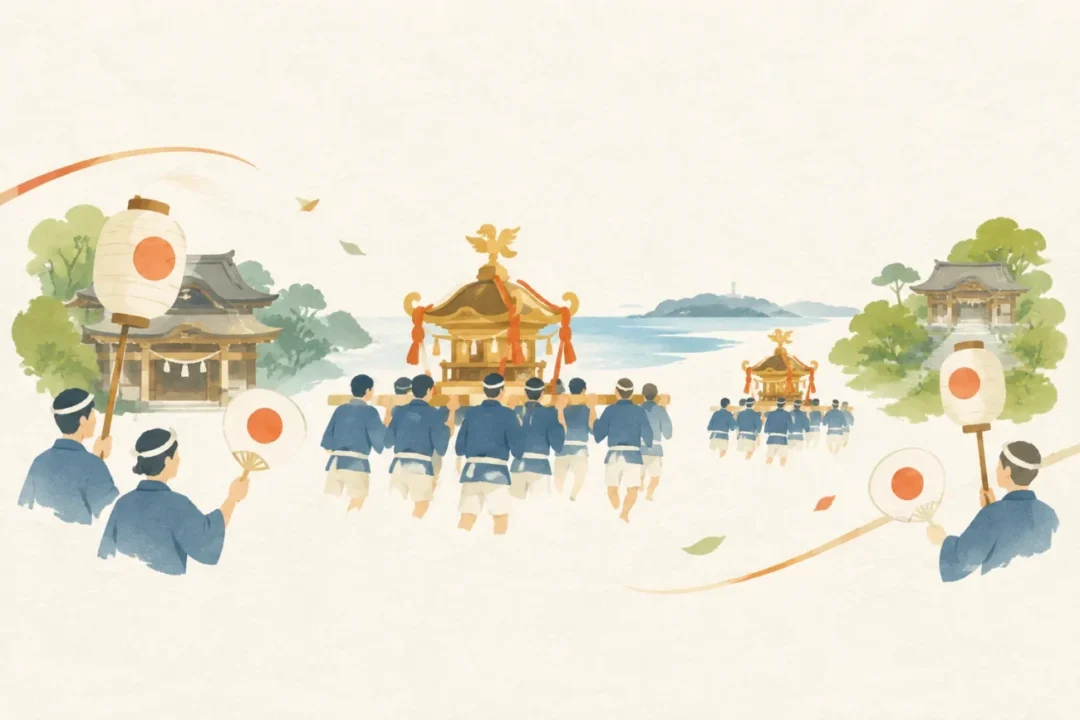
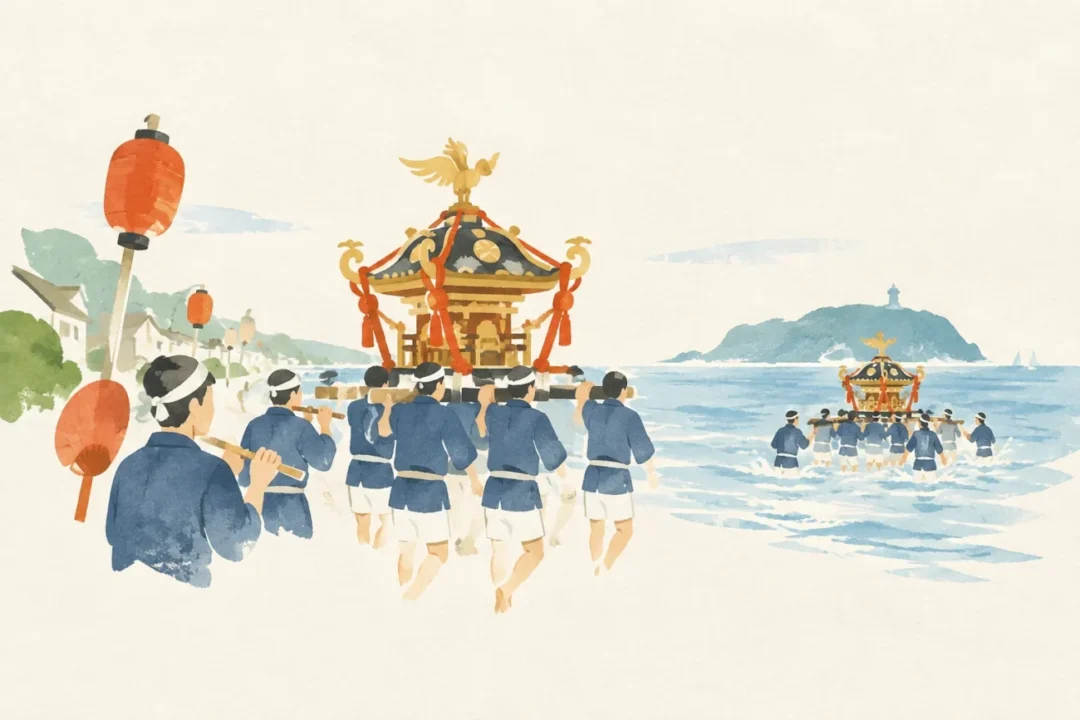
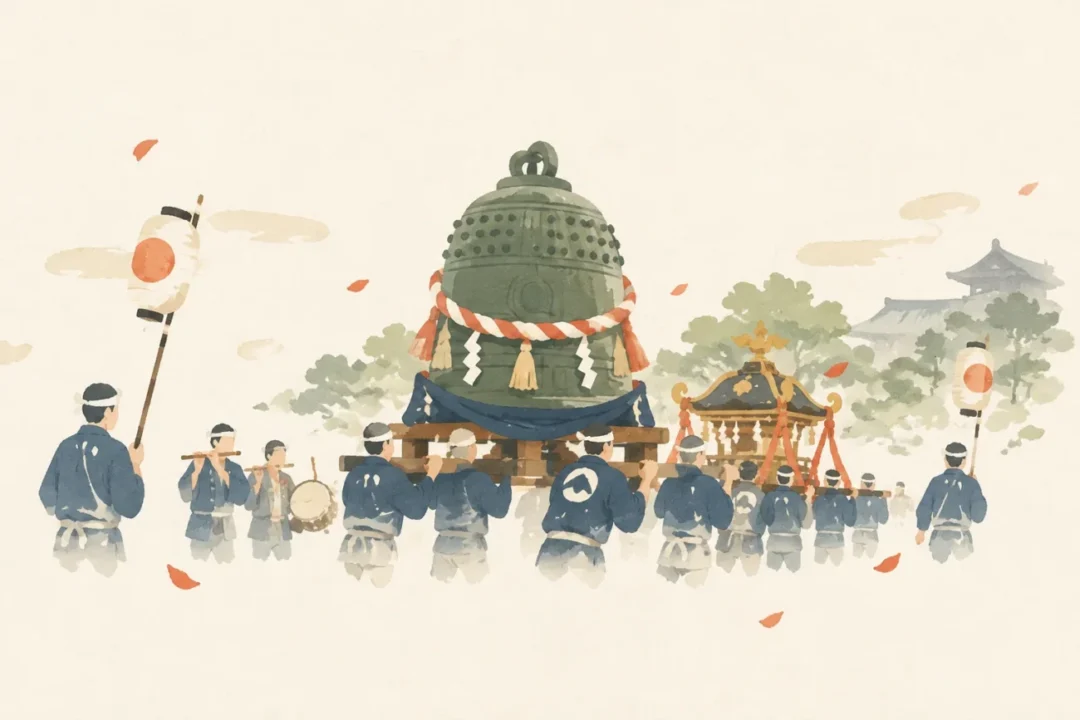
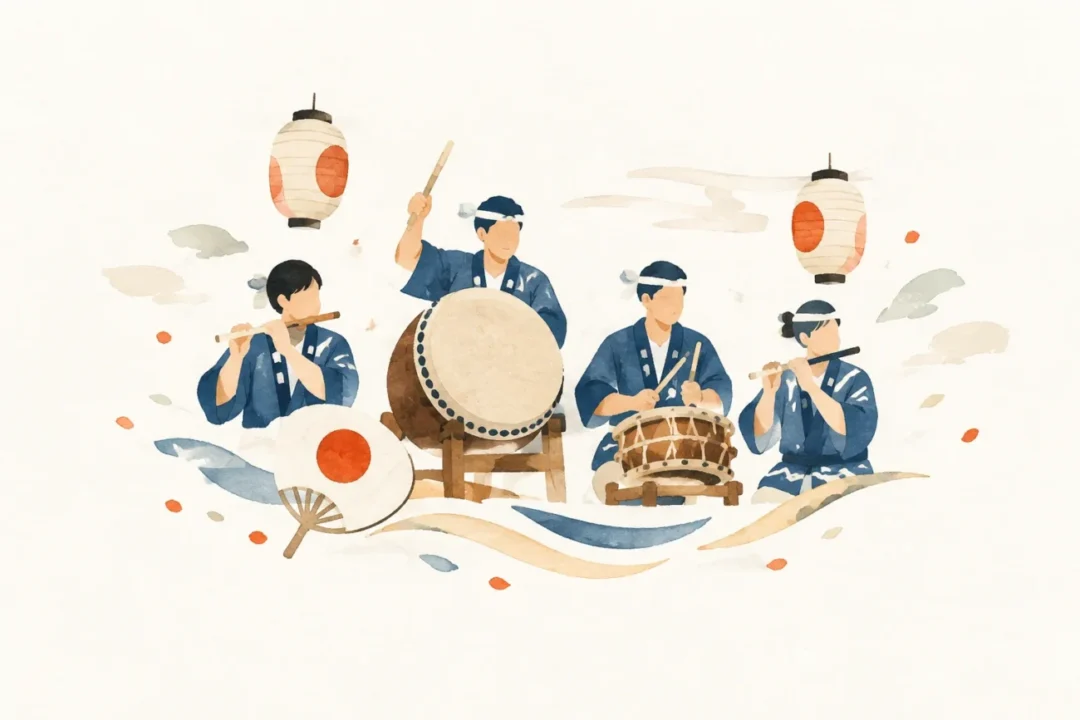
The following day, a procession for the water-drawing ritual takes place, with mikoshi, , kiyari chants, and festival music moving through the neighborhood.
Reading Hayama’s harvest prospects and the course of the seasons through water and wooden tablets
What to expect
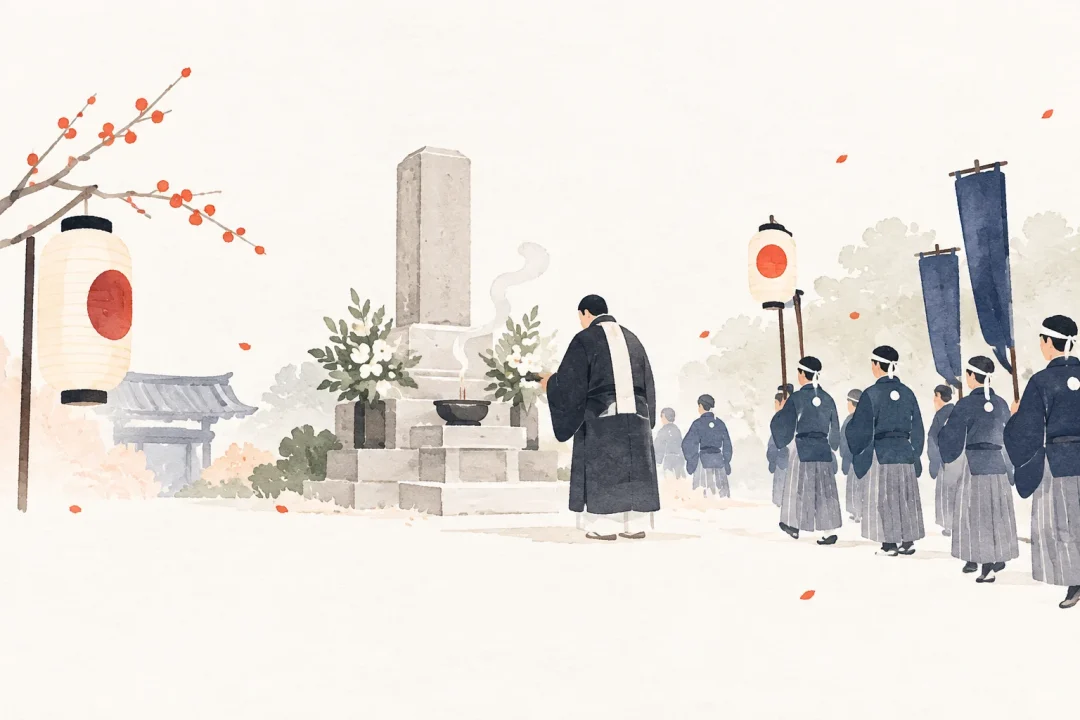
The ritual takes place in the shrine hall, where the water stored in a jar, the barley koji, and the condition of the wooden tablets placed in the four cardinal directions are checked.
At the annual festival, the mikoshi procession begins after the spirit is enshrined in the mikoshi. A procession accompanied by kiyari chants, festival music, and dashi travels through the neighborhood.
For the water-drawing ritual, water is drawn at Azuma Shrine, brought back to Moriyama Shrine, and placed in the sanctuary, continuing the cycle toward the following year’s Yobari ritual.
How to take part
The Yobari ritual can be viewed by the public inside the shrine hall, including from the covered gallery.
During the procession for the water-drawing ritual, children from the children’s association and other participating children are described as taking turns carrying a children’s mikoshi.
Those taking part as mikoshi bearers must follow the clothing requirements and safety precautions.
Source: 例大祭 - moriyamasha
Location and access
- Venue and address
Moriyama Shrine (Moriyama Jinja) / 2165 Isshiki, Hayama, Miura District, Kanagawa Prefecture
- Train and bus
Take a Keikyu bus from bus stop 2 at the east exit bus terminal of JR Zushi Station and get off at Kyuyakuba-mae.
The journey takes about 20 minutes.
Source: アクセス - moriyamasha
Address 2165 Isshiki, Hayama, Miura District, Kanagawa Prefecture
Dates and season
2026 event information (the dates listed have passed)
In 2026, the eve festival and Yobari ritual were scheduled for September 26 (Sat), and the main festival and water-drawing ritual for September 27 (Sun).
The Yobari ritual was scheduled to take place in the shrine hall from 15:00 on September 26, with public viewing available from the covered gallery.
The water-drawing ritual took the form of a procession to Azuma Shrine on September 27.
Accommodation and hotels PR
Showing nearby accommodation.
Prices and availability are current at the time of retrieval. For multi-night stays, only the first night’s price is shown. Confirm the final price and directions to the venue with the booking provider. Select your dates again when using the area search link. Search area: within 3 km of Central Kanagawa Prefecture / Hayama (the search is not centered on the festival venue)
Tips for your visit
There are dress requirements for the bearers taking part in the mikoshi procession. The top must be a montsuki or a plain white dabo shirt, the bottoms must be white momohiki or white half-length momohiki, and white jika-tabi must be worn.
Patterned clothing, exposed upper bodies, shimekomi, sandals and going barefoot are prohibited.
When watching the procession with small children, take care not to get too close to the dashi or vehicles.
Nearby attractions
Near Moriyama Shrine is Azuma Shrine (Takin-saka Fudoson), where water is drawn for the ritual.
Nearby attractions also include Gyokuzoin Temple, next to the shrine, and the Hayama Sangaokayama Prefectural Green Space behind it.
Isshiki Beach, Hayama Shiosai Park, and the Hayama Museum of Modern Art are also listed as attractions in the Isshiki area.
Origins and History of Moriyama Shrine’s Yobari ritual
The origins of the Yobari ritual are unclear, but it is recorded in the mid-Edo-period work Wakan Sansai Zue and is believed to date back at least 300 years.
The schedule changed from the water-drawing ritual on November 15 and the Yobari ritual the following year to events in August.
Today, the Yobari and water-drawing rituals continue to be held in conjunction with the annual festival.
Official information
Moriyama Shrine’s official website provides information about the annual festival schedule, the mikoshi procession, the Yobari ritual, and performances dedicated to the shrine.
Information about the 2026 annual festival also includes the dates of the eve festival and main festival, as well as the times of each event.
Moriyama Shrine’s Yobari ritual at a Glance
Moriyama Shrine’s Yobari ritual is a distinctive folk event passed down in Hayama, in which the harvest prospects for the five grains and the weather are divined from the condition of water and wooden tablets.
The annual festival features not only Yobari but also a mikoshi procession, a water-drawing ritual, kiyari chants, festival music, and a dashi procession.
Visitors can learn about the rituals passed down in the community both by watching in the shrine hall and by seeing the procession travel through the neighborhood.
Japanese Festivals.jp Editorial Team
Celebrating local culture and helping you discover a side of Japan you never knew.
Article updated: 2026/10/19
Submit information or a correction Submit photos of this festival