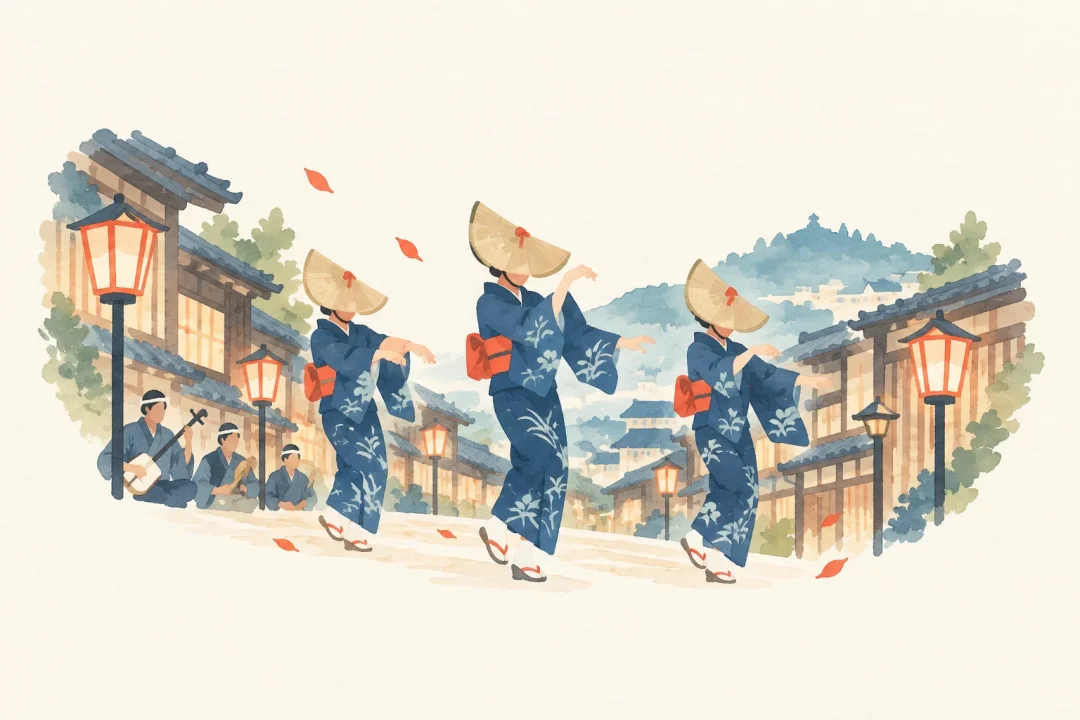
A theatrical tradition alive in Yokosuka, featuring Wato-nai and the tiger
Yokosuka’s Tiger Dance
Festival information
EVENT INFORMATION- Season / frequency
- Uraga: annually; Nobi: every other year
- Area
- Kanagawa Prefecture・Yokosuka City(From Tokyo: approx. 30 min–1 h · train)Prefecture-level estimate to a main station or airport, not the venue. Airport access, check-in and onward travel are extra; remote areas and islands can take much longer.
- Highlights and activities
- Last updated
- 2026/10/19
Yokosuka’s Tiger Dance is a folk performing art that combines a karako dance with a tiger performance, telling the story through to the scene in which Wato-nai calms the tiger. The tradition has been passed down separately in Nishi-Uraga Town and Nobi, and has been performed at shrine festivals.
About Yokosuka’s Tiger Dance
Yokosuka’s Tiger Dance is a theatrical folk performing art passed down in Nishi-Uraga Town and Nobi, Yokosuka, Kanagawa Prefecture.
A temporary stage is set up for shrine festivals, with performances centered on the scene in which Wato-nai calms the tiger.
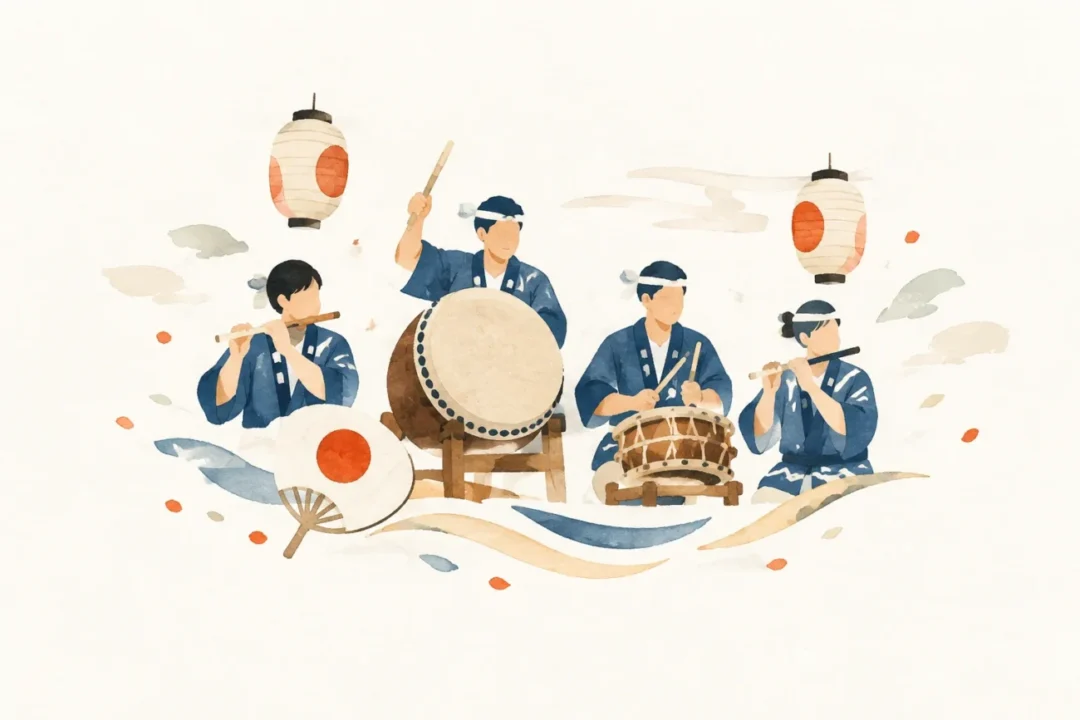
Incorporating elements of kabuki and the Tojin Odori, the performance unfolds as a narrative dance accompanied by music, including flutes and drums.
The Uraga Tiger Dance Preservation Society and the Nakamura Neighborhood Association Tiger Dance Preservation Society help pass on the tradition.
Source: 国指定文化財等データベース / 虎踊(とらおどり)|横須賀市
Festival highlights
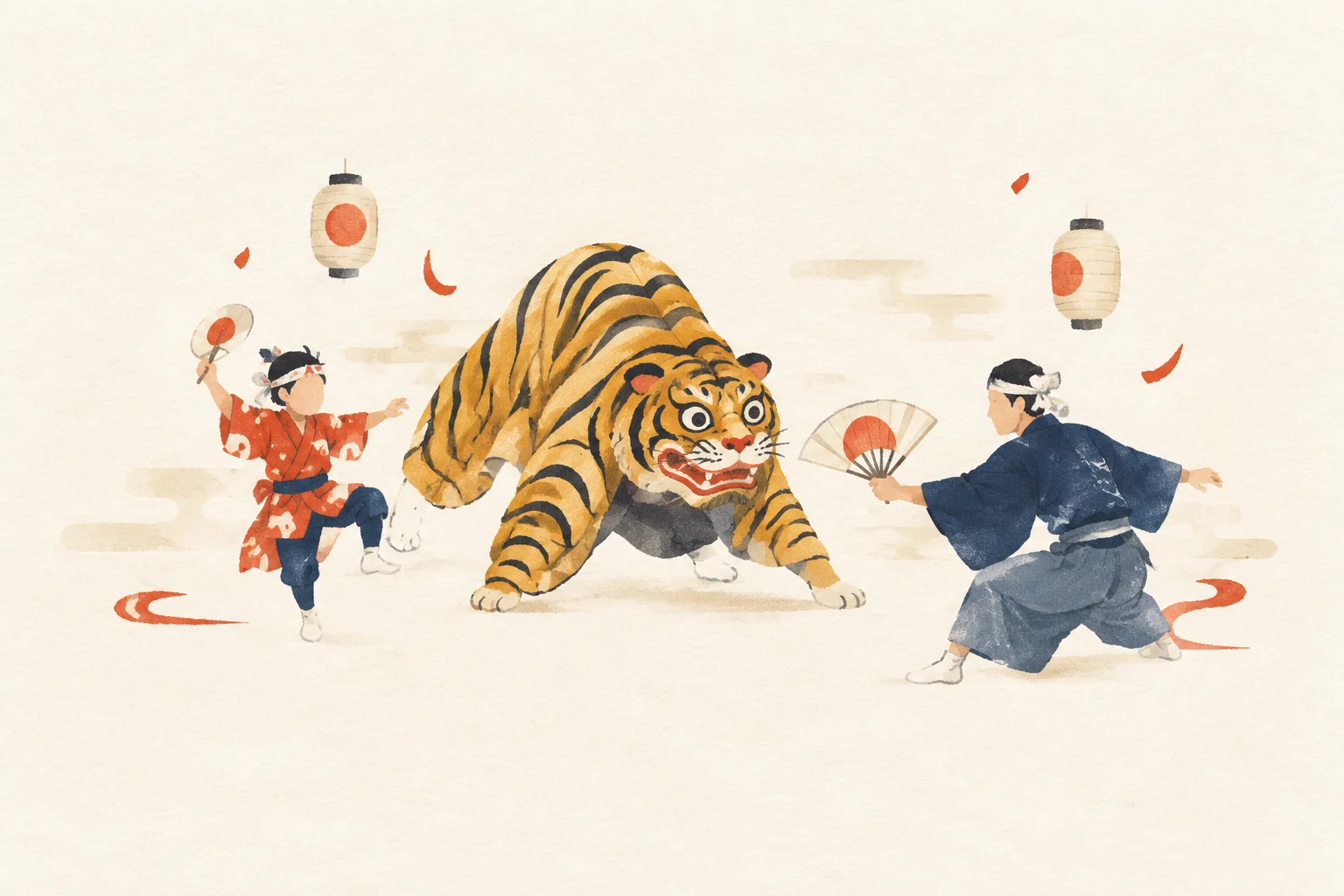
A highlight is when the tiger appears on stage after the children’s karako dance and moves freely around the stage.
In Uraga, two tigers—a large one and a small one said to be parent and child—appear, showing movements such as pacing from side to side and rising onto their hind legs.
At the end, Wato-nai uses a shrine talisman to hold down and calm the large tiger, which then exits.
The sounds of flutes, shime-daiko drums, large drums, gongs, and shamisen also bring the drama to life.
A theatrical tradition alive in Yokosuka, featuring Wato-nai and the tiger
What to expect
In Uraga, Wato-nai asks the Great Chinese Man to have the karako perform a dance. At his direction, the karako appear and dance.
When the tiger appears, the karako flee from the stage, while the tiger demonstrates movements such as walking, standing up, and spinning.
In Nobi, the karako dance in circles or lines, after which the tiger appears from the back of the stage, and Wato-nai captures it and takes it away.
In Nobi, the performance is repeated about 5 times, with the combinations changed.
Location and access
- Address
Yokosuka City
Host municipality 神奈川県横須賀市
This map shows the surrounding area, not the exact venue location.
Dates and season
- Frequency
Uraga: annually; Nobi: every other year
Accommodation and hotels PR
Showing nearby accommodation.
Prices and availability are current at the time of retrieval. For multi-night stays, only the first night’s price is shown. Confirm the final price and directions to the venue with the booking provider. Select your dates again when using the area search link. Search area: within 3 km of Central Kanagawa Prefecture / Yokosuka City (the search is not centered on the festival venue)
Nearby attractions

三笠
大日本帝国海軍の戦艦
Origins and History of Yokosuka’s Tiger Dance
According to one account of the origins of Yokosuka City’s Tiger Dance, it was brought to Uraga in 1720 when the magistrate’s office was relocated there from Shimoda in Izu.
It is said that the performance was later held at the Uraga Magistrate’s Office and transferred to Hamamachi.
A record from 1845 mentions the repair of a tiger for the Nishi-Uraga Town Tiger Dance, suggesting that the tradition dates back even earlier.
In 1976, it was designated a Yokosuka City Important Cultural Property by the prefecture.
Official information
Yokosuka City’s cultural property guide introduces the origins, repertoire, characters, and designation date of the Tiger Dance.
The Kanagawa Prefecture list of intangible folk cultural properties includes Yokosuka’s Tiger Dance as a nationally selected intangible folk cultural property, and the Tiger Dance as a prefecturally designated intangible folk cultural property.
Source: 神奈川県の無形民俗文化財 - 神奈川県ホームページ
Yokosuka’s Tiger Dance at a Glance
Yokosuka’s Tiger Dance is a theatrical folk performing art passed down in Nishi-Uraga Town and Nobi, centered on the tiger and Wato-nai.
The karako dance, the tiger’s bold movements, and the ending in which Wato-nai calms the tiger are performed as one continuous story.
It is also distinctive for combining elements of kabuki and the Tojin Odori with music played on flutes and drums.
Enjoy a stage performance rooted in the traditions of local festivals.
Japanese Festivals.jp Editorial Team
Celebrating local culture and helping you discover a side of Japan you never knew.
Article updated: 2026/10/19
Submit information or a correction Submit photos of this festival